

If your AO Smith water heater stops working or acts strangely, it can be frustrating. Hot water is not just a comfort—it’s a daily need. But before you call a technician, you can often solve many problems yourself. This guide will help you identify, troubleshoot, and sometimes fix the most common issues with AO Smith water heaters. Whether your heater is gas, electric, or tankless, you’ll find practical advice, real examples, and clear steps to get your hot water flowing again.
Understanding Your Ao Smith Water Heater
AO Smith makes several types of water heaters: gas, electric, and tankless. Each type has unique parts and common problems. Knowing your model and understanding the basics can help you troubleshoot faster.

36% off Today’s Exclusive Deals
Limited-time Exclusive Deals. Check current discount on Amazon.
Check Price on Amazon As an Amazon Associate I earn from qualifying purchases.- Gas water heaters use a burner and a pilot light or igniter.
- Electric water heaters use one or two heating elements.
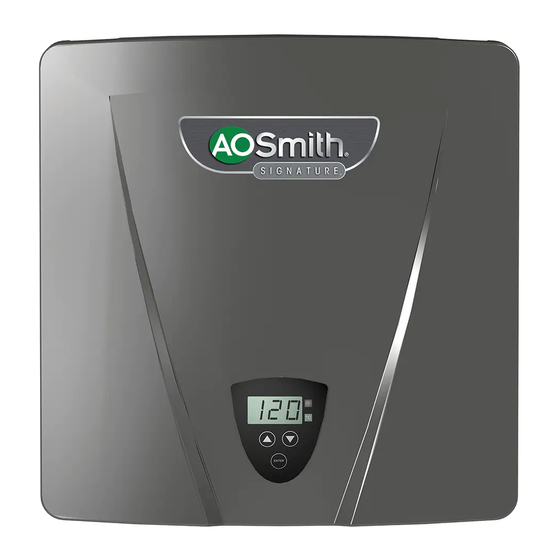
- Tankless models heat water on demand with electronic or gas controls.
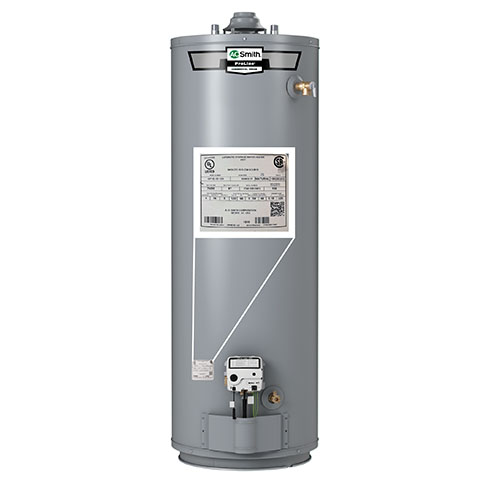
Find your model number and serial number—usually on a label on the side of the tank. This information is helpful if you need to search for manuals or replacement parts.
Safety First: Before You Start
Before you inspect or fix anything, always:
- Turn off the power. For electric units, switch off the circuit breaker. For gas units, set the thermostat to “off” and turn the gas valve off.
- Let the water cool. Hot water can cause burns.
- Shut off the water supply if needed. This prevents leaks or flooding.
- Read your manual. AO Smith manuals include safety tips and diagrams for your specific model.
If you ever smell gas or see water pooling near electrical parts, stop immediately and call a professional.
Common Ao Smith Water Heater Problems
Let’s look at the main problems homeowners face and how to tackle them. Each section covers symptoms, causes, and step-by-step solutions.
No Hot Water
When your AO Smith water heater produces no hot water, check these likely causes:
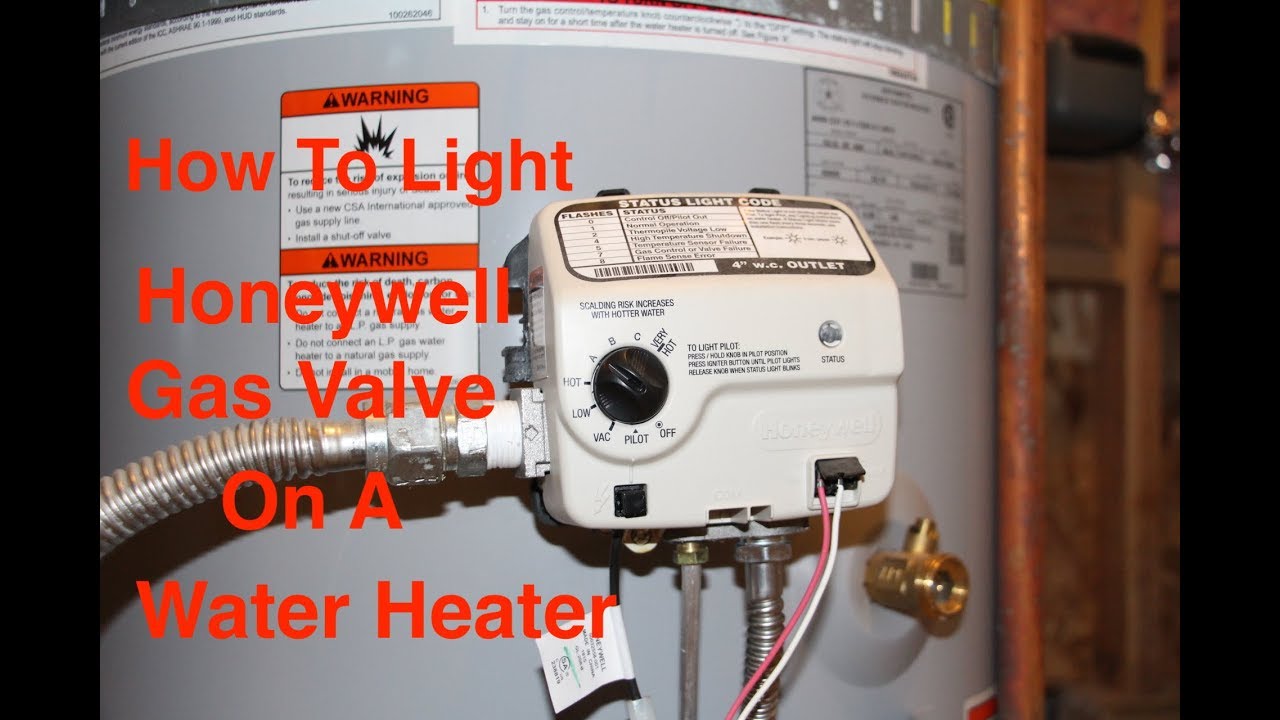
For Gas Models
- Pilot light is out: This small flame should always be burning. If it’s out, your burner won’t light.
- Thermocouple failure: The thermocouple senses the pilot flame. If it fails, the gas valve stays shut.
- Gas supply issue: The gas valve might be closed or the supply interrupted.
For Electric Models
- Tripped circuit breaker: No power means no heating.
- Burned-out heating element: One or both elements can fail over time.
- Faulty thermostat: If the thermostat fails, it won’t signal the element to heat.
How To Fix
- For gas units, open the access panel and check the pilot light. If it’s out, relight it according to your manual.
- For electric units, check your home’s breaker panel. Reset any tripped breakers.
- Test the heating elements with a multimeter (for electric heaters). Replace if faulty.
- Inspect the thermostat settings and replace the thermostat if needed.
Pro tip: For gas heaters, a dirty pilot orifice can block the flame. Clean it gently with a needle.
Not Enough Hot Water
If your water isn’t hot enough or runs out too soon:
- Thermostat set too low: Check and adjust the temperature. Most people set it at 120°F.
- Sediment buildup: Hard water leaves minerals at the bottom of the tank, reducing capacity.
- Broken dip tube: This tube directs cold water to the bottom of the tank. If it breaks, cold and hot water mix.
Solution
- Set the thermostat to 120–130°F.
- Flush your tank to remove sediment (see “Flushing Your Water Heater” below).
- Replace the dip tube if you notice small plastic pieces in your fixtures or cool water from the hot tap.
Insight: Many homeowners forget to flush their tank yearly. Regular flushing prevents sediment problems.
Water Heater Is Leaking
A leak is serious and should be addressed quickly.
- Loose connections: Check inlet/outlet pipes and drain valves.
- Faulty temperature and pressure (T&P) relief valve: This valve releases water if pressure or temperature is too high.
- Tank corrosion: If the tank rusts, it can leak from the bottom—this usually means replacement.
What To Do
- Dry the area and inspect all connections. Tighten as needed.
- Test the T&P valve by lifting its lever. If it won’t stop leaking after the test, replace it.
- If you see water at the bottom, look for rust. A leaking tank means the inner lining is gone—replace the heater.
Beginner’s mistake: Many confuse condensation with leaks. Wipe the area dry and check again in an hour.
Strange Noises
Popping, rumbling, or banging sounds are common but not normal.
- Sediment buildup: Minerals heat and explode into steam bubbles, causing noise.
- Heating element scale: In electric models, scale forms on the element.
How To Quiet Noises
- Drain and flush your tank. Sediment is the usual cause.
- For electric heaters, remove and inspect the elements. If covered in scale, clean or replace them.
- If noises continue after cleaning, the tank may be damaged inside.
Expert tip: Install a water softener if your area has hard water. This reduces sediment buildup.
Water Is Too Hot
If the water feels scalding:
- Thermostat set too high: Someone may have turned it up.
- Thermostat malfunction: It may not be reading water temperature correctly.
- Stuck heating element: In electric models, a stuck relay can cause constant heating.
Solution
- Adjust the thermostat to 120°F.
- If the problem continues, replace the thermostat.
- For electric heaters, check for wiring issues or a stuck element relay.
Discolored Or Smelly Water
Rust-colored or smelly water is unpleasant and could be unhealthy.
- Corroded anode rod: This rod sacrifices itself to prevent tank rust.
- Bacteria in tank: Common in warm, stagnant water.
- Galvanized pipes: Older homes may have pipes that rust inside.
Fixing The Issue
- Replace the anode rod every 2–5 years.
- Flush the tank and sanitize it with hydrogen peroxide.
- If the odor remains, check your plumbing pipes.
Non-obvious insight: If you notice a “rotten egg” smell, the magnesium anode reacts with bacteria. Switching to an aluminum anode rod often solves the problem.
Pilot Light Will Not Stay Lit
For gas water heaters, a pilot that keeps going out is a common headache.
- Dirty thermocouple: A dirty or misaligned thermocouple can’t sense the flame.
- Drafts: Air from nearby windows or fans can blow out the flame.
- Faulty gas valve: The valve may not allow enough gas flow.
What To Try
- Clean the thermocouple tip with fine sandpaper.
- Make sure the thermocouple is positioned in the pilot flame.
- Check for drafts and close windows or doors nearby.
- Replace the thermocouple if cleaning doesn’t help.
Error Codes On Digital Models
Newer AO Smith water heaters display error codes on a small screen. These codes tell you what’s wrong.
- E02: High-temperature limit exceeded
- E03: Flame failure
- E10: Exhaust blockage
Steps
- Look up the code in your manual.
- Reset the unit if possible.
- If the error returns, follow the manual’s instructions or contact support.
Data point: AO Smith’s official website provides digital copies of all manuals and error code lists.
Flushing Your Ao Smith Water Heater
Regular flushing removes sediment and extends your heater’s life. Here’s a simple method:
- Turn off power or gas to the heater.
- Connect a garden hose to the drain valve at the bottom.
- Place the hose end in a safe drain or outside.
- Open a hot water faucet in your home to let air in.
- Open the drain valve and let water flow until clear.
- Close the valve, remove the hose, and refill the tank.
- Turn power or gas back on.
How often? Once a year is enough for most homes.
When To Replace Vs. Repair
Knowing when to fix and when to replace saves time and money. Consider:
- Age: Most AO Smith heaters last 8–12 years.
- Frequency of repairs: Multiple repairs in a year suggest replacement.
- Energy efficiency: Newer models use less energy.
Here’s a quick comparison:
| Sign | Repair | Replace |
|---|---|---|
| Minor leaks (valves, pipes) | ✔️ | |
| Leaking tank (body) | ✔️ | |
| Heating element/thermocouple failure | ✔️ | |
| 10+ years old, frequent problems | ✔️ | |
| High energy bills | ✔️ |
Troubleshooting Tankless Ao Smith Water Heaters
Tankless models are efficient but have their own set of problems.
Common Issues
- No hot water: Often a flow sensor or ignition problem.
- Fluctuating temperature: May be caused by mineral buildup or incorrect flow rates.
- Error codes: Tankless models display codes for ignition failure, overheat, or vent blockages.
Solutions
- Clean inlet filters to prevent blockages.
- Descale the heat exchanger once a year.
- Check water flow. Tankless units have minimum flow requirements.
- Reset the unit after fixing any errors.
Expert insight: Tankless models shut down if the vent is blocked. Check for birds’ nests or debris in the vent pipe.
How Ao Smith Models Compare
AO Smith offers a range of heaters for different needs. Here’s a quick comparison of popular types:
| Model Type | Fuel | Recovery Rate (gal/hr) | Energy Factor | Best For |
|---|---|---|---|---|
| Signature Gas | Natural Gas | 40 | 0.62 | Families, fast recovery |
| Signature Electric | Electric | 20 | 0.92 | Small/medium homes |
| Signature Tankless | Gas | Continuous | 0.93 | Endless hot water |
Non-obvious insight: Recovery rate matters most for families who shower back-to-back. Energy factor affects monthly bills.
How To Read Ao Smith Error Codes
Digital models display error codes when something goes wrong. Here are a few examples:
| Error Code | Meaning | DIY Action |
|---|---|---|
| E02 | High temperature | Reset, check thermostat |
| E03 | Flame failure | Check gas, clean flame sensor |
| E10 | Exhaust blockage | Check vent, clear obstructions |
| E13 | Overheat | Flush system, check flow |
| E20 | Ignition failure | Check gas supply, reset |
Always refer to your user manual for a full list. If you can’t fix the issue, call AO Smith support or a qualified plumber.
Preventive Maintenance Tips
Regular maintenance keeps your water heater working longer:
- Flush the tank every year to remove sediment.
- Test the T&P valve twice a year.
- Check the anode rod every 2–3 years and replace if worn.
- Inspect for leaks monthly.
- Set the thermostat to 120°F for safety and efficiency.
- Clean air intake and vents on gas/tankless models.
- Descale tankless heaters yearly.
Beginner’s insight: Many people forget about the anode rod. Replacing it every few years can double your tank’s life.
When To Call A Professional
Some problems require an expert:
- Gas leaks or strong smell of gas
- Water leaking from the tank body
- Repeated tripping of breakers or blown fuses
- Error codes you can’t clear
- Any repair you don’t feel comfortable doing
Trying to fix major issues yourself can be risky. AO Smith has a network of certified technicians. You can find help on their official website.
Frequently Asked Questions
How Do I Reset My Ao Smith Water Heater?
Most AO Smith electric water heaters have a red reset button on the upper thermostat, behind the access panel. Press it firmly. For digital or tankless models, turn the power off for 30 seconds, then back on.
What Does It Mean If My Water Heater Is Making Popping Noises?
Popping or rumbling usually means sediment buildup at the bottom of the tank. Flushing the tank removes the sediment and quiets the noise.
How Often Should I Flush My Ao Smith Water Heater?
Flush your tank once a year to keep it running well. In areas with very hard water, every 6 months is better.
My Pilot Light Keeps Going Out. What Should I Check?
Check for a dirty thermocouple, drafts near the heater, or a faulty gas valve. Clean the thermocouple and make sure it’s in the flame.
Is It Safe To Increase My Water Heater Temperature Above 120°f?
Raising the temperature above 120°F increases the risk of scalding and wastes energy. Only increase it if you need higher temperatures for a specific reason, and never above 140°F.
—
Whether you’re troubleshooting a quick fix or deciding if it’s time for a new heater, understanding your AO Smith water heater saves time and money. Most issues are simple if you follow basic safety steps and use the right tools. Regular maintenance prevents most breakdowns. For complex or dangerous problems, don’t hesitate to call a professional. Hot water is essential—when your heater works, your home runs smoothly.

