

Does the Apus RV Tankless Water Heater Provide Endless Hot Water?
For anyone who loves road trips, camping, or RV living, hot water can feel like a luxury. Whether you want a warm shower after a long day or need hot water for cooking, the right water heater makes a big difference. Many RV owners are switching to tankless water heaters because they promise “endless hot water.” But does the Apus RV Tankless Water Heater really deliver? Let’s explore how it works, what users can expect, and how it compares to other options.

36% off Today’s Exclusive Deals
Limited-time Exclusive Deals. Check current discount on Amazon.
Check Price on Amazon As an Amazon Associate I earn from qualifying purchases.Understanding Tankless Water Heaters In Rvs
Tankless water heaters are different from traditional tank systems. Instead of storing hot water, they heat water as you use it. This “on-demand” approach means you don’t run out of hot water unless your energy source fails. In RVs, space is limited, so many owners prefer tankless units for their compact size and efficiency.
How Tankless Systems Work
When you turn on the hot water tap, cold water travels through the heater. The unit uses gas or electricity to heat the water instantly. The result is continuous hot water, as long as the heater keeps working and you have enough power or gas. Unlike tank heaters that hold only a set amount, tankless heaters never “run out” in the normal sense.
Key Benefits For Rv Owners
- Space-saving: No bulky storage tank.
- Energy-efficient: Heats only the water you use.
- Lightweight: Easier to install and transport.
- Unlimited supply: Water is heated as needed.
But, there are limits—like flow rate and energy availability—that can affect performance. Let’s see how the Apus RV Tankless Water Heater addresses these.
The Apus Rv Tankless Water Heater: Features And Specs
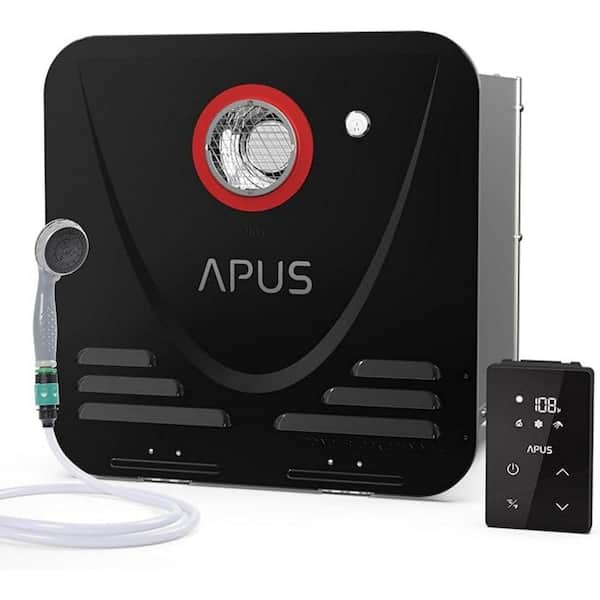
The Apus brand has built a reputation for reliable RV appliances. Their tankless water heater is designed specifically for mobile living. Here’s what makes it stand out:
Main Specifications
- Heating Capacity: 42,000 BTU (British Thermal Units)
- Maximum Flow Rate: 2.6 gallons per minute (GPM)
- Fuel Type: Propane gas
- Power Source: 12V DC for ignition and controls
- Size: 15.6 x 12.8 x 4.9 inches
- Weight: 14.3 lbs
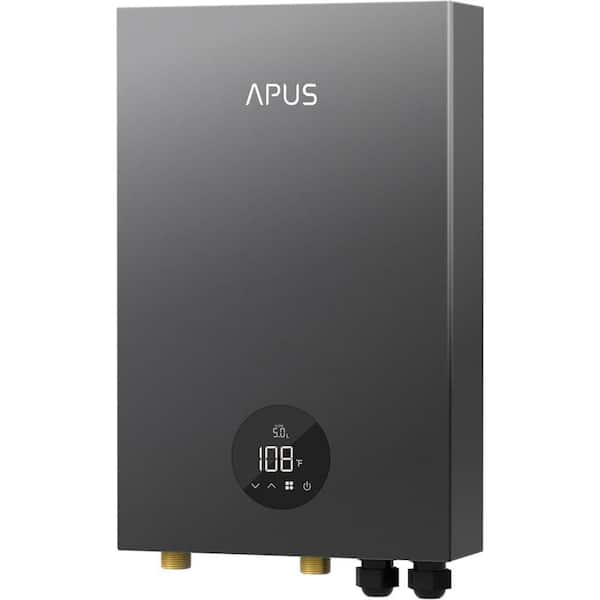
- Digital Display: Shows temperature and error codes
Safety And Control Features
- Automatic Shutoff: Turns off if overheating or low gas.
- Freeze Protection: Prevents damage in cold weather.
- Water Pressure Protection: Works in low and high pressure.
- Adjustable Temperature: Allows user to set preferred heat.
Installation And Compatibility
The Apus heater fits most standard RV plumbing systems. It comes with mounting brackets, hoses, and clear instructions. Many users report it takes under an hour to install.
Does The Apus Heater Actually Provide Endless Hot Water?
The phrase “endless hot water” sounds perfect, but real-world performance depends on several factors. Here’s a closer look at what the Apus heater can—and cannot—do.
Continuous Flow, Within Limits
The Apus heats water as you need it. As long as you have propane and electricity, you can take long showers, wash dishes, or fill a bath without running out. You don’t need to wait for a tank to refill or reheat.
But, the maximum flow rate matters. For Apus, it’s 2.6 GPM. If you try to use hot water in several places at once (like shower and kitchen sink), the water may not stay hot. The heater can only heat a certain amount of water per minute.
Real-life Example
Imagine two people showering at the same time, plus running hot water in the kitchen. That might require 4-5 GPM. The Apus heater can only supply 2. 6 GPM, so water may cool down or become lukewarm. For most RVs, one shower or one tap at a time is fine—but not multiple heavy uses.
Energy Source Limitations
“Endless” also depends on your propane supply and battery. If you run out of gas or lose power, the heater stops working. If you’re boondocking (camping off-grid), keep an eye on your propane tank and battery charge.
Cold Weather And Water Temperature
Tankless heaters work best in mild conditions. If incoming water is very cold (for example, winter camping), the heater needs more energy to heat it. Sometimes, the flow rate drops to maintain temperature. This is true for all tankless heaters—not just Apus.
Non-obvious Insight: Temperature Setting Matters
Many beginners set the temperature too high, thinking it will give hotter water everywhere. But higher settings can trigger safety shutoffs or reduce flow rate. Start with a moderate setting (110–120°F), and adjust for comfort.
Comparing Apus Rv Tankless Water Heater To Other Brands
RV owners have several tankless options. How does Apus stack up? Here’s a direct comparison with two popular brands: Girard and Suburban.
| Brand | Max Flow Rate (GPM) | Heating Capacity (BTU) | Weight (lbs) | Freeze Protection | Price Range (USD) |
|---|---|---|---|---|---|
| Apus | 2.6 | 42,000 | 14.3 | Yes | 390–480 |
| Girard | 2.4 | 36,000 | 21 | Yes | 450–550 |
| Suburban | 2.5 | 40,000 | 16.2 | Optional | 430–510 |
Apus offers a higher flow rate and BTU than Girard, with a lighter build. Suburban is slightly heavier but similar in performance. Prices are competitive, but Girard tends to cost more.
Extra Features Comparison
| Brand | Digital Display | Adjustable Temp | Warranty | Remote Control |
|---|---|---|---|---|
| Apus | Yes | Yes | 2 years | No |
| Girard | Yes | Yes | 2 years | Optional |
| Suburban | No | Yes | 1 year | No |
Apus stands out with its reliable digital display and longer warranty. Girard offers a remote option, which some users like.
Non-obvious Insight: Maintenance Simplicity
Many RV owners overlook maintenance. Apus heaters are designed with fewer moving parts, making them easier to service. Regular cleaning of the water filter and burner is usually enough. Suburban units need more frequent checks, especially in dusty environments.
Practical Experience: What Do Rv Owners Say?
User reviews and real-world tests are important. Most Apus owners report positive experiences, especially with hot showers and washing dishes. Let’s look at common feedback:
Pros
- Consistent hot water for showers and sinks
- Quick heat-up time (usually under 10 seconds)
- Easy installation with clear instructions
- Compact size fits most RV cabinets
Cons
- Reduced flow in cold climates
- Needs regular propane supply
- One fixture at a time works best
Example: Family Camping Trip
A family of four used the Apus heater during a two-week RV trip. Each person took daily showers, and they washed dishes after meals. The heater never ran out of hot water, but they learned to avoid running both shower and kitchen tap together.
In colder nights (40°F), water was still warm, but flow was a bit slower.
Common Mistake: Ignoring Water Pressure
Some beginners forget to check their RV’s water pressure. Tankless heaters like Apus need minimum pressure (often 15 PSI) to work well. Low pressure causes fluctuating temperatures. If you use a water pump, make sure it’s in good condition.
Installation And Setup Tips
Getting the most from your Apus heater starts with proper installation. Here are tips to help:
- Read the manual: Follow instructions closely. Mistakes in wiring or plumbing can cause errors.
- Check venting: Propane heaters need proper ventilation. Place the unit where exhaust can flow outside.
- Test water pressure: Before installing, check your RV’s pump and plumbing.
- Use the right fittings: The Apus kit includes hoses and brackets. Don’t substitute with lower-quality parts.
- Prime the system: Run cold water through the heater before turning it on. This removes air pockets.
- Set temperature wisely: Start at a moderate setting, then adjust for comfort.
Non-obvious Insight: Protecting Against Freezing
Even with freeze protection, always drain the heater before winter storage. Frozen water can damage internal parts. If you travel in winter, consider adding extra insulation around pipes.
Costs And Value Analysis
Is the Apus heater worth the price? Let’s break down costs and savings.
Upfront Costs
- Unit Price: $390–$480
- Installation: DIY is free; professional install $120–$180
- Accessories: Most kits include needed parts
Operating Costs
- Propane Use: About 0.5 lbs per hour when running
- Electricity: Minimal (for ignition and controls)
- Maintenance: Filter cleaning every 3 months; burner check yearly
Long-term Value
Tankless heaters last longer than tanks (8–12 years vs 5–7 years). They also use less propane, since they only heat water when needed. For frequent RV users, the savings add up.
Non-obvious Insight: Hidden Savings
Tankless systems reduce mold risk, since they don’t store water. This means fewer plumbing repairs and better air quality in your RV.
Apus Heater Vs Traditional Tank Heaters
Some RVs still use tank water heaters. Here’s how they compare:
| Feature | Tankless (Apus) | Tank Heater |
|---|---|---|
| Hot Water Supply | Continuous (within flow rate) | Limited (6–10 gallons) |
| Energy Use | On-demand | Constant (even when not used) |
| Space Needed | Small | Large |
| Heat-Up Time | Instant | 15–30 minutes |
| Maintenance | Easy | Frequent |
For most RV owners, tankless units like Apus are better for space, energy efficiency, and hot water availability.
Who Should Choose The Apus Rv Tankless Water Heater?
If you want reliable hot water for showers, cooking, and cleaning, the Apus heater is a strong choice. It’s best for:
- Small to medium RVs
- Families who use one fixture at a time
- Frequent travelers or full-time RVers
- Those who value energy efficiency
It may not suit large RVs with multiple bathrooms or users who want to run several taps at once. If you often camp in extreme cold, consider a higher-capacity unit or extra insulation.
Maintenance And Troubleshooting Tips
Keeping your Apus heater running smoothly is simple. Here are the most important steps:
- Clean the water filter: Every 3 months
- Inspect burner and vent: Yearly
- Check propane lines: Monthly for leaks
- Drain before winter: Prevent freeze damage
- Reset after errors: Use digital display to check error codes
Common Problems And Solutions
- Cold water only: Check propane and battery; make sure water pressure is high enough.
- Error code: Refer to manual; most codes are easy to fix (like low gas or ignition issues).
- Inconsistent temperature: Clean filter and check for air in pipes.

Environmental Impact
Tankless heaters are more eco-friendly than traditional tanks. They reduce wasted energy and lower propane use. By only heating water when needed, you cut down on emissions and save resources.
Where To Buy And Warranty Info
Apus heaters are sold online and at RV supply stores. Always buy from authorized dealers to get the full warranty. Most units come with a 2-year warranty covering defects and major failures.
For more details and buying options, visit the manufacturer’s site or a reputable dealer like Camping World.
Frequently Asked Questions
How Long Does The Apus Rv Tankless Water Heater Last?
Most units last 8–12 years with regular maintenance. Cleaning the filter and checking the burner are the main steps. The warranty covers 2 years for defects.
Can The Apus Heater Work Off-grid?
Yes, as long as you have propane and a 12V battery. It’s popular with boondockers, but you must monitor your energy supplies.
What Happens If Water Pressure Is Too Low?
Low pressure can cause cold water or error codes. Make sure your RV pump delivers at least 15 PSI. If pressure drops, check for leaks or replace the pump.
Is The Apus Heater Safe For Winter Camping?
It has freeze protection, but always drain the unit before storage. In very cold weather, flow rate may drop to keep water hot.
Can I Install The Apus Heater Myself?
Most owners install it themselves in under an hour. Follow the manual and use included fittings. If unsure, hire a professional for safety.
Final Thoughts
The Apus RV Tankless Water Heater delivers on its promise of endless hot water—with a few practical limits. For most RV owners, it’s a reliable, efficient, and space-saving option. As long as you use one fixture at a time and keep your propane and battery topped up, you’ll enjoy warm showers, clean dishes, and a more comfortable RV experience. Compared to traditional tanks, Apus offers faster heat-up, easier maintenance, and better energy savings. If you’re ready for a smoother, more enjoyable RV lifestyle, this heater is worth a serious look.

