

Keeping your Suburban water heater working smoothly is important, especially if you depend on hot water for daily tasks. One part that many people overlook is the anode rod. This small rod inside your water heater protects it from rust and damage. If you don’t replace it in time, your water heater can break down much faster. Knowing how often to replace the anode rod can save you money and trouble in the long run.
What Does The Anode Rod Do?
The anode rod is a metal stick, usually made from magnesium or aluminum, found inside most water heaters. Its main job is to protect the tank from rusting. Water heaters are made from steel, which can rust when water sits inside for a long time. The anode rod attracts the corrosive elements in the water, so the rod rusts instead of the tank. This process is called “sacrificial corrosion.” When the rod wears out, your tank loses its main shield and starts to rust.

36% off Today’s Exclusive Deals
Limited-time Exclusive Deals. Check current discount on Amazon.
Check Price on Amazon As an Amazon Associate I earn from qualifying purchases.Many people don’t realize how important the anode rod is. It’s not just a part you ignore. If you let it wear down completely, your water heater can start leaking or fail much sooner than expected.
How Long Does An Anode Rod Last?
There’s no simple answer because anode rod lifespan depends on several things:
- Water quality: Hard water with minerals makes the rod wear out faster.
- Water usage: The more hot water you use, the faster the rod degrades.
- Type of rod: Magnesium rods usually last 1-3 years, aluminum rods 3-5 years.
- Tank size: Bigger tanks can mean a longer rod life, but not always.
In general, you should check your Suburban water heater’s anode rod every 12 months. Some experts recommend checking every 6 months if you have very hard water or use your heater a lot, like in an RV or camper.
Example Lifespan Table
Here’s a comparison of typical anode rod lifespans based on water quality and usage:
| Condition | Magnesium Rod | Aluminum Rod |
|---|---|---|
| Soft Water, Light Use | 3 years | 5 years |
| Hard Water, Heavy Use | 1 year | 2-3 years |
| Average Water, Moderate Use | 2 years | 3-4 years |
This table gives a rough idea, but actual results may vary. Checking regularly is the safest way.
Signs Your Anode Rod Needs Replacing
Sometimes, you can’t wait for a set time. If you notice these signs, your anode rod may be worn out:
- Rusty water coming from the heater
- Egg or sulfur smell in the hot water
- Visible corrosion on the rod when inspected
- Water heater leaks (late stage)
If you notice any of these, check the rod as soon as possible. Ignoring these signs can lead to expensive repairs.
What Does A Bad Anode Rod Look Like?
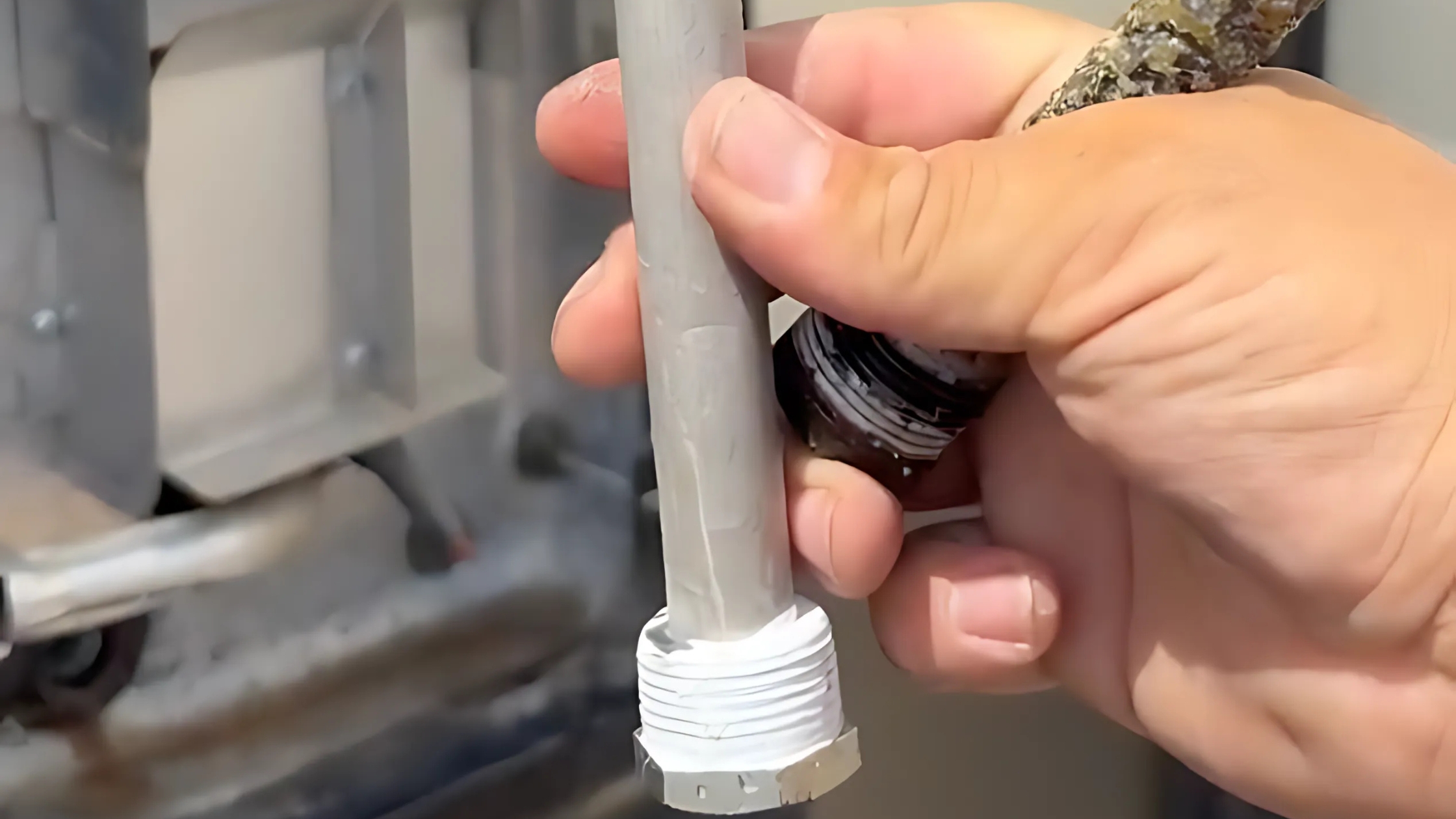
When you remove the anode rod, it should be thick and solid. If it’s:
- Mostly gone
- Covered in white calcium or corrosion
- Thin like a wire
It’s time to replace it. Don’t wait until the rod is completely dissolved, because by then, your tank may already be at risk.
How To Check And Replace The Anode Rod In A Suburban Water Heater
Checking and replacing the anode rod is not a difficult task, but you need to be careful. Here’s how you can do it:
- Turn off the power and water supply. Make sure the water heater is cool before starting.
- Drain some water from the tank. You don’t need to empty it fully, but drain enough so the rod is above water level.
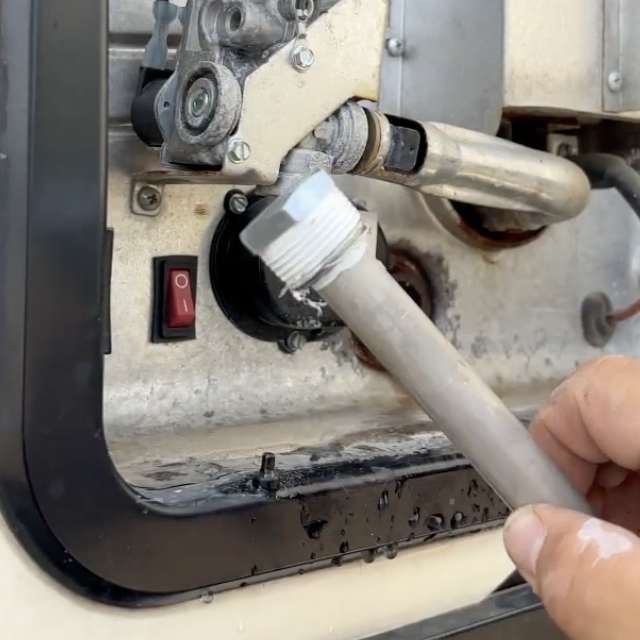
- Locate the anode rod. In most Suburban heaters, it’s on top or at the side.
- Use a socket wrench to loosen and remove the rod. If it’s stuck, don’t force it—try spraying a little lubricant.
- Inspect the rod. If more than 50% is gone, or it’s heavily corroded, replace it.
- Insert the new rod and tighten it securely.
- Refill the tank and turn the heater back on.
Common Mistakes When Replacing The Anode Rod
- Not turning off the power/gas—this is dangerous.
- Forgetting to drain water—can cause leaks or burns.
- Using the wrong rod type—check your Suburban model for the correct size and material.
- Over-tightening the rod—can crack the tank fitting.
Always use genuine Suburban parts or high-quality replacements. Cheap rods may not protect your tank well.
Choosing The Right Anode Rod For Suburban Water Heaters
Not all anode rods are the same. Suburban water heaters often use magnesium rods because they are more effective for softer water. If you have hard water, you might use aluminum rods or aluminum-zinc blends, which resist corrosion better in certain conditions.
Comparison Table: Magnesium Vs Aluminum Anode Rods
| Feature | Magnesium Rod | Aluminum Rod |
|---|---|---|
| Corrosion Protection | High | Moderate |
| Water Suitability | Soft/Moderate | Hard/High TDS |
| Lifespan | Shorter | Longer |
| Price | Higher | Lower |
| Common Issues | Odor in hard water | Less protection in soft water |
Choosing the right rod will help your heater last longer. If you’re unsure, check your Suburban heater manual or ask a professional.
How Often Should You Replace The Anode Rod?
For most Suburban water heaters, a good rule is:
- Check the anode rod every 12 months.
- Replace it every 1-3 years for magnesium, 3-5 years for aluminum.
However, these are only guidelines. If your water is hard, or you use your heater often, check more often. If the rod is less than half its original thickness, replace it—don’t wait.
Quick Reference Table: Replacement Frequency
| Heater Type | Water Quality | Check Every | Replace Every |
|---|---|---|---|
| Suburban RV Heater | Hard | 6 months | 1 year |
| Suburban Residential | Soft | 12 months | 3 years |
| Suburban Residential | Average | 12 months | 2-3 years |
This table shows the importance of regular checks. Don’t rely only on years—visual inspection is more reliable.
Expert Tips To Extend Water Heater Life
Replacing the anode rod is only part of good maintenance. Here are some tips that many beginners miss:
- Flush your tank yearly. Sediment buildup can damage your heater and the rod.
- Test water hardness. If your water is hard, consider a softener or more frequent checks.
- Install a second anode rod if possible. Some tanks have extra ports—this gives double protection.
- Keep records. Write down dates of checks and replacements. This helps spot patterns and prevents forgetting.
- Don’t ignore odors or color changes. These are warning signs, not just minor annoyances.
Many owners only check the rod when there’s a problem. Regular checks prevent surprises and costly repairs.
Why Neglecting The Anode Rod Is Costly
Ignoring the anode rod can cut your Suburban heater’s life by half. The cost of a new rod is small compared to replacing the whole heater. According to the US Department of Energy, the average water heater lasts 10-15 years—but only if maintained. Tanks that lose their anode protection often fail in 5-7 years.
A new Suburban heater can cost between $400 and $800 for parts, not including installation. A new anode rod is about $10-$30. That’s a big difference. Regular rod checks are one of the smartest ways to protect your investment.
Non-obvious Insights Most Beginners Miss
- Many people don’t realize that water heater warranties often require regular anode rod checks. Skipping this can void your warranty.
- If your hot water smells bad, switching to an aluminum-zinc rod can solve the issue—magnesium rods often cause odors in hard water.
- RV water heaters, like Suburban models, face more stress from frequent water changes and movement. This means the anode rod wears out faster than in a home heater.
- Some rods have a built-in indicator (a colored tip or notch) that shows when replacement is needed. Always check for this if you buy a new rod.
Frequently Asked Questions
How Do I Know Which Anode Rod Fits My Suburban Water Heater?
Check your heater’s manual or look at the old rod for size and material. Most Suburban heaters use a 3/4-inch NPT magnesium rod. If you’re unsure, contact Suburban customer support or a plumbing expert.
Can I Use An Aluminum Rod Instead Of Magnesium?
Yes, you can use an aluminum rod if your water is hard or you have odor problems. Aluminum rods last longer but may offer less protection in soft water. Always match the rod to your local water conditions.
What Happens If I Never Replace The Anode Rod?
If you skip replacement, the tank will rust. Eventually, it will leak or burst, leading to expensive repairs or replacement. Regular rod checks can prevent these problems.
Do I Need To Drain The Entire Water Heater To Check The Rod?
No, you only need to drain enough water so the rod is not under water pressure. Usually, draining a few gallons is enough. Always turn off power and let the heater cool before starting.
Is It Safe To Replace The Anode Rod Myself?
Yes, it’s safe if you follow all steps carefully. Turn off power, drain water, and use the correct tools. If the rod is stuck or you’re unsure, call a professional. It’s better to be safe than risk damaging your heater.
Taking care of your Suburban water heater’s anode rod is one of the simplest ways to keep your hot water reliable and your heater lasting longer. If you want more details on water heater maintenance and tips, you can check the official guidance from Energy.gov. Remember, regular checks and timely replacement will save you money, prevent breakdowns, and keep your water safe and clean. Don’t wait for a problem—protect your heater before it happens.


