

If you own an RV, you know how important hot water is for comfort. The Suburban Advantage RV tank water heater is a popular choice because it’s reliable and easy to use. However, draining it correctly is essential for maintenance, winterizing, and preventing damage. If you’re new to RV ownership or want to avoid common mistakes, this guide will walk you through every step. You’ll learn exactly how to drain your Suburban Advantage water heater safely, what tools to use, and how to avoid costly problems.
Why Drain Your Suburban Advantage Rv Water Heater?
Draining your RV water heater isn’t just a seasonal task—it’s a critical part of caring for your RV. Here are some reasons why you should drain it:

36% off Today’s Exclusive Deals
Limited-time Exclusive Deals. Check current discount on Amazon.
Check Price on Amazon As an Amazon Associate I earn from qualifying purchases.- Winterizing: Prevents water from freezing and damaging your tank in cold weather.
- Maintenance: Removes mineral buildup and sediment, keeping the heater efficient.
- Storage: If you store your RV for long periods, draining stops bacteria and odors from growing.
- Repair: Allows you to work safely on the water heater without water pressure.
Many beginners forget that even a small amount of water left inside can freeze and crack the tank. Sediment can also cause heating problems and increase energy use. Draining is simple, but skipping it can lead to expensive repairs.
Tools And Materials You Need
Before starting, gather these items:
- Socket wrench (usually 1-1/16 inch for the drain plug/anode rod)
- Pressure relief valve tool (optional, but makes opening easier)
- Bucket (to catch draining water)
- Gloves
- Teflon tape (for resealing threads after draining)
- Replacement anode rod (if yours is worn out)
- Flashlight (for visibility)
- Rags or towels
Having everything ready saves time and prevents spills. Many people try to use adjustable wrenches, but they often slip and damage the plug. Using a socket wrench sized for Suburban heaters is safer.
Step-by-step Guide: How To Drain A Suburban Advantage Rv Tank Water Heater
Follow these steps carefully. Each step is important for safety and effectiveness.
1. Turn Off Power And Gas
Always start by turning off the electric and gas supply to the water heater. For electric models, switch off the breaker. For gas, turn the valve to “off.” This prevents accidental heating and protects you while working.
2. Allow Water To Cool
Hot water can cause burns. Wait at least 2 hours after turning off the heater to let water cool down. If you are in a hurry, run hot water from the tap until it feels lukewarm.
3. Shut Off Water Supply
Turn off the main water supply to the RV. If connected to city water, shut off the valve. If using the onboard pump, switch it off. This prevents pressure from building and makes draining easier.
4. Open A Hot Water Faucet
Inside the RV, open any hot water faucet. This releases vacuum pressure in the system and allows water to drain smoothly.
5. Locate The Water Heater Access Panel
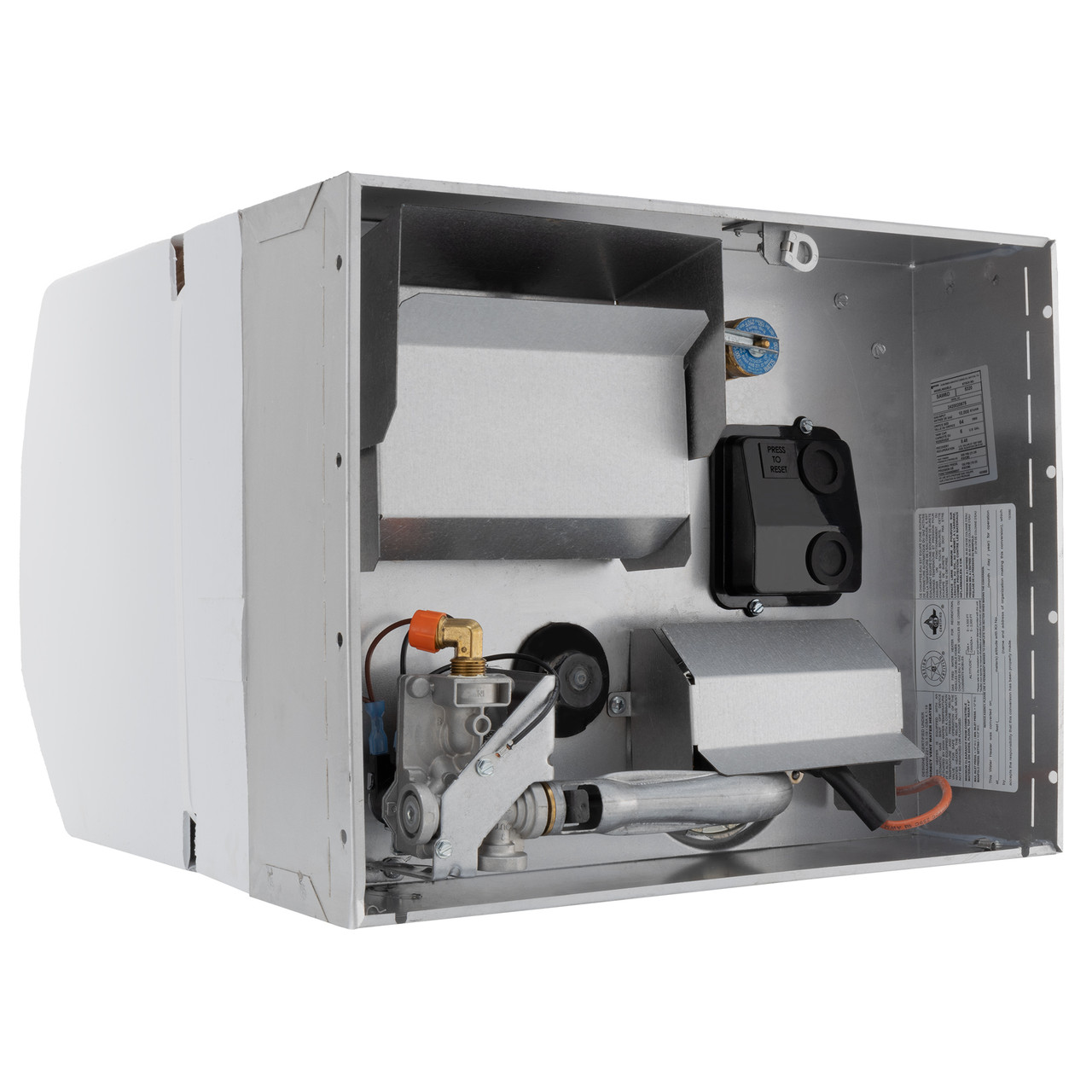
The Suburban Advantage heater is usually on the outside of the RV. Open the access panel to expose the drain plug/anode rod, pressure relief valve, and other components.
6. Open Pressure Relief Valve
Lift the small lever on the pressure relief valve. This lets air in and helps water drain faster. Some people skip this, but it often leads to slow draining and splashing.
7. Remove The Drain Plug/anode Rod
Use your socket wrench to unscrew the drain plug/anode rod. Turn counterclockwise. Water will start pouring out—be ready with your bucket. If the rod is corroded, replace it.
Tip: Suburban heaters use an anode rod as the drain plug. It protects the tank from corrosion, so check its condition every time you drain.
8. Let Water Drain Completely
Allow all water to drain out. This may take several minutes. If sediment is present, water will look cloudy or brown at first. Let it drain until clear.
9. Flush The Tank (optional But Recommended)
Sediment can build up in the tank. To flush:
- Insert a tank flushing wand or garden hose into the drain opening.
- Turn on water briefly to wash out remaining debris.
- Move the wand/hose around for better cleaning.
- Let water drain again until clear.
Flushing prevents problems and extends heater life. Many RV owners skip this and regret it later.
10. Inspect The Anode Rod
Check the anode rod for wear. If more than half is gone, replace it. It’s a cheap part that protects your tank from rust.
11. Reinstall The Drain Plug/anode Rod
Wrap threads with Teflon tape for a tight seal. Screw the rod back in by hand, then tighten with the wrench. Don’t overtighten, as this can damage threads.
12. Close Pressure Relief Valve
Push the lever back down to seal the valve.
13. Close Access Panel
Make sure everything is dry, then close and lock the access panel.
14. Restore Water, Power, And Gas
Turn the water supply back on. Run a hot water faucet until water flows steadily. Restore power and gas to the heater. Allow it to refill and heat water.
15. Check For Leaks
After everything is back on, check for leaks around the drain plug and access panel. Fix any leaks immediately.
Suburban Advantage Rv Water Heater Vs Other Brands
To understand why Suburban heaters are unique, compare them with other common RV water heater brands:
| Feature | Suburban Advantage | Atwood | Girard (Tankless) |
|---|---|---|---|
| Tank Material | Steel w/ Porcelain Liner | Aluminum | No Tank |
| Anode Rod | Yes | No | No |
| Maintenance Needs | Flush, Replace Anode | Flush Only | Filter Clean |
| Drain Method | Remove Anode Rod | Remove Drain Plug | No Drain Needed |
| Usual Capacity | 6/10 Gallons | 6/10 Gallons | Unlimited |
Suburban water heaters need anode rod checks, but their steel tanks last longer than aluminum. Atwood heaters don’t use anode rods, so their tanks can corrode faster. Girard tankless models don’t require draining, but are more expensive and complex.

Common Mistakes When Draining A Suburban Advantage Rv Tank Water Heater
Many RV owners make mistakes that lead to damage or extra repairs. Here are some to avoid:
- Forgetting to turn off power/gas: This can cause burns or equipment damage.
- Removing plug with water pressure on: Water can spray everywhere and cause injury.
- Not opening a hot water faucet: This creates a vacuum and slows draining.
- Skipping the pressure relief valve: Leads to slow draining and possible tank damage.
- Using the wrong wrench size: Damages the drain plug and tank threads.
- Ignoring anode rod wear: Leads to rust and leaks in the tank.
- Failing to flush the tank: Sediment buildup reduces efficiency and lifespan.
Non-obvious insight: Many owners don’t realize that skipping flushing can cause sediment to harden, making later removal almost impossible without expensive repairs. Also, not using Teflon tape when reinstalling the anode rod can lead to slow leaks that cause hidden water damage.
How Often Should You Drain And Maintain?
The frequency depends on usage and water quality. Most RV experts recommend:
- Drain every 3–6 months if used regularly.
- Drain before winter storage or when not using the RV for more than a month.
- Flush annually or after trips to areas with hard water.
If you notice odd smells, slow heating, or visible sediment, drain and flush immediately.
Data: Sediment Impact On Water Heater Efficiency
Sediment buildup is not just a nuisance—it’s proven to reduce efficiency. A study by the Department of Energy found:
| Sediment Thickness | Efficiency Loss (%) | Heating Time Increase (%) |
|---|---|---|
| None | 0 | 0 |
| 1/8 inch | 10 | 15 |
| 1/4 inch | 18 | 25 |
| 1/2 inch | 30 | 40 |
Even a small amount of sediment makes your water heater work harder and use more energy. Flushing during draining helps keep efficiency high.
Signs Your Suburban Advantage Water Heater Needs Draining
Watch for these signs:
- Water smells bad
- Heating is slow
- Tank makes popping or rumbling noises
- Visible sediment in drained water
- Tank leaks
If you see any of these, drain and inspect your heater right away.

Practical Tips For Easy Draining
- Park on level ground so water drains fully.
- Use a clear bucket to see sediment and color changes.
- Keep spare anode rods in your RV toolkit.
- Flush after draining to remove hidden sediment.
- Label the access panel so you can find it quickly.
Many RV owners find that draining is easier when done as part of regular maintenance, not just before winter. Waiting until cold weather can make draining harder and risk freezing.
Real-world Example: Winterizing An Rv In Colorado
Tom, an RV owner in Colorado, shared that he once skipped draining his Suburban heater before storing his RV for winter. When spring arrived, he found the tank had cracked from freezing water. The repair cost over $600. He now drains and flushes every fall, and checks the anode rod.
His heater has lasted 8 years with no major problems.
Can You Drain Without Tools?
In emergencies, you can drain using only a faucet and the pressure relief valve. However, the anode rod/drain plug must be removed for complete draining. Using the right tools prevents stuck parts and leaks.
Safety Precautions
- Wear gloves to protect your hands from hot water and sharp edges.
- Stand to the side when removing the drain plug—water may spray out.
- Check for animals (like wasps) in the access panel before opening.
Safety is often overlooked. Burns and slips are common when rushing the job.
Environmental Considerations
Don’t let water run into storm drains or onto lawns if it contains cleaning chemicals or heavy sediment. Drain water into a bucket and dispose of it responsibly. Some RV parks have special disposal areas.
Where To Find Official Guidance
For more details or troubleshooting, check the manufacturer’s instructions. Suburban maintains updated manuals and guides online. You can find official tips at Suburban Manuals.
Frequently Asked Questions
How Do I Know If My Anode Rod Needs Replacing?
If your anode rod is less than half its original thickness or is heavily corroded, replace it. Check at every draining.
Is It Safe To Drain The Heater With Water Still Hot?
No, always let water cool before draining. Hot water can cause burns and damage components.
Can I Use Vinegar To Flush The Tank?
Yes, a mild vinegar solution can help remove mineral buildup. Flush with clean water afterward to remove all residue.
How Long Does It Take To Drain A Suburban Advantage Water Heater?
Most tanks drain in 5–10 minutes, depending on size and sediment. Flushing adds another 5–10 minutes.
What Happens If I Forget To Drain Before Winter?
Water left in the tank can freeze, causing cracks and leaks. Repairs are expensive and often require tank replacement.
Draining your Suburban Advantage RV tank water heater is not just about maintenance—it’s about protecting your investment and enjoying worry-free travel. By following these steps, checking your anode rod, and flushing regularly, you’ll avoid common problems and keep your hot water flowing. With a little care, your water heater will last for years, giving you comfort wherever you roam.

