

Grilling steak is both an art and a science. The sizzle of meat on hot grates, the aroma of char, and the satisfaction of the first juicy bite create an experience you can’t easily forget. For many, grilling steak at home feels intimidating.
Is the grill hot enough? Will the meat turn out tough or dry? How do you get that perfect crust with a pink, tender center? These are common questions, and the good news is that you don’t need to be a professional chef to grill a steak that impresses your friends and family.

36% off Today’s Exclusive Deals
Limited-time Exclusive Deals. Check current discount on Amazon.
Check Price on Amazon As an Amazon Associate I earn from qualifying purchases.With the right knowledge and a few simple techniques, you can master steak grilling and enjoy restaurant-quality results in your own backyard.
This guide will walk you through everything you need to know about grilling steak, from choosing the best cut and preparing your grill, to seasoning, grilling, and serving. You’ll also learn how to avoid common mistakes that can ruin a steak.
Whether you’re a beginner or someone looking to improve, you’ll find practical tips, key data, and a few expert tricks that most people overlook.
Understanding Steak Cuts
The first step in grilling a great steak is choosing the right cut. Not all steaks are the same; each has a unique flavor, tenderness, and fat content. Some cuts are perfect for grilling, while others might need different cooking methods.
Popular Steak Cuts For Grilling
- Ribeye: Known for its marbling, ribeye is juicy and flavorful. The fat melts during cooking, keeping the steak moist.
- New York Strip: Also called a striploin, it’s tender and has a strong beef flavor but less fat than ribeye.
- Filet Mignon: Extremely tender but lean, with a milder flavor. It’s often more expensive.
- T-bone/Porterhouse: These cuts combine two steaks in one—the strip and the tenderloin—separated by a T-shaped bone.
- Sirloin: Less tender than the above but still good for grilling and often more affordable.
- Flank and Skirt: Thin, flavorful cuts, but need quick grilling and slicing against the grain to avoid toughness.
Here’s a quick comparison of popular steak cuts for grilling:
| Cut | Tenderness | Fat Content | Flavor |
|---|---|---|---|
| Ribeye | High | High | Rich, juicy |
| New York Strip | Medium-High | Medium | Beefy |
| Filet Mignon | Very High | Low | Mild |
| T-bone | High | Medium | Complex |
| Sirloin | Medium | Low-Medium | Bold |
| Flank | Medium-Low | Low | Intense |
Non-obvious insight: Many beginners overlook the importance of steak thickness. For grilling, steaks at least 1 to 1.5 inches thick cook more evenly and allow a nice crust without overcooking the center.
Preparing For Grilling
Preparation is crucial for grilling steak. A few steps before the steak hits the grill can make a huge difference in taste and texture.
Selecting And Storing Steak
Buy steak from a reliable butcher or meat counter. Look for bright red color and even marbling (white streaks of fat). Avoid grayish meat or excessive moisture in the package.
Keep steaks refrigerated until about 30–60 minutes before grilling. Letting them come to room temperature helps them cook evenly.
Seasoning: Simple Is Best
Salt is the most important ingredient for steak. It draws out moisture, which then dissolves the salt and is reabsorbed, seasoning the steak deeply. Use kosher salt or sea salt for the best results.
You can add freshly ground black pepper just before or after grilling. Some people also use garlic powder, paprika, or dried herbs, but don’t overdo it—too many spices can mask the steak’s natural flavor.
Non-obvious insight: Salt your steak at least 40 minutes before grilling, or right before. If you salt it in between, the moisture can sit on the surface and create steam, blocking a good crust.
Should You Use Marinades?
Marinades are useful for tougher or thinner cuts like flank or skirt steak. Acidic ingredients (like vinegar or lemon juice) help tenderize the meat, while oil and spices add flavor. For premium cuts like ribeye or filet, a simple seasoning is usually enough.
Setting Up The Grill
The type of grill you use—charcoal, gas, or even wood—affects the flavor and process. Each has its pros and cons. Let’s compare them:
| Grill Type | Flavor | Heat Control | Ease of Use |
|---|---|---|---|
| Charcoal | Smoky, intense | Medium | Medium |
| Gas | Clean, mild | High | Easy |
| Wood | Very smoky, distinct | Low | Harder |
Charcoal Grill
- Gives a classic smoky flavor.
- Takes longer to heat up (15–30 minutes).
- Best for those who enjoy the grilling ritual.
Gas Grill
- Heats up quickly (5–10 minutes).
- Easy to control temperature.
- Good for weeknight grilling or beginners.
Wood Grill
- Unique, rich flavor.
- Harder to manage heat.
- More common among experienced grillers.
Preheating And Cleaning The Grill
Preheat your grill to high heat—around 450–500°F (232–260°C). Use a grill brush to clean the grates before cooking. Oil the grates lightly with a paper towel dipped in oil held with tongs. This prevents sticking and helps get defined grill marks.
Pro tip: Many people skip cleaning the grill before cooking, but leftover bits can burn and create off flavors on your steak.
Grilling Techniques
Great steak is about more than just putting meat over heat. Mastering a few key techniques can help you get a steak that is flavorful, juicy, and perfectly cooked.
Two-zone Cooking
A two-zone fire gives you a hot side for searing and a cooler side for finishing. This method reduces the risk of burning and allows for better control, especially with thick steaks.
How To Set Up
- On a charcoal grill, pile coals on one side.
- On a gas grill, turn one burner to high and another to medium or low.
Start by searing the steak over high heat for a crust, then move it to the cooler side to finish cooking.
Direct Vs. Indirect Heat
- Direct heat is for searing: Place the steak right over the flame or coals.
- Indirect heat is for slow, even cooking: Move the steak away from direct heat.
For thin steaks (less than 1 inch), direct heat all the way is fine. For thicker cuts, sear first, then finish with indirect heat.
The Perfect Sear
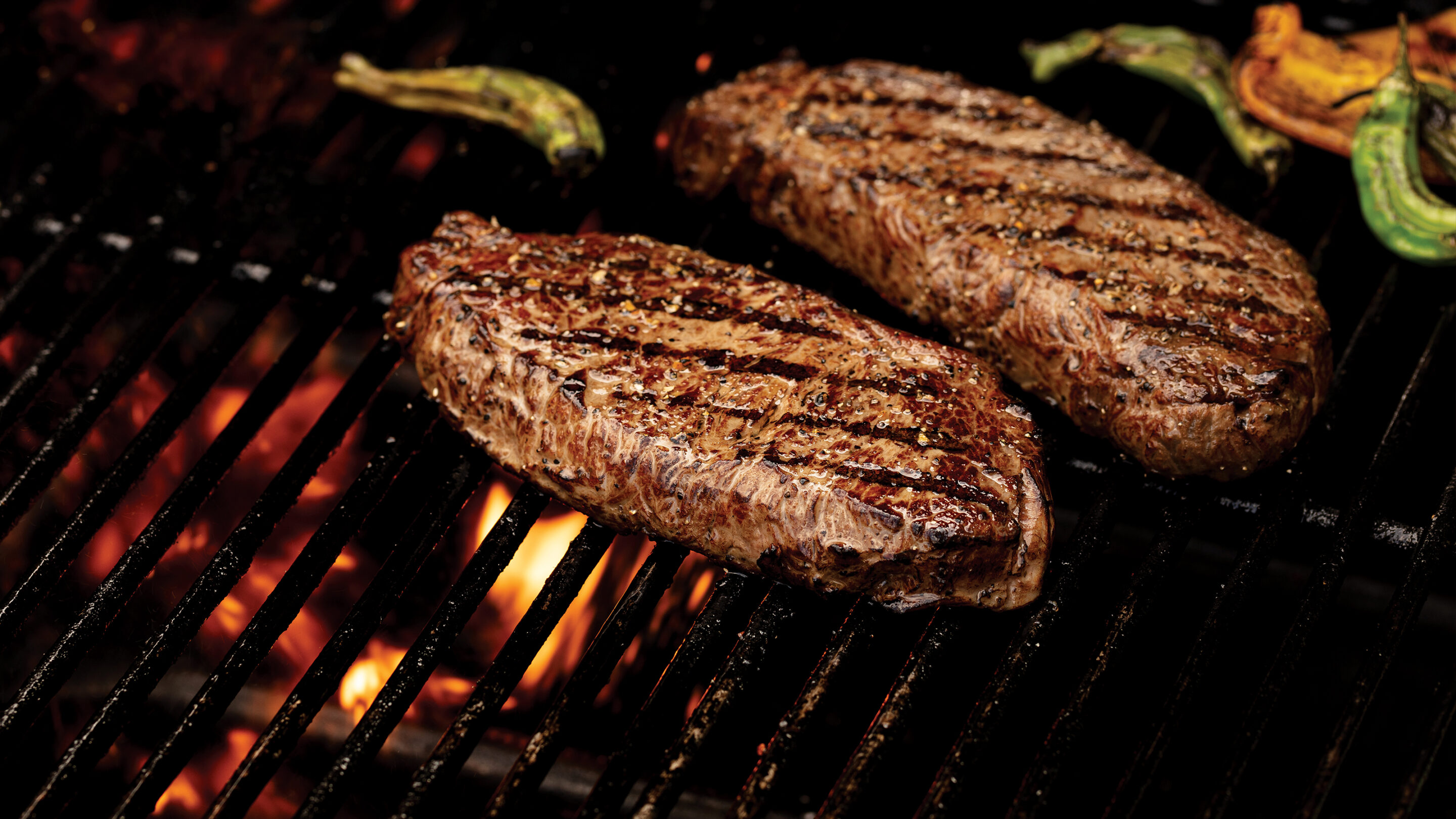
A good sear locks in juices and creates that delicious crust. Pat the steak dry before grilling to prevent steaming. Place the steak on the hottest part of the grill and don’t move it for 2–3 minutes. Flip once for best results.
Key mistake to avoid: Pressing down on the steak with a spatula squeezes out juices, making the meat dry.
Flipping: Once Or Often?
There’s a myth that you should only flip steak once. In reality, flipping more often (every 30–60 seconds) can help cook the steak more evenly and prevent burning. Try both methods and see which you prefer.
Using A Meat Thermometer
Guessing doneness by touch is difficult for beginners. A digital meat thermometer gives accurate results.
Here’s a temperature guide for steak doneness:
| Doneness | Internal Temp (°F) | Internal Temp (°C) | Color |
|---|---|---|---|
| Rare | 120–125 | 49–52 | Cool red center |
| Medium Rare | 130–135 | 54–57 | Warm red center |
| Medium | 140–145 | 60–63 | Pink center |
| Medium Well | 150–155 | 66–68 | Slightly pink |
| Well Done | 160+ | 71+ | Brown throughout |
Remove the steak from the grill when it’s about 5°F (3°C) below your target temperature—the heat will continue to cook the meat as it rests.
Timing And Doneness
Cooking time depends on steak thickness, grill temperature, and desired doneness. Here are some average times for 1-inch thick steaks over high heat:
- Rare: 4–5 minutes total (2–2.5 minutes per side)
- Medium Rare: 6–7 minutes total (3–3.5 minutes per side)
- Medium: 8–9 minutes total (4–4.5 minutes per side)
- Well Done: 10–12 minutes total (5–6 minutes per side)
Remember, these are only guidelines—use a thermometer for best accuracy.
Expert tip: Rest your steak for at least 5–10 minutes after grilling. This lets the juices redistribute, making the steak juicier.
Resting And Slicing
Resting is the secret many home cooks miss. When steak comes off the grill, juices are pushed toward the center by the heat. If you cut it right away, those juices run out onto your plate. Let the steak rest, loosely tented with foil, for 5–10 minutes.
Slicing Steak
How you slice matters, especially for cuts like flank and skirt. Always slice against the grain (the direction of muscle fibers) for a more tender bite.
:max_bytes(150000):strip_icc()/__opt__aboutcom__coeus__resources__content_migration__serious_eats__seriouseats.com__recipes__images__2016__06__20110516-cowboy-steak-kenji-lopez-alt-bb4a825bd05b4e91b7672bc1603043a8.jpg)
Common Mistakes And How To Avoid Them
Even experienced grillers can make mistakes. Here are the most common and how to avoid them:
- Grilling Cold Steak: Meat straight from the fridge cooks unevenly.
- Skipping Preheat: Not heating the grill enough means poor sear and sticking.
- Using Too Much Marinade: Excess marinade can burn or mask flavor.
- Not Patting Dry: Wet steak steams instead of searing.
- Pressing on Steak: This squeezes out precious juices.
- Not Using a Thermometer: Guesswork leads to overcooked or undercooked steak.
- Cutting Too Soon: Skipping the rest period makes steak dry.
- Ignoring Grill Zones: Not using two-zone cooking risks burning thick steaks.
- Overcrowding the Grill: Too many steaks at once drop the temperature.
- Neglecting Grill Maintenance: Dirty grates can ruin flavor and cause sticking.
Advanced Tips For Next-level Steak
If you’re comfortable with the basics, try these expert-level techniques:
Reverse Searing
Instead of searing first, cook steak gently over low, indirect heat until nearly done, then sear at the end over high heat. This gives more even doneness and a great crust.
Compound Butter
Top your steak with compound butter (butter mixed with herbs, garlic, or blue cheese) right after grilling for extra richness.
Resting On A Wire Rack
Rest steak on a wire rack instead of a plate. This keeps the crust crisp, as air circulates underneath.
Smoking On The Grill
Add a handful of soaked wood chips to your charcoal or in a smoker box on a gas grill for a smoky flavor boost.
Serving And Pairing
Great steak deserves great sides and sauces. Classic options include baked potatoes, grilled asparagus, corn on the cob, or a simple salad. For sauces, try chimichurri, béarnaise, or a red wine reduction.
For drinks, full-bodied red wines like Cabernet Sauvignon or Malbec pair well. Beer lovers might enjoy a rich stout or IPA.
Safety And Health Tips
Grilling is fun, but food safety matters. Here’s what to keep in mind:
- Always use a clean plate and utensils for cooked steak—don’t reuse those used for raw meat.
- Wash hands after handling raw steak.
- If you use a marinade, do not use leftover marinade as a sauce unless you boil it first.
Stat: The USDA recommends cooking beef to at least 145°F (63°C) for safety, but many steak lovers prefer lower temperatures for better texture and flavor. Use your own judgment, but be mindful if serving children, elderly, or immune-compromised guests.
:max_bytes(150000):strip_icc()/how-to-grill-perfect-steak-221648_FINAL-f8c035c9558a4b90ba97a84ef5c89c7c.png)
Frequently Asked Questions
How Do I Get Perfect Grill Marks On My Steak?
To get distinct grill marks, make sure your grill is preheated and the grates are clean and oiled. Place the steak at a 45-degree angle to the grates, don’t move it for 2–3 minutes, then rotate 90 degrees for crosshatch marks. Flip and repeat on the other side.
What’s The Best Way To Tell If My Steak Is Done Without A Thermometer?
While a meat thermometer is most accurate, you can use the “finger test” to estimate doneness. Press the base of your thumb and compare the firmness to the steak. However, this method can be unreliable for beginners, so a thermometer is better.
Should I Grill Steak With The Lid Open Or Closed?
For thin steaks, grill with the lid open for better control and to avoid overcooking. For thicker steaks or when finishing over indirect heat, close the lid to create an oven-like effect and cook the steak through.
Can I Grill Frozen Steak?
You can grill steak from frozen, but it’s harder to get an even cook and a good crust. If you must, use lower heat at first, then finish with a quick sear. For best results, thaw steak in the refrigerator overnight before grilling.
What’s The Best Oil For Grilling Steak?
Use a high smoke point oil like canola, vegetable, or grapeseed oil to oil the grill grates. Avoid olive oil or butter, as they can burn at high heat. Brush the oil on the grates, not directly on the steak.
Grilling steak is a skill that anyone can learn with practice and patience. The keys are simple: start with a good cut, use the right seasoning, master your grill, and don’t rush the process. Every grill and steak is a little different, so take notes on what works best for you. Before long, you’ll be serving up steaks that rival those at your favorite steakhouse. For more in-depth grilling science, check out AmazingRibs. Happy grilling!

