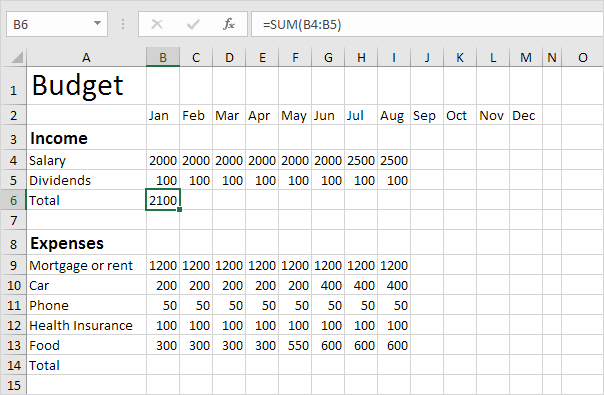
Creating a budget can feel intimidating, especially if you’ve never tracked your money before. But building a budget is one of the most powerful steps you can take for your financial health. When you know exactly where your money goes, you get control and peace of mind.
A budget lets you spend confidently, save for goals, and avoid unwanted surprises. Even if you don’t like math or spreadsheets, you can build a budget that works for you. In this guide, you’ll learn simple, step-by-step instructions to create a budget from scratch, plus tips to keep it working for you month after month.

36% off Today’s Exclusive Deals
Limited-time Exclusive Deals. Check current discount on Amazon.
Check Price on Amazon As an Amazon Associate I earn from qualifying purchases.Why Budgeting Matters
Many people think of a budget as a limitation, but it’s really a tool for freedom. When you have a budget, you decide where your money goes instead of wondering where it went. According to a 2023 survey by the National Foundation for Credit Counseling, only 41% of Americans use a budget. Yet, those who do are far less likely to overspend or struggle with debt.
A good budget helps you:
- Avoid debt by spending only what you have
- Prepare for emergencies with a safety net
- Reach financial goals like buying a home or traveling
- Reduce stress about money
Without a budget, it’s easy to lose track of expenses. Small purchases add up quickly, and it’s common to spend more than you realize. A budget gives you a clear picture, so you can make smarter choices.
Understanding Your Income
Before you can plan your spending, you need to know exactly how much money you have coming in. This is your net income—the amount you actually receive after taxes and deductions.
What Counts As Income?
Include all sources, such as:
- Salary or wages (after taxes)
- Freelance or side jobs
- Child support or alimony
- Government benefits (like Social Security)
- Investment income (interest, dividends)
If your income changes from month to month (for example, if you work hourly or freelance), use an average of the last 3–6 months. Always use net income, not gross, since that reflects what you can actually spend.
Example Of Net Income Calculation
Suppose you earn $3,000 per month after taxes at your main job and $400 from side gigs. Your total monthly income is $3,400.
Tracking Your Expenses
Knowing where your money goes is the heart of budgeting. Most people underestimate how much they spend, especially on small or occasional purchases.
Fixed Vs. Variable Expenses
- Fixed expenses: These stay the same each month, like rent, car payment, or insurance.
- Variable expenses: These change from month to month, such as groceries, utilities, or entertainment.
Common Expense Categories
Break your spending into categories to see patterns. Here are some typical ones:
- Housing: Rent or mortgage, property taxes
- Utilities: Electricity, water, gas, internet
- Food: Groceries, eating out
- Transportation: Fuel, public transit, car maintenance
- Insurance: Health, auto, renters
- Debt payments: Credit cards, student loans
- Personal: Clothing, haircuts
- Entertainment: Movies, streaming, hobbies
- Savings and investments
- Miscellaneous: Gifts, donations
Methods To Track Expenses
There are several ways to track your spending. You can use a notebook, a simple spreadsheet, or budgeting apps. Here’s a quick comparison:
| Method | Pros | Cons |
|---|---|---|
| Notebook | Simple, low-tech | Manual entry, easy to forget |
| Spreadsheet | Customizable, free | Requires computer skills |
| Budgeting App | Automated, tracks all accounts | May cost money, privacy concerns |
For at least one month, track every purchase, no matter how small. You might be surprised at how much you spend on things like coffee or snacks.
Setting Realistic Financial Goals
A budget isn’t just about controlling spending; it’s also about reaching your financial goals. These can be short-term or long-term.
Types Of Goals
- Short-term goals: Save for a vacation, pay off a small debt, build a $1,000 emergency fund.
- Long-term goals: Buy a house, fund retirement, pay off student loans.
Be specific about what you want and when you want to achieve it. For example, “Save $5,000 for a new car in two years. ”
Smart Goals
Use the SMART method to make your goals stronger:
- Specific: What exactly do you want?
- Measurable: How will you track progress?
- Achievable: Is it realistic?
- Relevant: Does it fit your life?
- Time-bound: When will you reach it?
An example: “I will save $200 per month for 12 months to build a $2,400 emergency fund.”
Building Your First Budget
Now that you know your income, expenses, and goals, it’s time to put it all together.
Step 1: List Your Income And Expenses
Start by writing down your total monthly income and all your expenses, divided into categories.
Suppose your income is $3,400 per month. Your expenses might look like this:
| Category | Amount |
|---|---|
| Rent | $1,000 |
| Utilities | $200 |
| Groceries | $350 |
| Transportation | $150 |
| Insurance | $120 |
| Debt Payments | $250 |
| Entertainment | $100 |
| Personal | $80 |
| Savings | $200 |
| Miscellaneous | $100 |
Total Expenses: $2,550
Step 2: Compare Income And Expenses
Subtract your total expenses from your income.
$3,400 (income) – $2,550 (expenses) = $850 Left
If you have money left, you can use it to increase savings, pay debt faster, or treat yourself. If your expenses are higher than your income, you’ll need to adjust.
Step 3: Adjust As Needed
If you spend more than you earn, look for expenses to cut or reduce. Some ideas:
- Eat out less often
- Cancel unused subscriptions
- Shop for cheaper insurance
- Use public transport
If you have extra money, consider boosting your emergency fund, increasing retirement contributions, or paying off debt.
Choosing A Budgeting Method
There’s no single “best” way to budget. The best method is the one you’ll stick with. Here are some popular approaches:
The 50/30/20 Rule
This simple rule divides your after-tax income into three categories:
- 50% needs (housing, food, utilities)
- 30% wants (dining out, hobbies)
- 20% savings and debt repayment
Example: If You Earn $3,000 Per Month
- Needs: $1,500
- Wants: $900
- Savings/debt: $600
This method is great for beginners because it’s easy to remember.
Zero-based Budget
With a zero-based budget, every dollar has a job. You plan where every dollar will go until nothing is left unassigned.
If your income is $3,400, you allocate all $3,400 to categories—expenses, savings, and debt. At the end, the balance should be zero.
This method gives you maximum control and is good for people with variable incomes.
Envelope System
This is a cash-based method. You divide your money into physical envelopes for each category. When an envelope is empty, you stop spending in that area.
For example, you put $300 in a “groceries” envelope. Once it’s gone, you wait until next month.
This method helps control impulse spending, but is less practical for online payments.
Digital Budgeting Tools
Apps like Mint, You Need a Budget (YNAB), or EveryDollar can automate much of the process. They connect to your bank and track spending for you. Some are free; others charge a fee. Digital tools can help if you prefer automation or dislike manual tracking.
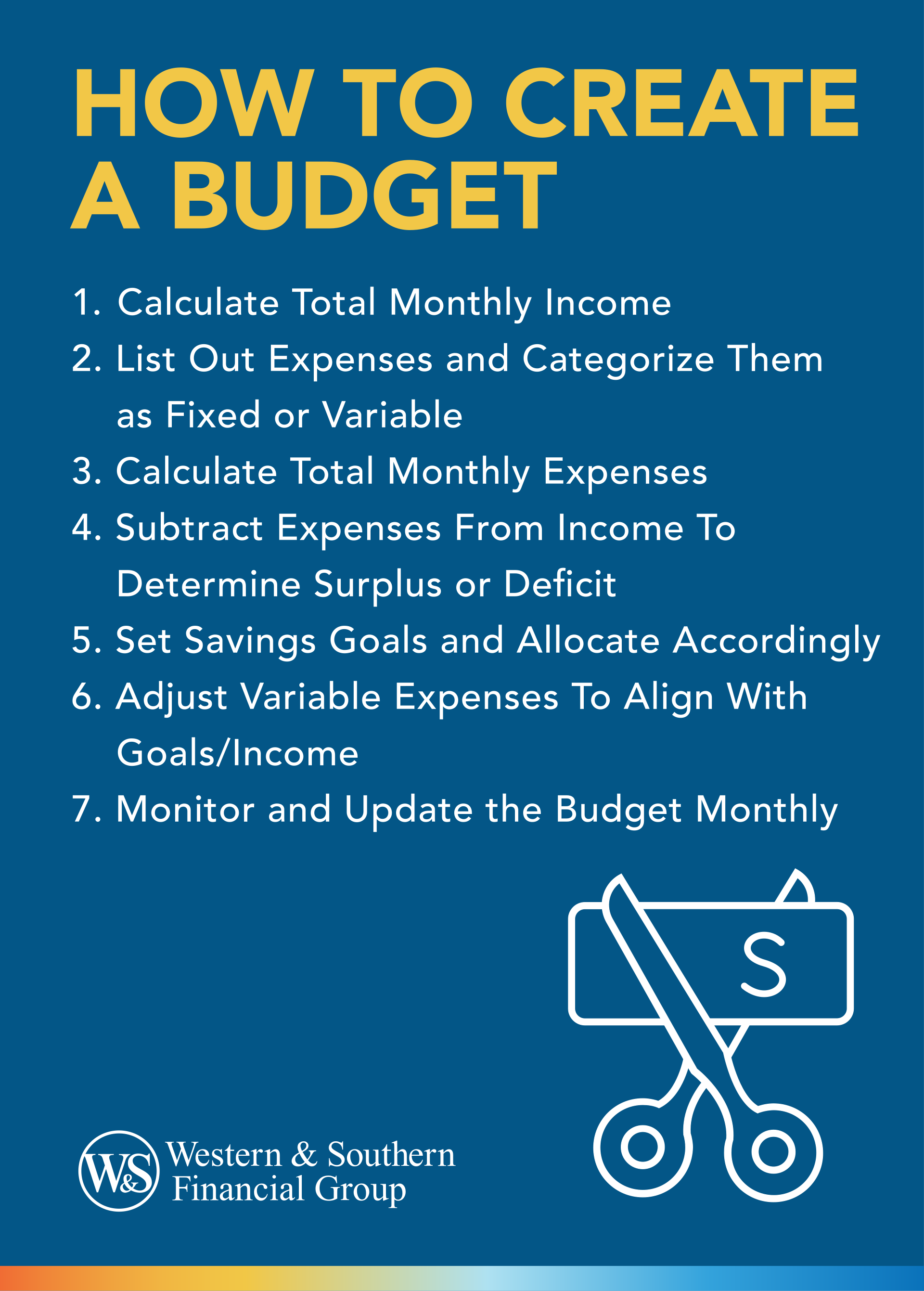
Comparing Budgeting Methods
To help you choose, here’s a quick side-by-side comparison:
| Method | Best For | Ease of Use | Control Level |
|---|---|---|---|
| 50/30/20 Rule | Beginners | Very Easy | Moderate |
| Zero-Based Budget | Detailed planners | Moderate | High |
| Envelope System | Impulse spenders | Easy (with cash) | Very High |
| Budgeting Apps | Tech-friendly users | Easy | High |
Tips To Stick To Your Budget
Making a budget is the first step, but following it is often the hardest part. Here are some practical tips to help you stay on track:
- Review your budget weekly. Small check-ins help you catch problems early.
- Automate savings. Set up direct deposit to your savings account.
- Set reminders. Use your phone to remind you of bill due dates or spending limits.
- Reward yourself. If you reach a savings goal, treat yourself within reason.
- Be flexible. Life changes—adjust your budget when needed.
Two Non-obvious Insights
- Budgeting gets easier over time. The first few months may feel tough, but as you learn your true spending habits, making adjustments becomes much simpler.
- Tracking “irregular” expenses is crucial. Don’t forget about expenses that happen only once or twice a year, like car registration or holiday gifts. Divide these by 12 and add them to your monthly budget.
Handling Irregular Income
If your income changes each month, budgeting is still possible—just a bit different. Here’s what you can do:
- Calculate your lowest average income from the past 6–12 months. Use this number for your budget.
- List expenses in priority order. Cover essentials (housing, food) first.
- Save extra income in good months to cover leaner months.
This approach helps you avoid overspending when you have a good month and prepares you for times with less work.
Dealing With Budgeting Challenges
Everyone faces budget challenges from time to time. Here’s how to handle some of the most common problems:
Overspending
If you overspend in one category, try to cut back in another. For example, if you spend too much on dining out, reduce spending on entertainment that month.
Unexpected Expenses
Build an emergency fund to cover sudden costs like car repairs or medical bills. Even $500 can make a big difference.
Budget Fatigue
Some people get tired of budgeting and give up. Make your budget realistic, not too strict. Allow some money for fun so you don’t feel deprived.
Reviewing And Updating Your Budget
Your budget isn’t set in stone. Review it every month and make changes as needed. Your income, bills, and goals will change over time.
- Check for new expenses (like a higher rent or insurance bill)
- See if you can increase savings as you pay off debt
- Adjust for life changes (like a new job, moving, or a new family member)
Regular updates keep your budget useful and help you reach your goals faster.
The Psychological Side Of Budgeting
Budgeting isn’t just about numbers—it’s about your relationship with money. Some people feel anxious or guilty about spending. Others avoid looking at their finances altogether.
Recognize your feelings about money. It’s normal to feel uncomfortable at first. But facing your finances head-on is the only way to make positive changes.
A useful trick is to focus on progress, not perfection. If you overspend one month, don’t give up. Learn from it and try again.

Teaching Family Members About Budgeting
If you share money with a partner or family, budgeting is a team effort. Here’s how to get everyone on board:
- Have regular money talks. Discuss goals, expenses, and any concerns.
- Divide responsibilities. One person can track bills, another can monitor savings.
- Involve kids. Teach children simple budgeting by giving them a small allowance to manage.
The more open you are, the fewer surprises you’ll face.
Budgeting For Special Occasions And Holidays
Special occasions can break a budget if you’re not careful. Plan ahead for things like birthdays, holidays, and vacations.
- Estimate total cost (gifts, travel, food)
- Divide by 12 to save monthly
- Look for deals on gifts or travel
- Set limits on spending for each occasion
This approach helps you enjoy celebrations without financial stress.
Budgeting Resources And Tools
Many free and paid resources can help you budget:
- Spreadsheets: Google Sheets offers free templates
- Apps: Mint, YNAB, PocketGuard
- Financial counseling: Nonprofit agencies can help with debt or detailed plans
For more in-depth advice, check out Consumer Financial Protection Bureau.
Frequently Asked Questions
How Often Should I Update My Budget?
You should review and update your budget at least once a month, or whenever you experience a major change in income or expenses. Regular updates keep your budget accurate and useful.
What If I Don’t Have Enough Money For Savings?
Start with any amount, even if it’s just $10 a month. The key is to build the habit. Over time, look for small expenses you can cut to increase your savings.
How Do I Budget With A Partner?
Combine your incomes and expenses, then set shared goals together. Be open about spending and make time for regular budget check-ins to avoid misunderstandings.
What Should I Do If I Overspend?
Don’t panic. Look for areas to cut back for the rest of the month to balance your budget. Learn from the experience and adjust your spending habits or budget categories if needed.
Are There Free Tools To Help Me Budget?
Yes. Google Sheets and Microsoft Excel offer free templates, and apps like Mint are free to use. Choose the tool that fits your comfort level and lifestyle.
Creating a budget takes time and effort, but the rewards are lasting. You gain clarity, control, and confidence with your money. Start small, stay flexible, and remember that progress is more important than perfection. Your future self will thank you for taking this step.