

Getting a passport can open many doors—literally and figuratively. With a valid passport, you can travel internationally, prove your identity, and sometimes even access government services. But for many people, the process feels confusing or overwhelming. If you’re applying for the first time, renewing an old passport, or helping a family member, understanding each step helps you avoid mistakes and delays.
This guide will walk you through the entire process, highlight common errors, and answer the most frequent questions about how to get a passport, wherever you are in the world.

36% off Today’s Exclusive Deals
Limited-time Exclusive Deals. Check current discount on Amazon.
Check Price on Amazon As an Amazon Associate I earn from qualifying purchases.What Is A Passport And Why Do You Need One?
A passport is an official document issued by your government. It confirms your identity and citizenship and lets you travel to other countries. When you cross a border, you show your passport to prove who you are and where you’re from.
You need a passport for:
- International travel: Almost every country requires a valid passport for entry and exit.
- Proof of citizenship: Some banks, jobs, or legal situations ask for a passport as strong ID.
- Emergencies: If you must leave your country quickly (for work, medical, or family reasons), having a passport ready can save days or weeks.
Some travelers don’t realize that entry rules change often. Even if you have a passport, some countries ask for visas, health documents, or extra proof of funds. Start with your passport, and always check the destination’s rules before booking a trip.
Types Of Passports
Governments often offer more than one kind of passport. The right type depends on your plans and your status.
| Type | Who Can Apply | Main Use |
|---|---|---|
| Ordinary (Regular) Passport | Most citizens | General travel |
| Diplomatic Passport | Government officials, diplomats | Official missions, diplomatic work |
| Official/Service Passport | Government employees on duty | Official assignments, not for vacation |
| Emergency Passport | Citizens abroad without a passport | Return travel to home country |
| Child Passport | Minors (age varies by country) | Travel by children |
Most people need only the ordinary passport. Check your country’s passport office if you are a dual citizen, a minor, or an official traveler. Some countries also have special rules for refugees or stateless people.
Who Can Apply For A Passport?
To get a passport, you must:
- Be a citizen or national of the issuing country
- Prove your identity and citizenship
- Meet age requirements (e.g., under 16 may need a parent present)
For first-time applicants, you cannot use a copy of someone else’s passport or a national ID alone. You’ll need original documents.
In some countries, you cannot apply if you are under legal penalty (for example, if you have a court ban or are wanted for a crime). Always check your local laws.
The Step-by-step Passport Application Process
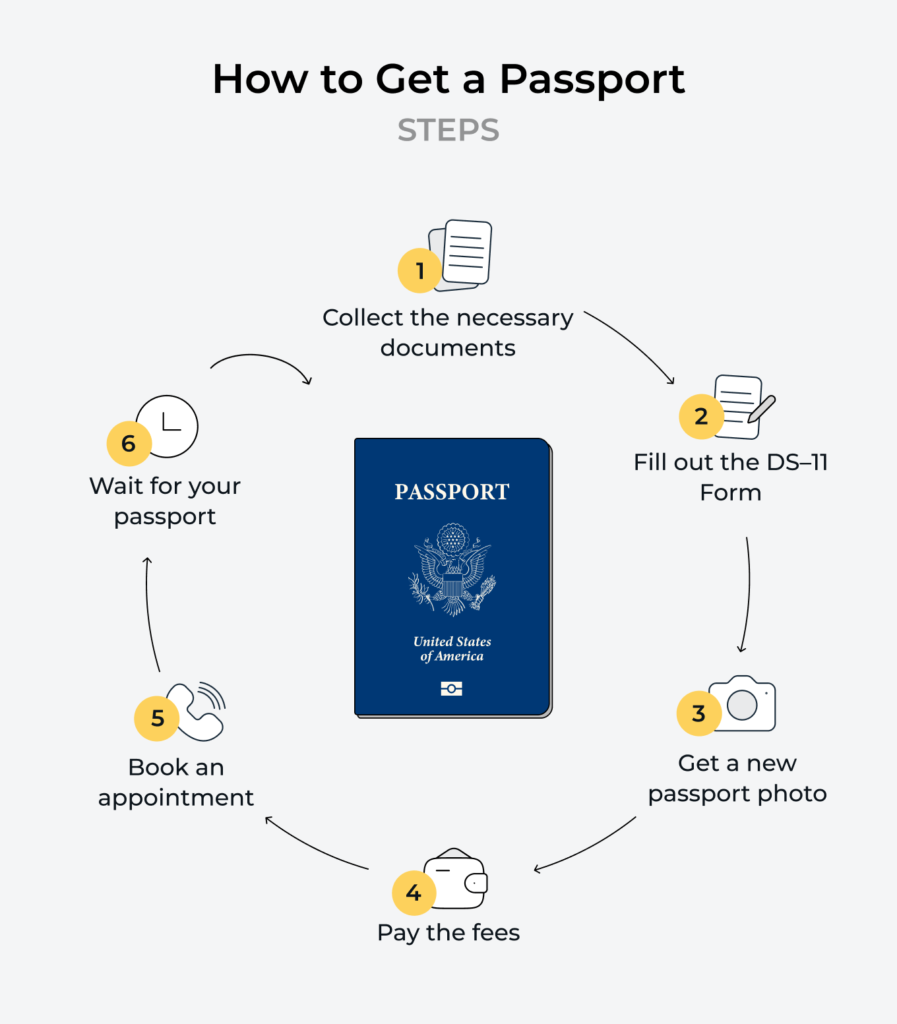
Getting a passport involves several steps. Missing any step can delay your passport by weeks or months. Below are the key stages.
1. Prepare Your Documents
Before you visit a passport office or start an online application, gather the right paperwork. Common requirements include:
- Proof of citizenship (birth certificate, naturalization certificate)
- Government-issued photo ID (driver’s license, national ID)
- Passport photos (specific size, background, and format)
- Application form (filled out but not signed until in front of an officer)
- Parental consent documents (for minors)
- Previous passport (if renewing)
Each country may have unique rules. For example, some accept only original birth certificates, while others want certified copies. In the US, a social security number is also needed.
Non-obvious insight: Double-check document translations. If your documents are not in the official language, you may need certified translations—this is a common reason for rejection.
2. Get Your Passport Photos
Passport photos must meet strict rules. Usually, you need:
- Recent photo (taken within 6 months)
- White or light background
- Full face, no smile, eyes open
- No hats, glasses (unless for medical reasons)
Photo size matters, too. For example, the US requires 2×2 inch photos, while the UK asks for 45mm x 35mm. Most rejections happen because photos are too old, the background is not plain, or the face is covered.
Tip: Use a professional passport photo service. Smartphone photos often fail official checks.
3. Complete The Application Form
Most governments now offer online forms. You can also print forms and fill them by hand (use black ink, write clearly).
- Do not sign the form until told—some offices require you to sign in front of a passport officer.
- Answer every question. Leaving blanks can cause delays.
Some countries have different forms for first-time applicants, renewals, and lost passports. Make sure you have the correct one.
4. Pay The Application Fee
Passport fees vary by country, type (adult, child, expedited), and how quickly you need the passport.
Here’s a comparison of passport fees for different countries:
| Country | Adult (10-year) Passport Fee | Child Passport Fee | Expedited Service |
|---|---|---|---|
| United States | $130 | $100 | +$60 |
| United Kingdom | £82.50 | £53.50 | +£35 |
| Canada | CAD 160 | CAD 57 | +CAD 110 |
| Australia | AUD 325 | AUD 164 | +AUD 225 |
Some countries allow you to pay by credit card, money order, or bank transfer. Cash is less common. Keep your payment receipt—some embassies ask for it as proof.
Non-obvious insight: Fee waivers or reductions may exist for low-income applicants, students, or people under special programs. Always ask.
5. Submit Your Application
Depending on your country, you may:
- Submit online (upload scans, mail original documents later)
- Visit a passport office in person (common for first-timers)
- Apply by mail (usually only for renewals)
If applying in person, bring all documents and photos. Some countries require appointments, and walk-in options are rare, especially since the pandemic.
Example: In the US, first-time applicants must go in person to an authorized acceptance facility (like a post office or courthouse).
For children, both parents often need to be present, or you’ll need a notarized consent letter from the absent parent.
6. Wait For Processing
Processing time depends on:
- Application method (online is often faster)
- Season (more delays during holidays or travel peaks)
- Country’s system
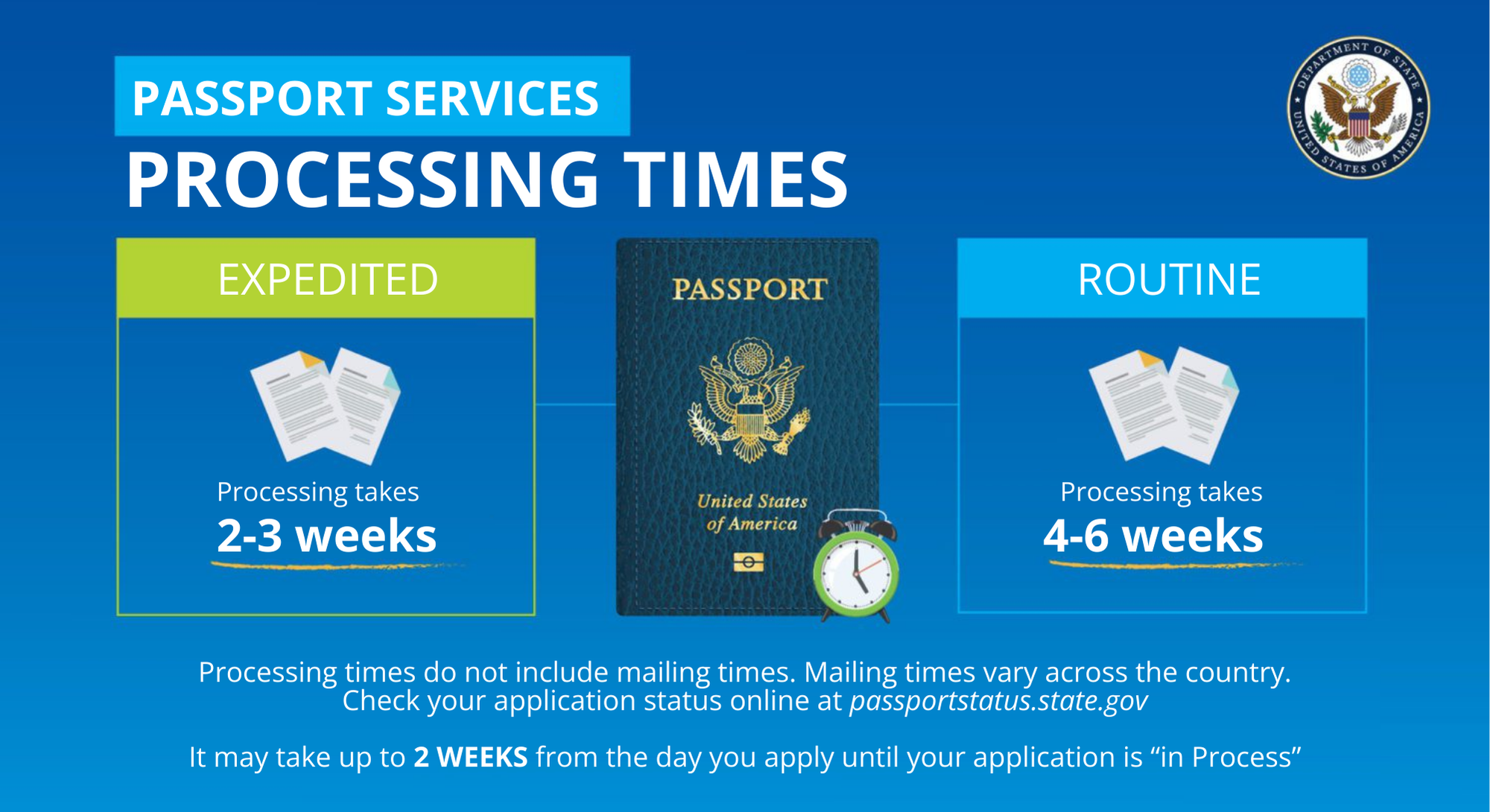
Average times:
- Standard: 3–10 weeks
- Expedited: 1–3 weeks (extra fee)
- Emergency: 1–5 days (for urgent cases)
Some countries offer tracking services so you can check your passport status online.
Tip: Apply well in advance, especially if you plan to travel during busy seasons.
7. Receive Your Passport
You’ll usually receive your passport by mail or pick it up in person. Check that all information is correct (name, date of birth, photo, passport number).
If there are mistakes, contact the passport office immediately. Do not travel with a passport that has errors.
Practical advice: Sign your passport right away (if required), and keep it in a safe place. Some countries will not accept an unsigned passport.
Passport Renewal: When And How
Passports are not valid forever. Most adult passports last 5 or 10 years; children’s passports are often valid for 5 years or less.
Why renew early?
- Many countries require at least 6 months’ validity to enter.
- Some airlines won’t let you board if your passport expires soon.
How to renew:
- Fill out the renewal form (usually simpler than a new application).
- Include your old passport.
- Provide new photos.
- Pay the renewal fee.
- Submit by mail or in person.
Common mistake: Waiting until the last month to renew. Always check your passport’s expiry date before booking travel.
Special Situations: Lost, Stolen, Or Damaged Passports
If your passport is lost, stolen, or damaged:
- Report it immediately to the passport office and local police (if abroad).
- Complete a special lost/stolen passport form.
- Gather extra ID and proof of citizenship.
- Expect stricter checks and possible delays.
If you are abroad, contact your country’s embassy or consulate for an emergency passport.
Important: Traveling with a damaged passport (torn pages, water damage, missing cover) can lead to border refusal—even if the information is readable.
Passports For Children And Minors
Applying for a child’s passport involves extra steps:
- Both parents or legal guardians usually must consent.
- Bring the child to the passport office.
- Provide the child’s birth certificate and parents’ IDs.
- Some countries require the child’s fingerprints or a signature.
Child passports are often valid for a shorter period (e. g. , 5 years), and the child must be present for each renewal. Don’t forget, children’s faces change quickly, so recent photos are a must.
Tip: For divorced or separated parents, bring court orders or custody agreements if you travel without the other parent.
Common Mistakes And How To Avoid Them
Many people make errors that slow down the process or result in rejection. Here’s how to avoid the most frequent pitfalls:
- Incorrect photos: Wrong size, background, or facial expression.
- Missing documents: Forgetting proof of citizenship or ID.
- Incomplete forms: Leaving questions blank or signing in the wrong place.
- Last-minute applications: Not allowing enough time for processing.
- Ignoring expiry rules: Not renewing early enough for travel requirements.
- Damaged passports: Presenting a passport with tears, water damage, or missing pages.
- Not checking visa needs: Assuming a passport alone is enough for travel.
Insider tip: Make copies (physical and digital) of your passport and documents. This speeds up replacement if you lose them abroad.
Passport Tracking And Delivery
Most governments now let you track your passport application online. You’ll need your application number or receipt code.
- Online tracking: Enter your code to see status updates.
- Email/SMS alerts: Some offices send notifications when your passport is dispatched.
- Pick-up vs. delivery: Some countries allow you to pick up your passport at the office; others only send by mail.
Example: In the UK, you can track your passport via the official government website. In the US, use the State Department’s online tracker.
Digital Passports And E-passports
A growing number of countries now use e-passports (electronic passports). These include a chip that stores your photo and biometric data (such as fingerprints).
- Easier border checks: Some airports have e-gates for e-passports.
- More secure: Harder to forge or alter.
- Global standard: Over 100 countries now issue e-passports.
Check the cover of your passport for a small chip symbol. If you still have an old, non-biometric passport, consider upgrading at your next renewal.
How To Store And Protect Your Passport
Passports are valuable documents. Losing one abroad can mean canceled trips, extra costs, or even legal trouble.
Best practices:
- Keep your passport in a safe, dry place at home.
- Use a protective cover when traveling.
- Carry a photocopy or digital scan separately (not in the same bag as your real passport).
- Do not lend your passport to anyone.
- Beware of scams abroad—never hand your passport to unofficial agents.
Extra tip: Some hotels ask to hold your passport at check-in. Offer a photocopy instead, or ask if you can show the passport and keep it with you.
Passport Expiry And Travel Restrictions
Even with a valid passport, some countries have strict rules:
- 6-month rule: Many countries require your passport to be valid for at least 6 months after your entry date.
- Blank pages: Some require 1–2 blank pages for entry and exit stamps.
- Visa requirements: Your passport must have room for new visas, if needed.
If your passport is close to expiry, renew it before booking international travel.
Example: Countries like China, Thailand, and Brazil enforce the 6-month rule strictly.
What To Do If Your Passport Application Is Denied
Sometimes, applications are refused. Common reasons include:
- Incomplete or incorrect information
- Unpaid fees
- Legal issues (e.g., unpaid child support, criminal records)
- Mismatched documents (names not matching, missing translations)
If denied:
- Read the official letter for reasons.
- Correct the errors and reapply.
- Seek help from the passport office or a legal advisor if you believe the denial was a mistake.
Pro tip: Always keep copies of everything you submit. This speeds up corrections.
International Passport Rules And Differences
Passport rules are similar worldwide, but there are important differences:
- Some countries allow dual citizenship, others do not.
- Validity periods differ (e.g., 10 years for adults in the US, 5 in many other places).
- Application methods: Some countries require all applicants to appear in person; others allow by mail or online.
- Fee levels: Vary widely; some countries subsidize passports for students or low-income groups.
For the latest rules, check your government’s official website or consult US Department of State for trusted information.
Frequently Asked Questions
What Should I Do If My Passport Is Lost Or Stolen Abroad?
Contact your country’s embassy or consulate immediately. They will help you report the loss, cancel the stolen passport, and issue an emergency travel document for your return. Bring any available ID, police report, and passport copies.
How Long Does It Usually Take To Get A Passport?
Standard processing times range from 3 to 10 weeks, depending on your country and season. Expedited services can take 1 to 3 weeks, but always apply as early as possible to avoid stress.
Can I Renew My Passport If It Is Already Expired?
Yes, in most countries you can renew an expired passport, but you may need to provide extra documents or go in person if it has been expired for a long time. Check local rules for any limits.
Do Babies And Children Need Their Own Passports?
Yes, every traveler, including newborns, needs their own passport for international travel. Child passports require extra documents and parental consent.
Is It Safe To Send My Original Documents By Mail?
In most countries, it is safe if you use tracked or registered mail. Always keep photocopies and consider using the fastest, most secure delivery option available.
—
A passport is more than just a travel document—it is your ticket to the world and proof of your identity. The process may seem complex at first, but with careful preparation, attention to detail, and awareness of common pitfalls, you can avoid most problems.
Start early, follow each step, and double-check your documents. That way, when the time comes, you’ll be ready to travel, study, or work abroad without delays or surprises.

