

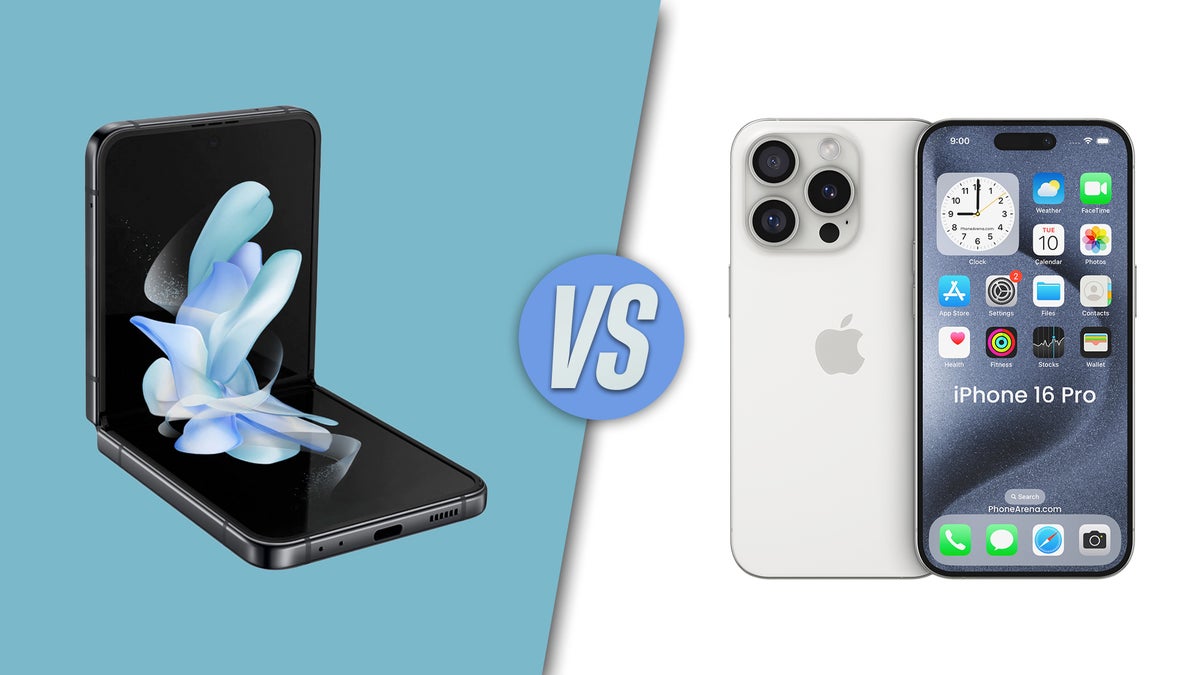
Smartphone fans love comparing the newest devices from top brands. This year, two big names are grabbing attention: the Samsung Galaxy Z Flip 7 and the iPhone 16 Pro. Each phone offers bold design, advanced hardware, and features meant to change how you use your device. But which one is the better choice for you? In this guide, we’ll break down every key area that matters, from design to camera, so you can make a smart decision. Whether you care about style, speed, or battery life, you’ll find clear answers here. Let’s explore these two flagship phones side by side.
Design And Build Quality
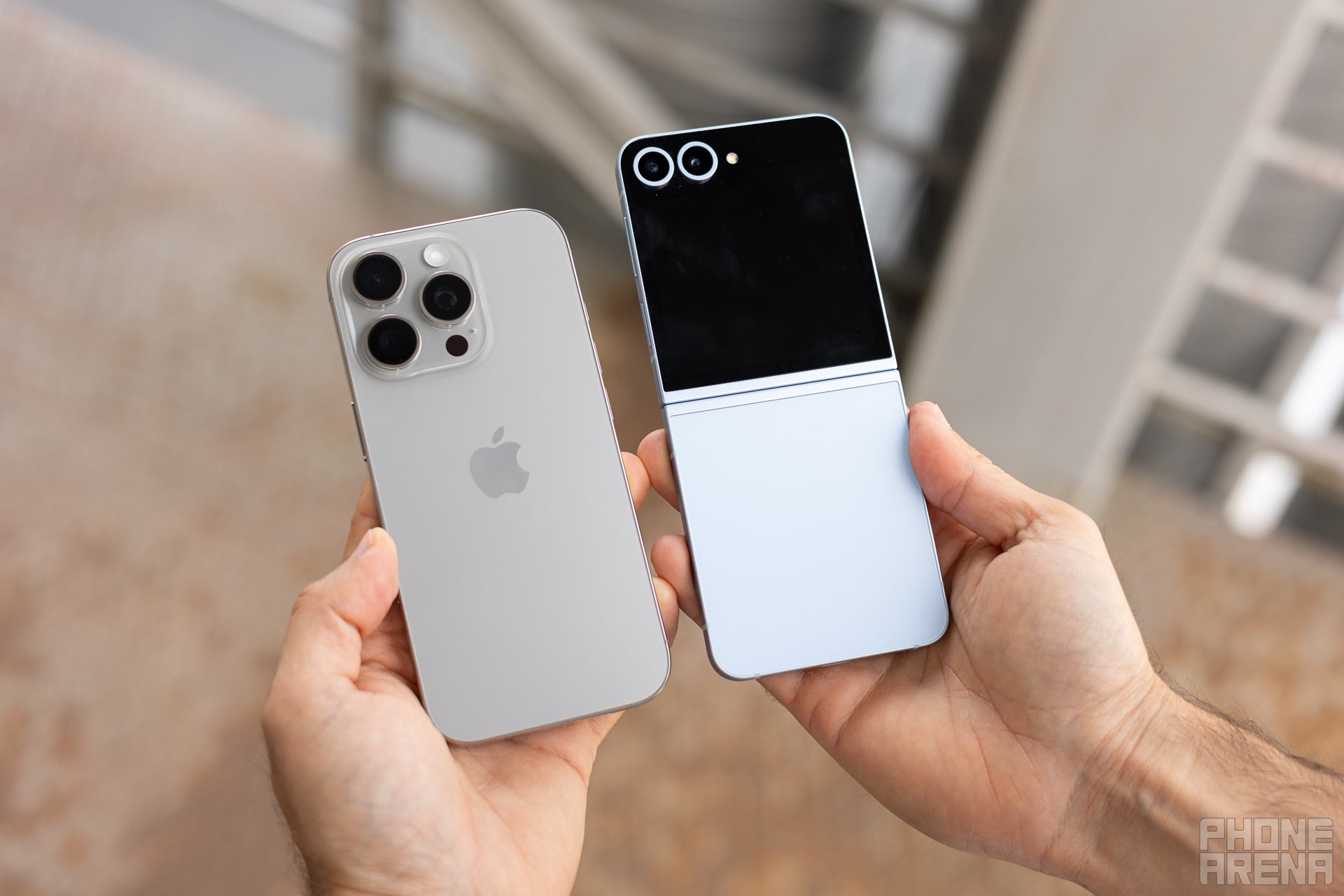
When you first see these phones, their style stands out. The Samsung Galaxy Z Flip 7 continues Samsung’s tradition of foldable phones. Its compact clamshell design folds into a small square that fits easily in your pocket or purse. Unfolded, it becomes a full-size smartphone with a 6.7-inch Dynamic AMOLED display. The hinge feels strong, and Samsung says it can survive over 400,000 folds. Gorilla Glass Victus 2 covers both the front and back, making it tough against drops and scratches.

36% off Today’s Exclusive Deals
Limited-time Exclusive Deals. Check current discount on Amazon.
Check Price on Amazon As an Amazon Associate I earn from qualifying purchases.In contrast, the iPhone 16 Pro sticks to Apple’s classic slab style, but with a few upgrades. It features a 6.1-inch Super Retina XDR display, a titanium frame, and Ceramic Shield glass. The phone feels solid, with flat edges and a premium finish. Apple has improved the water resistance to IP68, so it can handle splashes and quick dips. The new “Action Button” replaces the mute switch, letting you customize shortcuts for apps or features.
One non-obvious difference: the Z Flip 7’s folding design makes it easier to carry, but it can attract more dust in the hinge. Many users don’t realize that foldable phones need extra care to keep the hinge clean. The iPhone’s single-piece build is less likely to have issues with dust or debris.
Display Technology
The display is often where users notice the biggest differences. The Galaxy Z Flip 7 offers a flexible 6.7-inch Dynamic AMOLED screen with 120Hz refresh rate. Colors look vibrant, blacks are deep, and the high refresh rate makes scrolling smooth. Outside, there’s a 3.4-inch cover display for quick notifications, widgets, or selfies. This small screen is a big help—you can check messages or control music without opening the phone.
The iPhone 16 Pro uses a 6.1-inch Super Retina XDR OLED display with 120Hz ProMotion. It’s bright, sharp, and supports HDR10 and Dolby Vision. Apple’s True Tone adjusts color temperature based on your surroundings, giving you a comfortable view at all times.
Here’s a quick display comparison:
| Feature | Galaxy Z Flip 7 | iPhone 16 Pro |
|---|---|---|
| Main Display Size | 6.7-inch | 6.1-inch |
| Cover Display | 3.4-inch | None |
| Refresh Rate | 120Hz | 120Hz |
| Display Tech | Dynamic AMOLED | Super Retina XDR OLED |
| Max Brightness | 1800 nits | 2000 nits |
One insight many people miss: the cover display on the Flip 7 isn’t just for style—it helps save battery because you don’t always need to open the phone for quick tasks.
Performance And Hardware
Both phones are fast, but their approaches are different. The Galaxy Z Flip 7 uses the Snapdragon 8 Gen 3 chip (in most regions), 12GB RAM, and up to 512GB storage. The chip is built for high speed and low power use. Everyday tasks, gaming, and multitasking feel smooth. Samsung’s One UI 6.1 runs on Android 14, giving you lots of customization.
The iPhone 16 Pro features Apple’s new A18 Pro chip, which is even faster than last year’s A17. It has 8GB RAM and storage options from 128GB up to 1TB. Apple’s chips are known for fast performance and efficient battery use. iOS 18 is optimized for the hardware, making everything from app launches to video editing quick.
In benchmarks, the iPhone usually wins in raw speed, but the Flip 7 holds its own in real-world use. Heavy games, video editing, and multitasking work well on both. However, the iPhone’s chip is more efficient, which means it stays cooler during long gaming sessions.
Here’s a hardware comparison:
| Feature | Galaxy Z Flip 7 | iPhone 16 Pro |
|---|---|---|
| Processor | Snapdragon 8 Gen 3 | A18 Pro |
| RAM | 12GB | 8GB |
| Storage | Up to 512GB | Up to 1TB |
| Operating System | Android 14 (One UI 6.1) | iOS 18 |
A tip for buyers: the Flip 7’s extra RAM helps with multitasking, especially if you use split-screen or floating windows—a feature Android users often enjoy.
Camera Capabilities
Photography is a big deal for many users. The Galaxy Z Flip 7 has a dual rear camera: a 50MP main sensor and a 12MP ultra-wide lens. The main camera uses larger pixels for better low-light shots. The cover screen lets you take selfies with the main camera, which produces higher-quality photos than the usual front camera. Video recording reaches up to 8K at 30fps, with good stabilization.
The iPhone 16 Pro has a triple camera setup: a 48MP main sensor, 12MP ultra-wide, and 12MP telephoto with 5x optical zoom. Apple’s Photonic Engine improves detail and color. Night mode, Deep Fusion, and ProRAW are included. The front camera is 12MP and supports 4K video.
Camera comparison:
| Feature | Galaxy Z Flip 7 | iPhone 16 Pro |
|---|---|---|
| Main Camera | 50MP | 48MP |
| Ultra-wide | 12MP | 12MP |
| Telephoto | None | 12MP (5x zoom) |
| Video | 8K@30fps | 4K@60fps |
| Front Camera | 10MP | 12MP |
An insight many overlook: the Flip 7’s ability to use the main camera for selfies (thanks to its folding design) gives much sharper and more detailed self-portraits than most front cameras. The iPhone’s telephoto lens is great for zoom shots, but the Flip 7’s flexibility with angles is unique.
Battery Life And Charging
Battery is a concern for everyone. The Galaxy Z Flip 7 has a 3,800mAh battery, which is similar to last year’s model. It supports 45W fast charging, wireless charging, and reverse wireless charging (charging other devices). With normal use, the battery lasts about a day, but heavy folding and cover screen use can drain it faster.
The iPhone 16 Pro uses a 3,300mAh battery, but Apple’s software and chip make it last longer than numbers suggest. With typical use, you can get 1.5 days on a single charge. It supports 27W wired charging and MagSafe wireless charging.
Charging speeds:
- Galaxy Z Flip 7: 0% to 100% in about 60 minutes (wired)
- IPhone 16 Pro: 0% to 100% in about 80 minutes (wired)
A non-obvious tip: the Flip 7’s reverse wireless charging is handy for charging earbuds or another phone, but it works slowly. The iPhone’s MagSafe lets you use special accessories like wallets and mounts, adding convenience for daily use.
Software Experience
Software can change how you use your phone. The Galaxy Z Flip 7 runs Android 14 with Samsung’s One UI 6.1. This adds features like Flex Mode, which splits apps between the top and bottom when the phone is partially folded. You can watch videos on one half and control settings on the other. Samsung promises four years of major updates and five years of security patches.
The iPhone 16 Pro uses iOS 18, known for stability and smooth performance. Apple adds new privacy controls, improved widgets, and smarter Siri. The Action Button can be customized for tasks like opening the camera or turning on the flashlight. Apple offers five years of updates, so your phone stays current longer.
Android allows more customization than iOS. You can change launchers, icons, and settings. Apple’s system is simpler, but less flexible. One UI’s Flex Mode is unique to foldables—it lets you use apps in creative ways, which most buyers don’t realize until they try it.
Connectivity And Extra Features
Modern phones offer many extra features. The Galaxy Z Flip 7 has 5G, Wi-Fi 7, Bluetooth 5.3, NFC, and USB-C. It includes Samsung DeX, which lets you use your phone like a computer on a monitor. There’s a fingerprint sensor on the side and facial recognition for unlocking.
The iPhone 16 Pro features 5G, Wi-Fi 7, Bluetooth 5.3, NFC, and Apple’s new Ultra Wideband 2 chip for precise location tracking. It uses USB-C for charging (a first for iPhones), Face ID for secure unlocking, and includes satellite emergency messaging.
Extra features comparison:
- Flip 7: Samsung DeX, Flex Mode, reverse wireless charging, cover screen widgets
- IPhone 16 Pro: Action Button, MagSafe, satellite messaging, Ultra Wideband 2
A tip: the Flip 7’s cover screen widgets make daily tasks fast and easy, while the iPhone’s Ultra Wideband helps find lost devices more accurately.
Price And Value
Price is often the final deciding factor. The Galaxy Z Flip 7 starts at $1,099 for the base model (256GB), and goes up to $1,299 for 512GB. Samsung often offers trade-in deals or bundles with accessories.
The iPhone 16 Pro starts at $999 for 128GB, $1,099 for 256GB, and up to $1,399 for 1TB. Apple rarely discounts new models, but trade-in programs are available.
Here’s a quick price comparison:
| Model | Base Price | Top Price |
|---|---|---|
| Galaxy Z Flip 7 | $1,099 (256GB) | $1,299 (512GB) |
| iPhone 16 Pro | $999 (128GB) | $1,399 (1TB) |
Value depends on your needs. The Flip 7 is great for people who want a unique design and flexible use. The iPhone is ideal for those who prefer stable performance, long updates, and easy integration with other Apple products.
Durability And Repairability
Durability is important, especially for expensive phones. The Galaxy Z Flip 7 uses Gorilla Glass Victus 2 and a strong hinge. Samsung claims it’s tested for 400,000 folds. However, foldable screens are more fragile than flat screens. The hinge can attract dust, which may affect performance over time. Repairing the hinge or screen is expensive, and Samsung has improved the process but still recommends professional service.
The iPhone 16 Pro has a titanium frame and Ceramic Shield glass. It’s tougher than past models and survives drops better. Apple’s phone is easier to repair, with more service centers worldwide. Battery replacement and screen repairs cost less compared to the Flip 7.
A practical insight: foldable phones need more care. If you drop the Flip 7 while it’s open, damage is more likely. iPhones are more forgiving in daily accidents, and repairs are usually faster and cheaper.
Security And Privacy
Security matters more as phones handle sensitive data. The Galaxy Z Flip 7 offers a side fingerprint sensor, facial recognition, and Samsung Knox for secure storage. Knox is trusted by businesses for protecting data. Samsung updates security patches for five years.
The iPhone 16 Pro uses Face ID and secure enclave hardware. Apple is known for strict privacy controls—apps ask for permission before accessing data, and iOS 18 adds new privacy settings for location and photos. Apple’s hardware and software are tightly integrated, making it harder for hackers to access your info.
One tip: the Flip 7’s fingerprint sensor is faster for quick unlock, while Face ID works well even in darkness. Apple’s privacy is a big plus for people who want full control over their data.
Ecosystem And Accessories
Both phones fit into bigger ecosystems. The Galaxy Z Flip 7 connects easily with Galaxy Buds, Galaxy Watch, and Samsung SmartThings. DeX lets you turn your phone into a desktop, and Samsung’s Smart View makes sharing content easy.
The iPhone 16 Pro works with AirPods, Apple Watch, iPads, and Macs. Features like AirDrop, Handoff, and Universal Clipboard make moving data simple. MagSafe accessories attach easily, from wallets to chargers.
A practical insight: if you already use Samsung or Apple devices, staying in the same ecosystem makes life easier. Features like AirDrop or SmartThings save time and effort.
User Experience And Daily Use
Day-to-day use matters most. The Galaxy Z Flip 7 is fun and flexible—fold it for selfies, use Flex Mode for watching videos, or check quick notifications on the cover screen. It’s easy to carry and stands out in public.
The iPhone 16 Pro is reliable and consistent. Apps run smoothly, and the Action Button adds shortcuts for favorite features. It’s less flashy, but you get fast performance and strong battery life.
One overlooked point: foldables like the Flip 7 are more likely to attract attention and questions from friends. If you want something unique, the Flip 7 is a conversation starter. The iPhone is more understated but trusted for business and daily tasks.

Which Should You Choose?
Choosing between the Samsung Galaxy Z Flip 7 and iPhone 16 Pro comes down to your priorities:
- If you want a unique style, flexible use, and Android customization, the Flip 7 is a great choice.
- If you prefer stable performance, long updates, and a strong ecosystem, the iPhone 16 Pro is ideal.
Think about what matters most: design, camera, battery, software, or price. Each phone has strengths and weaknesses, but both are top choices for 2024. For more technical details, check GSMArena.
Frequently Asked Questions
Is The Galaxy Z Flip 7’s Hinge Durable For Daily Use?
Yes, Samsung says the hinge is tested for over 400,000 folds. It’s strong and lasts for years, but you should avoid dust and water for best results. Regular cleaning helps keep it smooth.
Does The Iphone 16 Pro Support Usb-c Charging?
Yes, for the first time, the iPhone 16 Pro uses USB-C. This means faster charging and easier use with other devices. You can charge with the same cable as many laptops and Android phones.
Which Phone Is Better For Photography?
Both are strong, but the iPhone 16 Pro has a triple camera with optical zoom and advanced software. The Galaxy Z Flip 7 stands out with its main camera selfies and creative angles using Flex Mode. Choose based on your style and needs.
How Long Will Software Updates Last For Each Phone?
Samsung promises four years of major updates and five years of security patches for the Flip 7. Apple offers five years of updates for the iPhone 16 Pro, keeping your phone current longer.
Is The Galaxy Z Flip 7 Harder To Repair Than The Iphone 16 Pro?
Yes, foldable phones like the Flip 7 are more complex to repair. The hinge and screen are fragile and expensive to fix. The iPhone 16 Pro is easier and cheaper to repair at Apple service centers.
Smartphones keep getting smarter, but your choice depends on what matters most for your daily life. Both phones are excellent, but knowing their strengths helps you pick the best fit.

