

Becoming an influencer may look simple from the outside—post a few photos, share your life, and wait for followers to appear. But if you dig deeper, you’ll see that the journey is more like building a small business. It requires strategy, consistency, and a real understanding of your audience.
Whether you want to grow a following on Instagram, YouTube, TikTok, or another platform, becoming an influencer can open doors to exciting opportunities, partnerships, and even a new career path.

36% off Today’s Exclusive Deals
Limited-time Exclusive Deals. Check current discount on Amazon.
Check Price on Amazon As an Amazon Associate I earn from qualifying purchases.But how do you actually start? What steps matter most? If you want to know how to become an influencer, you need more than just a smartphone and a few selfies. This guide will walk you through every stage—finding your niche, building your brand, creating content, and growing your audience—with practical advice, real-world examples, and tips you won’t find in most articles.
Let’s dive in and discover how you can turn your passion into influence.
Understanding The Influencer Landscape
Before you start, it’s important to know what an influencer is and what the landscape looks like today. An influencer is someone with the power to affect the buying habits or opinions of others because of their authority, knowledge, position, or relationship with their audience.
The influencer world is diverse. You don’t need millions of followers to be successful. In fact, micro-influencers (with 10,000–100,000 followers) often have higher engagement rates and more loyal audiences than big celebrities. Brands are noticing this and working more with smaller creators.
Types Of Influencers
Influencers come in different shapes and sizes. Here are the main types:
- Mega-influencers: Over 1 million followers; usually celebrities or well-known personalities.
- Macro-influencers: 100,000 to 1 million followers; established content creators.
- Micro-influencers: 10,000 to 100,000 followers; strong niche focus, high engagement.
- Nano-influencers: 1,000 to 10,000 followers; small but highly engaged communities.
Platform Choices
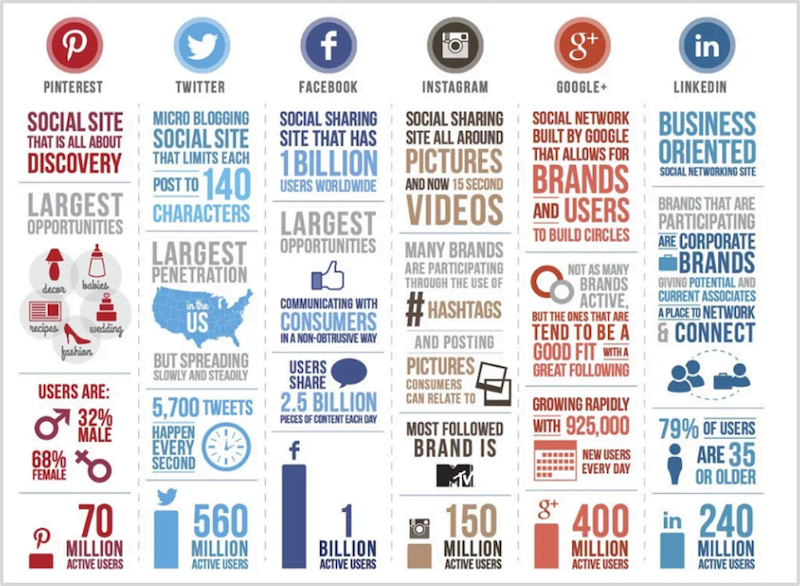
You can become an influencer on any major social platform. The best platform for you depends on your content style and audience:
| Platform | Best For | Content Type | Audience Size Potential |
|---|---|---|---|
| Fashion, Beauty, Lifestyle | Images, Stories, Reels | High | |
| YouTube | Education, Vlogs, Tutorials | Long Videos | Very High |
| TikTok | Trends, Comedy, Music | Short Videos | High |
| Twitter (X) | News, Opinions | Text, Short Videos | Medium |
| Wider Age Groups | Images, Videos, Text | High | |
| DIY, Crafts, Inspiration | Images, Boards | Medium |
If you’re just starting, focus on one or two platforms where your target audience spends time.
Finding Your Niche And Voice
Your niche is your focus area—the topic, style, or community you want to serve. This is one of the most important choices you’ll make as an aspiring influencer. If you choose too broad a niche, your content may get lost.
Too narrow, and you might not find enough people interested.
How To Choose Your Niche
- Identify your passions: What do you love talking about or doing?
- Check your expertise: Do you have skills or knowledge others value?
- Research demand: Are people searching for this topic? Are there active communities?
- Analyze competition: Are there already many influencers in this space? If yes, what can you do differently?
For example, instead of just “fitness,” you might focus on “home workouts for busy parents” or “plant-based muscle building. ” A clear niche helps attract a loyal audience and sets you apart.
Developing Your Unique Voice
Your voice is how you communicate. Are you funny, serious, inspiring, or educational? Your voice should match both your personality and your audience’s expectations. Consistency in your voice builds trust and recognition.

Building A Strong Personal Brand
As an influencer, you are your own brand. A strong personal brand means people know what you stand for and what to expect from you.
Elements Of A Personal Brand
- Profile photo: Use a clear, high-quality image.
- Bio: Describe who you are, what you do, and why people should follow you.
- Visual style: Pick consistent colors, fonts, and themes for your content.
- Content pillars: These are 2–4 main topics you post about regularly.
A personal brand is more than just looks. It’s your values, story, and how you make your audience feel.
Example: Personal Brand Comparison
| Element | Strong Brand Example | Weak Brand Example |
|---|---|---|
| Profile Photo | Bright, smiling, eye contact | Dark, blurry, hard to see face |
| Bio | “Helping busy moms get fit at home” | “Just sharing random stuff” |
| Visual Style | Consistent colors and filters | Random colors, no theme |
| Content Pillars | Fitness tips, meal prep, motivation | Unrelated topics every post |
Creating High-value Content
High-quality, valuable content is the core of influencer success. Your content should educate, entertain, or inspire your audience. It’s not about you; it’s about what your audience gains.
Content Types
- Photos and Images: Well-lit, relevant, and visually appealing.
- Short Videos: Reels, TikToks, Shorts—quick, engaging, easy to consume.
- Long Videos: Tutorials, vlogs, reviews—more in-depth, builds authority.
- Stories/Lives: Real-time, personal, builds connection.
- Text Posts: Tips, personal stories, opinions.
Creating Content That Stands Out
- Solve real problems: What does your audience need help with?
- Share personal stories: Authenticity connects.
- Follow trends with a twist: Use trends, but add your unique angle.
- Use high-quality visuals: Invest time in editing and presentation.
A common mistake is copying others too closely. Inspiration is good, but direct copying hurts your growth. Find ways to add your own perspective, experience, or humor.
Posting Frequency
Posting regularly helps you stay top of mind. Most successful influencers post at least 3–5 times per week, sometimes daily. But quality always beats quantity.
Growing And Engaging Your Audience
Your content is only effective if people see it. Audience growth takes time and effort, but there are proven strategies to speed things up.
Building Your Community
- Reply to comments and messages: Show followers you care.
- Ask questions: Encourage interaction.
- Host live sessions: Talk directly to your audience.
- Collaborate with others: Appear on each other’s content to reach new people.
Using Hashtags And Tags
Hashtags help new people discover you. Use a mix of broad (#fitness) and niche (#homeworkoutmoms) tags. Tagging brands, locations, or other creators can also increase visibility.
Leveraging Analytics
Every platform offers analytics. Check which posts get more likes, shares, comments, or saves. Look for patterns—what topics, formats, or posting times work best?
The Power Of Consistency
One of the biggest beginner mistakes is giving up too soon. Growth often starts slow, but consistent posting, engagement, and improvement lead to results. Many influencers see slow growth for months before things take off.
Networking And Collaborating
Influencer growth is not a solo journey. Building relationships with other creators, brands, and even your audience can accelerate your progress.
Collaborations
Collaborations introduce you to new audiences. This can be as simple as a joint live session, a shoutout, or creating content together.
- Choose partners with similar values and audiences.
- Be clear about goals: Is it for fun, growth, or a specific campaign?
Attending Events
Offline and online events (like webinars, meetups, or conferences) are great for networking. You can learn from others, get inspired, and form partnerships.
Supporting Others
Regularly support others in your niche. Comment on their posts, share their content, or give genuine compliments. This often leads to them supporting you in return.
Monetizing Your Influence
Once you have an engaged following, you can start earning money. But remember, monetization comes after you’ve built trust—not before.
Main Revenue Streams
- Sponsored posts: Brands pay you to promote their products.
- Affiliate marketing: You earn a commission for sales through your links.
- Selling your own products: Ebooks, courses, merchandise, or services.
- Ad revenue: Platforms like YouTube or TikTok pay for views (after you meet requirements).
- Brand ambassador roles: Long-term partnerships with brands.
Negotiating Deals
Always be clear about your rates, deliverables, and timelines. Beginners often undercharge. Research what others in your niche with similar audience sizes are charging.
Staying Authentic
Never recommend products you don’t believe in. Your audience’s trust is your most valuable asset. One bad partnership can damage your reputation.
Handling Challenges And Staying Motivated
Every influencer faces challenges—slow growth, negative comments, or creative blocks. Here’s how to handle them.
Dealing With Criticism
Not everyone will like you or your content. Learn to separate useful feedback from hate. Engage with constructive criticism, but ignore trolls.
Managing Burnout
Posting regularly can feel exhausting. Plan content in advance, take breaks, and don’t compare your journey to others. Remember why you started.
Staying Up To Date
Social platforms change quickly. Follow industry news, take online courses, and watch what top influencers are doing. Adapt and experiment with new features.
Handling Platform Changes
Sometimes, algorithms change and your reach drops. This happens to everyone. Focus on building an email list or blog as a backup. That way, you don’t depend only on one platform.
Legal And Ethical Considerations
With influence comes responsibility. Influencers must follow rules and act ethically to keep their reputation and avoid legal trouble.
Disclosure
When you’re paid to promote something, most countries require you to disclose it. Use tags like #ad or #sponsored clearly.
Copyright
Only use content (music, images, videos) you own or have permission for. Copyright strikes can remove your content or even your account.
Protecting Privacy
Think carefully before sharing private information—yours or others. Once it’s online, it’s hard to remove.
Influencer Success Stories
Learning from others can motivate and guide you. Here are a few real-world examples:
- Charli D’Amelio started posting simple dance videos on TikTok in 2019 and quickly became one of the most-followed influencers worldwide, proving that authenticity and consistency matter more than fancy equipment.
- Dr. Mike Varshavski (Doctor Mike) combined medical knowledge with a relatable style on YouTube and Instagram. He built trust by simplifying health information and showing his personality.
- Tabitha Brown shared vegan recipes and positive messages on TikTok. Her warm, supportive style helped her land brand deals, a book, and TV appearances.
These stories show that you don’t need celebrity status to start—you need commitment, creativity, and your unique voice.
Common Mistakes To Avoid
Many beginners repeat the same mistakes, slowing their growth. Learn from these pitfalls:
- Chasing trends without adding value: Trends can boost reach but won’t build a loyal audience unless you offer something extra.
- Buying followers: Fake followers hurt engagement and damage your reputation.
- Ignoring analytics: Without tracking, you won’t know what works.
- Lack of focus: Posting about everything confuses your audience.
- Neglecting engagement: Influencing is a two-way street—build relationships.
Tools And Resources For Influencers
You don’t have to do everything manually. Many tools can save you time and improve your results.
Content Creation
- Canva: For designing images and graphics.
- CapCut/InShot: Easy video editing apps.
- Lightroom: Professional photo editing.
Analytics
- Instagram Insights/TikTok Analytics/YouTube Studio: Built-in analytics for each platform.
- Google Analytics: For blog or website tracking.
Scheduling
- Buffer/Hootsuite: Schedule posts in advance.
- Later: Visual Instagram planner.
Community Management
- ManyChat: Automate replies in Messenger.
- Sprout Social: Manage comments and messages across platforms.
For more resources and updates on social media marketing, visit the Influencer Marketing Hub.
Measuring Success As An Influencer
Success isn’t just about follower count. Here are the key metrics that matter:
| Metric | What It Means | Why It Matters |
|---|---|---|
| Engagement Rate | Likes, comments, shares per post, divided by follower count | Shows how active and loyal your audience is |
| Reach | Number of unique people who see your content | Indicates growth and visibility |
| Click-Through Rate (CTR) | How often people click your links | Measures content effectiveness |
| Conversion Rate | How many people take action (buy, sign up, etc.) | Shows real influence over audience decisions |
Tracking these helps you make data-driven decisions and show brands your value.
Frequently Asked Questions
How Many Followers Do I Need To Become An Influencer?
There’s no minimum number. You can start influencing with as few as 1,000–5,000 followers, especially in a focused niche. Brands often work with nano-influencers because of their high engagement and authentic communities.
How Long Does It Take To Become An Influencer?
It varies. Most successful influencers spend 6 months to 2 years building their audience before seeing significant income. Consistency and smart strategies speed up the process.
Can I Become An Influencer Without Showing My Face?
Yes, many influencers use animations, voiceovers, or focus on their work (art, cooking, crafts). Success depends on your content’s value, not just your appearance.
How Do I Approach Brands For Partnerships?
Build a strong profile first. Then, send a clear, professional message explaining who you are, your audience, and how you can help the brand. Include examples of your work and audience stats.
Do I Need Expensive Equipment To Start?
No. Many top influencers started with just a smartphone and free editing apps. As you grow, you can invest in better gear if needed.
Becoming an influencer is a journey that takes dedication, creativity, and a willingness to learn. While the competition is strong, there is space for every unique voice. Focus on serving your audience, stay consistent, and don’t be afraid to try new things.
Remember, influence is not about being famous—it’s about making an impact. Your story could be the next one to inspire others.


