

A faulty thermal expansion valve often causes unstable superheat, reduced cooling, and frozen evaporators.
I have spent over a decade diagnosing and fixing refrigeration and HVAC systems, and thermal expansion valve troubleshooting is one of the most common, yet misunderstood, tasks I handle. This guide breaks down how a thermal expansion valve works, the signs it is failing, step-by-step diagnostic tests, practical repairs, and preventative care. Read on for clear, experience-backed advice that helps you find and fix TXV issues fast and safely.

36% off Today’s Exclusive Deals
Limited-time Exclusive Deals. Check current discount on Amazon.
Check Price on Amazon As an Amazon Associate I earn from qualifying purchases.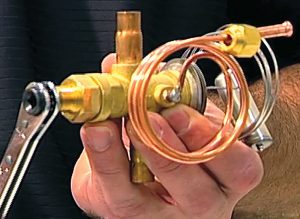
What is a Thermal Expansion Valve?
A thermal expansion valve (TXV) meters refrigerant that enters the evaporator. It controls flow based on bulb sensing and superheat. The TXV keeps the evaporator full but not flooded. Understanding this simple role is the first step in thermal expansion valve troubleshooting.
How a TXV Works
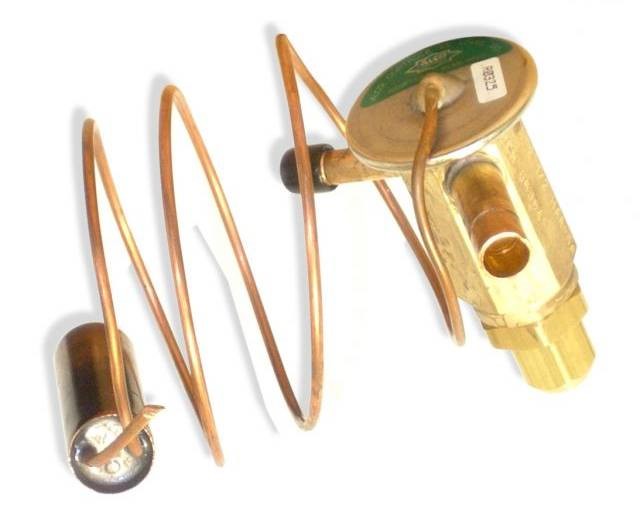
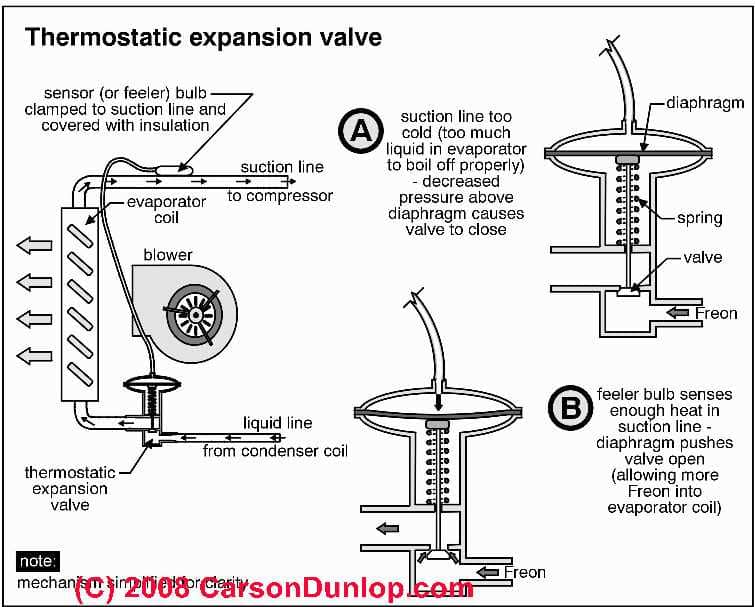
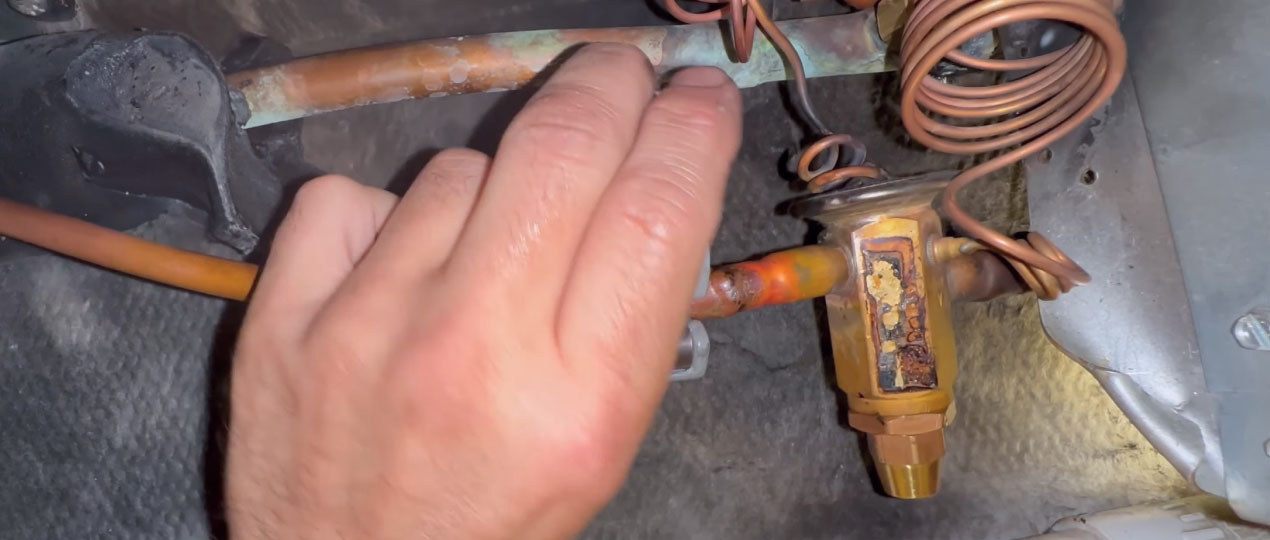
A TXV has three major parts: sensing bulb, diaphragm/valve assembly, and inlet/outlet ports. The sensing bulb reads refrigerant temperature at the evaporator outlet. The valve moves to keep a set superheat by changing refrigerant flow. When the bulb senses higher temperature, the valve opens to add refrigerant. When it senses low temperature, the valve closes to protect the compressor.

Common Symptoms of TXV Problems
Knowing the symptoms helps target thermal expansion valve troubleshooting quickly.
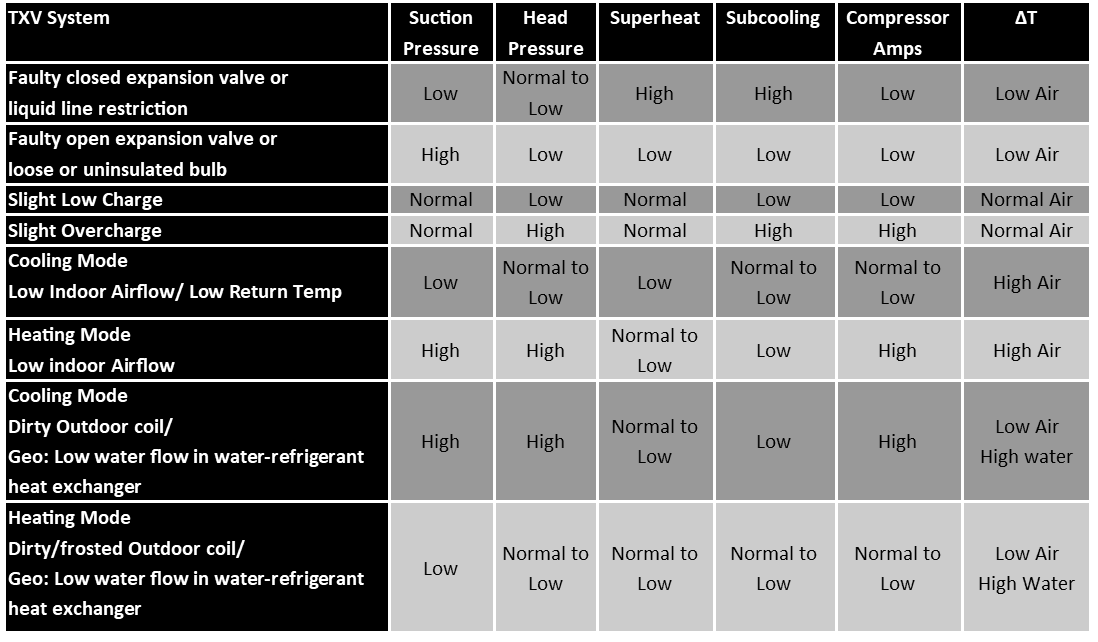
- Uneven or low cooling across the evaporator coil. This points to incorrect refrigerant flow.
- Frozen or iced evaporator coil. Often caused by an overfeeding or stuck-open valve.
- High superheat at the evaporator outlet. Indicates underfeeding or a restricted TXV.
- Liquid slugging or compressor noise. Can occur when the TXV fails open or sticks.
- Rapid short cycling or long run times. These can signal erratic valve action.

Causes of Thermal Expansion Valve Failures
A few things commonly cause TXV trouble. Knowing them speeds diagnosis.
- Sensing bulb misplacement or poor contact. It changes the sensed temperature.
- External equalizer line loss or blockage. This alters pressure balance and valve response.
- Contamination or debris in the valve. Particles can jam the needle or seat.
- Wear, corrosion, or internal spring fatigue. Age degrades metering accuracy.
- Incorrect superheat setting or wrong valve for the system. Sizing errors cause imbalance.
Step-by-Step Thermal Expansion Valve Troubleshooting Guide
Follow this clear process to diagnose most TXV issues safely.
- Safety first
- Power off the unit and follow lockout/tagout for major systems.
- Use gloves and eye protection. Refrigerant can harm skin and eyes.
- Visual inspection
- Check sensing bulb placement and tight contact to the suction line.
- Look for oil streaks, frozen spots, or broken equalizer lines.
- Check system operating pressures and temperatures
- Measure suction and liquid pressures with gauges.
- Record temperatures at the evaporator inlet and outlet. Calculate superheat.
- Superheat test
- Thermal expansion valve troubleshooting focuses on superheat. Typical TXV superheat runs 5–15°F at steady state depending on system.
- High superheat suggests underfeeding. Low or zero superheat suggests overfeeding or stuck-open valve.
- Bulb and equalizer checks
- Ensure bulb insulation and tight clamp. Repositioning a loose bulb often fixes erratic behavior.
- Verify the external equalizer is connected properly and not blocked. A missing equalizer causes false readings on moderate to high pressure drop systems.
- Check for contamination and mechanical movement
- If safe, remove access port and inspect for debris. Use filters or driers to prevent recurrence.
- Gently tap the valve body while operating; a stuck needle may free up, indicating replace rather than repair.
- Bypass and isolate tests
- Temporarily swapping the TXV with a known-good valve or using a fixed orifice can confirm the TXV as the cause.
- Use this only when system downtime and safety permit.
- Decide to repair or replace
- Small repairs like bulb clamp repositioning are quick fixes. Internal damage or contamination usually requires replacement.
- Post-repair verification
- After repair or replacement, evacuate and recharge per system specs.
- Recheck superheat and temperatures under steady load.
From my experience, most calls labeled "bad compressor" actually end with a TXV fix. That single superheat measurement saved me hours on multiple service trips.

Tools and Equipment Needed for Troubleshooting
Having the right tools makes thermal expansion valve troubleshooting accurate and fast.
- Refrigeration gauges and manifold set for pressures.
- Digital thermometers or thermocouples for temperature measurements.
- Infrared thermometer for quick checks.
- Vacuum pump and electronic leak detector for system work.
- Basic tools: wrenches, tubing cutters, and clamp pliers for bulb mounting.
- Accessory parts: replacement TXV, filter-drier, and fittings.
Repair vs Replace — Making the Decision
Deciding whether to repair or replace the valve depends on several factors.
- Age and model: Old or obsolete valves are better replaced.
- Contamination: If the system is dirty, replace TXV and filter-drier and clean the system.
- Cost and downtime: Replacing a TXV is often quicker and more reliable than attempting rebuilds.
- System history: Repeated issues after repair suggest replacement and deeper system cleanup.
I once tried to rebuild a valve on a tight budget. The system failed again within weeks. Replacing the TXV and installing a new drier fixed the problem for good. That taught me to favor replacement for long-term value.

Preventive Maintenance Tips to Avoid TXV Issues
Small checks keep thermal expansion valve troubleshooting to a minimum.
- Inspect sensing bulb and clamp annually for tight contact.
- Replace filter-driers during major service or after a compressor failure.
- Keep the system clean to prevent particles from entering the valve.
- Verify correct charge and system operating conditions seasonally.
- Document superheat and operating readings to spot trends early.
Quick PAA-style Questions
What causes a TXV to ice over?
- Ice often forms when a TXV overfeeds liquid refrigerant or when the sensing bulb is not reading correctly, causing low superheat.
Can I test a TXV without replacing it?
- Yes. Measure superheat, check bulb placement, inspect equalizer lines, and compare pressures to expected values. These tests often reveal valve issues.
How long does a TXV typically last?
- A properly installed TXV can last many years, but life is shortened by contamination, vibration, and poor maintenance.
Frequently Asked Questions of Thermal Expansion Valve Troubleshooting
What is the first thing I should check if I suspect TXV problems?
Always check the sensing bulb placement and contact first. A loose or poorly placed bulb causes many false "TXV failures" and is an easy fix.
How does superheat help diagnose a bad TXV?
Superheat shows how much the refrigerant warms after evaporation. High superheat suggests underfeeding; low superheat suggests overfeeding or stuck-open valve.
Can a clogged filter-drier mimic TXV issues?
Yes. A clogged drier can starve the evaporator or cause pressure drops that make the TXV act incorrectly. Replace driers if contamination is suspected.
Is it safe to tap the TXV to free a stuck needle?
Gentle tapping can reveal a stuck part, but tapping is only a temporary diagnostic step. Do not rely on tapping as a permanent fix and follow safety precautions.
Should I always replace the TXV after a compressor burnout?
It is best practice to replace the TXV and filter-drier after compressor failure. Debris from a failed compressor can damage the valve and cause repeat failures.
How do I know if the external equalizer is needed?
Systems with a significant pressure drop across the evaporator or remote evaporators usually need an external equalizer. Consult system specs, and if the TXV has one, ensure it is connected.
Can charging refrigerant correct a TXV issue?
Proper charge is critical but will not fix a mechanically damaged or contaminated TXV. Correct charge should be verified after fixing valve issues.
Are adjustable TXVs better than fixed ones?
Adjustable TXVs allow fine-tuning of superheat and can be useful during commissioning. Fixed valves are simpler and reliable when sized correctly for the system.
Conclusion
Thermal expansion valve troubleshooting is a skill that saves time, money, and system life. By checking bulb placement, measuring superheat, inspecting equalizer lines, and keeping systems clean, most TXV problems are fixable without major replacements. Take one systematic step at a time, document readings, and choose replacement when contamination or mechanical wear is evident. If you found this guide useful, try the superheat test on your next service call, share your results, or leave a comment to start a discussion.

