

Many people struggle to get a good night’s sleep. You may find yourself tossing and turning, waking up tired, or unable to fall asleep at all. Good sleep is not just about feeling rested. It affects your mood, energy, memory, and even your health over time.
If you want to improve your sleep, you are not alone. Millions of people are searching for answers every night.

36% off Today’s Exclusive Deals
Limited-time Exclusive Deals. Check current discount on Amazon.
Check Price on Amazon As an Amazon Associate I earn from qualifying purchases.The good news is that better sleep is possible. You don’t need expensive gadgets or complicated routines. With the right habits and a bit of knowledge, you can transform your nights. This guide covers what actually works—using science-backed advice, simple steps, and practical examples to help you sleep better.
Let’s explore what really matters and how you can start sleeping well tonight.
Why Sleep Matters More Than You Think
Sleep is not just “time off” for your body. It is a critical part of staying healthy. While you sleep, your body repairs cells, your brain organizes memories, and your immune system gets stronger. If you sleep poorly, you may notice:
- Difficulty concentrating
- Mood swings or irritability
- Weaker immune system
- Increased risk of heart disease and diabetes
Adults need about 7 to 9 hours of sleep each night. Yet, according to the Centers for Disease Control and Prevention, 1 in 3 adults in the United States do not get enough sleep.
Lack of sleep can even make you gain weight. When you are tired, your body produces more ghrelin (the hunger hormone) and less leptin (the hormone that makes you feel full). This mix can lead to overeating and weight gain over time.
Understanding Your Sleep Cycle
To sleep better, it helps to know about your sleep cycle. Your body moves through different stages of sleep each night:
| Stage | Description | Importance |
|---|---|---|
| Light Sleep (NREM 1 & 2) | Easy to wake up, body relaxes, heartbeat slows | Transition to deeper sleep, body starts to repair |
| Deep Sleep (NREM 3) | Hard to wake, body repairs tissues, builds bone/muscle | Physical healing, energy restoration |
| REM Sleep | Dreaming, brain activity increases, memory consolidation | Learning, mood regulation, memory storage |
A full sleep cycle lasts about 90 minutes, and you go through several cycles each night. Missing out on deep or REM sleep is what makes you feel tired, even after many hours in bed.
Creating A Sleep-friendly Environment
Your bedroom has a huge impact on how well you sleep. Small changes can make a big difference.
Make Your Room Dark And Quiet
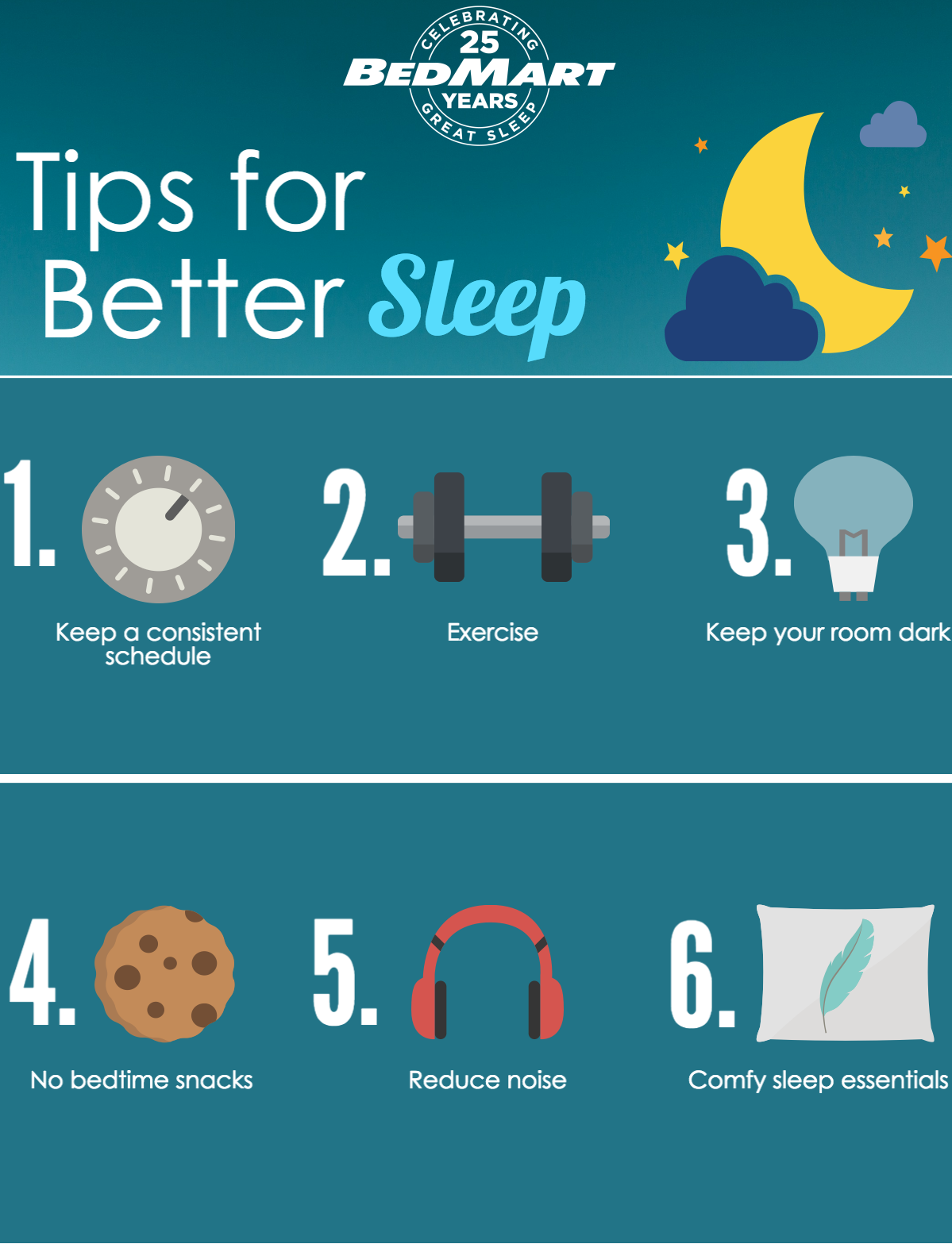
Light tells your brain it is time to be awake. Too much light, even from a phone or a street lamp, can disturb your sleep. Use thick curtains or a sleep mask to block light. If noise is a problem, try earplugs or a white noise machine.
Keep It Cool
Most people sleep best in a room between 60°F and 67°F (15°C to 19°C). If your room is too hot or too cold, you might wake up more often.
Choose The Right Mattress And Pillow
A comfortable bed matters. If your mattress is over 8 years old or you wake up sore, it might be time to replace it. The best mattress depends on your body type and sleeping position. For example, side sleepers usually need a softer mattress, while back sleepers often need more support.
Remove Electronics
Phones, TVs, and computers can keep your brain active. Try to keep these devices out of your bedroom. If you use your phone as an alarm, place it across the room to avoid checking it in bed.
Building A Healthy Sleep Routine
Your body loves routine. Going to bed and waking up at the same time every day helps regulate your circadian rhythm—your internal clock.
Go To Bed At The Same Time Every Night
Even on weekends, try to stick to a consistent bedtime. This helps your body get used to a natural sleep-wake cycle.
Develop A Relaxing Pre-sleep Ritual
Before bed, do something calming. This could be:
- Reading a book
- Gentle stretching or yoga
- Listening to soothing music
- Taking a warm bath
Avoid anything stressful or stimulating, like checking work emails or watching exciting TV shows.
Avoid Long Naps
Short naps (about 20 minutes) can be refreshing. But long naps, especially in the afternoon, can make it harder to fall asleep at night.
What You Eat And Drink Affects Your Sleep
Your eating and drinking habits can either help or harm your sleep.
Limit Caffeine And Nicotine
Caffeine is a stimulant found in coffee, tea, chocolate, and some sodas. Even if you drink it early in the day, it can affect your sleep at night. Nicotine from cigarettes also makes it harder to fall asleep and stay asleep.
Watch Your Alcohol Intake
Alcohol might make you feel sleepy at first, but it disrupts your sleep cycle later in the night. It can also make snoring and sleep apnea worse.
Avoid Heavy Meals Before Bed
Eating a big meal right before bed can cause indigestion and discomfort. Try to finish eating at least 2-3 hours before you go to sleep.
Try Sleep-friendly Foods
Some foods can help your body produce melatonin—a hormone that controls sleep. Examples include:
- Cherries
- Bananas
- Almonds
- Oats
A light snack with these foods can sometimes help you relax before bed.
Managing Stress And Anxiety
Stress is one of the top reasons people struggle to sleep. Worrying about work, health, or relationships keeps your mind active and makes it hard to fall asleep.
Practice Relaxation Techniques
Simple relaxation methods can quiet your mind:
- Deep breathing: Inhale slowly, hold, and exhale. Repeat several times.
- Progressive muscle relaxation: Tense and relax each muscle group in your body, starting from your toes up to your head.
- Mindfulness meditation: Focus on your breathing or a calming word to clear your thoughts.
Write Down Your Worries
If your mind races at night, keep a notebook by your bed. Write down your worries or things to do tomorrow. This can help you let go and relax.
Try Guided Sleep Meditations
There are many free apps and videos that guide you through relaxing meditations designed for sleep. Even a few minutes can help you unwind.
Exercise And Daytime Habits For Better Sleep
Physical activity during the day can help you sleep better at night. Exercise reduces stress, makes you tired in a healthy way, and resets your body clock.
The Best Time To Exercise
Morning or afternoon exercise is ideal. Vigorous workouts just before bed can make it harder to fall asleep. Aim for at least 30 minutes of moderate activity most days.
Get Sunlight During The Day
Natural light helps keep your circadian rhythm in sync. Try to spend time outside each day, especially in the morning. If you can’t get outdoors, open your blinds or sit near a window.
Avoid Sleeping In
Sleeping late on weekends can throw off your sleep schedule. If you need extra rest, try to wake up no more than an hour later than usual.
Technology And Sleep: Finding Balance
Phones, tablets, and TVs can hurt your sleep in ways you might not realize.
The Problem With Blue Light
Screens emit blue light, which stops your body from making melatonin. This makes it harder to feel sleepy. Using screens before bed can delay your sleep by up to an hour.
Simple Solutions
- Turn off screens at least 1 hour before bed
- Use “night mode” or blue light filters on your devices
- Read a paper book instead of an e-book
Smart Devices For Sleep
Some people use smartwatches or sleep apps to track their sleep. These can help you spot patterns, but don’t become obsessed with the numbers. Focus on how rested you feel, not just the data.
Common Sleep Disorders (and What To Do)
If you try all the above and still sleep badly, you might have a sleep disorder. Some common ones include:
| Disorder | Main Symptoms | When to See a Doctor |
|---|---|---|
| Insomnia | Trouble falling or staying asleep | If it lasts more than 3 weeks |
| Sleep Apnea | Loud snoring, choking, feeling tired even after sleep | If you feel extremely sleepy or your partner notices breathing pauses |
| Restless Legs Syndrome | Uncomfortable urge to move legs, especially at night | If symptoms disturb your sleep often |
Most sleep problems can be treated. A doctor may suggest a sleep study or recommend therapy, medication, or lifestyle changes.
Two Insights Most Beginners Miss
Many people focus only on bedtime, but your sleep starts during the day. What you do in the morning and afternoon—like getting sunlight and moving your body—sets you up for good sleep at night.
Another thing people miss: your mindset about sleep matters. If you worry too much about not sleeping, it can make things worse. Try to see sleep as natural and trust your body’s rhythm, instead of stressing about every bad night.
Real-life Example: Transforming Sleep Habits
Consider Sara, a busy office worker. She used to scroll her phone in bed, drink coffee at 5 pm, and skip breakfast. She always felt tired and cranky. After learning about sleep cycles and making small changes—like going for a morning walk, switching to herbal tea after lunch, and leaving her phone outside the bedroom—she started sleeping better within two weeks.
Her energy improved, and she found herself less stressed at work.
This shows that even simple changes can have a big impact when you stick with them.
Tracking Your Progress
Noticing changes in your sleep can help you see what works. Keep a simple sleep diary for a week:
- What time you go to bed and wake up
- How many times you wake up at night
- How rested you feel in the morning
Review your notes to spot patterns. If you notice you sleep poorly after eating late or using your phone before bed, you can adjust your habits.
:max_bytes(150000):strip_icc()/how-to-get-better-sleep-5094084-regular-FINAL-2c371001cada4ad391f6de53fc6053c9.png)
When To Seek Professional Help
If you have tried these tips for several weeks and still feel tired, talk to your doctor. Sleep disorders are common and treatable. Sometimes, an underlying condition like depression, anxiety, or thyroid problems can cause poor sleep.
Your doctor may recommend a sleep specialist or a sleep study. Do not feel embarrassed—getting help is a smart move for your health.
Frequently Asked Questions
How Many Hours Of Sleep Do Adults Really Need?
Most adults need 7 to 9 hours of sleep per night. Some people may feel fine with a little less or need a bit more. Pay attention to how you feel during the day—if you’re always tired or need caffeine to function, you may need more sleep.
Is It Bad To Nap During The Day?
Short naps (about 20 minutes) can be helpful, especially if you feel sleepy. Avoid long naps or napping late in the day, as these can interfere with nighttime sleep. If you find yourself needing naps every day, check if you are getting enough sleep at night.
What Is The Best Way To Fall Asleep Faster?
Create a relaxing bedtime routine and go to bed at the same time every night. Avoid screens and caffeine in the evening. Try deep breathing or meditation to calm your mind. If you cannot sleep after 20 minutes, get up and do something calming until you feel sleepy.
How Does Exercise Help With Sleep?
Regular exercise makes it easier to fall asleep and improves sleep quality. It helps your body use up energy and reduces stress. Just avoid intense workouts close to bedtime, as they can make you feel too awake.
Can Supplements Like Melatonin Help?
Melatonin supplements can help some people, especially with jet lag or shift work. But they are not a cure for most sleep problems. It’s best to use them under a doctor’s guidance. Focus on healthy sleep habits first. For more details, see this Sleep Foundation article.
Getting better sleep is possible, even if you have struggled for years. The key is to make small, steady changes and stick with them. By understanding your sleep cycle, building healthy routines, and creating a calm environment, you can enjoy deeper, more restful sleep—and feel your best every day.
:max_bytes(150000):strip_icc()/how-to-get-better-sleep-5094084-regular-FINAL-2c371001cada4ad391f6de53fc6053c9.png)

