

How To Write Seo Content
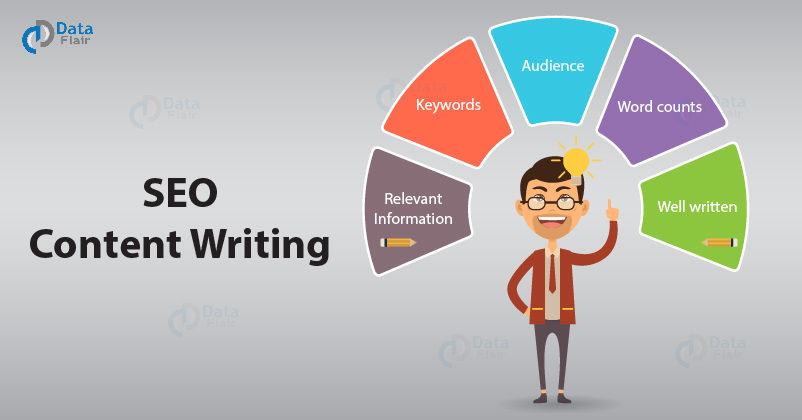
Writing SEO content is more than just adding keywords to your text. It is about creating useful, clear, and engaging articles that search engines—and people—will love. Today, content is the bridge between your website and your audience. If your content is easy to read and answers real questions, you can build trust and grow your traffic.
But what makes SEO content truly effective? Let’s break down the steps, strategies, and small details that turn simple writing into powerful SEO content.

36% off Today’s Exclusive Deals
Limited-time Exclusive Deals. Check current discount on Amazon.
Check Price on Amazon As an Amazon Associate I earn from qualifying purchases.Understanding Seo Content
SEO stands for Search Engine Optimization. It means making your web pages easy for search engines like Google to find and understand. SEO content is written to rank well in search results and attract visitors.
But SEO content is not only for search engines. It must also be helpful and interesting for real people. If your writing is boring or confusing, visitors will leave quickly—and Google will notice. So, the best SEO content balances both needs.
What Makes Content Seo-friendly?
- Relevant keywords: Words and phrases that people use to search for your topic.
- Clear structure: Headings, subheadings, and organized paragraphs.
- Useful information: Answers, insights, and practical advice.
- Quality links: Internal links to your own pages and external links to trusted sources.
- Easy readability: Short sentences, simple words, and logical flow.
SEO content is not just one blog post. It can be product pages, guides, reviews, or FAQs. Each type helps your site in a different way.
Researching Keywords
Before you start writing, you need to know what your audience is searching for. This is where keyword research comes in.
How To Find The Right Keywords
- Use tools like Google Keyword Planner, Ahrefs, or SEMrush.
- Look for keywords that match your topic and have enough monthly searches.
- Check the search intent: Are people looking for information, products, or solutions?
- Analyze the competition. High-volume keywords are harder to rank for.
For example, if you’re writing about “how to write SEO content,” you might find related keywords like:
- SEO content writing
- SEO article tips
- Best SEO practices
Types Of Keywords
Keywords come in three main types:
| Type | Example | Search Intent |
|---|---|---|
| Short-tail | SEO | General, broad |
| Long-tail | How to write SEO content | Specific, targeted |
| LSI (Latent Semantic) | Search engine ranking, keyword density | Related topics |
Long-tail keywords are usually easier to rank for and attract more targeted visitors.
Planning Your Seo Content
Good SEO content starts with planning. Before you write, decide:
- What is the main topic?
- Who is the audience?
- What questions will you answer?
Creating A Content Outline
An outline helps you organize your thoughts and keep your writing focused. Here’s a simple way to create one:
- Write your main topic at the top.
- List 3–5 key points you want to cover.
- Add sub-points or examples under each key point.
For example:
- Main topic: How to write SEO content
- Researching keywords
- Structuring your article
- Writing for readability
- Adding links and media
- Measuring results
This outline keeps you on track and helps you cover everything important.
Structuring Your Article
A clear structure makes your content easy to read and helps search engines understand it.
Using Headings And Subheadings
Headings (H2, H3, H4) divide your article into sections. They show what each part is about. Search engines use headings to find main topics.
For example:
- H2: Researching Keywords
- H3: How to Find the Right Keywords
- H3: Types of Keywords
Organizing Paragraphs
Keep paragraphs short—2 to 4 sentences is best. Use bullet points or numbered lists to highlight important ideas.
Adding Tables And Lists
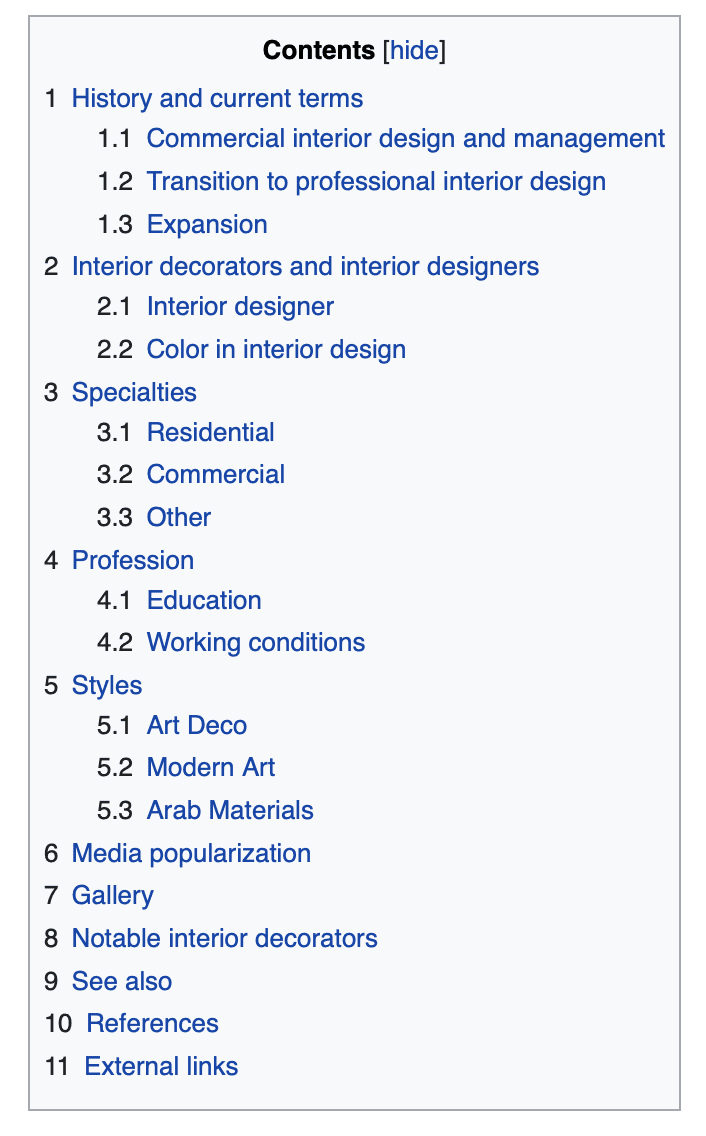
Tables and lists make complex information easy to scan. For example, a table comparing keyword types or a list of SEO tools.
Writing For Readability
Search engines prefer content that people find easy to read. This is called readability.
Tips For Better Readability
- Use short sentences (15–20 words).
- Choose simple words. Avoid jargon.
- Break up long paragraphs.
- Use active voice.
- Include bullet points or lists.
Here’s a quick comparison of readability:
| Text Style | Readability Score (Flesch) | Audience |
|---|---|---|
| Simple, short sentences | 70–80 | General public |
| Long, complex sentences | 40–50 | Experts only |
Aim for a score above 60 for most SEO content.
Writing Engaging Content
SEO content should not be boring. It must grab attention and encourage visitors to stay longer.
How To Make Content Engaging
- Start with a strong opening that promises value.
- Use examples, stories, or real-life situations.
- Ask questions to involve the reader.
- Add statistics or facts to build trust.
For instance, “Did you know 90% of pages get no traffic from Google? Good SEO content can change that. ”
Non-obvious Insight: Storytelling
Many beginners forget that storytelling works in SEO. Sharing a short story or personal experience makes your article memorable and builds trust. Readers remember stories more than facts.
Non-obvious Insight: Answering Real Questions
Another tip: Search engines reward content that solves problems. Check forums or social media for real questions about your topic. Use these questions as subheadings or FAQs.
Using Keywords Properly
Keywords are important, but overusing them is risky. Keyword stuffing makes your content unnatural and can hurt your ranking.
How To Use Keywords
- Place the main keyword in the title, first paragraph, and at least one heading.
- Use related keywords (LSI) naturally in the text.
- Do not repeat the same keyword too often.
Google suggests a keyword density of 1–2%. That means if your article is 1000 words, use the main keyword 10–20 times (but spread out).
Example Of Good Keyword Placement
- Title: How to Write SEO Content
- First paragraph: “Writing SEO content is…”
- Heading: “Researching Keywords for SEO Content”
- Body: “SEO content writing requires…”
Common Mistake: Ignoring Search Intent
Sometimes, writers target keywords without understanding what people really want. Always check the search intent for your keyword. Are users looking for a step-by-step guide, a product review, or quick facts?
Adding Links And Resources
Links help your readers find more information and show search engines that your content is trustworthy.
Types Of Links
- Internal links: Point to other pages on your website.
- External links: Point to trusted sources outside your site.
For example, you can mention: To learn more about SEO basics, visit Moz’s SEO Guide.
How Many Links To Add
- Add 2–4 internal links to related articles or guides.
- Add 1–2 external links to high-authority sites.
Tip: Make sure your links fit naturally. Do not force them.
Using Images And Media
Images, videos, and infographics make content more attractive. They also help explain complex ideas.
How To Use Images
- Add at least one relevant image per article.
- Use alt text for each image. This helps Google understand what the image shows.
- Compress images to speed up page loading.
Example: Alt Text
If you add a picture of a keyword research tool, write alt text like: “Screenshot of keyword research tool showing search volume.”
Common Mistake: Large Images
Uploading large images can slow your website. Always compress images before publishing.
Optimizing Meta Tags
Meta tags are small pieces of code that help search engines understand your page.
Key Meta Tags
- Title tag: The title shown in search results (60–70 characters).
- Meta description: Short summary (150–160 characters).
How To Write Meta Tags
- Include your main keyword.
- Make the title clear and catchy.
- Write a meta description that encourages clicks.
Example:
- Title: How to Write SEO Content: Step-by-Step Guide
- Meta description: Learn how to write SEO content that ranks well in Google. Get practical tips, keyword research, and writing strategies.

Measuring And Improving Your Content
SEO is not a one-time job. You need to track your results and improve over time.
How To Measure Seo Content
- Use Google Analytics to track page views, bounce rate, and time on page.
- Check rankings with tools like Ahrefs or SEMrush.
- Look for engagement: Comments, shares, and backlinks.
Data Example: Page Performance
| Metric | Good Value | Needs Improvement |
|---|---|---|
| Bounce Rate | Below 50% | Above 70% |
| Average Time on Page | 2+ minutes | Less than 1 minute |
| Organic Traffic Growth | 10%+ monthly | Flat or negative |
How To Improve Content
- Update outdated information.
- Add new keywords or sections.
- Improve readability or add images.
Common Seo Content Mistakes
Even experienced writers make mistakes. Avoid these pitfalls:
- Keyword stuffing: Using keywords too often.
- Ignoring search intent: Not answering the user’s real question.
- Thin content: Articles with too little useful information.
- Poor structure: No headings, messy paragraphs.
- Slow page speed: Large images or bad hosting.
- No internal linking: Missing links to other pages.
- No meta tags: Forgetting titles or descriptions.
Fixing these mistakes can boost your rankings quickly.
Seo Content For Different Platforms
SEO content is not only for blogs. It also works for product pages, guides, FAQs, and more.
Product Pages
- Use keywords in product titles and descriptions.
- Add clear features and benefits.
- Include customer reviews.
Guides And Tutorials
- Break content into steps or sections.
- Use visuals to explain steps.
- Answer common questions.
Faqs
- List real questions people ask.
- Write short, clear answers.
- Add links to deeper guides.
Advanced Tips For Seo Content
If you want to go beyond basics, try these advanced strategies:
- Schema markup: Add code to your pages to help Google show rich results (like stars or prices).
- Content clusters: Create groups of related articles linked to a main “pillar” page.
- Topic authority: Cover your topic in depth with multiple articles.
These steps can help your site become a trusted resource.
Frequently Asked Questions
What Is Seo Content Writing?
SEO content writing is creating articles, pages, or posts that are optimized for search engines. This means using the right keywords, clear structure, and helpful information to rank well and attract visitors.
How Many Keywords Should I Use In My Article?
You should use your main keyword 1–2% of the total word count. Also include related keywords naturally. Avoid repeating keywords too often, or your content will feel forced.
How Long Should Seo Content Be?
Most SEO experts recommend 1,000–2,500 words for in-depth articles. The right length depends on your topic and audience. Longer content often ranks better if it stays useful and clear.
Do Images Help With Seo?
Yes, images make your content more engaging. Using proper alt text helps search engines understand your images. Compress images to improve page speed.
Can I Use External Links In Seo Content?
Yes, linking to trusted sources shows your content is reliable. Use 1–2 external links per article. For example, you can link to Wikipedia for background information.
SEO content writing is both art and science. You must research, plan, and write carefully, but also keep your reader in mind. If you follow these steps and avoid common mistakes, your content will reach more people and help your website grow.
Remember, the best SEO content is useful, clear, and easy to read. Start practicing, and you’ll see results soon.

