

Yoga is more than just a physical workout; it’s a way to connect your body, mind, and breath. Many people try yoga to improve their flexibility, reduce stress, or find peace in a busy world. But starting yoga can feel confusing if you don’t know where to begin. You might wonder which poses are right, how to breathe, or if you need special equipment. Maybe you’ve seen pictures of complex postures and thought, “Yoga isn’t for me.” The truth is, yoga welcomes everyone—no matter your age, fitness level, or flexibility.
Learning how to do yoga means more than following a few stretches. It’s about understanding the basics, creating a personal routine, and building a practice that fits your life. You don’t need to be perfect or super flexible. You just need a little guidance, some patience, and a willingness to try.

36% off Today’s Exclusive Deals
Limited-time Exclusive Deals. Check current discount on Amazon.
Check Price on Amazon As an Amazon Associate I earn from qualifying purchases.This guide will walk you through everything you need to know to get started and feel confident on your mat—even if you’re a complete beginner.
What Is Yoga?
Yoga is an ancient practice from India that combines movement, breathing, and mindfulness. The word “yoga” means “union”—it’s about connecting your body and mind. While there are many styles, most yoga classes focus on a mix of physical poses (called asanas), controlled breathing (pranayama), and sometimes meditation.
Yoga has been practiced for over 5,000 years. Today, millions of people worldwide use yoga to improve their health and well-being. Studies show that regular yoga can lower stress, improve sleep, and even help manage chronic pain. In fact, the National Institutes of Health found that yoga can reduce symptoms of anxiety and depression.
The Benefits Of Practicing Yoga
Yoga’s benefits go far beyond stretching. Here are some of the main reasons people choose to practice:
- Flexibility: Yoga gently increases your flexibility over time. Even if you can’t touch your toes today, you’ll see progress with regular practice.
- Strength: Many poses build muscle strength, especially in your core, arms, and legs.
- Balance: Yoga improves your balance and coordination. This is helpful for daily activities and prevents falls, especially as you age.
- Stress Relief: Yoga’s focus on breathing and mindfulness helps calm your mind and reduce anxiety.
- Better Posture: By strengthening key muscles, yoga helps you stand taller and sit straighter.
- Improved Breathing: Pranayama teaches you to control your breath, which can boost energy and focus.
- Heart Health: Some studies suggest yoga may lower blood pressure and improve heart health.
- Weight Management: While yoga isn’t a high-intensity workout, it supports healthy habits and can help with weight control.
A key insight many beginners miss: Yoga’s effects are gradual. You won’t see or feel dramatic changes in just one or two sessions. Consistency matters much more than intensity.

Understanding Different Types Of Yoga
Yoga comes in many styles. Choosing the right one makes a big difference in your experience. Here’s a comparison of some common types:
| Yoga Style | Main Focus | Best For |
|---|---|---|
| Hatha | Basic poses, slower pace | Beginners |
| Vinyasa | Flowing movements, linked with breath | Those who like dynamic workouts |
| Yin | Deep stretching, long holds | Improving flexibility, stress relief |
| Restorative | Relaxation, supported poses | Recovery, deep relaxation |
| Ashtanga | Set sequence, challenging | Experienced practitioners |
| Bikram | Hot room, fixed sequence | Those who like heat and sweat |
If you’re new, Hatha or Vinyasa classes are often the easiest to start with. Don’t worry about picking the “perfect” style—try different classes and see what feels good for your body.
What You Need To Start Yoga
You don’t need fancy gear to begin yoga. But a few basics help make your practice more comfortable:
- Yoga mat: Offers grip and cushioning. Choose one that’s not too slippery.
- Comfortable clothes: Wear clothes that let you move freely. You don’t need special yoga pants—any stretchy clothes work.
- Water bottle: Stay hydrated, especially in heated classes.
- Yoga blocks or straps: These props help you reach or support certain poses. They’re optional but useful for beginners.
Many people think they need expensive equipment. In reality, you can even start on a carpeted floor or with a towel if needed. As you get more committed, you might want to invest in a good mat and a set of blocks.
Setting Up Your Space
A quiet, comfortable space improves your yoga experience. Here are some tips:
- Find a quiet corner: You don’t need a whole room—just enough space to move and stretch.
- Clear the area: Remove obstacles or sharp objects.
- Add soft lighting: Natural light or a lamp helps set a peaceful mood.
- Play calming music: Instrumental or nature sounds can help you relax, but this is optional.
- Use a clean mat: Regularly clean your mat for hygiene.
If you share a home, let others know you need 20–30 minutes without interruption. This small boundary can make your practice more peaceful.
How To Start Yoga: Step-by-step
Beginning yoga is easier than you might think. Here’s a simple process:
1. Warm Up
Warming up prepares your body and prevents injury. Spend 3–5 minutes with gentle movements:
- Neck rolls
- Shoulder shrugs
- Cat-cow stretch (on hands and knees)
- Gentle twists
2. Learn Basic Yoga Poses
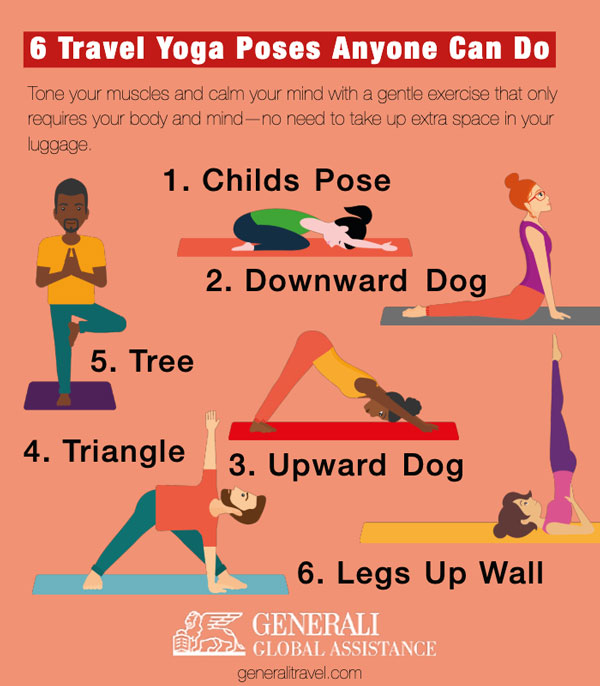
Start with a few beginner-friendly poses. Here are some common ones:
| Pose Name | How to Do It | Main Benefit |
|---|---|---|
| Mountain (Tadasana) | Stand tall, feet together, arms at sides, shoulders relaxed | Improves posture, grounding |
| Downward Dog (Adho Mukha Svanasana) | Hands and feet on the floor, hips lifted, forming an inverted V | Stretches back and legs |
| Warrior I (Virabhadrasana I) | Step one foot back, bend front knee, arms overhead | Builds leg strength, balance |
| Child’s Pose (Balasana) | Kneel, sit back on heels, forehead to mat, arms forward | Relaxes back, calming |
| Seated Forward Bend (Paschimottanasana) | Sit with legs extended, reach toward feet | Stretches spine, hamstrings |
| Bridge (Setu Bandha Sarvangasana) | Lie on back, knees bent, lift hips upward | Opens chest, strengthens back |
Many beginners try to do too much at once. It’s better to master a few poses first, focusing on good alignment and steady breathing.
3. Focus On Your Breath
Breathing is a key part of yoga. Try this simple technique:
- Breathe in through your nose as you raise your arms.
- Breathe out through your nose as you lower your arms or fold forward.
- Keep your breath slow and even.
A common mistake: holding your breath during tough poses. Always keep breathing, even if you feel challenged.
4. Practice A Short Sequence
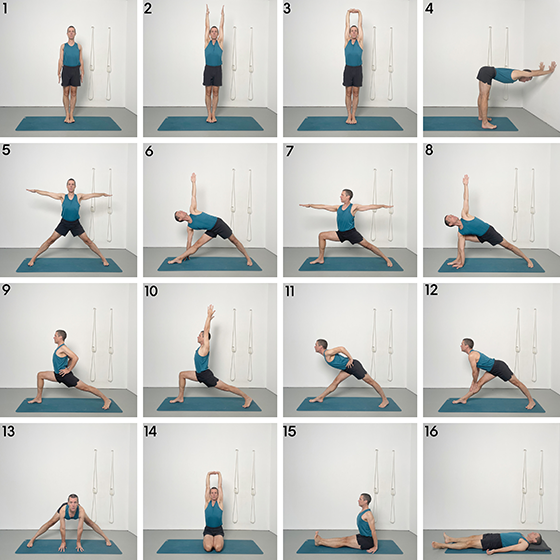
You can start with a simple routine that takes about 15–20 minutes:
- Mountain Pose – 30 seconds
- Upward Stretch – 30 seconds
- Forward Fold – 30 seconds
- Downward Dog – 1 minute
- Warrior I (both sides) – 1 minute each
- Child’s Pose – 1 minute
- Seated Forward Bend – 1 minute
- Bridge Pose – 1 minute
- Relaxation/Savasana – 3–5 minutes
Repeat poses if you have more time. Listen to your body, and don’t force any movement.
5. End With Relaxation
Every yoga session should end with a few minutes of stillness. Lie flat on your back, arms by your sides, eyes closed. This pose is called Savasana. Let your breath return to normal and allow your body to relax completely.
Many beginners skip Savasana, thinking it’s not important. In reality, it helps your body absorb the benefits of your practice and calms your mind.
How Often Should You Practice Yoga?
Consistency is more important than length. Here are some guidelines:
- 2–3 times per week: Good for beginners. You’ll notice improvements in flexibility and stress.
- Daily practice: Even 10–15 minutes a day can have big benefits.
- Listen to your body: Rest when you feel tired or sore.
Some people worry about doing yoga every day. As long as you avoid pushing into pain and vary your poses, daily practice is safe for most people.
Common Mistakes Beginners Make
It’s easy to make mistakes when starting yoga. Avoid these to build a safe, enjoyable practice:
- Comparing yourself to others: Yoga is not a competition. Focus on your own progress.
- Forcing flexibility: Never push into pain. Your body will open up with time.
- Skipping warm-up and cool-down: These steps prevent injury and help recovery.
- Holding your breath: Always breathe, even in tough poses.
- Doing too much, too soon: Start slow. You’ll build strength and flexibility safely.
A non-obvious insight: Many beginners think they must copy the teacher exactly. But everyone’s body is different. Adjust poses as needed. Use blocks, bend your knees, or shorten your stance if it feels better.
Yoga For Different Needs
Yoga is flexible—there’s a style and routine for almost everyone. Here’s how to tailor your practice:
For Stress Relief
- Choose gentle styles like Yin or Restorative yoga.
- Focus on slow breathing and long holds.
- Try guided meditations at the end.
For Strength
- Vinyasa or Power Yoga classes build muscle.
- Include poses like plank, chaturanga, and warrior sequences.
For Flexibility
- Spend longer in poses that stretch the hamstrings, hips, and shoulders.
- Use props to help you relax into deeper stretches.
For Back Pain
- Focus on gentle stretches for the spine and hips.
- Avoid deep backbends or forward folds if you feel pain.
- Consult a doctor or physical therapist if you have chronic pain.
For Older Adults
- Choose slower-paced classes.
- Use chairs or walls for support.
- Avoid poses that feel unstable or risky.
Tracking Your Progress
Yoga progress is subtle. You might not notice changes right away, but small improvements add up. Here are ways to track your journey:
- Keep a yoga journal: Write down how you feel after each session. Note any changes in flexibility or mood.
- Take photos: Once a month, snap a picture in the same pose to see physical changes.
- Notice daily life changes: Do you feel less stressed? Is your balance better? Are you sleeping more soundly?
Many people overlook these signs and focus only on advanced poses. Remember, progress can be physical, mental, or emotional.
Should You Join A Yoga Class Or Practice At Home?
Both options have benefits. Here’s a quick comparison:
| Yoga Class | Home Practice |
|---|---|
| Guidance from a teacher | Flexible schedule |
| Motivation from group setting | Practice at your own pace |
| Chance to ask questions | Private, comfortable environment |
| Access to props and equipment | No travel required |
Many beginners start with online videos or apps at home, then join a class for feedback. If you’re unsure about your alignment or have injuries, a certified teacher can help you adjust poses safely.
For trustworthy information on yoga history and benefits, check out the Wikipedia Yoga page.
Tips For Staying Motivated
Building a new habit isn’t always easy. Here are some tips to keep you practicing:
- Set a regular time: Morning or evening, whatever fits your life.
- Start small: Even 10 minutes counts.
- Track your progress: Use a journal or app.
- Find a buddy: Practicing with a friend can keep you accountable.
- Celebrate small wins: Notice when a pose feels easier or your mind feels calmer.
A tip many miss: If you get bored, change up your routine. Try a new style, teacher, or playlist to keep things interesting.
Frequently Asked Questions
How Long Should A Beginner Practice Yoga Each Day?
For beginners, 15–30 minutes per session is a great start. This gives you enough time to warm up, do a few poses, and finish with relaxation. As you get more comfortable, you can practice longer or add more sessions each week.
Is Yoga Safe For Everyone?
Most people can practice yoga safely, but there are exceptions. If you have a serious medical condition, recent injury, or are pregnant, consult your doctor first. Always listen to your body—never force a pose or ignore pain.
What If I’m Not Flexible?
You don’t need to be flexible to start yoga! In fact, yoga is a tool to improve flexibility. Use props like blocks or straps, and bend your knees when needed. With regular practice, your flexibility will increase naturally.
Can Yoga Help With Weight Loss?
Yoga alone is not a fast way to lose weight, but it can support healthy habits. Some dynamic styles, like Vinyasa or Power Yoga, burn more calories. Yoga can also reduce stress, which sometimes leads to better eating choices.
What’s The Best Time Of Day To Practice Yoga?
There’s no single “best” time. Many people like morning yoga to wake up the body, while others prefer evening to relax after work. The key is consistency—choose a time that fits your routine and stick with it.
Yoga is a journey, not a destination. Each time you step on the mat, you’re investing in your well-being. The most important part is to start—no matter your age, fitness, or experience. With patience and steady effort, you’ll find yoga becomes a rewarding part of your life, bringing strength, calm, and balance both on and off the mat.

