

Blogging has changed the way people share information, connect with audiences, and even make money online. What started as a personal diary for some is now a proven way to build a business. But many new bloggers ask the same question: How do you actually make money from a blog? The answer isn’t magic—it’s a mix of creativity, strategy, and knowing which monetization methods work best for your content and audience. If you’re ready to turn your blog from a passion project into a source of income, you’re in the right place.
This guide will walk you through practical, actionable ways to monetize your blog. You’ll learn not just the classic methods but also less obvious strategies that beginners often overlook. Real examples, data, and clear steps will help you avoid mistakes and pick the right approach for your goals.

36% off Today’s Exclusive Deals
Limited-time Exclusive Deals. Check current discount on Amazon.
Check Price on Amazon As an Amazon Associate I earn from qualifying purchases.Whether you’re just starting or looking to boost your earnings, this article will give you the roadmap you need.
Understanding The Basics Of Blog Monetization
Before diving into specific methods, it’s important to understand what blog monetization really means. In simple terms, monetization is making money from your blog’s content, audience, or both. But not every blog is ready for monetization right away.
Is Your Blog Ready To Make Money?
Many new bloggers try to monetize before their blog is ready. Here’s how to check if your blog is prepared:
- Steady Traffic: While you don’t need millions of views, having at least 1,000 monthly visitors gives you a base to start.
- Engaged Audience: Are readers commenting, sharing, or subscribing? Engagement often matters more than traffic size.
- Quality Content: Your posts should provide value and show authority in your niche.
- Clear Niche: Blogs with a focused topic (like personal finance, travel, or tech) usually monetize faster than broad, unfocused ones.
The Importance Of Trust
Trust is the currency of the internet. If your readers trust you, they’ll click your links, buy your products, or recommend your site. Never sacrifice long-term trust for short-term profits.
Display Advertising: Earning From Views And Clicks
One of the most common ways bloggers earn money is through display advertising. This means placing ads on your blog and earning money when users see or click them.
Main Advertising Platforms
- Google AdSense: The most popular option for beginners. It’s easy to set up and works for almost any niche.
- Media.net: Focuses on contextual ads. Works well for blogs with US/UK traffic.
- Ezoic and AdThrive: Advanced networks for blogs with higher traffic (10,000+ monthly views).
Here’s a quick comparison of popular ad networks:
| Ad Network | Minimum Traffic | Average RPM (USD) | Best For |
|---|---|---|---|
| Google AdSense | None | $1–$3 | Beginners |
| Media.net | None | $2–$5 | US/UK Traffic |
| Ezoic | 10,000/month | $5–$10 | Growing Blogs |
| AdThrive | 100,000/month | $15–$30 | Large Blogs |
RPM stands for revenue per 1,000 impressions, showing how much you can earn based on your traffic.
Tips For Success
- Place ads in high-visibility areas, but don’t overwhelm readers.
- Test ad layouts to see what works best for your audience.
- Focus on growing your traffic, since more views = more ad revenue.
Common Pitfalls
- Overloading your blog with ads can drive readers away.
- Monetizing too early (with little traffic) usually earns pennies.
Affiliate Marketing: Recommending And Earning
Affiliate marketing is a powerful way for bloggers to make money. You promote products or services and earn a commission when someone buys through your unique affiliate link.
How Affiliate Marketing Works
- Join an Affiliate Program (like Amazon Associates, ShareASale, or CJ Affiliate).
- Choose Products that fit your niche and audience.
- Create Content that naturally includes affiliate links (reviews, tutorials, lists).
- Earn a Commission for every sale or lead from your link.
Example
A travel blogger writes a post about the best backpacks for digital nomads and links to recommended products using affiliate links. When a reader buys, the blogger earns a percentage—usually between 3–10%.
Pros And Cons
| Pros | Cons |
|---|---|
| No need to create your own products Passive income is possible |
Income depends on readers taking action Trust is critical |
Non-obvious Insights
- Niche-specific affiliate programs usually pay higher than generic ones.
- Deep, honest reviews convert better than short, generic posts.
Mistakes To Avoid
- Promoting products you don’t believe in can harm your reputation.
- Hiding affiliate links or not disclosing them can break trust and even laws.
Sponsored Content: Partnering With Brands
As your blog grows, companies may pay you to write about their products or services. This is known as sponsored content.
How It Works
Brands reach out (or you pitch them) to feature their offer in a blog post. They pay a flat fee, which can range from $50 for small blogs to over $5,000 for established sites.
Finding Sponsorships
- Create a Media Kit: A simple PDF showing your traffic, audience demographics, and rates.
- List your contact info clearly on your site.
- Join platforms like IZEA or AspireIQ to connect with brands.
What Brands Look For
- Real engagement (comments, shares, email list size)
- High-quality, original content
- Niche authority
Potential Downsides
- Too many sponsored posts can make your blog feel like an ad.
- Readers may lose trust if posts aren’t clearly marked as sponsored.
Pro Tip: Always mark sponsored content clearly to keep trust.

Selling Digital Products: From Ebooks To Courses
Many successful bloggers earn most of their income by selling their own digital products. This includes ebooks, printables, templates, online courses, or even exclusive content.
Why Digital Products Work
- You keep most or all of the profits.
- No shipping or inventory needed.
- Products can be sold 24/7.
Examples Of Digital Products
- Ebooks: How-to guides, recipes, or deep dives into your niche.
- Printables: Planners, calendars, art prints.
- Online Courses: Video lessons, workshops, or email courses.
- Membership Content: Paid newsletters, private communities.
Choosing The Right Product
- Listen to your audience—what questions do they ask most?
- Start small (like an ebook) before building a full course.
- Use tools like Gumroad, Teachable, or Podia to sell easily.
Key Insights
- The best-selling products solve a real, urgent problem for your readers.
- Pre-selling (selling before you finish creating) can validate demand and reduce risk.
Providing Services: Coaching, Freelancing, And Consulting
Your blog can also be a portfolio that helps you sell services. This is often the fastest way to monetize, especially if you have expertise in a high-demand area.
Types Of Services Bloggers Offer
- Coaching: One-on-one or group sessions (business, fitness, writing, etc.)
- Freelance Writing: Writing for other blogs or businesses.
- Consulting: Advising businesses or individuals based on your niche.
- Design/Tech Services: Web design, SEO audits, social media management.
Setting Prices And Getting Clients
- Start with competitive but fair rates.
- Feature testimonials or case studies on your site.
- Use a simple booking tool (like Calendly) to schedule clients.
Common Mistake
- Overcommitting your time. Service-based income scales with your hours, so set limits.
Email Marketing: Building Your List For Long-term Profits
An email list is one of the most valuable assets for a blogger. Unlike social media followers, you own your list and can reach readers directly.
How Email Marketing Makes Money
- Promote your own products or services.
- Share affiliate offers.
- Partner with other bloggers for joint promotions.
Key Steps
- Offer a valuable lead magnet (like a free ebook) for subscribers.
- Send regular, helpful emails—not just promotions.
- Segment your list to send targeted offers.
Why It Matters
- Email subscribers are 4–5 times more likely to buy than social followers.
- Email can drive repeat traffic to your blog.
Creating A Membership Or Paid Community
With a loyal audience, you can build a membership site or a paid community. Members pay a recurring fee for access to exclusive content, forums, or direct access to you.
Benefits
- Predictable monthly income.
- Stronger community and engagement.
Challenges
- Requires consistent, high-value content.
- More support and management needed.
Examples
- A food blogger offers a monthly meal plan club.
- A finance blog hosts a private forum for paying members.
Monetizing With Podcasts And Videos
If your blog audience enjoys audio or video, consider launching a podcast or YouTube channel. You can monetize these channels with ads, sponsorships, or premium content.
Monetization Options
- Pre-roll or mid-roll ads in episodes.
- Sponsored episodes or product mentions.
- Premium, members-only episodes.
Cross-promotion
Use your blog to promote your podcast or channel, and vice versa. This increases your reach and revenue options.
Using Donations And Crowdfunding
Some audiences are happy to support creators directly. If your content provides unique value, try donations or crowdfunding.
Platforms
- Patreon: Offers monthly support with perks.
- Buy Me a Coffee: Simple, one-time donations.
Tips
- Be clear about why you’re asking for support.
- Offer rewards (bonus content, shout-outs) for donors.
Data Insight
While only a small percentage of readers donate, those who do are often your biggest fans. Even $1–$5 per month from 100 people adds up.
Combining Multiple Monetization Methods
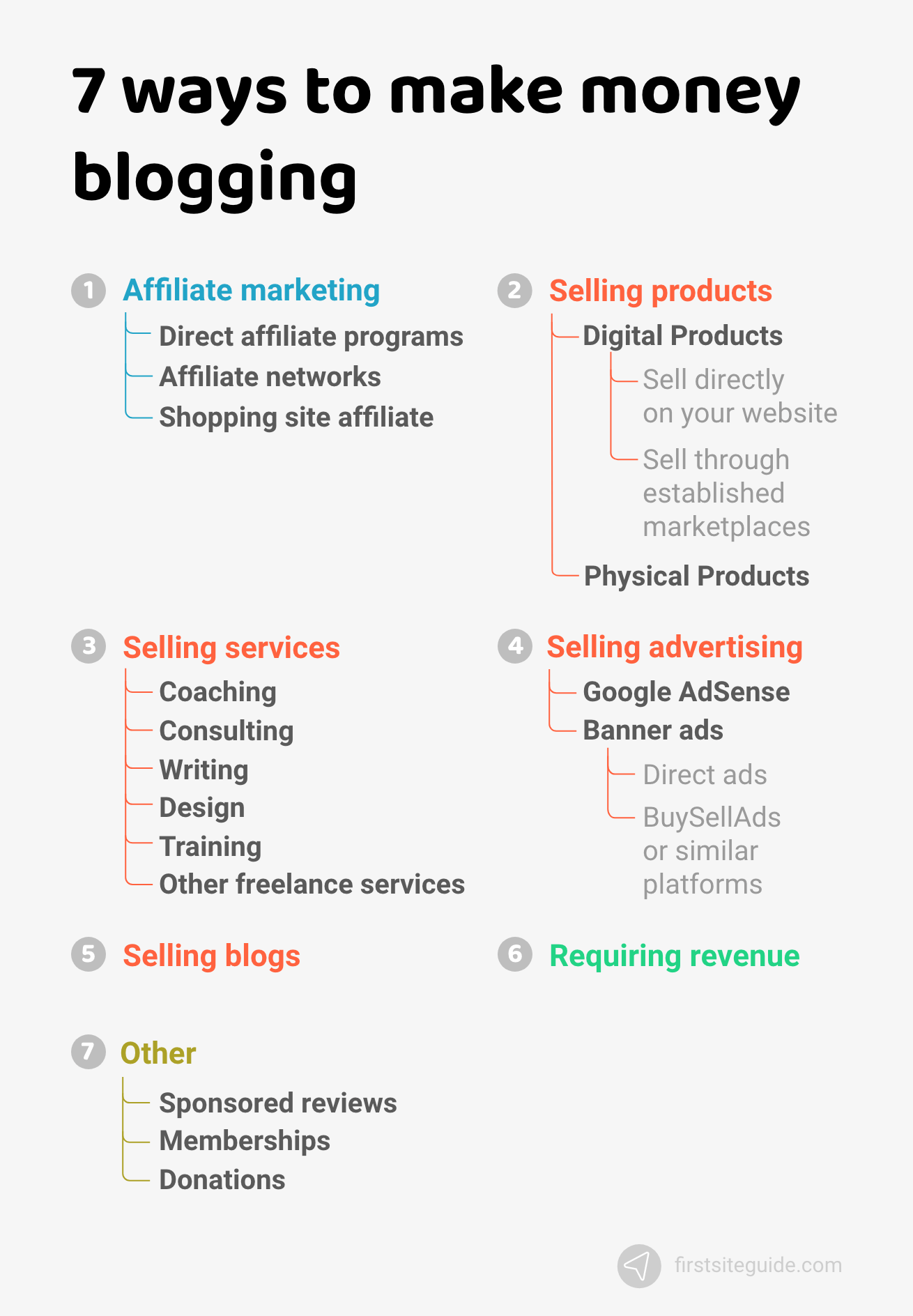
Most top bloggers use several methods together. For example, display ads for passive income, affiliate links in evergreen posts, and a digital product for higher profits.
How To Choose
- Start with one or two methods that fit your audience and niche.
- Test and measure results.
- Gradually add new streams as your blog grows.
How Long Does It Take To Make Money Blogging?
Many beginners expect fast results, but making real money from a blog takes time. Here’s a realistic timeline:
| Months Blogging | Typical Earnings | What to Focus On |
|---|---|---|
| 0–3 | $0–$50/month | Content & Traffic |
| 3–12 | $50–$500/month | Building Trust, Testing Monetization |
| 12–24 | $500–$2,000+/month | Scaling, Diversifying Income |
Important: Some blogs grow faster, but patience and consistency are key.
Less-obvious Strategies For Blog Monetization
Many bloggers focus only on ads and affiliate links, but there are other ways to earn:
1. Licensing Content
If you create unique photos, infographics, or research, you can license this content to other websites for a fee.
2. Hosting Virtual Events
Run paid webinars, workshops, or online conferences related to your niche.
3. Selling Physical Products
If it fits your audience, try dropshipping, branded merchandise, or print-on-demand.
4. Curated Job Boards
If your blog is in a career-focused niche, create a job board and charge companies to post listings.
5. Syndication
Some large sites pay to republish high-quality posts from smaller blogs.
Two Beginner Mistakes To Avoid
- Focusing only on traffic, not value. 1,000 engaged readers can earn more than 10,000 random visitors.
- Neglecting user experience. Too many ads or irrelevant promotions will hurt your long-term growth.
Tracking And Optimizing Your Blog Income
To maximize your earnings, track where your money comes from and test new ideas.
- Use tools like Google Analytics to see which posts earn the most.
- Compare affiliate programs and ad networks for the best rates.
- Survey your readers to learn what they want more of.
Legal And Ethical Considerations
Monetizing a blog comes with responsibilities:
- Disclose affiliate links and sponsorships clearly (required by law in the US and EU).
- Respect copyright: Use only images and content you have rights to.
- Comply with privacy laws (like GDPR) if you collect user data.
For more on legal blogging basics, see the FTC’s guidance for influencers.
Frequently Asked Questions
How Much Traffic Do I Need To Monetize My Blog?
You can start with as little as 1,000 monthly visitors, but more traffic usually means higher income. Some methods, like selling services or niche affiliate products, work even with low traffic if your audience is highly engaged.
What’s The Best Way To Make Money From A New Blog?
For most new blogs, affiliate marketing and offering simple services (like coaching or freelance writing) are the fastest ways to earn. Display ads are better once you have higher traffic.
How Do I Get Brands To Sponsor My Blog?
Start by building authority in your niche and showing real engagement. Create a media kit and reach out to brands directly, or use influencer networks to connect with companies looking for bloggers.
Is It Possible To Earn Passive Income From Blogging?
Yes, but it takes time. Affiliate marketing, display ads, and digital products can generate passive income after the initial setup. However, you’ll still need to update content and drive traffic.
What Is The Biggest Mistake Bloggers Make When Trying To Monetize?
The biggest mistake is sacrificing reader trust for quick money—using spammy ads, promoting poor-quality products, or hiding disclosures. Long-term trust always leads to more income.
Turning your blog into a source of income is possible for anyone willing to learn and put in the effort. The most successful bloggers focus on building trust, providing value, and testing different monetization strategies until they find what works best for their audience.
Start small, stay patient, and don’t be afraid to try new approaches. With time, your blog can become not just a creative outlet, but a profitable business.

