

Muscle soreness is something almost everyone experiences, whether you’re a professional athlete, a fitness lover, or simply someone who spends a little too long gardening or moving furniture. The discomfort, tightness, and sometimes even pain can slow you down or make you skip your next workout. Recently, massage guns—small, hand-held devices that deliver rapid bursts of pressure—have become very popular as a tool to help reduce this soreness. But do they really work? Can massage guns actually help your muscles recover faster and feel better? Let’s take a deeper look at the science, real user experiences, and expert opinions to answer this question in detail.
What Causes Muscle Soreness?
Before we talk about massage guns, it’s important to understand why muscles get sore in the first place. Most people feel muscle soreness after they do a new type of exercise, push themselves harder than usual, or return to working out after a break. This soreness is called delayed onset muscle soreness (DOMS). It usually starts 12–24 hours after exercise and can last up to 72 hours.

36% off Today’s Exclusive Deals
Limited-time Exclusive Deals. Check current discount on Amazon.
Check Price on Amazon As an Amazon Associate I earn from qualifying purchases.The main reasons for DOMS are:
- Microscopic muscle damage: When you exercise, especially with new or intense activities, tiny tears form in your muscle fibers.
- Inflammation: Your body starts to repair the muscle, which leads to swelling and a build-up of waste products.
- Fluid shifts: Extra fluid moves into the muscle, which can make them feel tight or swollen.
DOMS is a normal part of getting stronger and fitter, but it can be uncomfortable and limit how often or how hard you train.
How Do Massage Guns Work?
Massage guns, also known as percussive therapy devices, use a small motor to move a soft attachment head back and forth very quickly. This motion delivers rapid bursts of pressure deep into the muscle tissue. The idea is similar to how a traditional massage therapist might use quick, rhythmic taps on your body.
The main effects of a massage gun include:
- Increased blood flow: The rapid tapping action brings more blood to the area, which helps deliver oxygen and nutrients while removing waste products.
- Reduced muscle tension: The vibrations can help relax tight muscles.
- Pain reduction: The pressure may block some pain signals sent to your brain.
- Improved range of motion: Looser muscles can move more freely.
Most massage guns allow you to change the speed, attachment head, and pressure, so you can target different muscle groups and adjust based on your needs.
What Does The Science Say?
The popularity of massage guns has grown much faster than the research on them. However, there are some studies and expert opinions that can help us understand their effects.
Research On Percussive Therapy
Several studies have looked at percussive therapy (the technique used by massage guns) to see if it can really reduce muscle soreness:
- A 2014 study found that vibration therapy can reduce DOMS after exercise and help restore muscle strength.
- Another study from 2020 looked at athletes who used percussive therapy and found that they reported less soreness and were able to return to exercise faster.
- Some research suggests that massage guns may help increase blood flow and decrease stiffness in the muscles, which could lead to a faster recovery.
But it’s important to note that most studies are small and may use different types of devices, so the results can vary. More research is still needed to be 100% certain about all the benefits.
How Do Massage Guns Compare To Other Recovery Methods?
To understand how effective massage guns are, let’s compare them to other common recovery techniques:
| Method | Effectiveness for Soreness | Time Needed | Additional Benefits |
|---|---|---|---|
| Massage Guns | Moderate to High | 5–15 minutes | Portable, easy to use |
| Foam Rolling | Moderate | 10–20 minutes | Inexpensive, covers large muscles |
| Stretching | Low to Moderate | 10–15 minutes | Improves flexibility |
| Ice Bath | Moderate | 10–20 minutes | Reduces swelling |
| Professional Massage | High | 30–60 minutes | Personalized, relaxing |
Massage guns are not a magic solution, but they are fast, convenient, and can deliver results similar to more expensive or time-consuming options.
Benefits Of Using Massage Guns For Muscle Soreness
People use massage guns for many reasons, but here are the main benefits when it comes to reducing muscle soreness:
1. Faster Recovery
Using a massage gun after exercise can help your muscles recover faster. The improved blood flow brings nutrients to the muscles and helps remove waste products like lactic acid, which can build up during exercise and make you feel sore.
2. Pain Relief
The vibrations and pressure from the massage gun can help block pain signals. This is called the “gate control theory” of pain, where the brain focuses on the new sensation instead of the soreness.
3. Increased Flexibility And Range Of Motion
Regular use of a massage gun can make your muscles feel looser, which helps you move more easily. This is especially useful if you often feel stiff after workouts.
4. Convenience
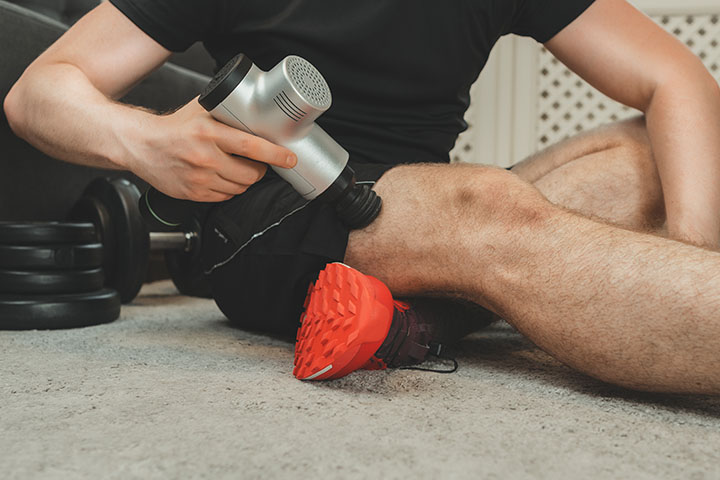
A massage gun is portable and can be used almost anywhere—at home, at the gym, or even at work. You don’t have to book appointments or rely on someone else.
5. Customizable
You can adjust the speed, pressure, and attachment heads to target different muscle groups and match your comfort level.
How To Use A Massage Gun For Muscle Soreness
Getting the most out of a massage gun is about using it safely and effectively. Here are some practical tips:
Start Slow
If you’re new to massage guns, start with the lowest speed and use a soft attachment. This helps your body get used to the sensation.
Target The Right Areas
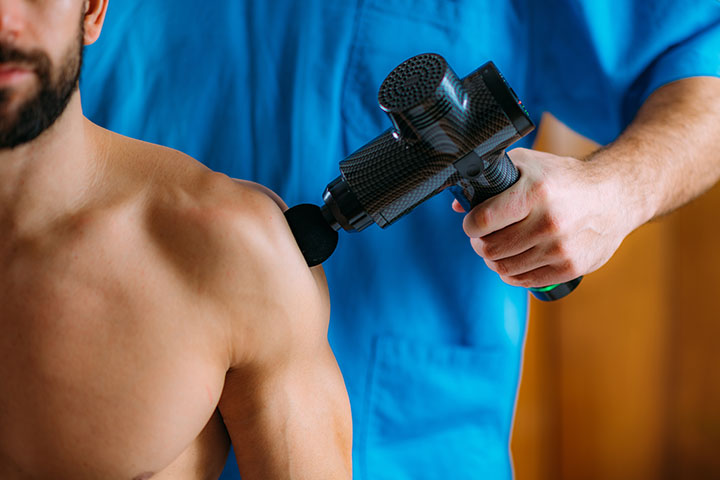
Focus on the muscles that feel sore, but avoid using the gun directly on bones, joints, or sensitive areas like the neck or spine.
Move Slowly
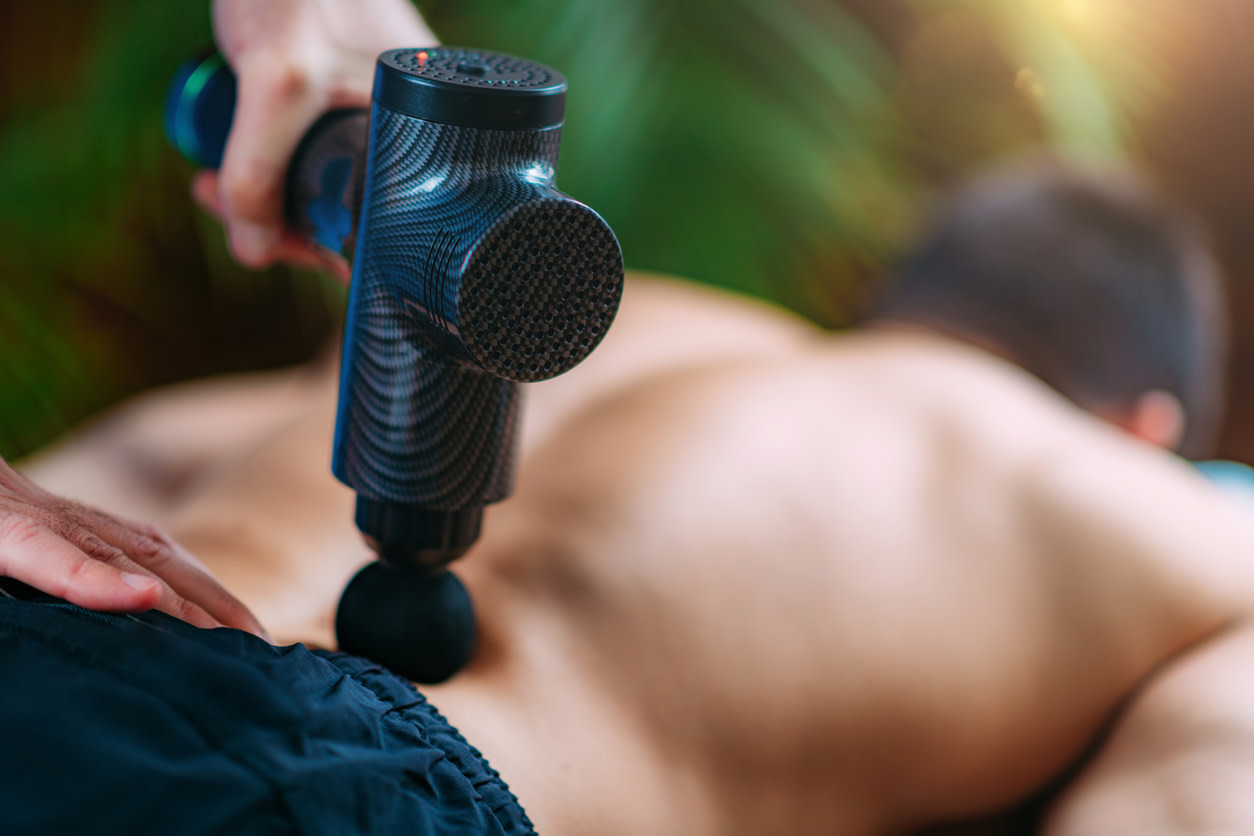
Hold the massage gun on the sore muscle for 1–2 seconds, then slowly move it along the length of the muscle. Don’t press too hard.
Limit Each Session
For each muscle group, 1–2 minutes is usually enough. Using the gun for too long can cause more soreness or bruising.
Stay Hydrated
Drink plenty of water after using a massage gun. This helps your body remove waste products and recover faster.
Who Should Use Massage Guns?
Massage guns can be helpful for many people:
- Athletes: To speed up recovery and reduce soreness after intense training.
- Fitness enthusiasts: To help muscles feel better after regular workouts.
- Office workers: To relax tense muscles from sitting all day.
- Older adults: To improve flexibility and reduce everyday aches.
But they are not for everyone. People with certain health conditions should talk to a doctor before using a massage gun.
Who Should Not Use Massage Guns?
There are some cases where massage guns should be avoided:
- Pregnant women: Especially on the lower back or abdomen.
- People with blood clotting disorders: The pressure can increase the risk of bleeding.
- Anyone with recent surgery or injuries: Using a massage gun on wounds or healing tissue can cause damage.
- Individuals with nerve disorders: The vibrations could make symptoms worse.
If you’re unsure, always check with a healthcare professional first.
Common Mistakes When Using Massage Guns
Even though massage guns are easy to use, many people make simple mistakes that reduce their benefits or even cause harm:
- Using too much pressure: Pressing too hard can cause bruising or make soreness worse.
- Holding in one spot for too long: This can damage the skin or underlying tissue.
- Using on bones or joints: Avoid these areas to prevent pain or injury.
- Skipping warm-up or cool-down: Massage guns work best as part of a full recovery routine.
- Ignoring pain signals: If something hurts, stop immediately.
Massage Gun Features That Matter
If you’re thinking about buying a massage gun, it’s important to know what features really make a difference. Here’s a side-by-side look at the most important factors:
| Feature | Why It Matters | What to Look For |
|---|---|---|
| Speed Settings | Lets you adjust intensity for comfort or muscle group | At least 3–5 speeds |
| Attachment Heads | Shapes target different muscles and needs | Round, flat, fork, bullet |
| Battery Life | Longer life means less charging, more convenience | At least 2 hours use per charge |
| Noise Level | Quieter is better for home or office use | Under 60 decibels |
| Weight | Lighter guns are easier to handle, especially for long sessions | Under 1.5 kg (3.3 lbs) |
A common beginner mistake is choosing the most powerful or expensive model, but for most people, a mid-range massage gun with basic features is more than enough.
Real User Experiences: What People Say
Many users share positive experiences online. Some common themes include:
- Quick relief: Many people feel better within minutes of using the gun.
- Improved sleep: Less soreness means better rest at night.
- Greater motivation: Feeling less sore makes it easier to stick with a workout routine.
However, a few users mention that massage guns don’t work for every type of pain. For example, deep joint pain or very old injuries may not respond as well.
Are There Any Risks Or Side Effects?
Massage guns are generally safe if used properly, but there are some possible side effects:
- Bruising: If you press too hard or use the gun for too long.
- Nerve pain: Using the gun on sensitive areas or nerves can cause tingling or numbness.
- Delayed healing: Using a massage gun on an injury or recent surgery site can slow down recovery.
If you have any health conditions or concerns, talk to a medical professional before using a massage gun.
How Do You Know If A Massage Gun Is Working?
It can be hard to measure exactly how much a massage gun is helping, but there are some easy ways to tell:
- Soreness decreases: If you feel less pain and can move more easily after using the gun, it’s working.
- Faster recovery: If you can work out more often or return to activities quicker, your recovery is improving.
- Better flexibility: If your muscles feel looser or you can stretch farther, the massage gun is helping.
However, if you notice more pain, bruising, or discomfort, stop using the device and consult a doctor.
Tips To Maximize Results With Massage Guns
Here are some expert tips to get the most out of your massage gun:
- Combine with other recovery methods: Stretching, drinking water, and good nutrition all help.
- Use before and after workouts: A quick session before can warm up muscles, and after can reduce soreness.
- Target trigger points: Focus on small, tight spots in the muscle for extra relief.
- Stay consistent: Regular use gives better results than just using it once in a while.
Some people miss the fact that muscle soreness is not always bad—it’s a sign your body is adapting. You don’t have to erase all soreness, just manage it so it doesn’t stop you from staying active.
What To Avoid When Using Massage Guns
To stay safe, avoid these common errors:
- Using on open wounds, rashes, or skin infections
- Applying to the front of the neck or throat
- Using on areas with poor sensation (numbness)
- Operating the device near pacemakers or implanted medical devices
Following these simple rules can prevent most problems.
Cost And Value: Are Massage Guns Worth It?
Massage guns can range from $50 for basic models to over $400 for premium versions. Here’s a quick comparison of what you get at each price point:
| Price Range | Features | Best For |
|---|---|---|
| $50–$100 | Basic speed, fewer attachments, shorter battery life | Beginners, occasional use |
| $100–$250 | Multiple speeds, quiet operation, good battery | Regular users, fitness fans |
| $250–$400+ | Professional quality, many attachments, longest battery | Athletes, therapists, heavy use |
Most people find that a mid-priced massage gun is enough for daily muscle soreness and recovery.
Non-obvious Insights Beginners Often Miss
- Massage guns are not only for pain: Many users believe these devices are just for soreness, but they also help prevent muscle tightness, prepare muscles before exercise, and even improve circulation in people who sit for long periods.
- Timing is important: Using a massage gun immediately after exercise or even before your muscles cool down can give better results than waiting several hours. The sooner you boost blood flow, the quicker your body starts recovering.
The Bottom Line: Can Massage Guns Really Reduce Muscle Soreness?
Massage guns can be a valuable tool for reducing muscle soreness. They work by increasing blood flow, relaxing muscles, and helping your body remove waste products after exercise. While they are not a complete replacement for professional massages or a healthy recovery routine, they are an effective, convenient, and affordable option for most people.
However, results can vary. Some people get almost instant relief, while others notice only a small difference. It’s also important to use the device correctly and avoid overuse or using it on injuries.
If you’re looking for a simple way to speed up recovery, reduce soreness, and support your active lifestyle, a massage gun is worth considering. But remember—no single tool is a magic fix. Combine your massage gun use with good sleep, hydration, and proper nutrition for the best results.
For further reading on percussive therapy and muscle recovery, check out this resource from Healthline.
Frequently Asked Questions
How Often Should I Use A Massage Gun For Sore Muscles?
You can use a massage gun 1–2 times per day on sore muscles. Most experts suggest limiting sessions to 1–2 minutes per muscle group to avoid overuse. Listen to your body—if you feel pain or increased soreness, take a break.
Can Massage Guns Replace Stretching Or Foam Rolling?
Massage guns can complement, but not completely replace, stretching and foam rolling. Each method has unique benefits. For the best results, use your massage gun alongside other recovery techniques.
Are Massage Guns Safe For Everyone?
Most healthy adults can use massage guns safely, but they are not recommended for pregnant women, people with blood clotting disorders, or those with certain injuries. If you have a medical condition, check with your doctor before using one.
How Long Does It Take To Feel Results From A Massage Gun?
Many people notice relief within minutes of using a massage gun, especially for mild soreness. For deeper muscle pain or severe soreness, it may take a few sessions to feel the full benefits.
Which Muscles Should I Avoid With A Massage Gun?
Avoid using a massage gun on the neck (front), spine, joints, open wounds, and areas with numbness or swelling. Always target large muscle groups and avoid sensitive or bony areas to prevent injury.

