

Choosing the right massage gun can feel confusing. Ads show numbers like RPM, stall force, amplitude, and wattage, but what do they really mean? If you pick a massage gun that’s too weak, it may not help your muscles. Too powerful, and you risk discomfort or even injury.
So, how powerful should a massage gun be? This guide will help you understand what “power” means for massage guns, how to match the right power level to your needs, and what mistakes to avoid. You’ll also learn about other key factors like speed, stroke depth, and motor design that impact a massage gun’s effectiveness.

36% off Today’s Exclusive Deals
Limited-time Exclusive Deals. Check current discount on Amazon.
Check Price on Amazon As an Amazon Associate I earn from qualifying purchases.Understanding Massage Gun Power
Power in massage guns isn’t just about one number. It involves several features:
- RPM (Revolutions Per Minute): How fast the head moves.
- Stall Force: How much pressure the device can handle before stopping.
- Amplitude: How far the head moves with each hit.
- Motor Wattage: The strength of the motor itself.
Each of these affects how deep and strong the massage feels. But more isn’t always better. Let’s explore each feature in detail.
What Is Rpm?
RPM tells you how many times per minute the massage gun’s head moves back and forth. Most devices offer a range, like 1,200 to 3,200 RPM. Low RPM is gentler, while high RPM feels more intense. But high RPM alone does not guarantee a good massage.
If amplitude and stall force are weak, a high RPM may just vibrate on the skin without real muscle relief.
What Is Stall Force?
Stall force is how much pressure you can apply before the motor stalls or stops. Think of it as the device’s “muscle.” A higher stall force allows you to press the massage gun deeper into the muscle without it stopping. Cheaper models may stall at just 20 pounds of force, while pro-level guns can handle 60 pounds or more.
What Is Amplitude?
Amplitude (also called stroke length) is how far the head moves in and out. A longer amplitude (12–16 mm) means the massage reaches deeper layers of muscle. Short amplitude (8–10 mm) is more surface-level. For deep tissue relief, amplitude matters as much as RPM.
What Is Motor Wattage?
Motor wattage (measured in watts) shows how strong the motor is. Higher wattage can mean more power and durability, but efficiency also matters. Some well-designed motors deliver strong force at lower wattages.
How Powerful Should A Massage Gun Be For Different Users?
Not everyone needs the most powerful massage gun. The “right” power depends on your body, your goals, and your tolerance for intensity.
For General Relaxation
If you want to relax muscles after a long day or reduce stress, you don’t need extreme power.
- RPM: 1,500–2,400 is enough
- Stall Force: 20–35 lbs
- Amplitude: 8–12 mm
These settings are gentle and safe for daily use, even for people with little massage experience.
For Fitness Enthusiasts
If you exercise regularly or want to speed up recovery, you may need more power.
- RPM: 1,800–2,800
- Stall Force: 30–50 lbs
- Amplitude: 10–14 mm
This range helps break up muscle knots and improves blood flow after tough workouts.
For Athletes And Deep Tissue Needs
Professional athletes or people with very tight muscles may want the most powerful options.
- RPM: 2,000–3,200
- Stall Force: 40–60+ lbs
- Amplitude: 12–16 mm
High stall force and long amplitude allow you to press deep into sore areas without the gun stalling.
For Sensitive Users
Some people have sensitive skin or medical conditions that require a soft touch. For them:
- RPM: 1,200–2,000
- Stall Force: 10–25 lbs
- Amplitude: 8–10 mm
Always start at the lowest setting and increase slowly.
Comparing Massage Gun Power: Examples
Here’s a look at how different massage guns compare in terms of power specs:
| Model | RPM Range | Stall Force | Amplitude | Best For |
|---|---|---|---|---|
| Theragun Pro | 1,750–2,400 | 60 lbs | 16 mm | Pro Athletes |
| Hypervolt 2 | 1,800–3,200 | 35 lbs | 12 mm | Fitness Users |
| RENPHO R3 Mini | 1,800–3,200 | 20 lbs | 10 mm | Travel, Gentle Use |
| LifePro Sonic LX | 1,800–3,400 | 33 lbs | 12 mm | Everyday Recovery |
Notice how Theragun Pro offers the highest stall force and amplitude, ideal for deep tissue work. The RENPHO Mini is portable and light, but not strong enough for heavy muscle relief.
Why More Power Isn’t Always Better
It’s tempting to think the most powerful massage gun is always best. This is not true. Too much force can bruise muscles, irritate nerves, or cause pain. Sensitive areas like the neck, spine, or joints need less power. Using high stall force and amplitude on these spots can do more harm than good.
A common mistake is to use the highest setting all the time. Many beginners believe more intensity means faster recovery, but this can actually slow healing. Muscles need time to adapt, and aggressive pounding can cause soreness or inflammation.
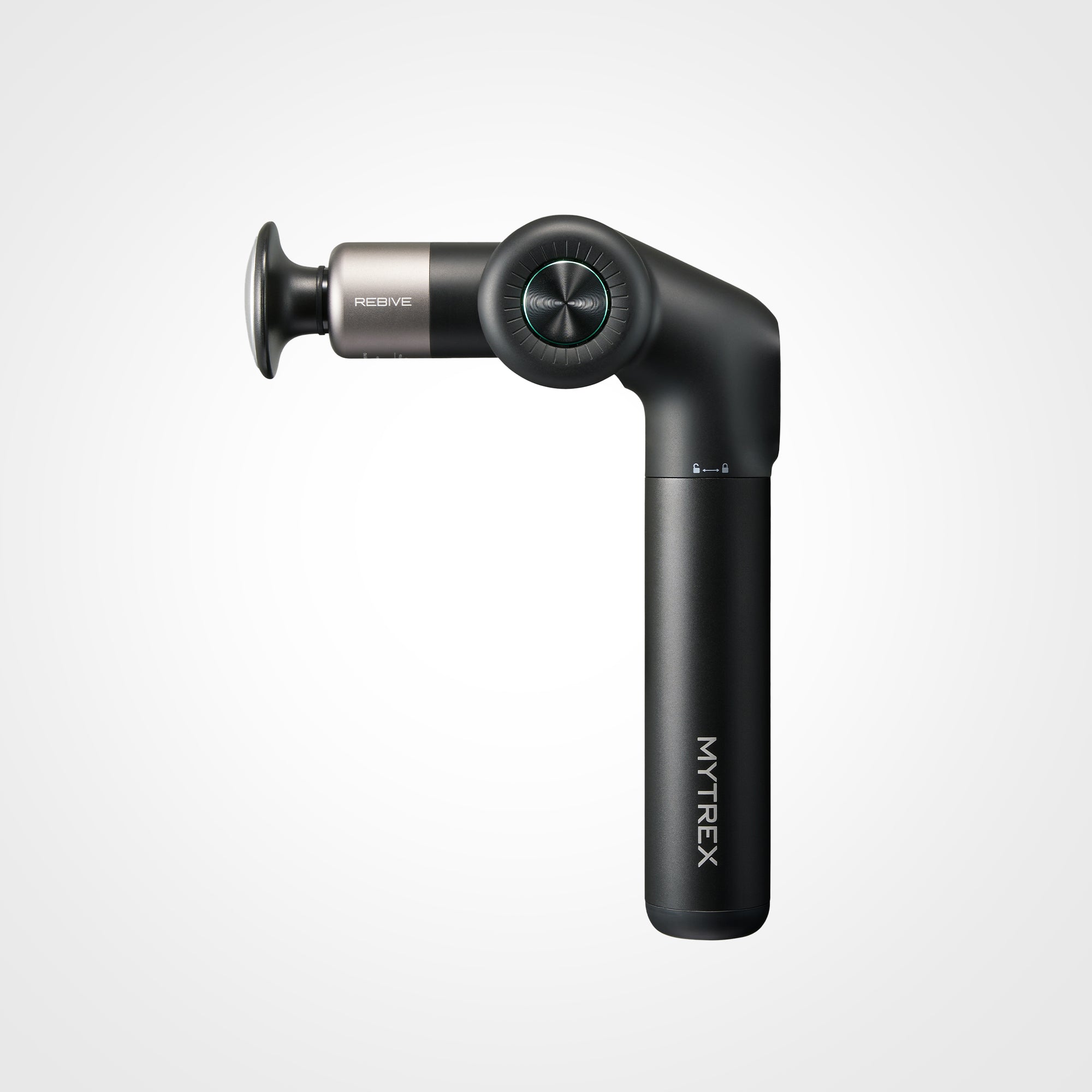
How To Match Power With Your Goals
To choose the right massage gun power, ask yourself:
- What will you use it for? Relaxation, recovery, deep knots, or warm-up?
- How sensitive are your muscles? Do you bruise easily or have medical issues?
- Who will use it? Will others in your family use the device? Choose adjustable options for shared use.
- Where will you use it? Home, gym, or travel? Portability can affect power.
For most people, a mid-range gun with adjustable settings is best. Look for models with at least three speed levels and a stall force above 30 lbs. If you only need light massages, a mini or entry-level gun is enough.
Key Features Beyond Power
While power is important, other features can improve or limit your massage experience.
Speed Settings
Multiple speed options allow you to adjust intensity for different muscle groups. A good massage gun should offer at least three speeds.
Noise Level
High-power motors can be loud. Quieter models (under 60 dB) are better for relaxing at home or using in shared spaces.
Weight And Ergonomics
Heavier guns are harder to hold for long periods, especially for self-massage on the back or shoulders. Comfortable handles and light weight (under 2. 5 lbs) make a difference.
Battery Life
More powerful motors use more battery. Look for at least 2 hours of use per charge, or removable batteries for longer sessions.
Attachments
Different head shapes target different muscles. Hard, round heads are for big muscle groups. Soft or flat heads are for sensitive areas. Make sure your massage gun comes with at least three attachments.
Comparing Power Vs. Other Features
Let’s see how power compares to other factors in overall user satisfaction:
| Feature | Impact on Effectiveness | Impact on Comfort |
|---|---|---|
| Stall Force | High | Medium |
| Amplitude | High | Medium |
| RPM | Medium | High |
| Noise Level | Low | High |
| Weight | Low | High |
| Battery Life | Medium | Medium |
Notice how stall force and amplitude are crucial for effectiveness, while noise and weight matter more for comfort.
Common Mistakes When Choosing Massage Gun Power
Even experienced buyers make errors when picking a massage gun. Here are some to avoid:
- Chasing High RPM Alone: High RPM with low amplitude only vibrates, not percusses. Both matter.
- Ignoring Stall Force: If the gun stalls easily, it won’t help deep muscles.
- Overlooking Amplitude: Short amplitude is fine for surface massage, but not for deep knots.
- Selecting Too Much Power: Can cause pain or bruising, especially for beginners.
- Forgetting About Ergonomics: A powerful gun that’s hard to hold or too heavy won’t get used.
- Choosing Based on Price Alone: Cheap guns may look strong on paper but can break or overheat quickly.
Practical Tips For Using Powerful Massage Guns Safely
A powerful massage gun is a tool, not a magic solution. Use it wisely to avoid injury and get the best results.
Start Slow
Begin with the lowest speed and shortest session time (around 30 seconds per muscle group). Increase gradually as your muscles adapt.
Avoid Bony Areas
Do not use high power on bones, joints, or the spine. Stick to large muscle groups like thighs, calves, and shoulders.
Listen To Your Body
If you feel sharp pain, tingling, or numbness, stop immediately. Soreness is normal after deep massage, but pain is not.
Don’t Overuse
Limit sessions to 2–3 minutes per muscle group. Too much pressure or time can cause muscle damage.
Clean And Maintain
Powerful motors can overheat or wear out if not cared for. Clean attachments after each use and let the device rest between sessions.
Real-world Examples: What Power Feels Like
Many beginners can’t tell the difference between 20 lbs and 50 lbs of stall force until they try both. Here’s what users typically experience:
- 20 lbs Stall Force: Feels relaxing, good for arms and neck, but stalls easily on large muscles.
- 35 lbs Stall Force: Satisfying for most people, rarely stalls on legs or back.
- 50+ lbs Stall Force: Can be uncomfortable for new users, best for deep, stubborn knots.
Amplitude is also noticeable. A 16 mm amplitude “punches” into the muscle, while a 10 mm amplitude feels more like vibration.
Scientific Insights: How Power Affects Recovery
Research shows that percussive therapy (the rapid, deep movement provided by massage guns) can:
- Improve blood flow
- Reduce muscle soreness
- Increase range of motion
However, studies also warn that too much force or speed can cause micro-tears in muscle fibers. One study in the *Journal of Clinical Medicine* found that moderate intensity (not maximum) provided the best recovery results for most people.
For those with health issues like blood clotting disorders, nerve problems, or recent injuries, using high-power massage guns may not be safe. Always consult a doctor if unsure.
How To Test Massage Gun Power Before Buying
Many stores allow you to try massage guns before buying. Here’s how to test:
- Check Stall Force: Press the gun gently into your thigh. Does it stall easily?
- Feel the Amplitude: Does the head move in and out clearly, or just vibrate?
- Try Different Speeds: Start low and increase. See what feels best for you.
- Test Attachments: Try both hard and soft heads on different muscles.
If buying online, read reviews from people with similar body types or needs. Look for real feedback, not just numbers.
Power Specs: What’s Marketing Hype Vs. Reality
Some brands exaggerate numbers. For example, “3,600 RPM” sounds impressive, but with only 8 mm amplitude and 15 lbs stall force, it’s not truly powerful. Also, very high RPM with low amplitude can feel uncomfortable and “buzzing. ”
Focus on real-world performance, not just specs. The Theragun Pro is popular with athletes not just for its numbers, but because its power is balanced and reliable over time.
For trusted specs and comparisons, visit CNET’s Massage Gun Reviews.
The Right Power For Common Scenarios
To make things easier, here’s a quick guide for different users:
| User Type | Recommended Stall Force | Recommended Amplitude | RPM Range |
|---|---|---|---|
| Office Worker | 20–35 lbs | 8–12 mm | 1,500–2,500 |
| Runner | 30–50 lbs | 10–14 mm | 1,800–3,000 |
| Weightlifter | 40–60 lbs | 12–16 mm | 2,000–3,200 |
| Senior | 10–25 lbs | 8–10 mm | 1,200–2,000 |
| Travel User | 15–25 lbs | 8–10 mm | 1,600–2,800 |
Use this as a starting point, but always adjust to your own comfort.

Two Insights Most Beginners Miss
- Amplitude is more important than RPM for deep muscle relief. A massage gun with 16 mm amplitude and only 2,000 RPM will feel much deeper and more satisfying than one with 8 mm amplitude and 3,200 RPM. Don’t be fooled by high RPM alone.
- Stall force protects against “fake” power. Some guns feel strong at first, but stall with only a little pressure. Always check stall force if you want to use the gun on large, thick muscles.
The Bottom Line: How Much Power Do You Need?
You don’t need the biggest, heaviest massage gun to get results. For most people, a device with:
- 1,800–2,800 RPM
- 30–50 lbs stall force
- 10–14 mm amplitude
Is powerful enough for recovery, relaxation, and everyday aches. Choose higher specs only if you are an athlete or need deep tissue work. Always prioritize comfort, safety, and quality over numbers.
Massage guns are a great tool for muscle recovery, but only when matched to your needs. Use this guide to find the right balance of power and features so you can enjoy better performance, faster recovery, and less pain—without risking injury.
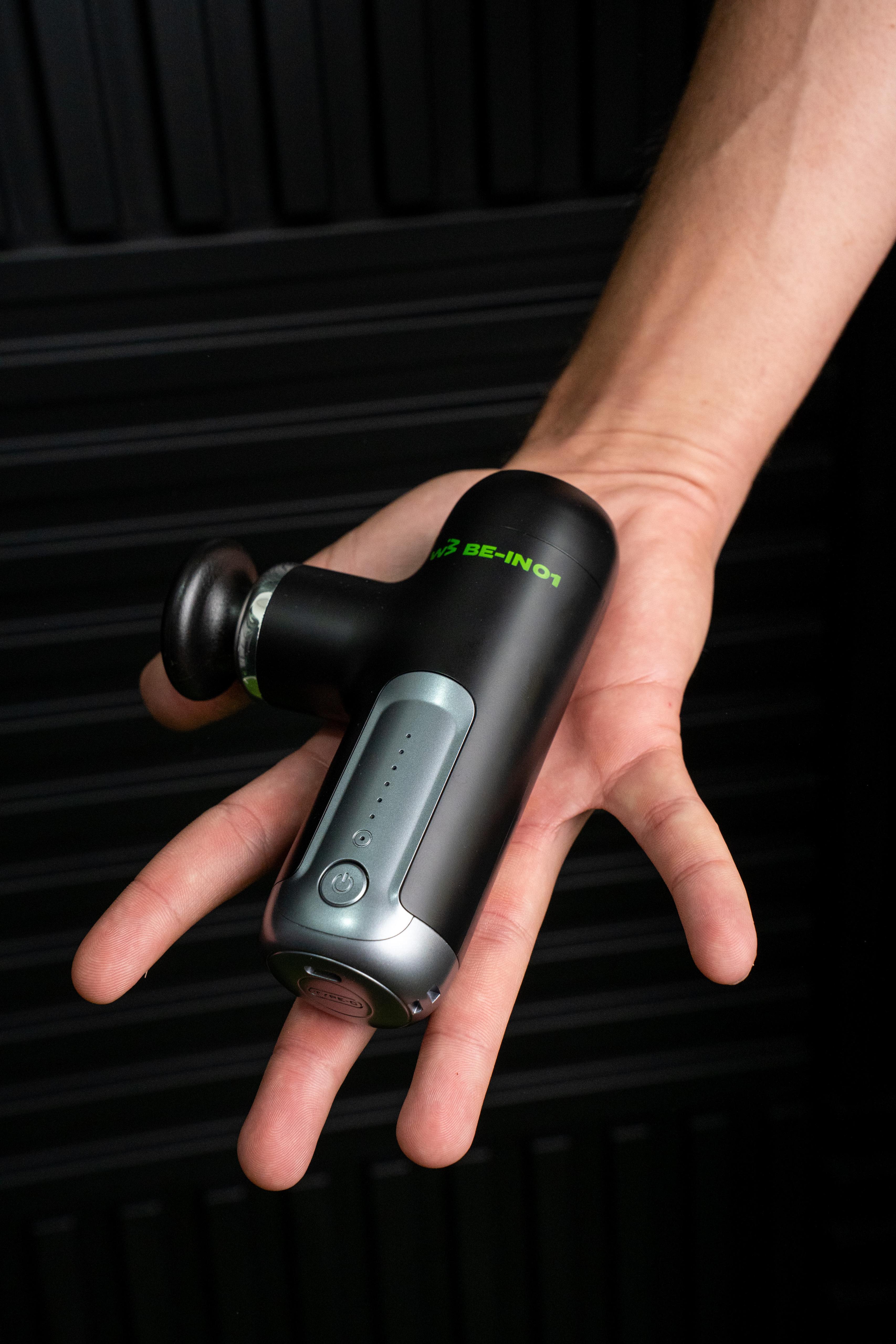
Frequently Asked Questions
What Happens If I Use A Massage Gun That’s Too Powerful?
Using a massage gun that’s too powerful can cause muscle soreness, bruising, or even nerve irritation. It’s important to start at a low setting and only increase if you feel comfortable. Too much force can actually slow muscle recovery.
How Do I Know If A Massage Gun Is Powerful Enough For Me?
Check the stall force and amplitude. If you want deep muscle relief, look for at least 30 lbs stall force and 12 mm amplitude. For gentle use, lower numbers are fine. Try the gun if possible, or look for user reviews from people with similar needs.
Can High Power Damage My Muscles?
Yes, if used incorrectly. Very high stall force and amplitude can cause micro-tears, soreness, or bruises. Always avoid bony areas and stick to large muscles. Limit each session to 2–3 minutes per area.
Is Higher Rpm Always Better?
No. Higher RPM means faster movement, but without enough amplitude or stall force, it may just vibrate on the skin. The best massage guns balance RPM, amplitude, and stall force.
Are Mini Massage Guns Powerful Enough?
For light use, travel, or sensitive users, mini massage guns are usually enough. They often have lower stall force and amplitude, which is fine for relaxing muscles but not for deep knots or athletes.
By choosing the right power level for your needs and using your massage gun wisely, you’ll get the most benefit with the least risk. If in doubt, start with a mid-range model and listen to your body—it knows best.

