

Every runner knows the feeling: sore legs after a tough workout, tight calves after a long run, or a deep ache in the quads from hill sprints. Many athletes search for ways to speed up recovery and avoid injury, and massage guns have become a popular tool for this. But are massage guns actually good for runners, or are they just another fitness trend? Let’s look closely at what massage guns do, how they work, and whether they really help runners recover, perform, and stay healthy.
What Is A Massage Gun?
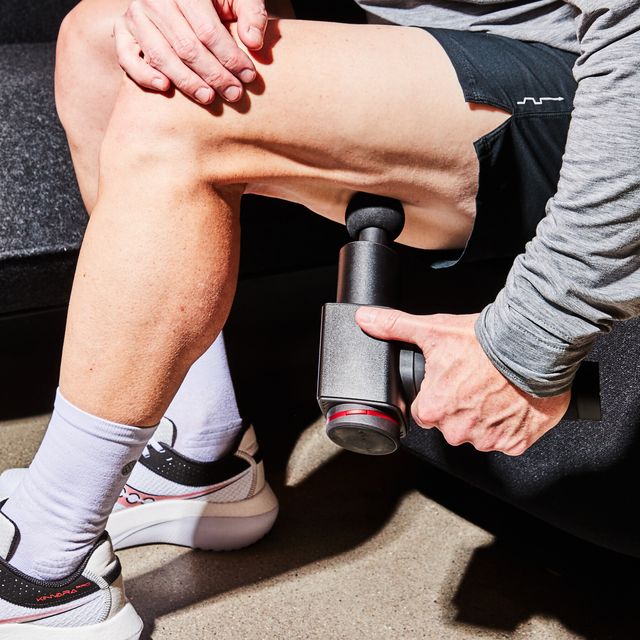
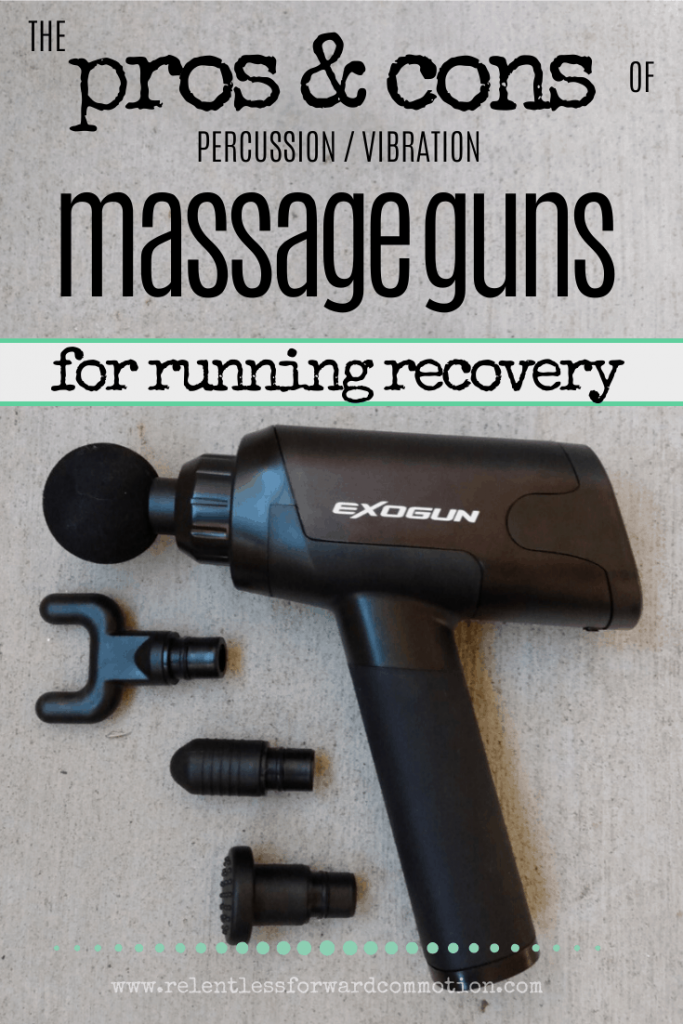
A massage gun is a handheld device that delivers rapid, repeated pulses to your muscles. This is called percussive therapy or vibration therapy. Most massage guns have different speed settings, attachable heads for different muscle groups, and a rechargeable battery. You simply hold the device and press it gently against the muscle you want to treat.

36% off Today’s Exclusive Deals
Limited-time Exclusive Deals. Check current discount on Amazon.
Check Price on Amazon As an Amazon Associate I earn from qualifying purchases.The idea is to mimic some effects of a deep-tissue massage, but in a way that you can do yourself, at home or even at the track. Many runners use massage guns before or after a run, hoping to reduce soreness, relax tight spots, or warm up muscles.
How Massage Guns Work For Runners
Massage guns work by applying fast, repeated pressure to your muscles. This action is thought to help:
- Increase blood flow to the area
- Reduce muscle tension
- Break up knots or adhesions in the tissue
- Stimulate the nervous system for better muscle activation
For runners, this could mean less soreness after hard workouts, faster recovery between runs, and possibly lower risk of injury. However, the real-world benefits depend on how you use the massage gun, your running habits, and your individual body.
The Science: What Research Says
Many studies have looked at percussive and vibration therapy, though fewer focus directly on massage guns. Here’s what science suggests:
- Reduced delayed onset muscle soreness (DOMS): Some research shows that vibration therapy can reduce soreness after exercise. One study in the *Journal of Clinical & Diagnostic Research* found that vibration therapy helped lessen muscle soreness 24-72 hours after a workout.
- Improved range of motion: A 2020 study published in the *Journal of Sports Science & Medicine* found that using a massage gun before stretching improved flexibility in the calf muscles, which is crucial for runners.
- Better blood flow: Percussive therapy can increase blood flow to muscles for a short time, which may help with recovery.
- No major effect on strength or power: Most studies show that massage guns do not make you run faster or jump higher, but may help you feel better after exercise.
It’s important to note that while these effects are promising, most studies are small and more research is needed. Still, the current evidence suggests that massage guns can play a helpful role in a runner’s recovery plan.

Key Benefits Of Massage Guns For Runners
Let’s break down the main advantages runners can expect from using a massage gun, based on available evidence and real-world experience.
1. Faster Recovery After Runs
Running hard or long can cause micro-tears in muscle fibers. This is natural, but the body needs time to repair. Massage guns help by boosting blood circulation, which brings more oxygen and nutrients to damaged tissue. This can help speed up the healing process, letting you train more often without feeling as sore.
2. Relief From Muscle Soreness
Many runners experience delayed onset muscle soreness (DOMS) after tough workouts or races. Using a massage gun for just 5–10 minutes on sore areas can significantly reduce pain. The rapid tapping action interrupts pain signals and relaxes tight muscles.
3. Improved Flexibility And Range Of Motion
Tight muscles restrict movement, leading to poor running form and higher risk of injury. Research shows massage guns can temporarily increase flexibility, especially if used before stretching. This is useful for runners with stiff calves, hamstrings, or quads.
4. Warm Up Muscles Before A Run
A short massage gun session before running increases blood flow and wakes up the nervous system. This helps prepare muscles for the demands of running and can reduce the chance of strains or pulls.
5. Breaking Up Knots And Trigger Points
Runners often develop knots or trigger points in the muscles, especially in the calves, IT band, or glutes. Massage guns can target these spots directly, helping to release tension and restore normal function.
6. Convenient Self-care
Not everyone has time or money for frequent professional massages. Massage guns offer a practical way to treat sore muscles at home, on your own schedule.
7. Mental Relaxation
Muscle relaxation from the massage gun can also help the mind unwind. For runners who feel anxious before a race or struggle with post-workout stress, this can be an added benefit.
Comparing Massage Guns To Other Recovery Tools
Many runners use foam rollers, lacrosse balls, or even manual massage for recovery. How do massage guns compare? Here’s a look at the main differences and similarities.
| Tool | How It Works | Main Benefits | Best For | Limitations |
|---|---|---|---|---|
| Massage Gun | Percussive therapy | Deep tissue, targeted relief, quick use | Large and small muscle groups, knots | Cost, noise, battery life |
| Foam Roller | Self-myofascial release | Broad muscle coverage, affordable | Quads, hamstrings, back | Hard to target small spots, requires effort |
| Lacrosse Ball | Direct pressure | Pinpoint knots, portable | Glutes, feet, shoulders | Can be too intense, less comfortable |
| Manual Massage | Hands-on manipulation | Personalized, professional | Specific injuries, relaxation | Expensive, scheduling needed |
Massage guns stand out for their speed, deep pressure, and ability to target specific spots with little effort. However, they are not the only option, and some runners prefer to combine several tools for best results.
Potential Downsides And Risks
While massage guns offer many benefits, they are not perfect for everyone. Some possible issues include:
- Bruising or soreness: Using too much pressure or spending too long on one spot can cause bruising or extra soreness, especially for beginners.
- Not suitable for injuries: If you have a muscle tear, fracture, or inflammation (like tendonitis), using a massage gun could make things worse. Always check with a doctor if you are unsure.
- Overuse: More is not always better. Using a massage gun for too long or too often can irritate tissues and delay healing.
- Noise and vibration: Some massage guns are loud or produce strong vibrations, which may be uncomfortable for some users.
A key insight many beginners miss: massage guns should not replace proper rest, nutrition, or medical care. They are a tool, not a cure-all.
How To Use A Massage Gun As A Runner
To get the most from your massage gun, it’s important to use it correctly. Here’s a step-by-step guide:
1. Choose The Right Attachment
Most massage guns come with several heads:
- Ball head: Good for large muscle groups (quads, calves, glutes)
- Bullet head: Targets deep knots and trigger points
- Flat head: General use, broad muscle areas
- Fork head: Along the spine or Achilles tendon
Pick the right head for the area you want to treat.
2. Turn On And Select Speed
Start on the lowest speed, especially if you are new to massage guns. Increase the speed if you need more pressure, but avoid going too fast right away.
3. Apply Gently
Place the massage gun lightly on the muscle. Let the device do the work. Do not press hard—this can cause pain or bruising.
4. Move Slowly
Glide the gun slowly (about 1 inch per second) along the muscle. Spend 30 seconds to 2 minutes on each area, but not more than 2 minutes in one spot.
5. Focus On Sore Or Tight Areas
Pay extra attention to spots that feel stiff, but avoid going directly over bones, joints, or injuries.
6. Use Before Or After Runs
- Before a run: Use for 1–2 minutes per muscle group to help warm up.
- After a run: Use for 2–3 minutes per muscle group to help relax and recover.
7. Listen To Your Body
If you feel sharp pain, numbness, or strong discomfort, stop immediately. The goal is to feel better, not worse.
8. Clean And Charge The Device
Wipe down the attachments after use and recharge the battery as needed.
Tips For Runners Using Massage Guns
Here are some practical tips to maximize your results:
- Start slow: If you’re new, begin with short sessions (30–60 seconds per muscle) and increase gradually.
- Stay hydrated: Massage can increase blood flow, so drink water before and after.
- Combine with stretching: Use the massage gun, then stretch for deeper flexibility gains.
- Be consistent: Regular use (2–4 times per week) helps more than using it only after hard runs.
- Don’t skip problem areas: Pay attention to calves, hamstrings, and glutes—these are common trouble spots for runners.
- Avoid bony areas: Do not use the gun on your shins, knees, or directly over the spine.
- Consult a professional: If you have a history of injuries or medical conditions, talk to a doctor or physical therapist before using a massage gun.
When Not To Use A Massage Gun
Massage guns are not for everyone or every situation. Do not use a massage gun if you have:
- Recent injuries like sprains, strains, or fractures
- Severe swelling or bruising
- Open wounds or skin infections
- Varicose veins
- Blood clotting disorders
- Pregnancy (without doctor’s advice)
- Nerve or circulation problems
If you are unsure, always ask a medical professional first.
How Massage Guns Compare: Data And Popular Models
There are many massage guns on the market. Some are designed for general fitness, others for athletes. Here is a comparison of several popular models used by runners:
| Brand/Model | Price Range (USD) | Stall Force (lbs) | Battery Life (hours) | Noise Level (dB) | Attachments |
|---|---|---|---|---|---|
| Theragun PRO | $399–$599 | 60 | 2.5 | 55–65 | 6 |
| Hyperice Hypervolt 2 | $249–$299 | 35 | 3 | 60 | 5 |
| TimTam Power Massager | $199–$399 | 75 | 1 | 70 | 3 |
| Achedaway Pro | $299–$349 | 80 | 2–4 | 60 | 5 |
| Bob and Brad C2 | $99–$129 | 35 | 4 | 50 | 5 |
When choosing a model, runners often consider weight, battery life, noise, and stall force (how hard the gun can press before stopping). Higher stall force and more attachments are good for deeper muscle work, but may not be needed for everyone.
Common Mistakes Runners Make With Massage Guns
Using a massage gun seems simple, but beginners often make mistakes that limit results or cause problems. Here are some to avoid:
- Pressing too hard: This can cause bruising or tissue damage. Let the gun do the work.
- Staying on one spot too long: Don’t spend more than 2 minutes on a single area.
- Ignoring warning signs: If you feel pain, tingling, or numbness, stop right away.
- Using only after injury: Massage guns help most when used regularly, not just after you get hurt.
- Using on injuries: Never use on fresh injuries, swelling, or open wounds.
- Skipping hydration: Recovery tools work best when your body is well-hydrated.
A less obvious insight: Many runners forget to treat the muscles above and below the sore area. For example, knee pain can be eased by working on the quads and calves, not just the knee itself.
Real-world Experiences: What Runners Say
Many runners report positive experiences with massage guns. For example, those training for marathons use them to manage daily soreness and keep up with intense mileage. Trail runners often use massage guns on calves and glutes after tough, hilly runs.
Sprinters find that a quick session before workouts helps them feel lighter and more agile.
However, some users say that massage guns didn’t help much with chronic injuries or deep muscle problems. Others found the noise or vibration uncomfortable. The key is that massage guns work best as part of a larger recovery plan, not as the only solution.
Should Runners Invest In A Massage Gun?
If you run regularly and want to improve your recovery, a massage gun can be a smart investment. They are especially useful if you:
- Train 4+ times per week
- Run long distances or races
- Get regular muscle soreness or tightness
- Want to avoid frequent trips to a massage therapist
However, if you only run occasionally, have a limited budget, or do not like strong sensations, you may get similar benefits from foam rolling or stretching.
Expert Opinions
Most sports doctors, physical therapists, and elite coaches agree that massage guns are safe and effective when used correctly. They recommend them as a way to supplement—not replace—other recovery methods like stretching, rest, proper nutrition, and professional care.
The American Council on Exercise and other groups note that percussive therapy can help with muscle soreness and flexibility, but should be used with caution, especially for people with health concerns.
For more on the science behind percussive therapy, you can visit this research article.
Frequently Asked Questions
What Muscles Should Runners Use A Massage Gun On?
Runners should focus on the calves, hamstrings, quadriceps, glutes, and hip flexors. These muscles do most of the work during running and are prone to soreness and tightness. Avoid using the massage gun directly on bones or joints.
How Often Should Runners Use A Massage Gun?
Most runners benefit from using a massage gun 2–4 times per week, or after hard workouts and long runs. Daily use is safe if you keep sessions short (1–2 minutes per muscle group) and pay attention to how your body feels.
Are Massage Guns Better Than Foam Rollers For Runners?
Massage guns offer deeper, more targeted relief and are easier to use on specific areas. Foam rollers are better for broad muscle groups and are more affordable. Many runners use both tools for the best results.
Can Massage Guns Prevent Running Injuries?
Massage guns can help reduce muscle tightness and improve flexibility, which may lower the risk of some injuries. However, they cannot prevent all injuries. Proper training, stretching, and rest are also important.
Are There Risks To Using A Massage Gun As A Runner?
Yes, if used incorrectly. Risks include bruising, increased soreness, or worsening certain injuries. Avoid using the massage gun on recent injuries, swollen areas, or if you have health conditions like blood clots or severe varicose veins.
A massage gun can be a valuable tool for runners, offering fast relief from soreness, better flexibility, and a convenient way to manage muscle health. Like any tool, its benefits depend on how you use it. When added to a solid recovery plan, massage guns can help runners train harder, recover faster, and enjoy their sport with less pain and fewer injuries.
Always listen to your body and consult a professional if you have questions about your health or recovery.

