

Taking a dip in an ice bath tub is now a popular way to recover after sports or ease muscle pain. But while the chill might be easy to handle, there’s another side most people overlook: maintenance. Whether you own a small home ice tub or a high-end commercial model, keeping your tub clean and functional is not automatic. If you ignore maintenance, you risk germs, bad smells, and a shorter lifespan for your investment. Let’s explore what it really means to care for an ice bath tub and why skipping these steps could cost you more than you think.
Why Ice Bath Tub Maintenance Matters
Most people see ice bath tubs as simple—just add water and ice, and you’re done. In reality, regular maintenance is essential for several reasons:

36% off Today’s Exclusive Deals
Limited-time Exclusive Deals. Check current discount on Amazon.
Check Price on Amazon As an Amazon Associate I earn from qualifying purchases.- Water safety: Standing cold water can still allow bacteria to grow. Sweat, skin cells, and even outdoor debris collect quickly.
- Tub longevity: A well-maintained tub lasts years longer. Neglect causes rust, cracks, or mold.
- Experience quality: Clean tubs smell better and feel safer, making your recovery or relaxation time much more enjoyable.
Some beginners believe cold temperatures kill all bacteria, but research shows many microbes thrive even at low temperatures. In fact, Legionella bacteria, which can cause serious lung infections, are known to survive in cool, stagnant water. So, ice bath maintenance isn’t just about keeping things looking good—it’s about your health.
Types Of Ice Bath Tubs And Their Maintenance Needs
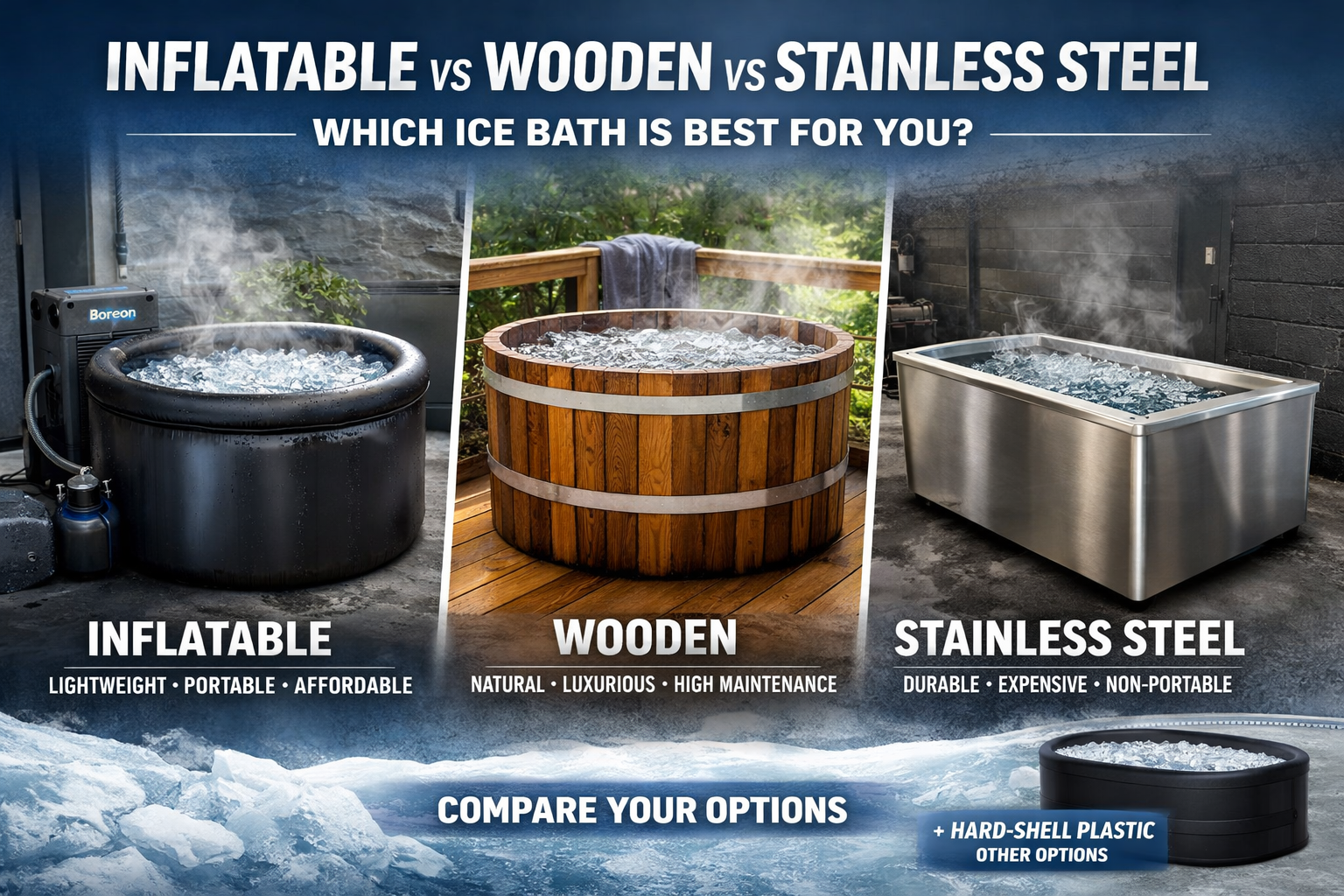
Not all ice bath tubs are the same. The type you own changes how you clean and care for it. Here’s a breakdown of the main types:
| Type | Main Materials | Typical Features | Maintenance Level |
|---|---|---|---|
| Portable Inflatable | PVC, Vinyl | Lightweight, collapsible | Low to Medium |
| Hard Shell (Plastic/Fiberglass) | Polyethylene, Fiberglass | Sturdy, often insulated | Medium |
| Stainless Steel | Stainless Steel | High-end, durable, sometimes with cooling units | Medium to High |
| Wooden | Cedar, Redwood | Traditional look, requires sealing | High |
| Ice Bath Chillers | Mixed (Plastic + Electronics) | Active cooling, filtration | High |
Each type has unique challenges. For example, inflatable tubs may get punctures or mold in creases, while wooden tubs need regular sealing to prevent rot. If you buy a tub with an integrated chiller or filter, you have more parts to check and clean.
Basic Maintenance Tasks For All Ice Bath Tubs
No matter what type of ice bath tub you have, some maintenance steps are universal. Missing any of these can lead to problems, so they should become routine.
1. Regular Water Changes
Stagnant water, even when cold, collects bacteria and debris. Change the water at least once a week if you use the tub daily. For heavy use, consider changing it every 2-3 days. Never reuse water that looks cloudy or smells odd.
2. Surface Cleaning
Wipe the interior and exterior with a mild soap or specialized tub cleaner. Avoid harsh chemicals that can damage the tub’s material or cause skin irritation. Pay special attention to corners and seams where grime builds up.
3. Rinsing
After cleaning, rinse all surfaces with clean water. Leftover soap or chemicals can cause skin reactions or change the tub’s water chemistry.
4. Drying
Always dry the tub thoroughly after cleaning and before storing, especially for inflatable tubs. Moisture left behind encourages mold and mildew.
5. Inspecting For Damage
Check for cracks, leaks, or loose parts. Early signs of damage are easier and cheaper to fix than big breaks later.
6. Water Treatment (optional)
Some owners use chlorine tablets or non-chlorine alternatives to help keep water clean for longer. If you do, follow the manufacturer’s dosage closely and test the water regularly. Too much chemical can irritate the skin.
Maintenance By Tub Material
Material matters a lot for maintenance. Here’s how to adapt your routine for different tubs:
Plastic Or Fiberglass Tubs
- Use only soft cloths or sponges to avoid scratching the surface.
- Avoid abrasive cleaners.
- Check seals around drains and plugs; replace if cracked.
Stainless Steel Tubs
- Wipe with a dedicated stainless steel cleaner or a mix of vinegar and water.
- Dry immediately to prevent water spots or rust.
- Inspect for dents, which can lead to leaks if ignored.
Wooden Tubs
- Use a soft brush and gentle soap; never soak the wood with harsh chemicals.
- Apply wood sealant at least once per year.
- Check for splinters, cracks, or mold.
Inflatable Tubs
- Rinse and dry after every use, especially before storing.
- Use patch kits for punctures right away.
- Keep out of direct sun when not in use to prevent material breakdown.
Ice Bath Chillers And Filtered Systems
- Clean or replace filters as instructed (usually every 2-4 weeks).
- Descale internal pipes if you have hard water.
- Check all electrical connections for safety.
Key Areas Most Owners Forget To Clean
Even with regular cleaning, some spots get missed:
- Drain plug and hose: Debris collects here, causing blockages and smells.
- Seams and handles: These trap sweat and water, leading to mold.
- Under the tub: Moisture can collect underneath, especially outdoors, encouraging rust or rot.
- Jets and filters (if present): These harbor bacteria if not cleaned regularly.
Set a reminder to deep-clean these areas at least once a month.
How Often Should You Maintain Your Ice Bath Tub?
The right schedule depends on how much you use it and the type of tub. Here’s a general guide:
| Task | Frequency (Light Use: 1-2x/week) | Frequency (Heavy Use: 3+x/week) |
|---|---|---|
| Water change | Once a week | Every 2-3 days |
| Surface clean | Weekly | Twice a week |
| Deep clean (corners, drains, filters) | Monthly | Every 2 weeks |
| Material-specific checks (seal, rust, punctures) | Monthly | Monthly |
| Water treatment (if used) | As needed (check weekly) | Check twice a week |
If multiple people use your tub (like in a gym), increase the frequency.
The Risks Of Poor Ice Bath Tub Maintenance
Ignoring maintenance is risky. The effects go beyond simple dirt:
- Bacterial growth: Cold water slows, but does not stop, bacteria like Pseudomonas or Legionella.
- Skin infections: Dirty tubs can cause rashes, athlete’s foot, or worse.
- Bad smells: Sweat, body oils, and debris quickly create unpleasant odors.
- Tub damage: Water left in a wooden tub can rot the wood, while neglected filters can burn out pumps.
A 2021 study found that even in cold water pools, bacteria counts could reach unsafe levels in just 48 hours without treatment or water changes. This is especially true if the tub is outdoors, where leaves, insects, or rain can add extra challenges.
Ice Bath Tubs Vs. Hot Tubs: Is Maintenance Easier?
Many people assume ice bath tubs are “set and forget” compared to hot tubs. While they share some tasks, ice bath tubs can actually be more demanding in certain ways.
- No automatic filtration: Most ice bath tubs rely on manual water changes, not built-in filters.
- Less chemical use: Hot tubs use regular chlorine or bromine dosing, while many ice bath users prefer pure water—meaning more frequent changes.
- Material differences: Ice bath tubs are often made for portability, so they may be less resistant to sun, freeze/thaw cycles, or rough use.
In short, ice bath tubs are not “maintenance-free. ” If you want truly low-maintenance cold water therapy, you’ll need to pay for a high-end filtered system—otherwise, expect regular work.
Practical Tips For Easier Maintenance
Maintenance doesn’t have to be hard if you build a smart routine. Here are some practical ways to make things easier:
1. Use A Cover
A fitted cover keeps out leaves, insects, and dust. It also slows water evaporation and keeps water colder longer.
2. Shower Before Use
Rinse off sweat, lotions, and dirt before getting in. This keeps the water cleaner and extends the time between changes.
3. Place On A Clean Surface
Set your tub on a clean patio, deck, or tarp. Avoid placing directly on soil or grass, which can introduce mud and bugs.
4. Keep Cleaning Supplies Nearby
Store soft cloths, a gentle soap, and a drying towel near the tub. You’re more likely to clean if everything is within reach.
5. Set A Reminder
Use your phone or a calendar to schedule water changes and deep cleans. Consistency is the key.
6. Test Water Quality
Pool test strips are cheap and easy to use. Test for pH and sanitizer levels if you use treatment chemicals.
7. Know Your Water Source
Hard water leaves mineral stains and can damage pumps or filters. If you live in a hard water area, use a filter when filling your tub.
Common Mistakes To Avoid
Knowing what not to do is just as important as knowing what to do. Here are mistakes many beginners make:
- Skipping water changes: Don’t try to stretch water use too long. Bacteria and smells build up fast.
- Using harsh cleaners: These can destroy seals, irritate skin, or even void your warranty.
- Storing wet: Always dry completely before storing, especially inflatable tubs.
- Ignoring small leaks: Minor leaks turn into big repairs if not fixed early.
- Using garden hoses with standing water: Old hose water often contains bacteria. Let water run for a minute before filling your tub.
Upgrades And Accessories That Help With Maintenance
Some accessories can make your life a lot easier:
- Inline filters: These attach to the hose and catch debris before water enters your tub.
- Automatic water treatment systems: Some high-end tubs offer built-in UV or ozone purifiers.
- Quick-drain valves: Speed up water removal, making cleaning less of a chore.
- Floating thermometers: Monitor water temperature at a glance.
These aren’t required, but they can save time and reduce maintenance headaches, especially for frequent users.
Outdoor Vs. Indoor Ice Bath Tubs: Different Challenges
Where you put your tub changes your maintenance plan:
Outdoor Tubs
- Debris: Leaves, insects, rain, and dust all end up in the water.
- Sun damage: UV rays break down plastics and fade wood.
- Algae growth: Sunlight plus nutrients equals green water, even when cold.
- Weather: Freezing can crack plastics or burst pipes.
Indoor Tubs
- Humidity: Poor ventilation can cause mold on walls or floors.
- Water spills: Risk of damaging floors or carpets.
- Drainage: You need a safe way to drain water without flooding your space.
If outdoors, always use a cover and place the tub in a shaded area. If indoors, ventilate well and use a mat under the tub.

Signs Your Ice Bath Tub Needs Immediate Maintenance
Don’t wait for scheduled cleaning if you notice:
- Cloudy or greenish water
- Slimy or sticky surfaces
- Unusual smells
- Visible mold or mildew
- Water not draining properly
Fix these problems right away, or stop using the tub until they’re solved.
What To Do If You Missed Maintenance
If you haven’t cleaned your tub in a while, take these steps:
- Drain all water
- Scrub all surfaces with gentle cleaner
- Disinfect with a mild bleach solution (check material compatibility first)
- Rinse thoroughly
- Air dry completely
- Check for and repair any damage
This “reset” gets your tub back to safe use, but don’t make it a habit.

When To Call A Professional
For most home users, maintenance is a DIY task. But some situations require expert help:
- Major leaks in fiberglass, steel, or wood
- Broken pumps or filtration units
- Mold infestation in hard-to-reach areas
- Electrical problems (for tubs with chillers or heaters)
Professionals have the right tools and cleaners to safely repair or deep-clean your tub.
The True Cost Of Neglecting Maintenance
Skipping maintenance might save a few minutes, but it can cost you in the long run. Replacement filters, repairs, or even a whole new tub are expensive. Worse, medical bills from infections or rashes can be much higher than the price of a cleaning kit.
Regular, simple care can add years to your tub’s life and keep your ice bath experience safe and enjoyable. It’s the best insurance you can buy for your investment.
Frequently Asked Questions
How Often Should I Change The Water In My Ice Bath Tub?
For daily users, change water at least once a week. If multiple people use the tub, or if water looks cloudy, change it every 2-3 days. Outdoor tubs often need more frequent changes due to debris.
Can I Use Pool Chemicals In My Ice Bath Tub?
You can use pool chemicals in some tubs, but only in small amounts and with regular testing. Too much chemical can irritate skin and damage tub materials. Always follow the manufacturer’s guidelines.
What’s The Best Way To Clean A Wooden Ice Bath Tub?
Use a soft brush and gentle soap. Rinse well and dry completely. Apply a wood sealant yearly to protect against water damage. Avoid harsh chemicals that can strip the wood.
Is Mold A Common Problem In Ice Bath Tubs?
Yes, especially in areas that stay wet or are not dried fully after use. Mold grows in seams, under the tub, and around drains. Regular drying and cleaning prevent most mold problems.
Where Can I Find More Information About Ice Bath Tub Care?
A good starting point is the official page on Wikipedia, which covers both the health science and equipment basics of ice baths.
Taking care of an ice bath tub is not complicated, but it does require consistency and attention to detail. With the right habits, you can enjoy safe, refreshing cold therapy for years—and avoid the hidden dangers of poor maintenance.

