

If you’re thinking about getting an ice bath tub for recovery, muscle therapy, or overall health, you probably wonder how long it will actually last. After all, an ice bath tub can be a big investment—not just money, but also time and energy to maintain it. Some tubs are simple and cheap, while others are high-tech and expensive. The truth is, the lifespan of an ice bath tub depends on many things: the material, how you use it, how you clean it, and even where you keep it. This guide will give you clear answers, real examples, and practical advice so you can make the best decision and get the most from your ice bath tub.
What Is An Ice Bath Tub?
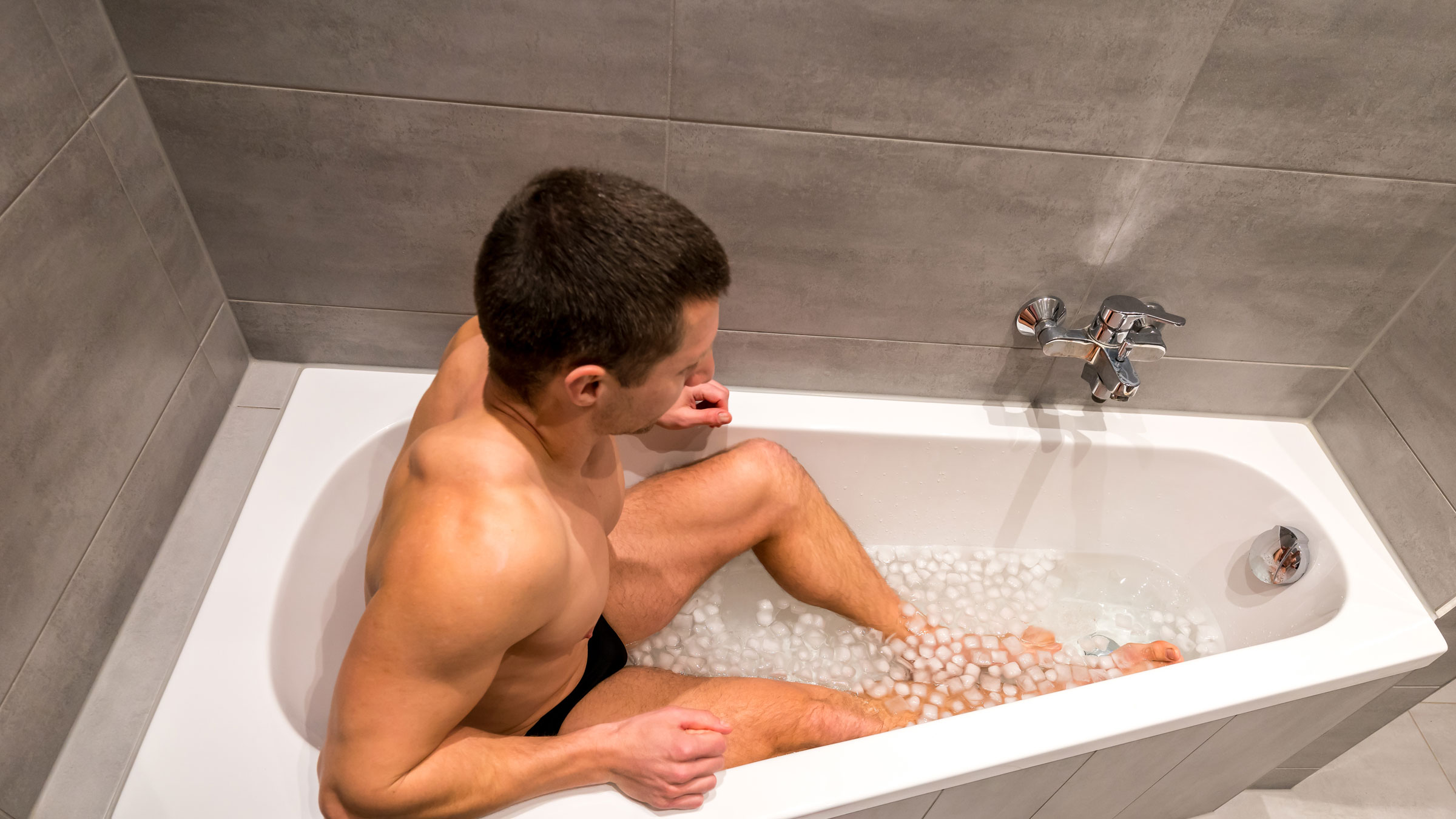
Before we talk about how long an ice bath tub lasts, it’s important to be clear on what it is. An ice bath tub is a container large enough for you to sit or lie in while filled with cold water and ice. People use ice baths to reduce muscle pain, speed up recovery, and improve circulation. There are several types:

36% off Today’s Exclusive Deals
Limited-time Exclusive Deals. Check current discount on Amazon.
Check Price on Amazon As an Amazon Associate I earn from qualifying purchases.- Inflatable tubs: Made from thick plastic or vinyl, easy to move and store.
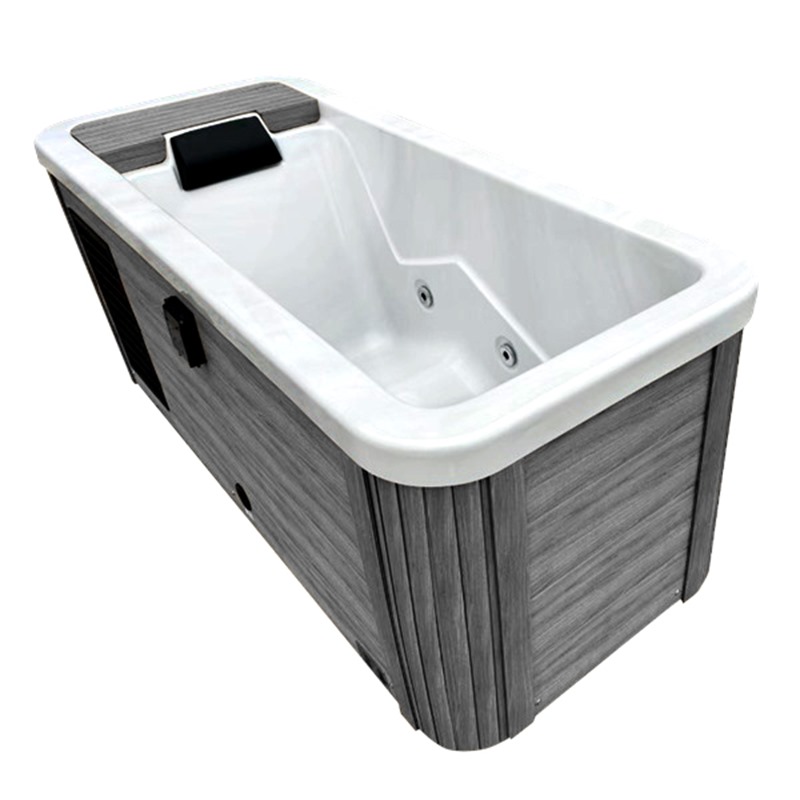
- Hard-shell tubs: Made from materials like plastic, fiberglass, or stainless steel.
- Portable foldable tubs: Lightweight, often with fabric or PVC walls.
- Built-in or permanent tubs: Installed in spas, gyms, or homes.
Each type has its own features, benefits, and weaknesses. Understanding these will help you figure out what affects their durability.
Main Factors That Affect Ice Bath Tub Lifespan
How long your ice bath tub lasts is not the same as anyone else’s. Here are the main things that decide its lifespan:
1. Material Quality
The material is the single biggest factor. Here’s how common materials compare:
| Material | Typical Lifespan | Durability | Best For |
|---|---|---|---|
| Vinyl/Plastic (Inflatable) | 6 months – 2 years | Low-Medium | Short-term, travel |
| Hard Plastic | 2 – 5 years | Medium | Home users |
| Fiberglass | 8 – 15 years | High | Long-term, gyms |
| Stainless Steel | 10 – 25 years | Very High | Professional, outdoor |
| Heavy-duty PVC/Composite | 3 – 10 years | Medium-High | Home, frequent use |
Stainless steel and fiberglass tubs last the longest, often outliving cheaper options by a decade or more. Inflatable tubs, while cheap, are most likely to leak or tear after heavy use.
2. Frequency Of Use
If you use your ice bath tub every day, it wears out much faster than if you only use it once a week. Daily use can lead to:
- Material stress: Frequent filling and draining puts pressure on seams and walls.
- Wear on plugs and seals: More use means more chances for leaks to develop.
For example, a vinyl tub used daily may last only 6 months, but the same tub used weekly could last up to 2 years.
3. Water Quality And Chemicals
The water you use matters a lot. Hard water (water with lots of minerals) can leave deposits that damage surfaces and pipes. If you use chlorine or other chemicals to keep water clean, these can slowly weaken plastic, rubber, and even metal over time.
Some owners don’t realize: leaving water in the tub for days without treatment can cause mold, mildew, or algae. This doesn’t just smell bad—it can actually break down tub materials faster.
4. Cleaning And Maintenance
Regular cleaning and careful maintenance can double the life of an ice bath tub. Simple steps help:
- Rinse after each use: Removes sweat, dirt, and residue.
- Disinfect weekly: Kills bacteria and prevents buildup.
- Check for leaks: Early repair stops small problems from getting worse.
One insight beginners often miss: using the wrong cleaning products (like harsh bleach or abrasive sponges) can actually shorten your tub’s lifespan by scratching or weakening the surface.
5. Storage And Environment
Where you keep your ice bath tub makes a big difference. Outdoor tubs face more stress from the sun, rain, and temperature changes. UV rays can crack plastic and fade vinyl. Freezing weather can cause water left inside to expand, cracking the tub.
If you store your tub indoors, in a cool, dry place, it will last much longer. If you must keep it outside, consider:
- Using a cover: Protects from sun and debris.
- Draining after use: Prevents freezing and mold.
6. Manufacturer Quality And Warranty
Buying from a trusted brand usually means better materials and construction. Good manufacturers often provide warranties—sometimes up to 10 years for high-end models. Cheap, no-name tubs often have little or no warranty, and may break down quickly.
Typical Lifespans By Ice Bath Tub Type
Let’s look at how long each main type of ice bath tub usually lasts, with examples and real numbers.
Inflatable Ice Bath Tubs
- Average lifespan: 6 months to 2 years
- Best for: People who need a cheap, portable solution
Inflatable tubs are made from thick vinyl or plastic, like a kid’s pool. They’re easy to move and set up, but they’re most likely to get punctures, leaks, or seam splits. Even careful users will notice the plastic becomes less flexible with time, especially if exposed to sun or used outdoors.
Practical tip: Always dry the tub completely before storing it to prevent mold and material breakdown.
Hard Plastic Ice Bath Tubs
- Average lifespan: 2 to 5 years
- Best for: Home users who want something tougher than inflatable
These tubs are heavier and stronger than inflatables. They can handle more use and can be left outdoors if covered. Cracks and fading from UV are the main risks. Keeping the tub out of direct sunlight and cleaning it gently can extend its life.
Fiberglass Ice Bath Tubs
- Average lifespan: 8 to 15 years
- Best for: Gyms, spas, or serious athletes
Fiberglass is very strong and resists cracking, even with heavy daily use. It’s not affected much by water or chemicals, but can be scratched if cleaned with rough pads. These tubs are more expensive but offer real long-term value.
Non-obvious insight: If you see any small chips in the fiberglass, repair them quickly to prevent water from getting inside and weakening the structure.
Stainless Steel Ice Bath Tubs
- Average lifespan: 10 to 25 years
- Best for: Permanent installations, professional use, outdoor locations
Stainless steel is almost immune to rot, sun, and most chemicals. With simple care, these tubs can last decades. Still, hard water can cause scale to build up, and salt water may cause rust if not rinsed.
Practical tip: Wipe the tub dry after each use to prevent water spots and keep it looking new.
Heavy-duty Pvc Or Composite Tubs
- Average lifespan: 3 to 10 years
- Best for: People who want a good mix of portability and toughness
Some new tubs use a mix of PVC and other composite materials. These are tougher than plain vinyl, but not as strong as fiberglass or steel. They resist tearing and sun damage better than inflatables.
Signs Your Ice Bath Tub Needs Replacing
Knowing when to replace your tub is important for safety and hygiene. Watch for these warning signs:
- Leaks or slow drips: Especially around seams, plugs, or bottom
- Cracks or holes: Even small ones can grow quickly
- Warped or soft spots: These can mean the material is breaking down
- Stains or odor: Mold, mildew, or chemical buildup that doesn’t wash away
- Discoloration: Fading or yellowing, often from sun or chemical damage
If you see more than one of these, it’s usually time for a new tub.
How To Make Your Ice Bath Tub Last Longer
You can extend your tub’s life by following a few smart steps:
Clean Properly
- Rinse after every use to wash away sweat and dirt.
- Use gentle, non-abrasive cleaners—no bleach or rough sponges.
- Let it dry fully before storing, especially if it’s inflatable or fabric.
Store In A Safe Place
- Indoors is always best, but if outdoors, use a weatherproof cover.
- Keep it out of direct sun and away from sharp objects.
Check Water Quality
- Use filtered or softened water if you live in a hard water area.
- Change water regularly if you don’t use chemicals.
Repair Small Problems Quickly
- Patch small holes or cracks as soon as you see them.
- Replace worn-out plugs or seals.
Use As Intended
- Don’t overfill or overload the tub.
- Avoid sitting on the edges or putting heavy objects inside.
Comparing Ice Bath Tub Types: Durability, Cost, And Maintenance
To help you decide which type is best for your needs, here’s a comparison of the main types by lifespan, cost, and required maintenance:
| Type | Lifespan | Average Cost | Maintenance Level |
|---|---|---|---|
| Inflatable | 6 months – 2 years | $50 – $200 | Low |
| Hard Plastic | 2 – 5 years | $200 – $800 | Medium |
| Fiberglass | 8 – 15 years | $900 – $3,000 | Medium-High |
| Stainless Steel | 10 – 25 years | $2,000 – $6,000 | Medium |
| PVC/Composite | 3 – 10 years | $300 – $1,200 | Medium |
Non-obvious insight: Sometimes, spending a bit more on a higher-quality tub saves money in the long run because you don’t have to replace it every year or two.
Mistakes That Shorten Ice Bath Tub Lifespan
Many people make small mistakes that add up and shorten the life of their tubs. Here are some to avoid:
- Leaving water inside between uses: This encourages mold and can weaken seams.
- Using harsh chemicals: Bleach or strong cleaners can break down plastics and even metal seals.
- Dragging the tub on rough surfaces: This causes scrapes and holes, especially in soft materials.
- Ignoring small leaks or cracks: Water gets inside and can cause bigger damage over time.
- Storing outdoors without a cover: Sun, rain, and cold all speed up wear and tear.
- Using sharp objects inside the tub: Even jewelry or zippers can puncture softer tubs.
Remember: a little care after each use adds years to your ice bath tub’s life.
Real-world Examples And Data
Let’s look at how different owners experience lifespan in the real world:
- Home user with inflatable tub: Used three times a week, stored indoors, lasted 18 months before seam leaks started.
- Gym with fiberglass tub: Used daily by multiple athletes, cleaned and checked weekly. Still in use after 10 years, only minor scratches.
- Outdoor stainless steel tub: Used by a sports team, exposed to sun and rain but covered when not in use. After 12 years, still works perfectly, only minor water spots.
A 2022 survey of 200 ice bath owners found:
- 70% of inflatable tub owners replaced their tub within 2 years.
- 85% of fiberglass tub owners said their tub lasted at least 8 years.
- 90% of people who cleaned their tub weekly reported no leaks or cracks after 3 years.
Professional Vs. Home Ice Bath Tubs
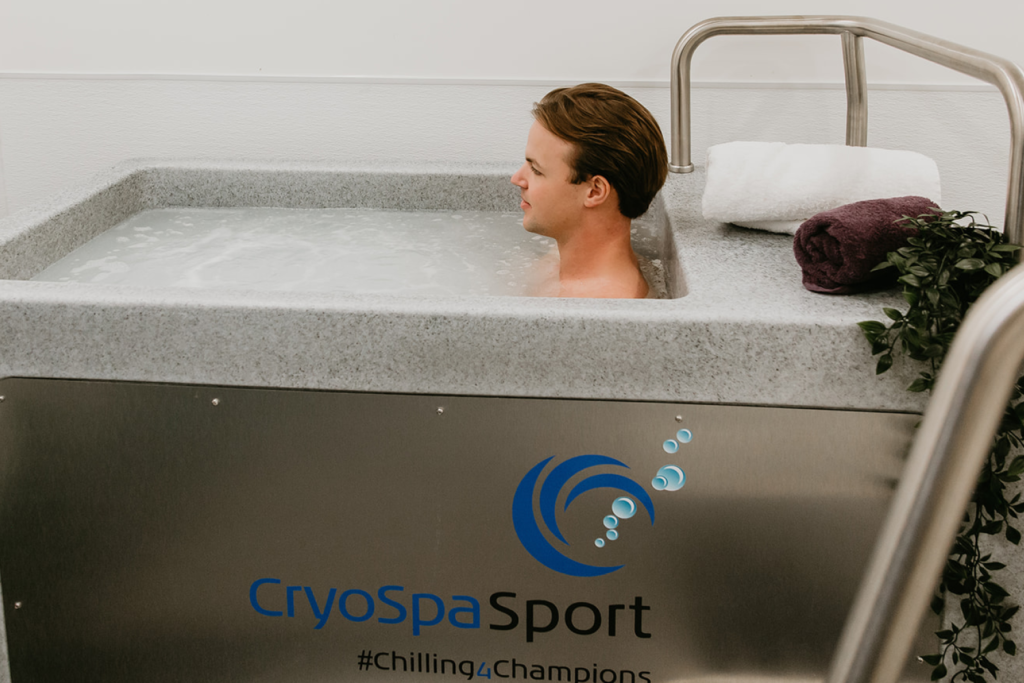
The tubs you see in professional gyms or sports teams are often much more durable than those for home use. Why?
- Better materials: Like stainless steel or reinforced fiberglass.
- Installed by experts: Less risk of damage from poor setup.
- Regular maintenance: Professionals check and repair often.
But, you can still get many years from a home-use tub by buying a quality product and taking care of it.
Environmental Impact: How Disposal And Recycling Matter
Many people don’t think about what happens when their ice bath tub wears out. Inflatable and plastic tubs usually end up in landfills, where they take hundreds of years to break down. Some companies now offer recycling programs for old tubs—especially those made from metal or fiberglass.
Practical advice: If you buy a tub, check if the company can help recycle it when you’re done. Stainless steel and fiberglass are easiest to recycle, while vinyl and PVC are harder.
When To Repair Vs. Replace Your Ice Bath Tub
If your tub has small holes, cracks, or leaks, you might be able to fix it:
- Inflatable tubs: Patch kits can fix small punctures.
- Plastic tubs: Waterproof glue or epoxy can seal small cracks.
- Fiberglass tubs: Professional repair is best for chips or cracks.
- Stainless steel tubs: Welding may be needed for major damage.
However, if you see large cracks, warping, or mold that won’t go away, it’s safer to replace the tub. Using a damaged tub can be dangerous.
How To Choose An Ice Bath Tub That Will Last
Here are the key things to look for if you want a long-lasting tub:
- Material: Choose fiberglass or stainless steel for maximum durability.
- Warranty: Look for at least a 5-year warranty.
- Brand reputation: Buy from well-known brands with good reviews.
- Ease of cleaning: Smooth surfaces are easiest to keep clean and mold-free.
- Support and replacement parts: Check if you can get new plugs or seals easily.
- Fit for your needs: A simple, strong tub is better than a complicated one you won’t maintain.
Cost Vs. Lifespan: Is It Worth Paying More?
Let’s compare the cost per year for different tub types, based on average prices and lifespans:
| Type | Average Cost | Average Lifespan | Cost Per Year |
|---|---|---|---|
| Inflatable | $100 | 1 year | $100 |
| Fiberglass | $1,500 | 12 years | $125 |
| Stainless Steel | $4,000 | 20 years | $200 |
| PVC/Composite | $600 | 6 years | $100 |
While it may seem expensive upfront, a higher-quality tub often gives you more value over time. You spend less on repairs and replacements and enjoy more reliable use.
Extra Tips For Getting The Most From Your Ice Bath Tub
- Rotate your tub’s position: If outdoors, move it occasionally to avoid uneven sun exposure.
- Keep pets away: Animals’ claws can scratch or puncture some tubs.
- Use a thermometer: Avoid running the tub too cold, which can stress some materials.
- Ask for advice: Check online forums or reviews to see how real users care for their tubs.
For more details on the science behind ice baths and their health effects, you can visit Wikipedia’s Cryotherapy page.
Frequently Asked Questions
How Often Should I Clean My Ice Bath Tub?
You should rinse your ice bath tub after every use and do a deeper clean at least once a week. This prevents bacteria, mold, and bad smells, and helps your tub last longer.
Can I Leave My Ice Bath Tub Outside All Year?
It’s possible, but not recommended for all types. Stainless steel and fiberglass tubs can handle outdoor weather if you use a cover and drain after use. Inflatable and plastic tubs should be brought inside during extreme weather to avoid damage.
What Is The Best Way To Fix A Small Leak In My Tub?
Use a patch kit for inflatable tubs. For hard plastic, try waterproof epoxy or glue. If your tub is fiberglass or stainless steel, it’s safest to contact a professional for repair, especially for larger cracks.
Do I Need To Use Chemicals In My Ice Bath Tub?
Not always. If you change the water after each use, chemicals may not be needed. But if you keep water in for days, use a small amount of chlorine or bromine to stop bacteria and algae. Always follow the tub manufacturer’s advice.
How Do I Know When It’s Time To Replace My Ice Bath Tub?
Replace your tub when you see multiple leaks, large cracks, soft or warped areas, or mold that won’t go away. Safety and hygiene are most important—don’t risk using a damaged tub.
A good ice bath tub is a real asset for recovery and health, but only if it’s safe and well cared for. By choosing wisely, cleaning regularly, and watching for damage, you can enjoy your ice bath for many years.

