

Can Ice Bath Tubs Be Used for Hot And Cold Therapy?
If you have ever watched athletes after a tough game or seen wellness influencers on social media, you have probably seen people sitting in ice bath tubs. But these tubs are not just for freezing dips. More people are now using them for both hot and cold therapy—switching between chilling cold and relaxing heat. This idea is catching on, but does it really work? And can any ice bath tub handle both extreme temperatures?

36% off Today’s Exclusive Deals
Limited-time Exclusive Deals. Check current discount on Amazon.
Check Price on Amazon As an Amazon Associate I earn from qualifying purchases.Let’s dive into the science, benefits, safety, and real-world use of hot and cold therapy with ice bath tubs. By the end of this article, you will know if your tub can do double duty, which setups work best, and how to use them safely for maximum health benefits.
Understanding Ice Bath Tubs: What Are They?
Ice bath tubs are specially designed tubs or containers made to hold enough water and ice for a person to submerge part or all of their body. They come in different shapes and materials, including portable inflatable tubs, hard plastic barrels, and even metal or stainless steel models. Some high-end versions have built-in temperature controls, while basic models need you to add ice or hot water manually.
The main features of a good ice bath tub are:
- Strong insulation to keep water cold (or hot)
- Durability to handle temperature changes
- Easy drainage for quick water changes
- Comfortable size for full-body or partial immersion
But the big question is: Are these tubs only for cold therapy, or can they also be used for hot soaks and alternating temperature routines?
The Science Behind Hot And Cold Therapy
Hot and cold therapy, sometimes called contrast therapy, is not a new idea. For centuries, people in Finland, Russia, Japan, and other cultures have switched between saunas and cold plunges. In the modern world, athletes, physical therapists, and wellness seekers use this method to recover faster and boost overall health.
How Does Cold Therapy Work?
Immersing your body in cold water (usually between 10°C and 15°C or 50°F to 59°F) causes:
- Vasoconstriction: Blood vessels tighten, reducing inflammation and swelling.
- Numbing effect: Decreased pain and muscle soreness.
- Faster recovery: Waste products (like lactic acid) are flushed out as blood flows back after you get out.
- Boosted mood: Cold exposure can trigger the release of endorphins and norepinephrine.
How Does Hot Therapy Work?
Hot water therapy (typically 37°C to 40°C or 98.6°F to 104°F) leads to:
- Vasodilation: Blood vessels widen, increasing blood flow and delivering nutrients.
- Muscle relaxation: Heat soothes tight or stiff muscles.
- Pain relief: Warmth can reduce chronic pain and joint stiffness.
- Improved flexibility: Hot water loosens tissues, making stretching easier.
The Power Of Contrast Therapy
When you alternate between hot and cold water, the body gets a kind of “pump” effect: blood rushes in and out of muscles, removing waste and bringing in fresh oxygen. This contrast therapy is believed to:
- Accelerate muscle recovery
- Reduce swelling and inflammation
- Enhance circulation
- Support the immune system
However, the effectiveness can vary from person to person. Studies show some benefits for athletes, but results are mixed for everyone else. Still, many people report feeling better, less sore, and more energized after using both hot and cold therapy.
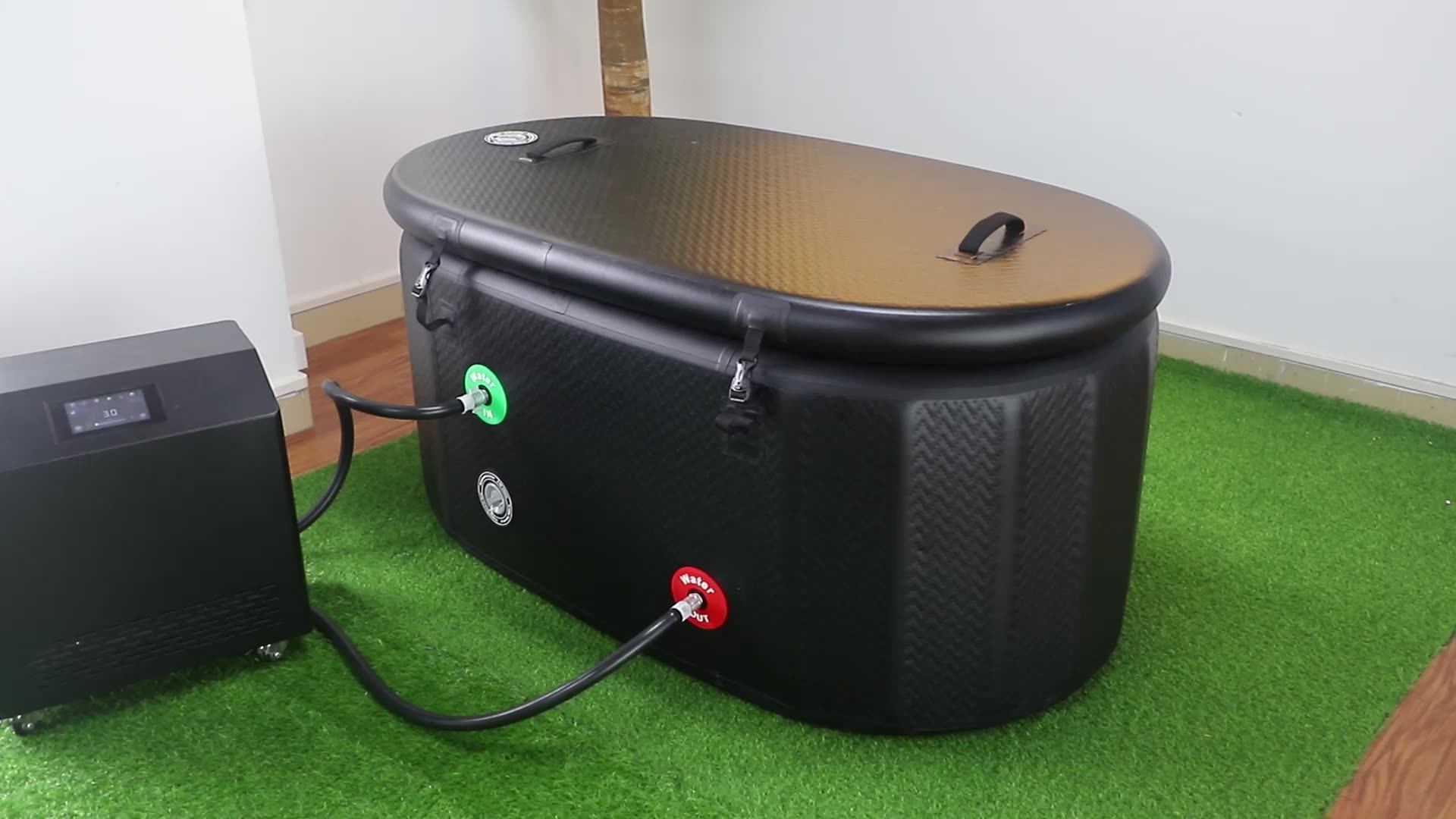
Can Ice Bath Tubs Really Handle Both Hot And Cold Therapy?
Here’s where things get interesting. Most people use ice bath tubs for cold plunges, but can you fill them with hot water for heat therapy or switch between the two?
Material Matters
Not all ice bath tubs are made the same. The material and construction decide how safe and effective the tub is for hot and cold use.
| Material | Handles Cold? | Handles Hot? | Notes |
|---|---|---|---|
| Plastic | Yes | Usually (up to 50°C/122°F) | Check max temperature rating |
| Vinyl/Inflatable | Yes | Sometimes (up to 40°C/104°F) | May warp with very hot water |
| Stainless Steel | Yes | Yes (up to boiling point) | Excellent for both therapies |
| Fiberglass | Yes | Yes (if rated for hot tubs) | Usually safe, but check specs |
Key insight: Always check the manufacturer’s temperature range. Some cheaper tubs can crack or warp if filled with hot water. If you plan to use your tub for both therapies, invest in a model that clearly supports high temperatures.
Insulation And Temperature Control
Ice bath tubs with thick insulation will keep water cold longer—but this also means hot water stays hot. Some advanced tubs have built-in heaters and chillers, letting you set the exact temperature for each therapy. Manual tubs (like simple plastic barrels) rely on you to add ice or hot water.
If you want to switch quickly between hot and cold, a dual system (or two tubs) is best, but it is possible to use one well-insulated tub if you change the water and manage the temperatures carefully.
Drainage And Cleaning
Using both hot and cold water means you will be draining and refilling the tub more often. Look for a tub with:
- Quick drainage valve
- Smooth, easy-to-clean surfaces
- Removable liners (for some inflatable tubs)
Bacteria grow faster in warm water, so proper cleaning after hot therapy is especially important.
Benefits Of Using Ice Bath Tubs For Hot And Cold Therapy
Switching between hot and cold in an ice bath tub offers a unique set of benefits. Here are some of the most important:
- Faster Muscle Recovery: Contrast therapy can flush out metabolic waste, reduce swelling, and speed up healing after exercise.
- Reduced Soreness: Many athletes say they feel less sore the day after using both hot and cold dips.
- Improved Circulation: Alternating temperatures “trains” your blood vessels, boosting blood flow and oxygen delivery.
- Pain Management: Both heat and cold can relieve pain, but in different ways. Used together, they can target both chronic and acute pain.
- Better Sleep: Many people report sleeping better after a hot or cold bath, and especially after contrast therapy.
- Mental Health Boost: The “shock” of cold water followed by soothing heat can lift your mood and reduce stress.
- Immune System Support: Some research links regular contrast therapy to a stronger immune response.
- Versatility: You can use the same tub for cold plunges after workouts and hot soaks for relaxation.
Non-obvious insight: Most beginners forget that timing and water temperature are as important as the tub itself. Too hot or too cold can be dangerous—always use a thermometer and start slow.
How To Use An Ice Bath Tub For Hot And Cold Therapy
Many people want to try contrast therapy at home but are unsure where to start. Here’s a practical step-by-step guide for using your ice bath tub for both therapies:
Step 1: Check Your Tub’s Limits
Before anything, read the tub’s manual or specifications. Look for:
- Maximum and minimum safe water temperatures
- Any warnings about hot water use
- Drainage instructions
If your tub can only handle cold, do not risk using boiling water.
Step 2: Gather Supplies
You will need:
- A reliable thermometer (for water)
- Plenty of ice for cold plunges
- Access to hot water (kettle, tap, or portable heater)
- Timer or stopwatch
- Towels, robe, and warm clothes for after
Step 3: Decide On The Protocol
A common contrast therapy routine is:
- Hot immersion: 3-5 minutes (37°C to 40°C / 98.6°F to 104°F)
- Cold plunge: 1-2 minutes (10°C to 15°C / 50°F to 59°F)
- Repeat: Alternate for 3 to 5 cycles
- Finish: Usually with cold, but some prefer to end with heat
Modify timing and temperature based on your tolerance and goals.
Step 4: Fill And Test
- Fill the tub with hot water first. Check temperature before getting in.
- After the hot soak, drain the tub and refill with cold water and ice, or have a second tub ready.
- Always check the cold water temperature before entering.
Step 5: Alternate Safely
- Move between hot and cold water as planned.
- Use a timer to avoid staying too long, especially in cold water.
- Listen to your body. If you feel dizzy, short of breath, or numb, stop immediately.
Step 6: Dry Off And Warm Up
After the last plunge, dry off quickly and put on warm clothing. Drink water to rehydrate.
Non-obvious insight: Most people ignore the importance of warming up after contrast therapy. Your body is working hard to adjust—take it easy for at least 30 minutes after your session.
Comparing Tubs: Which Types Work Best For Hot And Cold Therapy?
Choosing the right ice bath tub is crucial if you want to use it for both therapies. Here’s a side-by-side look at popular options:
| Type | Hot Therapy | Cold Therapy | Ideal For | Drawbacks |
|---|---|---|---|---|
| Inflatable/Vinyl | Yes (up to 40°C/104°F) | Yes | Home users, small spaces | Can puncture, less durable |
| Plastic Barrel | Sometimes (check specs) | Yes | Budget users, outdoor use | May warp with hot water |
| Stainless Steel | Yes (very high temps) | Yes | Serious athletes, frequent use | Heavy, expensive |
| Commercial Spa Tub | Yes (built-in heating/cooling) | Yes | Gyms, teams, luxury homes | Costly, needs installation |
Expert tip: If you want both therapies and can afford it, a stainless steel or commercial spa tub is the best long-term choice. For most home users, a high-quality inflatable or plastic tub (rated for hot water) is enough.

Safety Considerations And Common Mistakes
Hot and cold therapy can be safe and effective, but only if you follow certain guidelines. Many beginners make avoidable mistakes that can lead to discomfort or even injury.
Common Safety Tips
- Never use extremely hot water (over 41°C / 106°F): This can cause burns or overheating.
- Avoid very cold water (under 8°C / 46°F) unless you are experienced: Hypothermia can happen quickly.
- Limit immersion time: Total session time (hot plus cold) should not exceed 20-30 minutes.
- Stay hydrated: You lose fluids in both hot and cold water.
- Do not use alone: Especially if you have medical conditions, always have someone nearby.
- Avoid alcohol before or after therapy: It affects your body’s temperature control.
Who Should Not Use Hot And Cold Therapy?
People with the following conditions should check with a doctor before trying:
- Heart problems or high blood pressure
- Diabetes with nerve issues
- Poor circulation or Raynaud’s disease
- Skin infections or open wounds
- Pregnancy (without medical advice)
Typical Beginner Mistakes
- Ignoring temperature guidelines: Guessing water temperature is risky.
- Staying in too long: Longer is not always better—start with short dips.
- Not warming up after: Your body needs time to return to normal.
- Poor cleaning habits: Hot water breeds bacteria—clean the tub after each use.
- Using a weak tub: Cheap tubs may break or leak with repeated hot/cold cycles.
Real-world Examples: Athletes And Recovery
Top Athletes Use Contrast


