

Can Ice Baths Help With Stress And Recovery?
For many athletes and fitness fans, the idea of plunging into icy water after exercise is both fascinating and intimidating. In gyms and sports clubs around the world, ice baths are gaining popularity as a tool for speeding up recovery and reducing muscle soreness. But can ice baths actually help with stress and recovery, or is this just a fitness trend with little science behind it?
Let’s dig deeper into the facts, the science, and the real experience of using ice baths. This article will give you a clear, evidence-based view, including how ice baths work, their benefits and risks, practical tips, and what studies show.

36% off Today’s Exclusive Deals
Limited-time Exclusive Deals. Check current discount on Amazon.
Check Price on Amazon As an Amazon Associate I earn from qualifying purchases.Whether you’re a professional athlete, a weekend runner, or someone just looking to manage stress, you’ll find everything you need to decide if ice baths are right for you.
What Are Ice Baths?
An ice bath is simple: you sit in cold water, usually between 10°C and 15°C (50°F to 59°F), sometimes even colder, for a short time—often 10 to 20 minutes. Some people add actual ice, while others just use very cold water from the tap.
The idea is to cool your body quickly. This cold exposure triggers a range of physical and mental reactions, which many believe can speed up recovery and reduce stress. The method is also called cold water immersion or cryotherapy.
How Do Ice Baths Affect The Body?
When you step into an ice bath, your body reacts instantly. Blood vessels narrow (vasoconstriction) to keep your core warm. Your heart rate changes, breathing becomes shallow, and your body releases stress hormones.
After you leave the cold water, blood rushes back into your muscles and skin. This process is called reperfusion. It’s believed to help remove waste products from muscles and bring in oxygen and nutrients.
Let’s break down what happens in your body during and after an ice bath:
- Vasoconstriction: Blood vessels tighten, reducing swelling and inflammation.
- Numbing effect: Cold water can temporarily block pain signals.
- Reduced muscle temperature: This may slow down tissue breakdown.
- Reperfusion: Warm blood returns to the muscles, which might help healing.

The Science Behind Ice Baths For Recovery
Muscle Soreness And Exercise Recovery
Muscle soreness, especially the kind that comes a day or two after exercise (DOMS: delayed onset muscle soreness), is a common reason athletes use ice baths. The cold is thought to reduce inflammation and muscle damage.
Several studies have looked at how well ice baths work for recovery:
- A 2017 review in the Cochrane Library found that cold water immersion reduced muscle soreness at 24, 48, 72, and even 96 hours after exercise compared to resting or doing nothing.
- Another meta-analysis in the Journal of Strength and Conditioning Research showed that ice baths can help athletes feel less sore and recover strength faster.
However, the benefits may be modest. Most studies find that ice baths work best for short-term relief—they may not make a big difference in long-term muscle growth or performance.
Inflammation And Immune Response
Exercise causes tiny tears in muscle fibers, leading to inflammation and soreness. Cold exposure reduces blood flow and the movement of immune cells into the muscles. This can lower swelling and pain, but some experts warn that too much cold could slow down your body’s natural repair process.
So, ice baths may help with acute inflammation (right after a tough workout), but using them every day could possibly slow down muscle building.
Stress Response And Mood
When you enter cold water, your body releases norepinephrine and endorphins—chemicals linked to alertness and well-being. This might help reduce feelings of stress or anxiety.
A study in *Medical Hypotheses* (2008) suggested that regular cold showers or ice baths may help with mild depression. The cold water acts as a type of “mini-shock,” stimulating the body’s fight-or-flight response but also teaching you to handle stress in a controlled way.
Physical Benefits Of Ice Baths
Ice baths are not just for elite athletes. Here are some potential benefits, supported by research and real-world experience:
- Faster muscle recovery: Less soreness means you can train more often.
- Reduced swelling: Cold limits inflammation after tough workouts or injuries.
- Temporary pain relief: The numbing effect can make aches more bearable.
- Boosted alertness: Many users report feeling energized right after an ice bath.
- Improved sleep: Some people find it easier to sleep after an evening ice bath, possibly because of a drop in body temperature.
Data Comparison: Ice Bath Vs. Passive Rest For Recovery
Here’s a look at how ice baths compare to just resting after exercise, based on research data:
| Recovery Method | Muscle Soreness (24h post-exercise) | Perceived Recovery (Self-rated) | Muscle Strength (48h post-exercise) |
|---|---|---|---|
| Ice Bath (10-15°C, 10 min) | Lower | Better | Faster Return |
| Passive Rest | Higher | Poorer | Slower Return |
This table shows that ice baths may give a noticeable edge in short-term recovery over just resting, especially for soreness and subjective feelings of recovery.
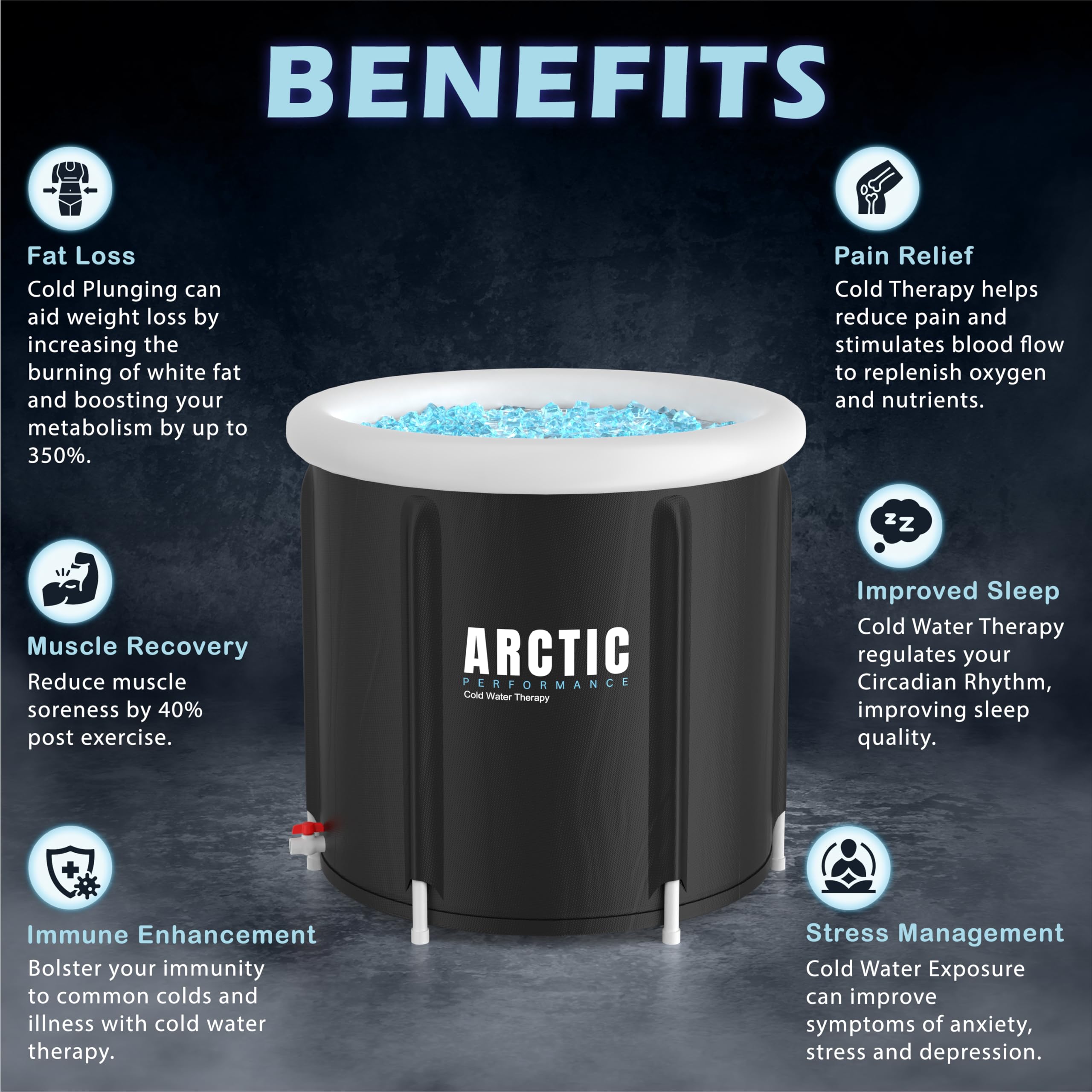
Mental Benefits: Stress Reduction And Mood
The link between cold exposure and mental health is a newer area of research, but many people find ice baths surprisingly good for stress relief. Here’s why:
- Cold shock response: The sudden cold forces you to control your breathing, which is a natural way to calm anxiety.
- Endorphin release: Cold water triggers a mild “high” as your body responds to stress.
- Mental resilience: Regularly facing the discomfort of cold water can build mental toughness.
Example: Ice Baths And Anxiety
Some athletes use ice baths not just for the body, but as a mental reset. For example, NBA star LeBron James has spoken about how ice baths help him “clear his head” after stressful games.
A 2020 survey of amateur runners found that those who used ice baths regularly reported less stress and better mood, even if they didn’t always see a big change in muscle soreness.
Who Can Benefit Most From Ice Baths?
While anyone can try an ice bath, the benefits may be strongest for certain groups:
- Endurance athletes: Marathon runners and cyclists often use ice baths after long events.
- Team sports players: Soccer, rugby, and basketball athletes take ice baths to stay fresh during busy seasons.
- People with high physical stress: Construction workers or those with tough physical jobs sometimes use cold water recovery.
- People seeking mental training: Some use ice baths to build resilience to stress or improve their mood.
Risks And Downsides Of Ice Baths
Ice baths are generally safe if used correctly, but they are not risk-free. Here are some important points to consider:
- Hypothermia: Staying too long in cold water can dangerously lower your body temperature.
- Heart risks: People with heart problems should avoid ice baths, as cold exposure can stress the heart.
- Nerve or skin issues: Prolonged cold can cause numbness or skin damage (frostbite risk is low, but possible).
- Blunted muscle growth: There’s evidence that very frequent ice baths might slow down muscle gains, especially after weightlifting.
- Shock response: Sudden cold can cause hyperventilation or dizziness, especially for beginners.
Data Table: Common Risks And How To Avoid Them
| Risk | Cause | Prevention |
|---|---|---|
| Hypothermia | Staying in cold water too long | Limit sessions to 10-15 minutes |
| Heart Stress | Sudden cold shock | Avoid if you have heart conditions |
| Numbness | Excessive cold exposure | Monitor time and temperature |
Always check with a doctor before starting ice baths if you have health concerns.
How To Take An Ice Bath Safely
If you want to try ice baths, here’s how to do it the right way:
Step 1: Prepare Your Ice Bath
- Fill a bathtub or large container with cold water.
- Add ice cubes until the temperature is between 10°C and 15°C (50°F to 59°F).
- Have a thermometer handy to check the temperature.
Step 2: Get Ready
- Wear a swimsuit or light clothing.
- Have a towel and warm clothes nearby for after.
- Set a timer.
Step 3: Enter The Bath
- Step in slowly. Let your body adjust to the cold.
- Sit down so your legs and hips are submerged. You can keep your arms out if it’s too intense.
Step 4: Stay For 10-15 Minutes
- Beginners should aim for 5-8 minutes at first.
- Focus on slow, steady breathing.
- If you feel numbness, dizziness, or pain, get out immediately.
Step 5: Warm Up Gradually
- Dry off and put on warm clothes.
- Sip a warm drink if needed.
- Avoid hot showers right away, as your skin is sensitive.
Tips For Success
- Only use ice baths after intense exercise, not every day.
- Don’t do ice baths if you’re sick or have circulation problems.
- Try combining cold water with other recovery methods, like stretching or massage.
Common Mistakes When Using Ice Baths
Even experienced athletes make errors with ice baths. Here are some common mistakes and how to avoid them:
- Staying in too long: More is not better. Overexposure can cause hypothermia or nerve damage.
- Water too cold: Extremely low temperatures increase risks without extra benefits.
- Not warming up after: Skipping the warm-up can lead to chills or even sickness.
- Using ice baths too often: This can blunt muscle growth and slow adaptation, especially if your main goal is building strength.
- Ignoring warning signs: Always listen to your body. Dizziness, pain, or shortness of breath are signs to stop.
Alternatives To Ice Baths
Ice baths are not the only way to recover or manage stress. Here are some alternatives you might consider:
- Contrast baths: Switching between hot and cold water can have similar effects, with less discomfort.
- Active recovery: Light jogging, swimming, or cycling helps boost blood flow.
- Compression therapy: Special sleeves or wraps can reduce swelling.
- Massage: Helps relax muscles and ease soreness.
- Stretching and yoga: Supports flexibility and reduces tension.
Some studies show that contrast baths may be nearly as effective as ice baths for muscle recovery, with added comfort.
What The Experts Say
Many coaches and sports doctors see ice baths as a useful tool, but not a magic bullet. They recommend using them strategically—after particularly hard workouts, not every day.
Dr. Michael Gleeson, a sports science expert, says, “Ice baths are helpful for short-term soreness and swelling, but don’t expect miracles for performance gains or injury recovery.” He suggests that for most people, listening to your body and using a mix of recovery tools is best.
Real-world Examples
Professional Athletes
Top athletes like LeBron James, Cristiano Ronaldo, and Olympic swimmers often use ice baths during competition. They report feeling fresher and less sore, helping them train and compete more often.
Everyday Fitness Enthusiasts
Many regular gym-goers and runners try ice baths after marathons or tough sessions. For example, a 35-year-old runner named Ana from Spain shared that ice baths helped her “run back-to-back races with less pain,” though she found the cold difficult to tolerate at first.
Key Insights Beginners Often Miss
- Short-term vs. long-term benefits: Ice baths help most with quick recovery, not with building muscle or fitness over time.
- Individual response varies: Some people feel great after an ice bath, while others get little benefit or feel worse. Try it and see how your body reacts.
- Mental benefits can be just as valuable: The sense of achievement, calm, or focus after an ice bath is real for many people.
When Should You Avoid Ice Baths?
There are times when ice baths are not a good idea:
- If you have heart conditions or blood pressure problems.
- If you have Raynaud’s disease or other circulation disorders.
- During illness or fever.
- For children, unless under expert supervision.
If you’re unsure, consult your doctor.
Summary: Are Ice Baths Worth It?
So, can ice baths help with stress and recovery? The answer is yes, for many people, but not for everyone and not for every situation. Ice baths can reduce soreness, limit swelling, and give a short-term energy boost. They may also help with stress and mood, especially for those who enjoy the mental challenge.
However, they are not a cure-all. Using ice baths too often, or for too long, can bring risks and may slow muscle building. The key is to use ice baths strategically, listen to your body, and combine them with other recovery methods.
If you’re curious, try an ice bath after a hard workout. Start slowly, keep sessions short, and see how you feel. Over time, you’ll learn if this chilly ritual is right for your body and mind.
For more in-depth research on cold water therapy, see this Wikipedia entry on cryotherapy.
Frequently Asked Questions
What Is The Ideal Temperature And Time For An Ice Bath?
The best temperature for an ice bath is usually between 10°C and 15°C (50°F to 59°F). Most experts recommend staying in the water for 10-15 minutes. Beginners should start with shorter times—about 5-8 minutes—to let their body adjust.
Can Ice Baths Help With Mental Stress, Not Just Muscle Recovery?
Yes, ice baths can help with mental stress. The shock of cold water triggers endorphin release and can improve mood. Many people feel calmer and more focused after a session. However, this varies from person to person.
Are Ice Baths Safe For Everyone?
No, ice baths are not safe for everyone. People with heart conditions, high blood pressure, circulation problems, or Raynaud’s disease should avoid them. Children should only use ice baths under expert supervision.
How Often Should I Use Ice Baths?
For most people, ice baths should be used 1-3 times per week after intense workouts. Using them every day may reduce muscle growth or adaptation. Always listen to your body and take breaks if you feel unwell.
What Are Some Alternatives To Ice Baths For Recovery?
Alternatives include contrast baths (hot and cold), active recovery (light exercise), massage, compression therapy, and stretching. These methods can also help with soreness and stress, and may be easier to tolerate than ice baths.
Ice baths are a powerful tool for some, but not the only option. Make recovery choices that fit your body and your goals.


