

Stepping into an ice bath is no longer just something elite athletes do after a tough game. Today, people all over the world use ice baths to help recover from workouts, improve their mood, or just wake up their senses. But if you’re thinking about setting up your own ice bath at home, the first question is: What’s the best material for an ice bath tub? The answer is not as simple as it may seem. The material you choose affects comfort, temperature control, durability, safety, price, and even maintenance. This guide will walk you through every major material used for ice bath tubs, explain their pros and cons, and help you decide what’s right for your needs and budget.
Why Material Matters For Ice Bath Tubs
It’s easy to think any large container will do for an ice bath. In reality, the material of your tub changes your experience in several ways:

36% off Today’s Exclusive Deals
Limited-time Exclusive Deals. Check current discount on Amazon.
Check Price on Amazon As an Amazon Associate I earn from qualifying purchases.- Insulation: Some materials keep water cold longer, saving ice and energy.
- Durability: Not all materials handle outdoor use, sun, or freezing temperatures well.
- Hygiene: Certain surfaces are easier to clean and resist bacteria.
- Comfort: The feel of the material against your skin can matter during long soaks.
- Weight: Some tubs are heavy and hard to move; others are light and portable.
- Price: Material is often the biggest factor in cost.
Let’s explore the main options, how they compare, and which ones are best for different types of ice bath users.
The Main Materials Used For Ice Bath Tubs
There are seven main types of materials that manufacturers use for ice bath tubs:
- Plastic (Polyethylene or Polypropylene)
- Stainless Steel
- Acrylic
- Fiberglass
- Rubber or Inflatable PVC
- Galvanized Steel
- Concrete
We’ll look at each one in detail, including real-world examples and insider tips most beginners miss.
Plastic (polyethylene Or Polypropylene)
Plastic ice bath tubs are some of the most common choices, especially for home use. You’ll find both polyethylene and polypropylene plastics, which are popular for livestock tanks, garden tubs, and purpose-built cold plunge baths.
Advantages
- Affordable: Plastic is usually the cheapest option, with prices starting around $50 for basic tubs.
- Lightweight: Easy to move, store, and clean.
- Weather Resistant: Good plastics handle sun, rain, and ice without cracking or rusting.
- Variety: Comes in many shapes and sizes, from round to oval, shallow to deep.
- Low Maintenance: Resistant to algae and mold if kept clean.
Disadvantages
- Insulation: Standard plastic does not keep water cold for long. You’ll need to add more ice or use a cover.
- Appearance: Can look cheap compared to metal or wood tubs.
- Durability: Cheaper plastics may crack if dropped or hit hard, especially in freezing weather.
Non-obvious Insight
Many beginners forget that UV-resistant plastics last much longer outdoors. Look for tubs labeled as “UV-stabilized” if you plan to keep your bath outside. Also, thicker-walled plastics (like those used for livestock tanks) resist bending and warping better than thin garden tubs.
Example
A common home ice bath setup uses a 100-gallon polyethylene stock tank. These are made for farm animals but work perfectly for cold plunges.
Stainless Steel
Stainless steel is a high-end choice, popular in professional sports facilities and among serious cold therapy fans. It looks modern and has a distinct, industrial feel.
Advantages
- Durability: Extremely tough, resists dents, cracks, and corrosion.
- Hygienic: Non-porous surface is easy to clean and sanitize.
- Aesthetics: Sleek, shiny look fits modern homes or gyms.
- Temperature Control: Can be paired with chiller units for precise temperature settings.
Disadvantages
- Cost: One of the most expensive materials, with prices often $1,000–$5,000+.
- Heavy: Not easy to move, especially in larger sizes.
- Cold to the Touch: Metal can feel uncomfortable against bare skin, especially at low temperatures.
- Poor Insulation: Stainless steel does not insulate well, so ice will melt faster unless there’s an added insulating layer.
Non-obvious Insight
Many buyers don’t realize that double-walled stainless steel tubs (with insulation between layers) keep water colder much longer, but cost significantly more. Single-wall tubs can “sweat” (form condensation) on the outside, making floors slippery.
Example
A pro gym may use a custom stainless steel plunge tub with built-in filtration and temperature control, ideal for multiple users per day.
Acrylic
Acrylic is a popular material for modern bathtubs and spas. Some high-end ice bath tubs use thick acrylic for a smooth, glossy finish.
Advantages
- Smooth Surface: Very comfortable against the skin.
- Good Insulation: Better than steel or plastic, keeps water cold a bit longer.
- Stylish: Looks like a luxury spa or hot tub.
- Lightweight: Easier to move than steel or concrete.
Disadvantages
- Cost: Not as pricey as stainless steel, but still more expensive than plastic.
- Scratches: Surface can scratch if cleaned with abrasive pads.
- Cracks: Can crack under strong impact or if not supported evenly.
Non-obvious Insight
Acrylic tubs often use a fiberglass backing for extra support. If your tub is not reinforced, it can flex, which may lead to stress cracks over time.
Example
Many portable cold plunge products use thick acrylic with fiberglass support, offering a balance between comfort and appearance.
Fiberglass
Fiberglass is often used for swimming pools and hot tubs. Ice bath tubs made from fiberglass are light and strong, with good insulation.
Advantages
- Good Insulation: Keeps water cold longer than steel or standard plastic.
- Lightweight: Easier to install or move than concrete or metal.
- Customizable: Can be molded into almost any shape or size.
- Repairable: Minor chips or cracks can be fixed with fiberglass repair kits.
Disadvantages
- Surface Wear: Gel coat finish can fade or get chalky over time.
- Scratches: Surface scratches easily, which can become rough.
- Cost: More expensive than basic plastic.
Non-obvious Insight
Over time, fiberglass tubs exposed to sunlight can develop a rough, faded surface. Keeping your tub shaded or covered extends its lifespan and keeps it comfortable.
Example
Boutique wellness centers often use fiberglass cold plunge tubs for their balance of cost, weight, and thermal performance.
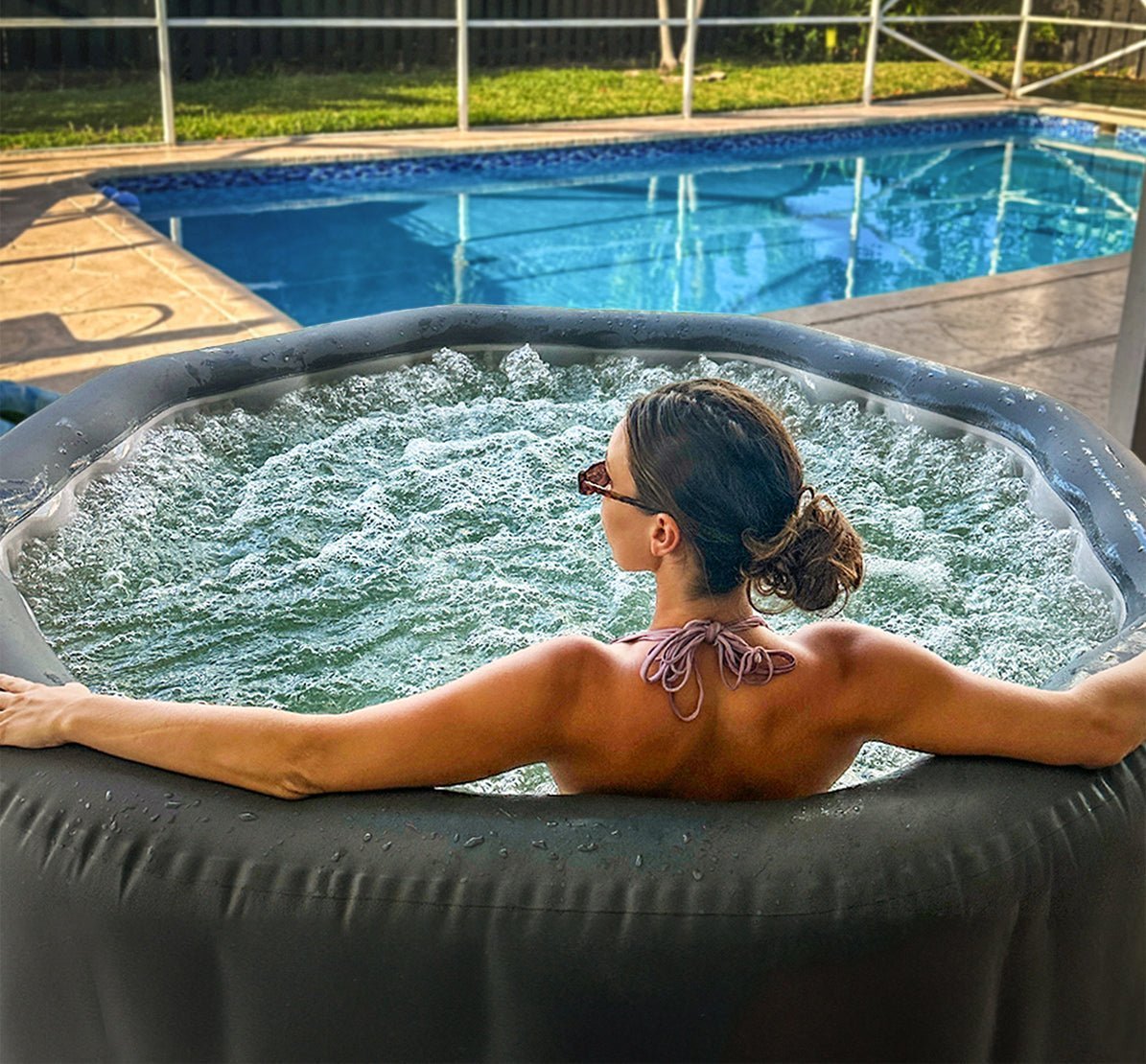
Rubber Or Inflatable Pvc
For people who want an ice bath on a budget or need to pack it away between uses, inflatable tubs made from PVC or thick rubber are an attractive option.
Advantages
- Portable: Deflates to a small size for easy storage or travel.
- Affordable: Often under $200, including a pump.
- Soft Sides: More comfortable to sit in than hard plastic or metal.
- Quick Setup: Can be ready in minutes.
Disadvantages
- Poor Insulation: Water warms up quickly, so you may use more ice.
- Puncture Risk: Vulnerable to sharp objects, pets, or rough ground.
- Short Lifespan: Even with care, most inflatable tubs last 1–3 years with regular use.
- Limited Sizes: Usually smaller and shallower than rigid tubs.
Non-obvious Insight
Many users forget to place a protective mat under their inflatable tub, which prevents punctures and insulates against ground heat. Also, if you leave it inflated outdoors, UV light can weaken the material over time.
Example
Fitness enthusiasts who travel often choose a portable inflatable ice bath for hotel rooms or camping trips.
Galvanized Steel
Galvanized steel tubs are common in farm stores and are sometimes used for ice baths because they are cheap and easy to find.
Advantages
- Low Cost: Often cheaper than stainless steel or acrylic tubs.
- Strong: Resists dents and can take rough handling.
- Classic Look: Some people like the “rustic” or “farmhouse” style.
Disadvantages
- Rust: Over time, the zinc coating can wear off, leading to rust, especially if scratched.
- Heat Transfer: Steel gets very cold and can be uncomfortable to touch.
- Chemical Reactions: Metal may react with chlorine or other chemicals.
- Not Food-Grade: Cheaper tubs may leach metals into water.
Non-obvious Insight
Many beginners don’t realize that if you use salt or chlorine in the water, you must avoid galvanized steel, as these chemicals speed up corrosion.
Example
DIYers often use a 100-gallon galvanized stock tank for their first home ice bath.
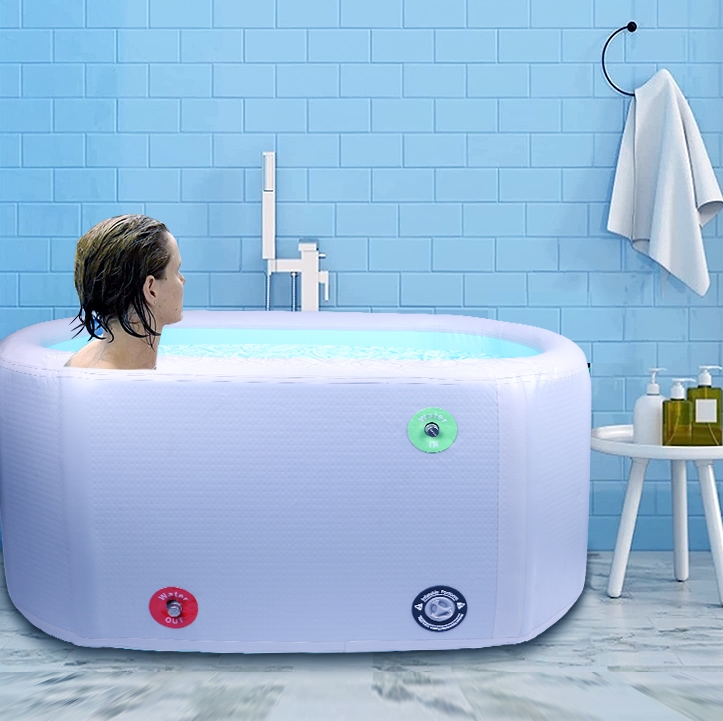
Concrete
Concrete is the choice for permanent, built-in ice baths, especially in spas or luxury homes.
Advantages
- Very Durable: Can last for decades if built well.
- Customizable: Can be formed to any size or shape.
- Excellent Insulation: When made thick, concrete holds cold for hours.
- Aesthetic Options: Can be finished with tile, stone, or paint.
Disadvantages
- Expensive: High upfront cost for materials and installation.
- Permanent: Once installed, cannot be moved.
- Maintenance: Concrete can crack over time and may require sealing.
Non-obvious Insight
Adding foam insulation around the outside of a concrete tub (before finishing) greatly improves thermal performance. Many people skip this step and end up using more ice.
Example
Luxury wellness centers often feature a custom concrete plunge pool, sometimes with cold water circulation systems.
Comparing Materials: Durability, Insulation, And Price
To help you see the differences more clearly, here’s a comparison of the key features for each material:
| Material | Durability | Insulation | Average Price (USD) | Portability |
|---|---|---|---|---|
| Plastic | Medium | Poor | $50–$300 | High |
| Stainless Steel | Very High | Poor | $1,000–$5,000+ | Low |
| Acrylic | High | Good | $800–$3,000 | Medium |
| Fiberglass | High | Good | $600–$2,000 | Medium |
| Rubber/PVC | Low | Poor | $80–$200 | Very High |
| Galvanized Steel | Medium | Poor | $100–$350 | Medium |
| Concrete | Very High | Excellent | $2,000–$10,000+ | None |
Which Material Is Best For Different Users?
The “best” material depends on your goals, space, and budget. Here’s a quick guide:
| User Type | Recommended Material | Why |
|---|---|---|
| Beginner/Home User | Plastic or Inflatable PVC | Low cost, easy to set up, portable |
| Serious Athlete | Stainless Steel or Fiberglass | Durable, hygienic, supports frequent use |
| Wellness Center/Spa | Concrete or Acrylic | Customizable, stylish, long-lasting |
| Travel/Outdoor Use | Inflatable PVC | Lightweight, packs small |
| DIY/Low Budget | Galvanized Steel or Plastic | Cheap, easy to find |
Practical Tips For Choosing Your Ice Bath Tub
Choosing the right material is just one part of the decision. Here are some practical tips to help you get the best experience:
- Check Size and Depth: Make sure the tub is big enough for your body. Most adults need at least 24 inches (60 cm) deep and 30–36 inches (75–90 cm) wide.
- Plan for Drainage: Some materials are easier to fit with a drain plug. Emptying a heavy tub without a drain can be a headache.
- Consider Insulation: If you want to save ice, look for tubs with built-in insulation or add a foam wrap or insulated cover.
- Think About Cleaning: Smooth materials like stainless steel and acrylic are easiest to wipe down. Rough plastic or galvanized surfaces may need scrubbing.
- Outdoor Use: Look for UV-resistant materials if your tub will sit in the sun. Cover your tub to prevent algae and dirt buildup.
- Check Local Climate: In very cold areas, some plastics can crack outdoors. Concrete and steel handle freezing better but need to be winterized.
- Weight Matters: If you need to move the tub often, choose plastic or inflatable. Concrete and steel are best for fixed installations.
Environmental And Health Considerations
Many people overlook the environmental impact of their ice bath tub. Here are some points to keep in mind:
- Plastic: Look for tubs made from recycled plastic or those that are recyclable at end of life.
- Steel and Concrete: These materials have a high environmental cost to produce but can last decades, reducing waste.
- Chemicals: Avoid using harsh cleaning chemicals, especially in galvanized or plastic tubs, as they can leach into water and harm skin.
- Water Use: To save water, use a filter pump and change water weekly instead of daily.
Real-world Examples And Data
- A study by the American College of Sports Medicine found that well-insulated tubs reduce ice use by up to 40% compared to uninsulated plastic or metal tubs.
- In a survey of 500 home users, 68% started with a basic plastic or galvanized tub, but 35% upgraded to a better-insulated model within a year.
- Professional sports teams usually invest in custom stainless steel or concrete baths for maximum durability and hygiene.
For more detailed advice on cold therapy and bath design, see this Wikipedia page on cryotherapy.
Frequently Asked Questions
What Size Should My Ice Bath Tub Be?
Most Adults Need A Tub At Least 24 Inches (60 Cm) Deep And 30–36 Inches (75–90 Cm) Wide To Fully Submerge The Body. If You’re Taller Than Average, Look For Even Deeper Options Or Tubs Designed For Two People.
How Long Does The Water Stay Cold In Different Materials?
Insulated Or Thick-walled Tubs (like Concrete Or Fiberglass) Can Keep Water Cold For 4–8 Hours, Depending On The Amount Of Ice And Outdoor Temperature. Thin Plastic Or Metal Tubs May Warm Up In As Little As 1–2 Hours Unless You Add More Ice Or Use A Cover.
Are Galvanized Steel Tubs Safe For Skin?
They Are Generally Safe For Short Use, But If The Coating Wears Off, Rust Can Form. Also, Avoid Adding Salt, Chlorine, Or Cleaning Chemicals That Might React With The Metal. Always Rinse Well Before Use.
Can I Use A Regular Bathtub For Ice Baths?
You Can, But Standard Bathtubs Are Not Insulated And Often Too Shallow For Full Submersion. Plus, They Can Be Hard To Clean After Using Large Amounts Of Ice. A Dedicated Ice Bath Tub Is Usually More Practical And Efficient.
How Do I Keep My Ice Bath Tub Clean?
Rinse After Each Use, Wipe With Mild Soap, And Let It Dry Fully. For Deeper Cleaning, Use A Diluted Vinegar Solution Or A Non-abrasive Disinfectant. Avoid Bleach Or Harsh Chemicals, Especially In Plastic Or Galvanized Tubs.
Choosing the right ice bath tub material can make your cold therapy routine more comfortable, efficient, and enjoyable. By understanding the strengths and weaknesses of each option, you can invest wisely and get the most out of every plunge. Whether you’re a beginner on a budget or building a luxury spa, the right tub is out there—just waiting for you to take the plunge.

