

Are Ice Bath Tubs Eco-friendly?
The cold shock of an ice bath is no longer reserved for elite athletes. From professional sports teams to wellness influencers, ice bath tubs are now a wellness trend worldwide. People use them for faster muscle recovery, stress relief, and even better sleep. But as their popularity grows, so do questions about their impact on the planet. Many people are now asking: are ice bath tubs eco-friendly?
This is not a simple yes or no answer. The truth depends on how ice baths are used, the materials they are made from, and the energy needed to keep them cold. Let’s break down the real environmental effects of ice bath tubs, look at how they compare to alternatives, and see what you can do to make your cold therapy routine more eco-friendly.

36% off Today’s Exclusive Deals
Limited-time Exclusive Deals. Check current discount on Amazon.
Check Price on Amazon As an Amazon Associate I earn from qualifying purchases.What Makes A Product Eco-friendly?
Before looking at ice bath tubs, it’s important to understand what “eco-friendly” really means. A product is eco-friendly when it causes minimal harm to the environment during its entire life—production, use, and disposal. For ice bath tubs, this means thinking about:
- The materials used to make the tub
- How much energy is needed to chill the water
- How much water is used per bath
- The chemicals (if any) used for cleaning or chilling
- How long the tub lasts and what happens to it after use
Most people focus only on water or energy use, but the full eco-impact includes every stage, from factory to landfill.
Types Of Ice Bath Tubs
There are several types of ice bath tubs on the market. Each type comes with a different footprint for the environment.
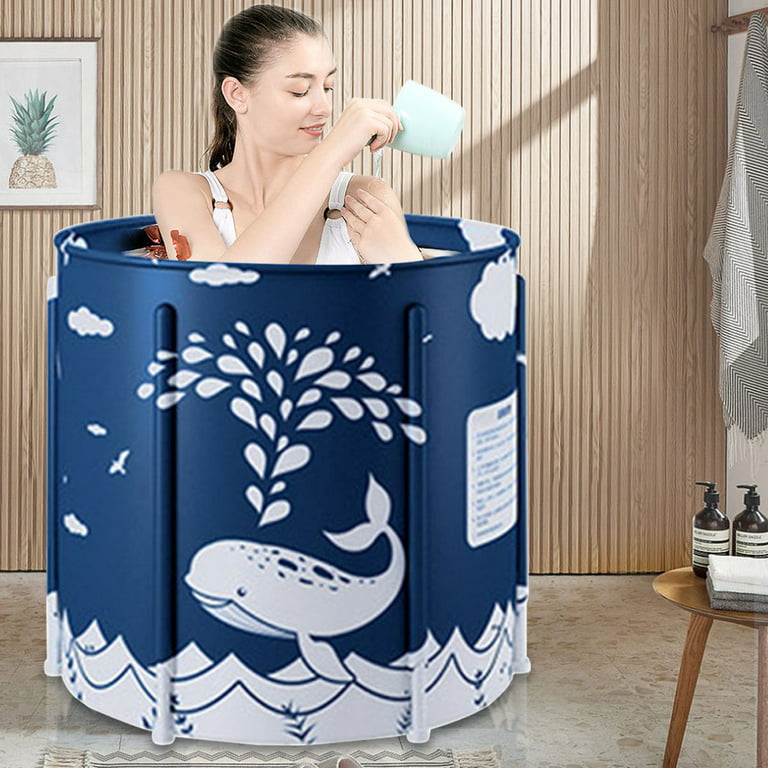
1. Inflatable And Portable Tubs
These are made of plastic, rubber, or PVC. They are popular because they are easy to set up and move. However, most are not built to last for years, and the materials are rarely biodegradable.
2. Traditional Bathtubs
Some people simply fill their regular bathtub with cold water and ice. While this uses no extra materials, it is not always practical. Standard bathtubs are not insulated, so they need a lot of ice to reach and keep cold temperatures.
3. Insulated Hard-shell Tubs
These are made from materials like fiberglass or rotomolded plastic. They are designed to keep water colder for longer, reducing the amount of ice or energy needed. High-quality models can last many years, but their production has a larger environmental impact than simple tubs.
4. Electric Chiller Tubs
The high-end option. These tubs use built-in chillers, like small refrigerators, to keep water cold with no ice needed. They often have the best insulation and filtration, but require electricity every time they run.
5. Natural Ice Baths
Some people use lakes, rivers, or cold outdoor barrels during winter. This has almost zero man-made impact, but is only possible in certain climates.
Each type offers a tradeoff between convenience, durability, and environmental footprint.
Materials And Manufacturing Impact
How an ice bath tub is made matters as much as how it’s used. Let’s look at the main materials and their eco-impact.
Plastic And Pvc Tubs
Most portable and inflatable tubs use plastic or PVC. These materials are cheap and light, but:
- Take hundreds of years to break down in nature.
- Release chemicals if burned or dumped in landfill.
- Rarely recycled, especially if mixed with other materials.
The production process for PVC also creates toxic byproducts, which can harm air and water quality near factories.
Fiberglass And Rotomolded Tubs
Many premium tubs use fiberglass or rotomolded plastic. These are more durable, lasting 5-10 years or more. However:
- Fiberglass production uses a lot of energy and releases emissions.
- Rotomolded plastics are less toxic than PVC, but still not biodegradable.
- Large, single-material tubs are hard to recycle at end of life.
Metal Tubs
Some traditional tubs use stainless steel or galvanized metal. These can last decades if cared for, but:
- Mining and refining metals uses a lot of energy and water.
- Metal can be recycled, which helps lower long-term impact.
Wood Tubs
Natural wood tubs are rare but valued for their beauty. If made from sustainably harvested wood, they can be eco-friendly. However, if the wood is not certified, logging can hurt forests and wildlife.
Insulation Materials
Tubs with insulation use foam or synthetic fibers. These are not biodegradable and can off-gas chemicals. But they greatly reduce energy or ice needs, so the tradeoff can be positive over the tub’s life.
Manufacturing Location
A little-known factor is where the tub is made. Shipping a heavy tub from overseas adds emissions. Locally made tubs often have a lower carbon footprint.
Energy And Water Use
The main ongoing impact of ice bath tubs is how much energy and water they use. Here is a closer look at each factor.
Water Use Per Bath
A standard ice bath uses between 70 and 150 liters of water, depending on tub size. For comparison, a quick shower (5 minutes) uses about 50 liters. If you drain and refill the tub every time, this can add up quickly.
Some high-end tubs have filtration systems, allowing you to keep the same water for days or even weeks with proper treatment. This can cut water use by 80% or more.
Ice And Chilling Energy
If you add bags of ice, you are using energy indirectly—ice requires electricity to freeze at the store. With electric chiller tubs, you use electricity directly to keep water cold.
Here is a comparison of energy use for a typical ice bath session:
| Ice Bath Method | Energy Use (kWh per session) | Notes |
|---|---|---|
| Store-bought ice (50 kg) | ~10 kWh | Energy used at ice plant, not at home |
| Electric chiller (2 hours run) | 1.5 – 3 kWh | Depends on tub size and insulation |
| Outdoor cold water (winter) | 0 kWh | No energy used |
For reference, running a dishwasher uses about 1. 2 kWh per cycle. So, a single ice bath can use as much energy as several dishwasher cycles.
Keeping Water Cold
Well-insulated tubs can hold cold water for longer, reducing the need to chill again. If you use a non-insulated tub, you may need to add more ice or run the chiller longer.
Heating Vs. Cooling
One surprising insight: cooling water takes much more energy than heating it the same amount. This means ice baths have a higher energy footprint per session than hot baths, unless the cold is from natural sources.
Chemicals And Water Treatment
To keep the water clean, many people add chlorine or similar chemicals, just like a swimming pool. These chemicals can:
- Create harmful byproducts if released into nature
- Add to the carbon footprint, as they require energy to produce
Some new ice bath models use ozone or UV light to sanitize water, reducing or removing the need for chemicals. However, the devices that produce ozone or UV also use electricity, so the overall impact needs to be considered.
If you drain your tub after each use and do not add chemicals, the water can often be safely used to water plants—unless you have used soaps or other products in the tub.
Longevity And End-of-life Disposal
How long a tub lasts makes a big difference to its total eco-impact. A cheap inflatable tub that breaks after one season is less eco-friendly than a durable tub that lasts for a decade.
Product Lifespan
- Inflatable tubs: Usually 1-2 years
- Plastic/fiberglass tubs: 5-10 years
- Metal or high-quality wood tubs: 15+ years
Disposal
Most ice bath tubs are not recyclable through regular city recycling. Fiberglass, PVC, and insulated plastics often end up in landfills. Metal tubs can be recycled, but may need to be taken to special facilities.
A good tip is to look for brands that offer recycling or take-back programs. Some companies are starting to design tubs for easier recycling by using fewer mixed materials.
Comparing Ice Bath Tubs To Alternatives
Is using an ice bath tub better or worse for the environment than other recovery methods? Let’s compare.
Showers And Regular Baths
- Use less water per session
- Do not require ice or chilling
- Less effective for cold therapy below 15°C
Cold Packs And Wraps
- Use less water, but often made of plastic and synthetic gels
- Not as immersive or effective for full-body recovery
Cryotherapy Chambers
- Use electricity to create very cold air (-100°C or colder)
- Sessions last only 2-3 minutes, but machines use a lot of energy and sometimes liquid nitrogen
- Higher carbon footprint per session than ice bath tubs
Outdoor Cold Water (natural Ice Baths)
- Lowest environmental impact if available
- No materials, energy, or chemicals needed
- Not an option year-round or in all locations
Here is a side-by-side comparison:
| Method | Water Use | Energy Use | Materials Impact | Eco-Friendliness |
|---|---|---|---|---|
| Ice Bath Tub | High (unless filtered) | High (if using ice or chiller) | Medium to High | Variable |
| Hot Bath | Medium | Medium | Low (uses regular tub) | Medium |
| Cryotherapy | Low | Very High | High (special machines) | Low |
| Natural Water | Very Low | Very Low | Low | High |
Can Ice Baths Be Eco-friendly?
The answer is: it depends on how you use them. Here are the key factors that make an ice bath tub more or less eco-friendly:
1. Frequency Of Use
If you take daily ice baths, your total water and energy use will be high. If you only use it once a week, the impact is much lower.
2. Water Management
Using a tub with a good filtration system allows you to reuse water for weeks, cutting down waste. If you drain after every use, water use rises quickly.
3. Type Of Cooling
Using store-bought ice for every bath has a much higher footprint than using a well-insulated tub with an efficient chiller. The greenest option is using naturally cold water when possible.
4. Tub Materials And Lifespan
A high-quality tub that lasts for many years is more eco-friendly than a disposable one, even if it uses more materials at first.
5. Chemical Use
Avoiding harsh chemicals and choosing ozone or UV sanitizing systems reduces pollution.
6. End-of-life Plan
Choosing a tub made with recyclable materials, or from a company that offers take-back programs, reduces landfill waste.

How To Make Your Ice Bath Routine Greener
If you want to enjoy the benefits of cold water therapy but lower your environmental impact, here are some practical steps:
- Choose durable tubs: Invest in a high-quality, long-lasting tub rather than a cheap, disposable one.
- Buy local: Select a tub made in your own country or region to reduce shipping emissions.
- Use a filtration system: This allows you to keep the same water for longer, saving hundreds of liters over time.
- Avoid single-use ice: Use a home ice maker (ideally powered by renewable energy) or a chiller with good insulation.
- Eco-friendly cleaning: Use natural cleaners or ozone systems instead of harsh chemicals.
- Recycle when possible: Find out if your tub can be recycled at end of life.
- Share with others: If you are part of a sports team or gym, sharing one tub for many people is more eco-efficient than each person having their own.
Here’s a look at the potential water savings from using a filtration system:
| Baths per Month | Water Use (No Filtration, Liters) | Water Use (With Filtration, Liters) |
|---|---|---|
| 8 | 1,200 | 150 |
| 20 | 3,000 | 300 |
This simple step can save thousands of liters of water every year.
Two Insights Many People Miss
- Embodied energy matters: Most people focus only on the energy used during each bath. But the “embodied energy”—all the energy used to make, ship, and dispose of the tub—can be even greater over its life. A cheap tub replaced every year is less green than a heavy, well-made one used for a decade.
- Chiller efficiency is key: Not all chillers are equal. Some use old, inefficient motors that waste energy. Others use modern, inverter-driven compressors that use far less electricity. If you choose an electric chiller, look for high efficiency ratings.

Real-world Example
Consider two people:
- Person A uses a $70 inflatable tub, fills it with store-bought ice (50 kg per session), and drains it after every use. They take 8 ice baths per month. In one year, they use nearly 10,000 liters of water and over 900 kWh of energy (from ice making).
- Person B uses a $2,000 insulated tub with a high-efficiency chiller and water filtration. They reuse water for a month and keep the chiller running only as needed. Their yearly water use is under 2,000 liters, and energy use is under 100 kWh.
Person B’s setup costs more at the start, but their routine is much greener in the long run.
The Big Picture: Should You Worry?
Compared to driving a car or heating a home, ice bath tubs are a small part of your overall carbon footprint. But if millions of people use them daily, the impact adds up. As with all wellness trends, what matters is making smart choices, not chasing perfection.
To go deeper on product life cycles and eco-impact, you can read this Life-Cycle Assessment overview.
Frequently Asked Questions
How Much Water Does An Ice Bath Tub Use Per Session?
A typical ice bath tub holds between 70 and 150 liters of water per session. If you use a filtration system and reuse the water, you can cut your total water use by 80% or more.
Is Using Store-bought Ice Bad For The Environment?
Yes, because store-bought ice requires electricity to produce, package, and transport. Making 50 kg of ice uses about 10 kWh of energy at a commercial plant. Using a well-insulated tub with a home chiller is usually more eco-friendly.
Are There Any Eco-friendly Ice Bath Tubs On The Market?
Some brands use recycled materials or offer take-back programs. Look for tubs made from recyclable plastics or metal, with minimal packaging, and local manufacturing. Always ask about lifespan and end-of-life options before buying.
Can I Use Rainwater Or Gray Water In My Ice Bath Tub?
You can use rainwater if it is clean and filtered. Avoid using gray water (used water from sinks or showers) for hygiene reasons. Always change the water if it becomes cloudy or has an odor.
What Is The Greenest Way To Do Cold Therapy?
The most eco-friendly method is to use natural cold water sources, like rivers, lakes, or cold outdoor barrels in winter. If you must use a tub, pick a durable, well-insulated model, reuse water, and minimize energy use for chilling.
In the end, ice bath tubs can be part of a low-impact lifestyle if you make thoughtful choices. Focus on durability, water and energy savings, and responsible disposal to keep your wellness routine as green as possible.

