Can Ice Baths Help With Sleep Recovery?
A good night’s sleep is like a reset button for your mind and body. But what happens when your body feels tired, sore, or restless, making it hard to fall asleep or wake up refreshed? Many people, especially athletes, are turning to ice baths as a way to recover faster and possibly sleep better. But does sitting in cold water really help with sleep recovery, or is it just a trend that looks good on social media?
In this article, you’ll find out exactly what happens to your body during an ice bath, how it might influence your sleep, and what science says about its effectiveness. You’ll also learn about the potential risks, practical tips for safe use, and how ice baths compare to other recovery tools.

36% off Today’s Exclusive Deals
Limited-time Exclusive Deals. Check current discount on Amazon.
Check Price on Amazon As an Amazon Associate I earn from qualifying purchases.By the end, you’ll know whether this chilly practice is worth trying for better sleep and recovery.
How Ice Baths Work On The Body
When you step into an ice bath, the shock of the cold is immediate. Your skin tightens, your breath quickens, and your heart might beat a little faster. But what is really happening beneath the surface?
The Science Behind Cold Exposure
Ice baths, also called cold water immersion, usually involve sitting in water between 10°C and 15°C (50–59°F) for 5–15 minutes. This cold temperature causes your blood vessels to narrow, a process called vasoconstriction. This temporary tightening of the blood vessels can help reduce inflammation and swelling in your muscles after exercise.
Once you get out and start to warm up, your blood vessels expand again—vasodilation—which increases blood flow and helps flush out waste products like lactic acid. This process is thought to speed up recovery and decrease muscle soreness.
Hormonal And Nervous System Effects
Cold water can also affect your nervous system. The initial shock increases your alertness by boosting adrenaline and norepinephrine. But after the bath, as your body warms up, there’s a calming effect. Your body releases endorphins—the “feel good” hormones—that can help you feel relaxed and sometimes sleepy.
Another effect is on cortisol, the main stress hormone. Some studies suggest cold exposure can lower cortisol after an initial spike. Lower evening cortisol levels are linked to better sleep quality.
The Connection Between Recovery And Sleep
Sleep is the body’s natural way to recover from stress, exercise, or injury. During deep sleep, your muscles repair themselves, your brain sorts memories, and hormones like growth hormone are released for healing. When your sleep is poor, your body can’t fully recover, leading to more fatigue and soreness.
Why Athletes Care About Sleep Recovery
For athletes, sleep recovery is as important as training or nutrition. Poor sleep can lead to slower reaction times, lower energy, and a higher risk of injury. Many athletes use recovery tools—like massages, stretching, or ice baths—to help them sleep better and recover faster.
But you don’t have to be an athlete to care about sleep recovery. Many people struggle with insomnia or wake up feeling tired. Improving recovery can help anyone feel more refreshed and ready for daily life.
Can Ice Baths Directly Improve Sleep?
Here’s the big question: Does taking an ice bath actually help you fall asleep faster or sleep more deeply?
What Research Says
The evidence is still developing, but a few key studies have looked at this connection:
- A 2019 study found that evening cold water immersion led to lower core body temperature and helped athletes fall asleep faster.
- Another study in 2020 reported that cold water exposure after intense exercise reduced muscle soreness and slightly improved sleep quality compared to no recovery treatment.
- However, some research shows no significant improvement in sleep when people take ice baths, especially if the bath is too close to bedtime.
How Cooling The Body Affects Sleep
Your body’s core temperature naturally drops before sleep. This cooling signals your brain that it’s time to rest. An ice bath can speed up this drop, making you feel sleepy soon after. But if you stay cold for too long or shiver, your body might resist sleep, as shivering increases alertness.
Real-world Example
Professional athletes like LeBron James and Cristiano Ronaldo often use cold water therapy as part of their recovery routine. They report feeling more relaxed and sleeping better after tough games. While these are personal experiences, they show how ice baths might help with sleep by reducing muscle pain and calming the mind.
Benefits Of Ice Baths For Sleep Recovery
Let’s look at the possible ways ice baths might help you recover and sleep better.
1. Reducing Muscle Soreness
After a hard workout, your muscles develop tiny tears. This leads to delayed onset muscle soreness (DOMS), making it hard to move—or sleep—comfortably. Ice baths can reduce this soreness, letting you rest more easily.
2. Lowering Body Temperature For Better Sleep
Cooling your body in the evening can encourage sleepiness. Since your core temperature needs to drop to fall asleep, an ice bath might help you fall asleep quicker.
3. Calming The Mind
The release of endorphins and reduction of stress hormones after a cold bath can make you feel relaxed. This calm state is important for winding down before bed.
4. Reducing Inflammation
Cold exposure decreases inflammation in muscles and joints. Less inflammation means less pain, which can reduce tossing and turning at night.
5. Speeding Up Recovery
Faster muscle recovery means you’re less likely to wake up stiff or sore. This can improve your overall sleep quality and readiness for the next day.
Risks And Downsides Of Ice Baths
While ice baths have benefits, they’re not for everyone. Here’s what you should watch out for.
1. Overcooling And Discomfort
If you stay in the ice bath too long, your body can become too cold. This can lead to shivering, numbness, or even hypothermia in extreme cases. Feeling too cold makes it harder to relax and sleep.
2. Heart And Blood Pressure Concerns
Cold water puts stress on your heart. If you have heart problems or high blood pressure, ice baths can be risky. Always check with your doctor before trying cold exposure.
3. Delayed Sleep Onset
If you take an ice bath too close to bedtime, the initial adrenaline rush can keep you awake. It’s better to finish your bath at least 1–2 hours before sleep.
4. Not A Magic Fix
While ice baths may help with muscle recovery and sleep, they’re not a cure for insomnia or serious sleep problems. If you have ongoing sleep issues, speak with a healthcare professional.
5. Skin And Nerve Issues
Extended cold exposure can lead to frostbite or skin irritation. Always limit your time in the bath and check your skin for any problems.
How To Use Ice Baths For Sleep Recovery
If you want to try ice baths as part of your nighttime routine, follow these steps for safety and effectiveness.
Step 1: Prepare Your Bath
Fill your bathtub with cold water, then add ice until the temperature is between 10°C and 15°C (50–59°F). Use a thermometer to check. For beginners, start at the warmer end of this range.
Step 2: Set A Timer
Don’t stay in too long. Aim for 5–10 minutes if you’re new, and never exceed 15 minutes. If you start to shiver or feel numb, get out immediately.
Step 3: Warm Up After
Dry off and put on warm clothes right after your bath. Drink a hot drink or use a blanket if needed. This helps your body return to a comfortable temperature, which is important for sleep.
Step 4: Time It Right
Take your ice bath 1–2 hours before bedtime. This gives your body time to recover from the cold shock and settle into a relaxed state.
Step 5: Listen To Your Body
Everyone’s tolerance for cold is different. If you feel dizzy, overly cold, or uncomfortable, stop immediately.

Comparing Ice Baths To Other Recovery Methods
Ice baths are just one tool for recovery and better sleep. How do they compare to other methods?
Here’s a simple comparison:
| Recovery Method | Main Benefit | Best For | Sleep Impact |
|---|---|---|---|
| Ice Bath | Reduces inflammation, muscle soreness | Intense exercise, inflammation | May aid sleep by reducing soreness and lowering body temp |
| Hot Bath | Relaxes muscles, increases blood flow | Mild aches, stress relief | Can help sleep by relaxing body, but raises core temp |
| Massage | Relieves tension, improves blood flow | Tight muscles, stress | Can aid sleep by reducing tension |
| Stretching | Improves flexibility, reduces tightness | General soreness, stiffness | Helpful for sleep if done gently before bed |
Who Should Try Ice Baths For Sleep Recovery?
Ice baths are not for everyone, but they can be helpful for certain people.
Good Candidates
- Athletes with intense training schedules
- People with muscle soreness after workouts
- Those who feel overheated in the evening
- People interested in natural recovery methods
Who Should Avoid
- Anyone with heart problems or high blood pressure
- People who dislike cold or have poor circulation
- Children, elderly, or those with thin body types (risk of overcooling)
- Anyone with open wounds, skin problems, or nerve disorders
If you’re unsure, talk to a doctor before trying ice baths.
Non-obvious Insights About Ice Baths And Sleep
Most people focus on the shock and soreness relief, but there are less obvious things to know:
- The “Rebound Warming” Effect: After an ice bath, your body works to warm up again. This rebound can make you feel cozy and sleepy, especially if you bundle up right after. Many users say this is the best time to relax and prepare for bed.
- Timing Is Crucial: The benefits for sleep are strongly linked to when you take your ice bath. If you do it right after exercise, you get both recovery and sleep benefits. Too close to bedtime, and you might feel too alert to fall asleep.
- Consistency Matters: One-off ice baths might not change your sleep much. Regular, moderate use (2–3 times a week) seems to give the best results for both recovery and sleep, according to anecdotal reports from athletes.
- Individual Response: Some people feel energized after cold exposure, not sleepy. Pay attention to your own reaction—if you feel wired, try a shorter bath or shift to another recovery method.
What To Watch Out For: Common Mistakes
Even experienced athletes sometimes get ice baths wrong. Here’s what to avoid:
- Staying in too long: This can do more harm than good. Short, controlled sessions are safest.
- Using water that’s too cold: Don’t go below 10°C (50°F) unless you’re experienced and supervised.
- Forgetting to warm up: Skipping the warm-up phase can leave you feeling cold all night, which disrupts sleep.
- Taking ice baths too late at night: This can boost adrenaline and keep you awake.
- Ignoring your body’s signals: If you feel faint or numb, get out immediately.

What The Experts Say
Many sleep and recovery experts agree that ice baths can be part of a healthy routine, especially for those who train hard. However, they emphasize that ice baths are just one piece of the puzzle.
Dr. Charles Samuels, a sleep doctor and sports medicine specialist, points out that “recovery is multi-faceted. Good sleep, nutrition, and active recovery are just as important as cold exposure. ” He suggests combining ice baths with proper sleep hygiene and other recovery methods for best results.
Practical Tips For Getting The Most From Ice Baths
- Start slow: If you’re new, try cold showers first to build tolerance.
- Track your sleep: Use a sleep app or journal to see if ice baths improve your rest.
- Pair with relaxation: Try meditating or listening to calming music after your bath.
- Stay hydrated: Cold exposure can be dehydrating, so drink water before and after.
- Have warm clothes ready: This helps you warm up quickly and comfortably.
What Does The Future Hold? Research And Trends
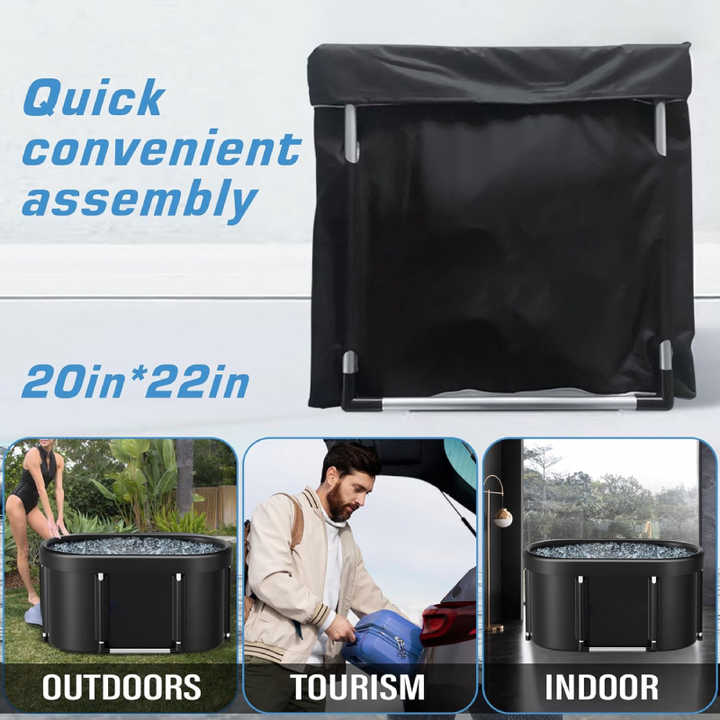
Interest in cold therapy is growing, and more studies are being done. In the future, we’ll likely see more personalized advice based on genetics, activity level, and sleep patterns. Some new products, like portable ice bath tubs and smart temperature controls, are making it easier for people to try this at home.
For now, most experts agree that ice baths are safe for healthy adults when used correctly. But they’re not a miracle cure—they work best as part of a bigger recovery plan.
Sample Routine: Using Ice Baths For Better Sleep
If you want to add ice baths to your evening recovery routine, here’s a simple plan:
- Finish your workout or activity at least 2 hours before bedtime.
- Prepare your ice bath (10–15°C, 5–10 minutes).
- Warm up after with comfortable clothes and a hot drink.
- Relax with gentle stretching or deep breathing.
- Go to bed at your usual time.
This routine helps your body wind down, recover, and get ready for restful sleep.
Ice Bath Myths And Facts
There’s a lot of misinformation about ice baths. Let’s clear up a few:
| Myth | Fact |
|---|---|
| Ice baths are painful and dangerous for everyone. | When used correctly, they are safe for most healthy adults. |
| Ice baths cure insomnia. | They can help with recovery and relaxation but are not a cure for sleep disorders. |
| Only elite athletes benefit from ice baths. | Anyone with muscle soreness or recovery needs can benefit. |
| Longer is better. | Short sessions (5–15 minutes) are best. Longer can be harmful. |
Frequently Asked Questions
What Is The Ideal Temperature For An Ice Bath?
The best temperature for an ice bath is between 10°C and 15°C (50–59°F). This range is cold enough to give benefits but not so cold that it causes pain or risk for most people. Beginners should start at the warmer end and gradually adjust.
How Long Before Bed Should I Take An Ice Bath?
It’s best to finish your ice bath 1–2 hours before bedtime. This gives your body time to recover from the cold shock and enter a relaxed, sleepy state. Taking it too close to bedtime can keep you awake due to the initial adrenaline rush.
Can Ice Baths Help People With Insomnia?
While ice baths can help with muscle relaxation and lowering body temperature, they are not a cure for insomnia. People with ongoing sleep problems should see a doctor for a full evaluation. Ice baths may help some people as part of a healthy bedtime routine.
Are There Any Risks To Using Ice Baths For Sleep Recovery?
Yes, there are risks if not used carefully. These include overcooling, skin irritation, numbness, and heart strain. People with heart conditions, high blood pressure, or poor circulation should avoid ice baths. Always listen to your body and keep sessions short.
Is There Scientific Proof That Ice Baths Improve Sleep?
There is some scientific evidence that ice baths can help with muscle recovery and may support better sleep by reducing soreness and lowering body temperature. However, research is still limited, and results vary between individuals. For more details, you can read studies on PubMed Central.
Ice baths can be a useful tool for recovery and better sleep when used wisely. They are not a magic solution, but they can help you feel more relaxed, less sore, and ready for a good night’s rest. As with any health practice, the key is to listen to your body and combine ice baths with other healthy habits for the best results.