

Many people are talking about ice bath tubs these days. Maybe you’ve seen athletes soaking in cold water on social media. Or you have friends who say ice baths help them recover after a workout. You might be curious: “Can beginners really use ice bath tubs safely?” The answer is not simple. Ice baths can help, but they are not for everyone, and using them in the wrong way can be risky.
This article explains everything you need to know before you jump into an ice bath. We’ll look at what ice bath tubs are, how cold exposure affects your body, and the real benefits and risks for beginners. You’ll get practical safety tips, guidance on starting slow, and advice to avoid common mistakes.

36% off Today’s Exclusive Deals
Limited-time Exclusive Deals. Check current discount on Amazon.
Check Price on Amazon As an Amazon Associate I earn from qualifying purchases.By the end, you’ll feel confident about whether ice baths are right for you—and how to use them safely if you decide to try.
What Are Ice Bath Tubs?
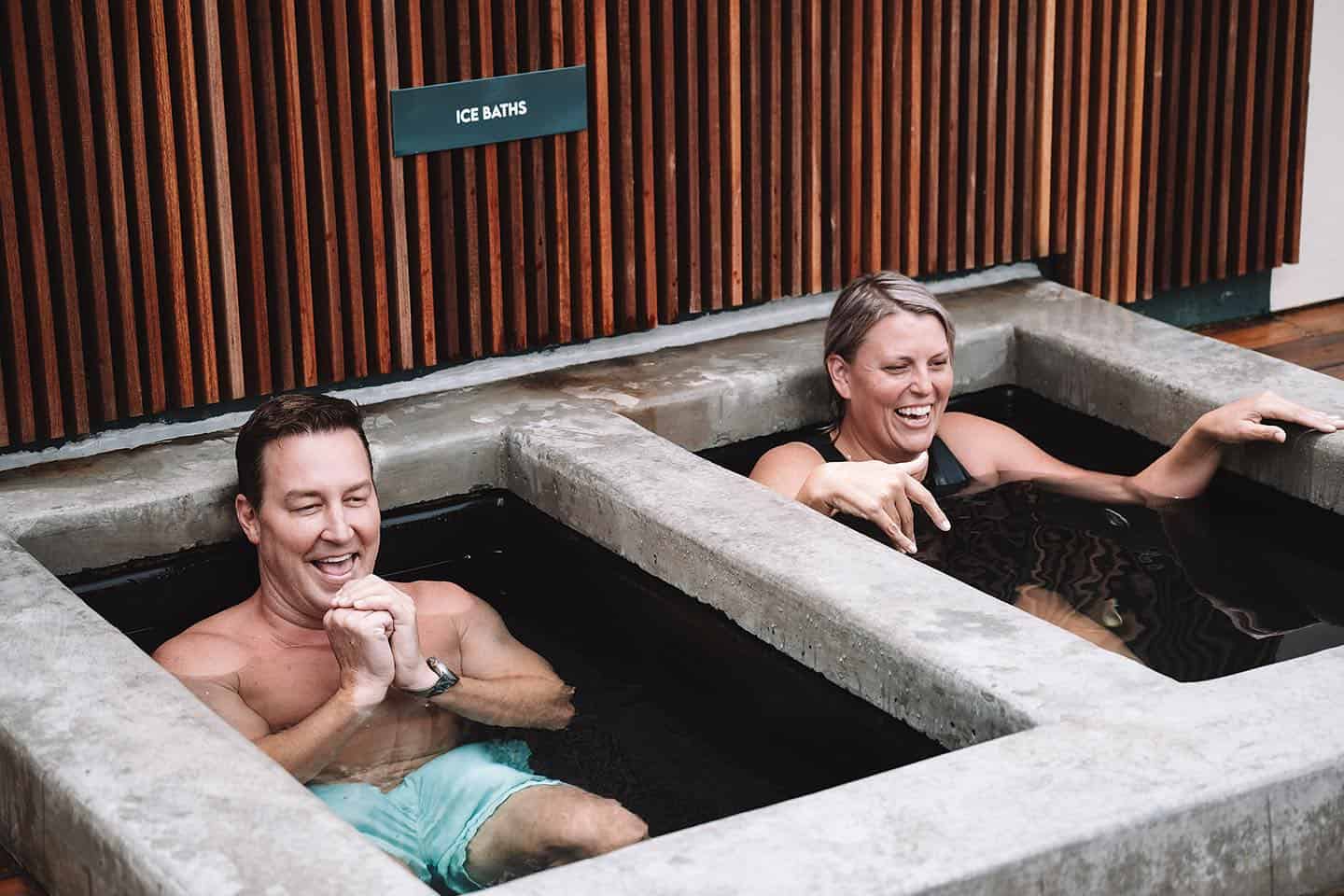
Ice bath tubs, sometimes called cold plunge tubs, are containers filled with cold water and ice. The water temperature is usually between 10°C to 15°C (50°F to 59°F), though some people use even colder water. These tubs can be simple—like a plastic tub or barrel—or more advanced models with built-in cooling systems and filters.
Why do people use them? The main reasons are:
- Muscle recovery after intense exercise
- Reducing inflammation and soreness
- Boosting mental toughness and resilience
- Some believe they improve circulation and the immune system
But just because ice baths are popular does not mean they are safe for everyone, especially beginners.
How Cold Exposure Affects Your Body
When you step into an ice bath, your body reacts quickly to the cold. Here’s what happens:
- Blood vessels constrict: Your body tries to keep core organs warm by reducing blood flow to the skin and muscles.
- Heart rate and blood pressure rise: The shock of cold water makes your heart beat faster.
- Breathing changes: You may gasp or hyperventilate at first.
- Nerve signals increase: You feel intense cold, which can be uncomfortable or even painful.
These changes are normal, but they can be too much for people with certain health conditions or those who are not used to the cold. For most healthy people, short-term cold exposure is safe if done correctly—but risks do exist.
Are Ice Baths Safe For Beginners?
The safety of ice bath tubs for beginners depends on several factors. Let’s look at the main points:
1. Health Status
If you are healthy, without heart problems or circulation issues, ice baths are usually safe when used with care. But some people should avoid them:
- Heart disease: The cold shock can stress your heart.
- High blood pressure: Blood pressure increases in cold water.
- Raynaud’s disease: Cold makes fingers and toes numb or painful.
- Diabetes or nerve problems: You may not feel the cold or pain properly.
Tip: Always talk to your doctor before starting if you have a medical condition.
2. Age And Fitness Level
Younger, fitter people usually handle ice baths better. Beginners who are older, less active, or unused to cold should start with milder cold exposure.
3. Supervision
Never use an ice bath alone, especially as a beginner. Accidents can happen quickly. Have someone nearby who can help if you feel unwell.
4. Proper Use
Many ice bath risks come from using them incorrectly. Beginners often stay in too long or make the water too cold. Safe use is key.
Real Benefits Of Ice Bath Tubs For Beginners
It’s important to know what ice baths really do and do not do. Many claims online are exaggerated. Here are the main proven benefits for beginners:
Muscle Recovery
Ice baths can reduce muscle soreness after hard exercise. Several studies show that cold water immersion helps decrease delayed onset muscle soreness (DOMS), especially in the first 1–2 days after a tough workout.
Inflammation Control
Cold exposure lowers blood flow to muscles, which can reduce swelling and minor inflammation. This helps your body feel less sore and stiff.
Short-term Pain Relief
The cold numbs nerve endings, giving you temporary pain relief in sore muscles and joints.
Mental Strength
Sitting in icy water is challenging. Many beginners find that facing the discomfort helps build mental resilience and confidence.
Sleep Improvement
Some people report better sleep after using ice baths. This may be due to reduced soreness and a calming effect after the initial cold shock.
Non-obvious insight: Ice baths are best after high-intensity or long workouts. For light exercise, the benefits are much smaller.
Real Risks And Dangers For Beginners
Ice baths are not risk-free. Beginners should know about these dangers:
Hypothermia
Staying in cold water too long can cause your body temperature to drop dangerously low. This is called hypothermia. Symptoms include shivering, confusion, slurred speech, and loss of coordination.
Shock And Fainting
The sudden cold can cause your blood pressure to spike, leading to dizziness or even fainting. This is more likely if you enter the tub too quickly or are dehydrated.
Heart Problems
If you have an unknown heart issue, the cold shock could trigger a heart attack. This is rare in healthy young people but more common in older adults or those with heart disease.
Nerve And Skin Damage
Very cold water can numb your skin and nerves. If you stay in too long, you may not feel pain or damage, leading to frostbite or nerve injury.
Infection Risk
If the tub is not cleaned regularly, bacteria or fungi can grow in the water and cause skin infections.
Non-obvious insight: The risk of fainting is higher if you stand up quickly after the ice bath. Always exit slowly and have someone nearby.
How To Use Ice Bath Tubs Safely: Step-by-step Guide
If you want to try an ice bath as a beginner, follow these steps to reduce risks:
1. Check Your Health
Ask your doctor if you have any concerns or health problems. Be honest about your medical history.
2. Prepare The Tub
- Use clean water and a clean tub.
- Fill the tub with cold water, then add ice. Aim for 10°C to 15°C (50°F to 59°F) for beginners.
- Use a thermometer to check the temperature.
3. Set A Timer
- Beginners should start with 2–3 minutes only.
- Never stay in longer than 10 minutes in your first few tries.
- Have a clock or timer you can see easily.
4. Have Supervision
- Make sure someone is close by.
- Tell them what you are doing and how long you plan to stay in.
5. Enter Slowly
- Step into the tub gently.
- Sit down and allow your legs to adjust before lowering your whole body.
- Focus on slow, deep breathing.
6. Listen To Your Body
- If you feel dizzy, numb, or very uncomfortable, get out immediately.
- Do not try to “tough it out” if you feel unwell.
7. Warm Up After
- Dry off and put on warm clothes.
- Drink something warm, like tea or water.
- Move around gently to help your body warm up.
8. Clean The Tub
- Wash and dry the tub after each use to prevent bacteria.
Example: Maria, age 34, tried her first ice bath after reading about muscle recovery. She used a large tub, water at 13°C, and stayed in for just 3 minutes with her husband nearby. She felt refreshed but shivered a lot. Next time, she planned to try just her legs first.
Common Mistakes Beginners Make With Ice Bath Tubs
Beginners often make the same errors. Here are the most frequent ones:
- Water too cold: Starting at temperatures below 10°C can be dangerous.
- Staying in too long: More is not better. Short sessions are safer.
- Going alone: Always have someone nearby in case you feel faint or unwell.
- Skipping the health check: Some conditions are not obvious but can make ice baths risky.
- Not warming up after: Staying cold too long increases the risk of hypothermia.
- Jumping in too fast: Entering the tub suddenly increases shock to your heart and breathing.
- Using dirty tubs: Poor cleaning habits can cause skin problems.
- Not monitoring the time: Losing track can lead to dangerous exposure.
Practical tip: Write your planned time on paper and put it near the tub. This helps you stay safe and avoid losing track.
How Long Should Beginners Stay In Ice Bath Tubs?
The right time depends on your body, health, and the water temperature. Here’s a simple guideline:
| Experience Level | Recommended Time | Water Temperature |
|---|---|---|
| First time | 2–3 minutes | 13–15°C (55–59°F) |
| Beginner (1–5 sessions) | 3–5 minutes | 10–13°C (50–55°F) |
| Intermediate (6+ sessions) | 5–8 minutes | 10–12°C (50–54°F) |
Always start at the higher end of the temperature range and the lower end of the time range. With experience, you can slowly lower the temperature and increase the time.
What Type Of Ice Bath Tub Is Best For Beginners?
There are different types of ice bath tubs. Choosing the right one can make your experience safer and more comfortable.
| Type | Pros | Cons | Best For |
|---|---|---|---|
| Plastic barrel/tub | Cheap, easy to set up, portable | No cooling system, harder to clean | First-timers, budget users |
| Inflatable tub | Comfortable, easy to store, affordable | May leak, not as durable | Apartment users, occasional use |
| Professional cold plunge | Built-in temperature control, filters, easy cleaning | Expensive, heavy, needs space | Regular users, athletes |
| Bathtub at home | No extra cost, easy access | May not be deep enough, hard to drain | One-time or rare use |
For most beginners, a simple plastic tub or your home bathtub works well. You do not need a fancy cold plunge to get started.
How Often Should Beginners Use Ice Bath Tubs?
Using ice baths too often can reduce your training results. Here’s what research and experts recommend:
- 1–2 times per week is enough for most beginners.
- After heavy workouts or sports, not after every small session.
- Give your body at least 48 hours between ice baths to recover.
Non-obvious insight: Using ice baths every day can slow muscle growth. Cold can reduce the body’s natural “repair signals” needed for building strength.

Who Should Not Use Ice Bath Tubs?
Even if you are curious, ice baths are not safe for everyone. Avoid ice baths if you:
- Have heart disease or a family history of sudden heart problems
- Suffer from high blood pressure
- Have Raynaud’s disease or severe circulation issues
- Have asthma (cold can trigger attacks)
- Are pregnant
- Are under 16 years old (unless a doctor says it’s okay)
- Are very sensitive to cold or have had previous bad reactions
When in doubt, ask a medical professional first.
Extra Tips For A Safe And Comfortable First Ice Bath
- Wear a swimsuit or light clothes for comfort.
- Put a towel or mat next to the tub to avoid slipping.
- Have a thermometer to check water temperature.
- Keep a warm blanket and hot drink ready for after.
- Try just your legs or just your arms first before a full-body plunge.
- Practice slow, steady breathing to handle the cold shock.
- Set up your tub in a safe, private place (not on a slippery bathroom floor).
Comparing Ice Baths With Other Cold Therapies
You might wonder: are ice bath tubs better than other ways to use cold for recovery? Here’s a quick comparison:
| Method | Effectiveness | Ease of Use | Risk Level |
|---|---|---|---|
| Ice bath tub | High (full body) | Medium | Medium |
| Cold shower | Low–medium | Easy | Low |
| Ice packs | Targeted, small area | Very easy | Very low |
| Cryotherapy chamber | High (short time) | Needs special facility | Medium–high |
For most beginners, ice bath tubs offer a strong effect but need more care and preparation. Cold showers are safer and easier but less powerful. Ice packs are good for small injuries or local pain.
Real Stories: What Beginners Experience
Hearing from real people can help. Here are a few examples:
James, 29: “My first ice bath was harder than I expected. I managed only 2 minutes, but felt less sore the next day. My advice: don’t go alone, and start with your legs first.”
Lina, 42: “I used an inflatable tub after running. The cold was a shock, but the timer helped. I shivered for 20 minutes after, so now I always have a blanket ready.”
Aaron, 35: “Tried a pro cold plunge at a gym. Staff helped me, which made me feel safe. The experience was tough but I slept better that night.”
Scientific Evidence: What Research Shows
Many studies have looked at cold water immersion. The main findings are:
- Muscle soreness: Reduced by 20–30% in the first 48 hours after exercise, compared to no cold treatment.
- Inflammation markers: Some decrease, but not always significant for all users.
- Performance: Ice baths do not improve performance directly, but help athletes recover faster for the next workout.
- Long-term muscle growth: May be slightly reduced if used too often, especially right after weightlifting.
A recent review of studies, published by the British Journal of Sports Medicine, found that ice baths are safe for healthy adults if used for short periods and at the right temperature. But, they are not a “miracle cure” and should not replace other recovery methods like rest, stretching, and good nutrition.
For more in-depth research, see this Wikipedia page on cryotherapy.
Frequently Asked Questions
Can I Use An Ice Bath Tub If I Have High Blood Pressure?
No. Ice baths can make your blood pressure rise quickly. If you have high blood pressure, talk to your doctor first. It may not be safe for you.
How Cold Should The Water Be For Beginners?
For beginners, the water should be 10°C to 15°C (50°F to 59°F). Do not go colder until you have more experience.
Is It Normal To Shiver After An Ice Bath?
Yes, shivering is your body’s way of warming up. It should stop after you dry off and put on warm clothes. If you keep shivering for more than 30 minutes, call a doctor.
Can I Use Ice Baths Every Day?
No. For beginners, 1–2 times per week is enough. Using ice baths too often can slow your muscle growth and may cause other problems.
What Should I Do If I Feel Dizzy Or Faint In The Ice Bath?
Get out of the tub immediately, dry off, and lie down somewhere warm. Tell someone nearby, and do not use ice baths again until you talk to your doctor.
Using ice bath tubs can be safe for beginners if you follow the right steps and pay attention to your body. Start slow, keep your sessions short, and always have someone with you. If you have any health concerns, check with your doctor before trying.
Ice baths are not magic, but they can be a useful tool for recovery and mental strength—when used safely and wisely.

