

Many people searching for muscle recovery, stress relief, or improved wellness face a choice: buy an ice bath tub for home use, or keep visiting spas for cold therapy sessions. At first glance, spas can feel like a luxury, while an ice bath tub seems like an investment. But what if bringing cold therapy home could actually save you a lot of money over time? Let’s explore if ice bath tubs really offer better value than regular spa treatments, and what factors make the biggest difference for your wallet.
Understanding Ice Bath Tubs And Spa Treatments
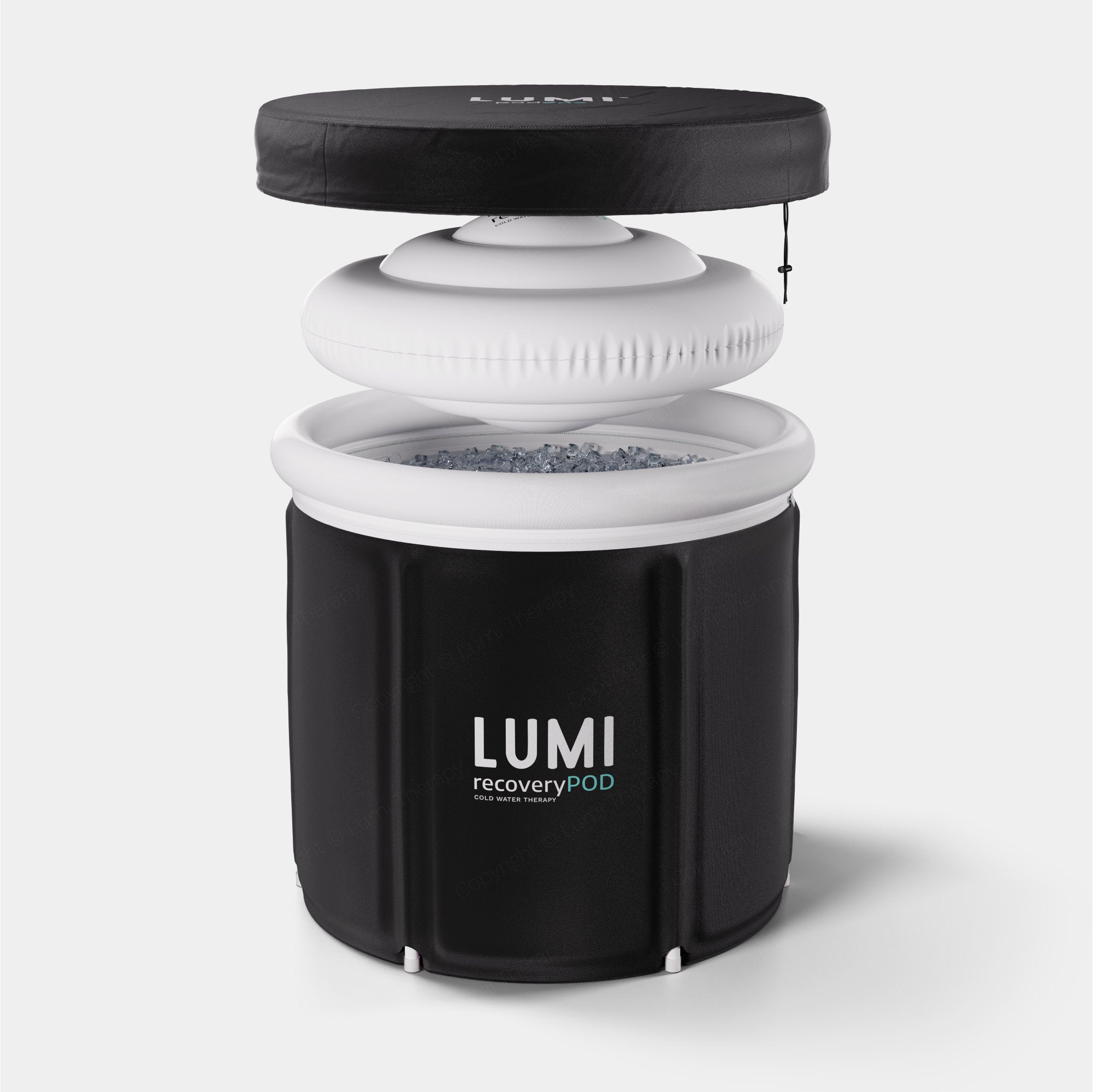
Before comparing costs, it helps to understand what you’re getting from each option. Ice bath tubs are designed for easy, repeatable cold water immersion at home. They range from simple inflatable tubs to high-end insulated units with chillers that keep water at a set temperature. Users fill them with cold water (and sometimes ice), soak for 5 to 15 minutes, and repeat as needed.

36% off Today’s Exclusive Deals
Limited-time Exclusive Deals. Check current discount on Amazon.
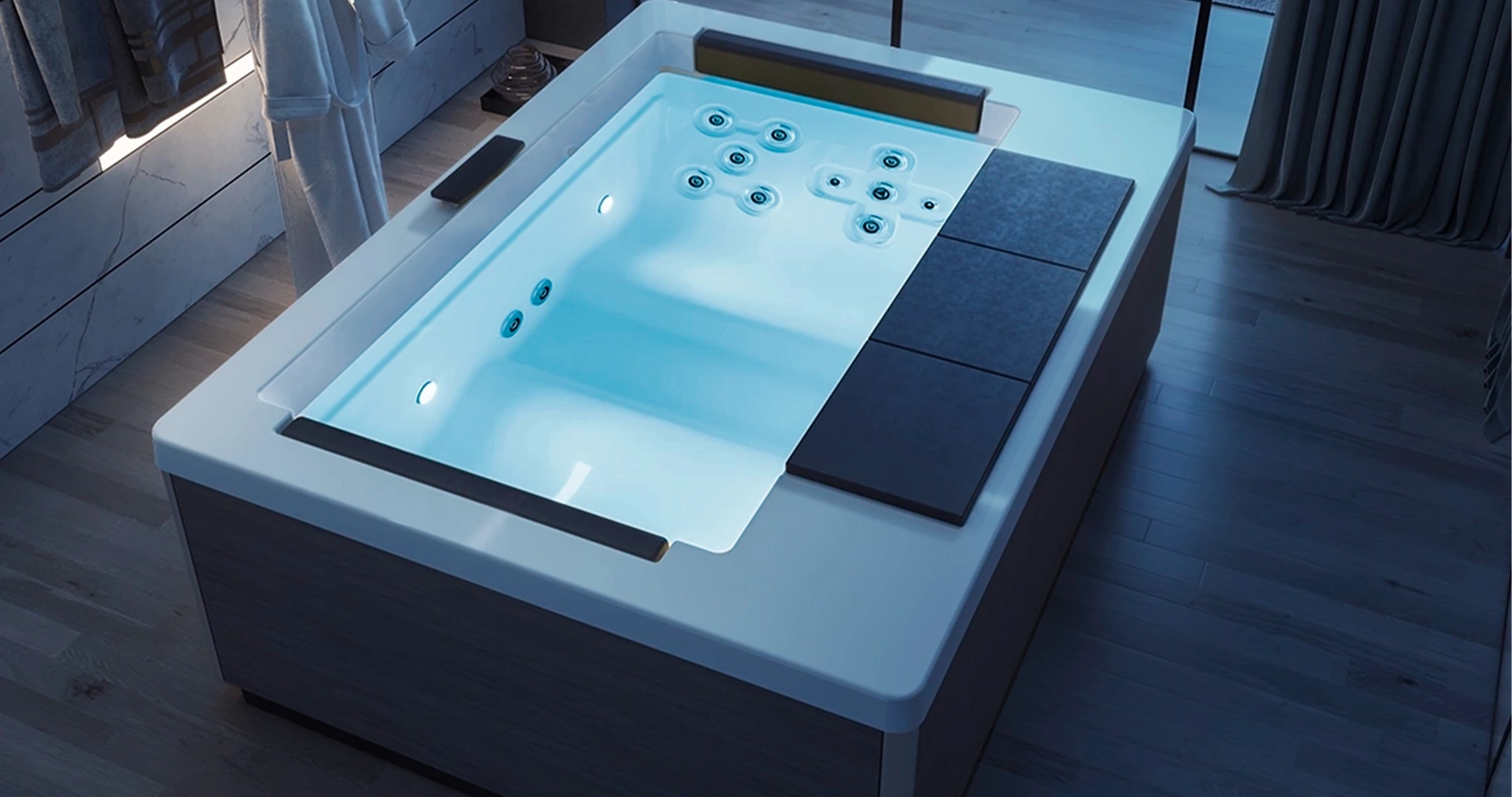
Check Price on Amazon As an Amazon Associate I earn from qualifying purchases.Spa treatments for cold therapy include professional ice baths, cold plunge pools, and cryotherapy chambers. Spas offer a controlled environment, often with staff who guide you, and some extra amenities like towels, showers, or even massage.
Upfront Costs: Buying Vs. Booking
Let’s start with the costs you see first: buying an ice bath tub, or paying for each spa visit.
Ice Bath Tub Upfront Expenses
Most home ice bath tubs cost between $100 and $1,500, depending on features and materials.
- Basic inflatable tubs: $100–$300
- Hard-sided portable tubs: $300–$600
- Insulated or chiller-equipped tubs: $700–$1,500+
If you want a chiller to keep water cold automatically, that’s usually another $500–$1,000. Some people just use their regular bathtub with ice, but purpose-built tubs are easier, more comfortable, and safer.
Spa Treatment Costs
The cost of a cold therapy session at a spa varies by location and service:
- Standard ice bath session: $30–$60 per visit
- Cryotherapy chamber: $40–$80 per session
- Luxury spa cold plunges: $70–$120 per visit
Most spas offer packages (for example, 10 sessions for $400), but even with discounts, costs add up quickly if you go often.
Comparing Upfront Spending
Here’s a direct look at what you’d spend in the first month, depending on your choice:
| Option | Initial Cost | Monthly Spa Visits (8 sessions) | Total First Month |
|---|---|---|---|
| Inflatable Ice Bath Tub | $150 | $0 | $150 |
| Insulated Ice Bath + Chiller | $1,300 | $0 | $1,300 |
| Spa Treatments | $0 | $320 (8 x $40) | $320 |
Insight: Even a high-end home tub pays for itself in 2–3 months if you use cold therapy often. Lower-cost tubs pay off even faster.
Ongoing Costs: What You Pay To Keep Going
Buying a tub is not your last expense. Let’s look at what you’ll pay over time for both options.
Ice Bath Tub Ongoing Expenses
- Water: Most people reuse water for several days (with cleaning), so water costs are small—often under $10/month.
- Ice: If you don’t have a chiller, you’ll buy ice. Each bath may need 10–30 pounds of ice. At $2 per 10 pounds, that’s $4–$8 per session (unless you use cold tap water in winter).
- Electricity: If you own a chiller, you’ll pay about $10–$25/month for power, depending on use and local rates.
- Cleaning supplies: Basic cleaners and filters are usually $5–$15/month.
Spa Treatment Ongoing Expenses
No hidden costs—just pay for each session. Some spas require membership (often $100–$300/month), which may include a set number of sessions.
Example Of 1-month Ongoing Costs
Assume you do 8 cold plunges per month.
| Option | Water/Ice/Electricity | Cleaning | Total Monthly |
|---|---|---|---|
| Ice Bath Tub (with ice) | $40 (ice) + $10 (water) | $10 | $60 |
| Ice Bath Tub (with chiller) | $20 (electricity/water) | $10 | $30 |
| Spa Treatments | $320 (8 x $40) | $0 | $320 |
Non-obvious insight: Many beginners forget to count ice costs. In warm climates, these can add up fast. However, if your tap water is cold or you have a chiller, ongoing costs drop a lot.
Long-term Savings: One Year And Beyond
The real question is, how much do you save in the long run? Let’s compare one year of use.
Annual Cost Comparison
Assume 8 sessions per month (about twice a week), and mid-range prices.
Home Ice Bath Tub
- Upfront tub: $500 (average hard-sided tub)
- Ice/water/cleaning: $60 x 12 = $720
- Total 1st year: $1,220
Spa Treatments
- Per-session cost: $40 x 8 x 12 = $3,840
With A Chiller
- Upfront tub + chiller: $1,300
- Electricity/water/cleaning: $30 x 12 = $360
- Total 1st year: $1,660
Visual Comparison
| Option | First Year Cost | Second Year Cost (no new tub/chiller) |
|---|---|---|
| Ice Bath Tub (with ice) | $1,220 | $720 |
| Ice Bath Tub (with chiller) | $1,660 | $360 |
| Spa Treatments | $3,840 | $3,840 |
Key insight: Even with all costs counted, a home tub saves over $2,000 per year compared to spa sessions—especially after you’ve paid for the tub itself.
What Factors Affect Your Savings?
Not everyone will save the same amount. These factors make a big difference:
How Often You Use Cold Therapy
The more you use it, the faster a home tub pays off. If you only do cold plunges once a month, spa visits may cost less overall.
Local Prices
Spa costs vary by city. In some places, a session is $30; in big cities, it’s $80+. Ice prices and electricity rates change too.
Your Home Setup
If your tap water is cold, you may not need much ice. In hot climates, you’ll use more ice or pay more for a chiller. The type of tub you choose (basic vs. luxury) also affects costs.
Maintenance And Cleaning
Spas handle all cleaning and maintenance for you. At home, you’ll need to keep your tub clean, which takes time and a small amount of money for supplies.
Personal Preferences
Some people value the spa atmosphere, guidance, or extra amenities. If you love the experience, you may not want to give that up just to save money.
Benefits Of Home Ice Bath Tubs Beyond Cost
The financial savings are clear, but home ice bath tubs come with other advantages you might not expect.
Convenience
With a tub at home, you can plunge whenever you want—after a workout, first thing in the morning, or late at night. No scheduling, travel, or waiting for an open spot.
Privacy
Some people feel awkward using public cold plunges. At home, you can relax and focus without distractions.
Consistency
Regular use is the key to most health benefits. Having a tub at home makes it much easier to stick to a routine.
Customization
You control the water temperature, how long you soak, and the setup that suits you best. Want to combine with meditation or stretching? You can.

Downsides And Hidden Costs Of Home Ice Bath Tubs
No solution is perfect. A few things often surprise new buyers:
Ice And Water Management
Keeping the water cold (especially in summer) can take more ice—and more time—than you expect. Refilling, draining, and cleaning the tub takes effort.
Space Needed
You need enough space for your tub, plus room to drain and clean it. Not everyone has a backyard, garage, or large bathroom.
Upfront Investment
Some buyers struggle with the initial cost, especially for higher-end tubs and chillers.
No Extra Amenities
You won’t get massage, aromatherapy, or a sauna at home unless you buy those too. Spas bundle these extras for a reason.
Maintenance
Home tubs need regular cleaning to avoid bacteria or mold. Forgetting this can make your tub unsafe.
When Do Spa Treatments Make More Sense?
Even with higher costs, there are good reasons to choose spa visits:
- Trying cold therapy for the first time: If you’re new, testing at a spa lets you learn if you like it before buying equipment.
- You want expert guidance: Spa staff can show you the safest ways to use cold therapy and answer questions.
- You value social or luxury experiences: Some people use spa trips to relax, socialize, or celebrate.
- You only use cold therapy rarely: For once-a-month users, buying a tub may not be worth it.
Real-world Examples: What Users Say
Case Study 1: The Frequent Athlete
Maria is a triathlete who used to visit her local spa twice a week for ice baths. She spent $320/month. After buying a $700 insulated tub and a $600 chiller ($1,300 total), her ongoing costs dropped to about $30/month. She saved over $2,000 in the first year and never misses a session due to scheduling.
Case Study 2: The Casual User
James tried cold plunges at a spa three times in one year. He paid $120 total. He considered buying a tub, but realized it would take years to break even. For him, spa visits made more sense.
Insight: Frequency and personal commitment are the biggest factors in whether you’ll save money.
Are There Other Options?
Some people use their regular bathtub with ice. This works, but has limits:
- Most bathtubs are small and not well-insulated.
- Water warms up quickly.
- Setup and cleanup are harder.
Others try DIY solutions, like old chest freezers (with safety modifications), or outdoor stock tanks. These can save money but require more effort and carry safety risks.
How To Choose The Right Option For You
Ask yourself:
- How often will I use cold therapy? Daily, weekly, or rarely?
- Do I have space for a tub at home?
- Is the upfront cost manageable for me?
- Do I prefer privacy and convenience, or a luxury experience?
- Am I willing to clean and maintain the tub?
- Are there affordable spas near me?
If you plan to use cold therapy often and can handle the upfront cost, a home ice bath tub almost always saves money long-term.
Common Mistakes Beginners Make
- Underestimating ice costs: Especially in summer, buying ice for every plunge can quickly eat into savings.
- Ignoring cleaning: Dirty water can cause skin problems or infections.
- Choosing the wrong tub size: Too small, and it’s uncomfortable; too large, and you pay more for water and ice.
- Not comparing local spa deals: Some gyms or recovery centers offer unlimited plunges for a flat monthly rate—sometimes very affordable.
- Thinking all tubs are the same: Cheap tubs may not last or keep water cold.
Additional Insights You Might Not Know
- Insurance and health savings accounts: In some countries, you can use health spending accounts to cover cold therapy if prescribed by a doctor. Check local regulations.
- Resale value: Quality ice bath tubs hold value. If you stop using yours, you can sell it and recover some costs.
- Water temperature matters: Not all cold plunges are equal. Home tubs let you adjust the chill for your comfort and safety.
Expert Opinions And Data
Research shows cold water immersion can reduce muscle soreness, help recovery, and improve mood. According to a 2022 review published in the International Journal of Sports Physical Therapy, regular cold plunges (10–15°C water, 5–15 minutes) offer the greatest benefits for athletes and active adults.
The popularity of home ice bath tubs has grown, especially after 2020, as more people look for ways to recover at home. Sales data from industry sources confirm steady growth in the recovery equipment market.
For more scientific background, see this resource from Wikipedia.
Frequently Asked Questions
How Long Does It Take To Break Even By Buying An Ice Bath Tub?
For most people who use cold therapy 1–2 times per week, a typical ice bath tub pays for itself in 2 to 6 months compared to spa visits. The more you use it, the faster you save money.
Do I Need To Buy A Chiller, Or Is Ice Enough?
You only need a chiller if you want truly cold water year-round without buying ice. In cool climates or for occasional use, ice is usually enough. Frequent users or those in hot areas often prefer a chiller for convenience and lower long-term costs.
Is Cleaning A Home Ice Bath Tub Hard?
Cleaning is simple but important. You should drain and rinse the tub regularly, use mild cleaners, and check for mold. Most tubs need a deep clean once a week if used daily.
Can I Use My Regular Bathtub For Ice Baths?
You can, but most regular bathtubs are less comfortable and lose cold quickly. Purpose-built ice bath tubs are deeper, better insulated, and designed for repeated use, making them a better value for regular users.
Are Ice Bath Tubs Safe For Everyone?
Most healthy adults can use ice bath tubs safely, but people with heart conditions or certain health issues should check with a doctor first. Always start with short sessions and never force yourself to stay in if you feel unwell.
Bringing cold therapy home with an ice bath tub can save a lot of money for frequent users—sometimes thousands of dollars per year. While spas offer luxury and convenience for occasional plunges, home tubs give you privacy, flexibility, and big long-term savings. Think carefully about how often you’ll use it, your space, and your budget. With a little planning, you can enjoy all the benefits of cold therapy without the high cost of regular spa visits.

