

For many people, the idea of stepping into an ice bath tub sounds more like a dare than a way to relax. Images of athletes shivering in tubs of freezing water fill social media, and the trend continues to grow. But are ice bath tubs actually comfortable? Or is comfort beside the point? While cold therapy has proven benefits for recovery and health, comfort is subjective and can change based on your body, mindset, and even the tub’s design. This article explores every angle—physical sensations, design features, safety, and user experiences—to answer the question: are ice bath tubs comfortable?
What Is An Ice Bath Tub?
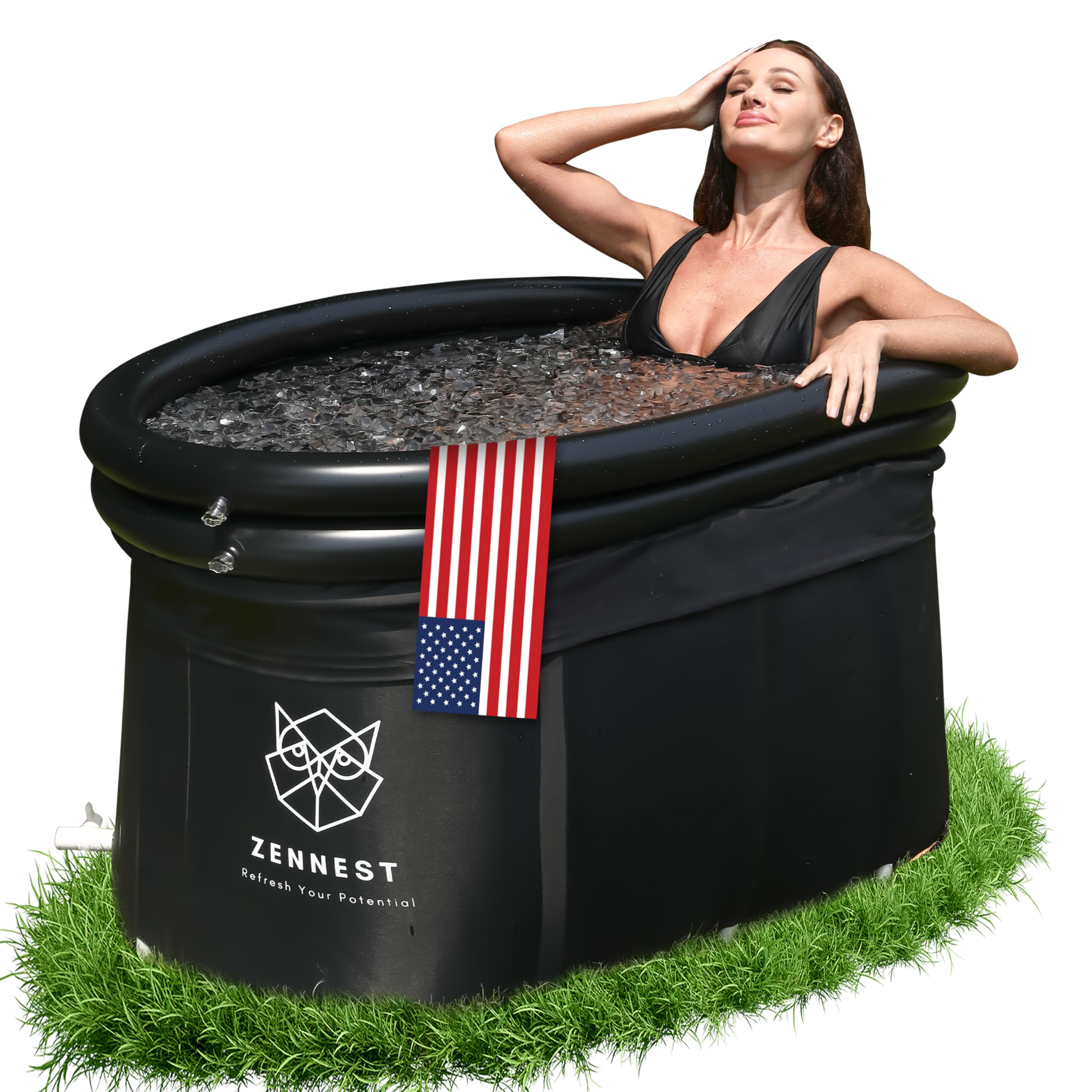
An ice bath tub is a container designed for full-body immersion in cold water, often with added ice. Unlike regular bathtubs, these are built with colder temperatures, insulation, and sometimes temperature controls. People use them for muscle recovery, inflammation reduction, boosting circulation, and sometimes even for mental resilience training.

36% off Today’s Exclusive Deals
Limited-time Exclusive Deals. Check current discount on Amazon.
Check Price on Amazon As an Amazon Associate I earn from qualifying purchases.Some popular types include:
- Portable ice bath tubs – Inflatable or foldable, easy to move and store.
- Hard shell tubs – Made from plastic or metal, often with added insulation.
- High-end cold plunge tubs – Feature temperature control, filtration, and even jets for circulation.
While the main goal is cold exposure, the experience can vary widely depending on the tub’s features.
The Physical Sensation: What Does An Ice Bath Feel Like?
The first thing you’ll notice stepping into an ice bath tub is a sharp, biting cold. This is not the gentle coolness of a swimming pool. Most ice baths are kept between 10°C (50°F) and 15°C (59°F), with some hardcore users dropping temperatures below 5°C (41°F).
Initial Shock
When you first enter, your skin nerves send strong signals to your brain. You might gasp, your breathing becomes quick, and your heart rate may spike for a few moments. This is the body’s natural response to cold.
Numbness And Adaptation
After about 30 seconds to 2 minutes, the initial pain turns into numbness. Blood vessels constrict, and the cold starts to feel more manageable. Many users report that after this adaptation phase, discomfort drops, and they can focus on their breath or even relax.
Aftereffects
When you step out, your skin will feel cold, and sometimes tingly. Some people feel an energy boost or mental clarity. Others feel sore or tired. The after-feeling is often described as invigorating.
Comfort Factors: What Makes An Ice Bath Tub Comfortable Or Uncomfortable?
Comfort is not just about water temperature. Many details affect how your body and mind respond to an ice bath.
Temperature Control
A tub with adjustable temperature settings allows you to customize your experience. Beginners often start at warmer settings and reduce temperature over time.
Tub Size And Shape
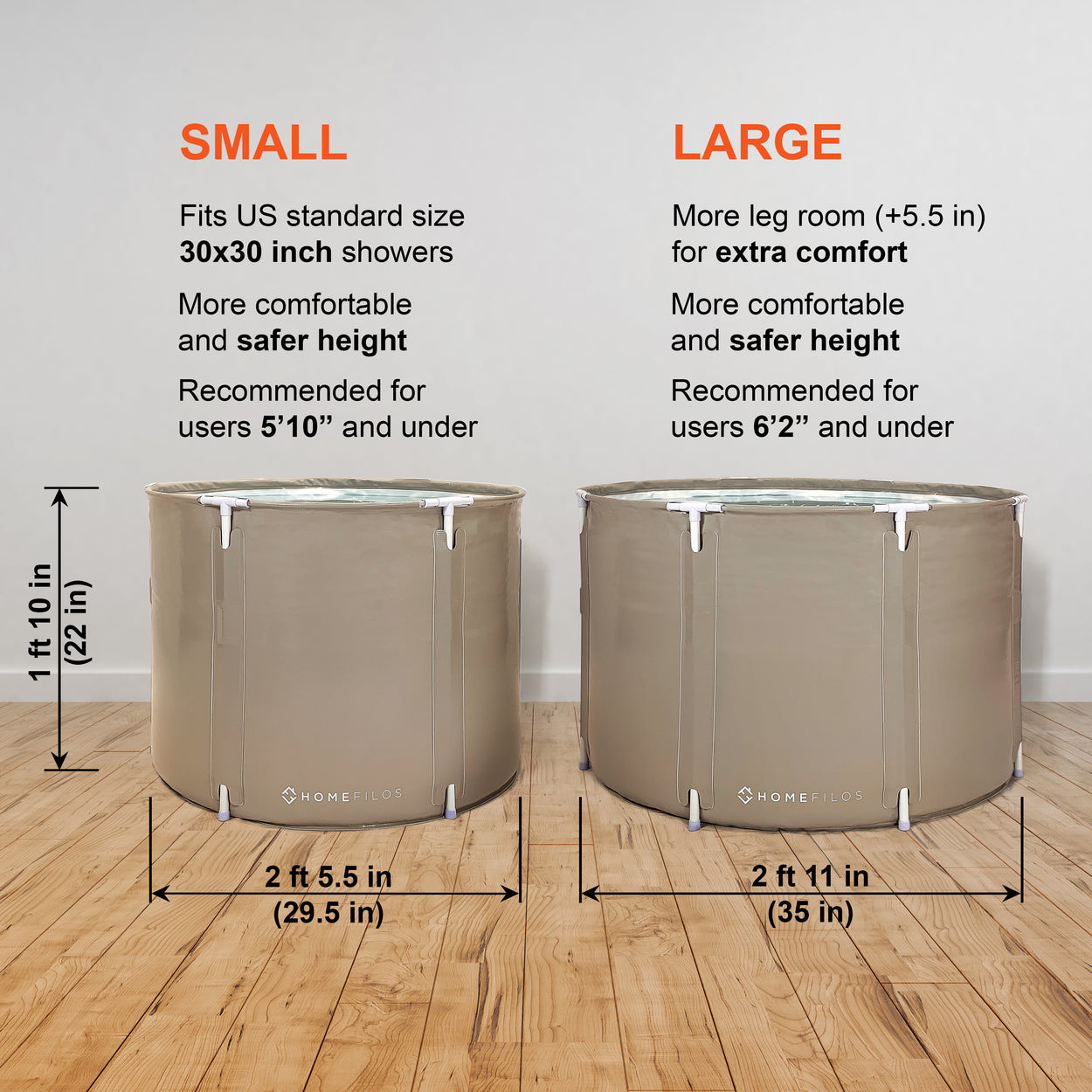
The size matters. A cramped tub can make relaxation impossible, while a tub with enough room to stretch your legs is more comfortable. Some tubs have a contoured interior for back support.
Material And Insulation
Insulated tubs keep water colder for longer but also protect your skin from hard, cold surfaces. Soft, padded walls or liners can make a big difference for sensitive users.
Entry And Exit
A tub with a low entry wall or built-in steps is easier and safer to get in and out of, especially when your body is cold and muscles are stiff.
Noise And Vibration
Some high-end ice bath tubs have jets or chillers that can be noisy. For some, white noise adds to relaxation. For others, it’s distracting.
Water Quality
Clean water matters. Tubs with filtration systems feel more pleasant, and you’re less likely to worry about hygiene.
Environment
Ambient temperature, privacy, and even lighting influence comfort. An ice bath in a cozy bathroom feels different than one in a cold garage.
Psychological Comfort: Mind Over Matter
How much of ice bath comfort is psychological? Quite a lot.
Expectation And Mindset
If you expect pain, you’re more likely to focus on discomfort. If you see the ice bath as a challenge or meditation, your mind may shift to control breathing and relaxation.
Breathing Techniques
Many people use Wim Hof or other breathing methods to manage cold stress. Deep, controlled breathing reduces anxiety and helps you stay in the bath longer.
Distraction And Focus
Some users listen to music, watch videos, or meditate. Finding a focus point beyond the cold makes the experience less intense.

Comparing Ice Bath Tubs: Comfort Features Side-by-side
Here’s a look at three common types of ice bath tubs and how their features impact comfort.
| Feature | Portable Tub | Hard Shell Tub | High-End Cold Plunge |
|---|---|---|---|
| Temperature Control | No | No | Yes |
| Insulation | Basic | Good | Excellent |
| Entry/Exit Ease | Moderate | Easy | Very Easy |
| Padding | Thin | None | Padded/Ergonomic |
| Water Filtration | No | No | Yes |
Who Finds Ice Bath Tubs Comfortable?
Comfort is subjective. Here’s how different groups respond to ice baths.
Athletes
Elite athletes often use ice baths after intense training or competition. For them, comfort is less important than recovery. Many report that with regular use, the cold feels less shocking and sometimes even pleasant.
Regular Fitness Enthusiasts
People who exercise for health but not competition may find ice baths less comfortable at first. They often need more time to adapt and may prefer higher temperatures.
People With Health Conditions
Those with arthritis, chronic pain, or circulation problems should consult a doctor. For some, the cold numbs pain and is comforting. For others, it can be dangerous.
Beginners
First-timers almost always find ice baths uncomfortable, but with practice, their bodies adapt. The key is gradual exposure—start with cooler water and short sessions.
Common Complaints: Why Ice Bath Tubs Feel Uncomfortable
No review of ice bath tubs is complete without addressing the most common discomforts.
- Painful Cold – The most obvious complaint. For most, the first minute is the hardest.
- Muscle Cramps – Cold can trigger cramps, especially if you tense your body.
- Numbness – While this reduces pain, some dislike the “pins and needles” feeling.
- Stiffness – Cold can make joints feel stiff, making it hard to move after getting out.
- Heart Rate Changes – Some people feel their heart racing, which can be scary.
- Difficult Entry/Exit – Slippery, cold tubs can be hard to get in and out of, especially for older adults.
Strategies To Make Ice Bath Tubs More Comfortable
If you’re nervous about ice baths, there are ways to make the experience smoother.
Gradual Adaptation
Start with water around 18°C (64°F) and drop the temperature by 1–2 degrees each session. Limit your time to 1–2 minutes at first and add time as your body adapts.
Pre-warm Up
Do light exercise before the bath to increase blood flow. This makes the cold less shocking.
Focus On Breathing
Practice slow, deep breathing before and during your bath. This helps calm the body’s stress response.
Use Accessories
Some ice bath tubs allow for cushioned seats or mats. Wearing a hat or gloves can reduce discomfort for sensitive people.
Set A Timer
Knowing how long you’ll stay in can reduce anxiety. Most benefits happen within 2–10 minutes.
Warm Environment
Use the bath in a warm room. Cold air plus cold water increases discomfort.
Have A Warm Towel Ready
A thick, warm towel for after the bath speeds up recovery and helps you feel comfortable again quickly.
The Science: Does Comfort Matter For Results?
Studies show that cold water immersion reduces muscle soreness, inflammation, and can boost recovery (see this review of cold therapy). However, comfort plays a role in how often and how long people use the tubs.
- If the experience is too unpleasant, users may avoid it, missing out on benefits.
- If the bath is comfortable enough, people are more likely to use it regularly, which improves results.
Some research suggests that adaptation reduces the perceived discomfort over time. This means the more you use an ice bath, the more comfortable it becomes.
Ice Bath Tub Design: What Features Really Matter?
When choosing an ice bath tub, certain features make a big difference in comfort.
Insulation Quality
High-quality insulation keeps water at the right temperature and prevents the outside of the tub from becoming cold to the touch.
Size And Shape
A tub that fits your body, with enough space to move, is always more comfortable.
Built-in Temperature Control
Allows you to set your preferred cold level and experiment with what feels best.
Ease Of Cleaning
Comfort isn’t just physical—it’s also mental. A tub that’s easy to clean reduces stress about hygiene.
Portable Vs. Permanent
Portable tubs are easier to move and store, but may offer less comfort than permanent, high-end options.
Here’s a quick comparison of different ice bath tub materials:
| Material | Insulation Level | Surface Comfort | Durability |
|---|---|---|---|
| Plastic | Medium | Moderate | Good |
| Stainless Steel | Low | Cold/Hard | High |
| Fiberglass | High | Smoother | Very High |
| Vinyl (Inflatable) | Low | Soft | Moderate |
Real-world User Experiences
Personal stories give insight into how comfortable ice bath tubs really are.
Endurance Athletes
Many endurance athletes, like marathoners and triathletes, swear by ice baths. While they admit the first few sessions are tough, most say they adapt quickly. After a few weeks, the ritual becomes a relaxing, even enjoyable, part of their routine.
Recovery Clinics
Professional clinics often use high-end ice bath tubs with precise temperature control and padded interiors. Most clients find these much more comfortable than DIY setups.
Home Users
People using portable or basic hard shell tubs at home have mixed reviews. Those who prepare mentally and physically usually cope better. Those who jump straight into very cold water often quit after a few tries.
Unique Insights: What Most Beginners Miss
- Water Movement Changes Perception: Still water feels colder than moving water at the same temperature. Some high-end tubs have jets to circulate water, which can actually make the cold feel sharper, not softer.
- Body Position Matters: Sitting up straight with your heart above the water reduces cold shock. Lying down or slouching can make you feel colder faster.
- Time of Day Affects Comfort: Some people find ice baths more comfortable in the afternoon or evening, when the body is naturally warmer. Mornings can feel much colder.
Safety And Comfort: Where To Draw The Line
While pushing limits can be satisfying, safety should come first.
- Never stay in longer than 10–15 minutes. Hypothermia risk rises after that.
- Don’t use ice baths if you have heart problems without talking to your doctor.
- Always have someone nearby if you’re new to ice baths.
- Listen to your body: If you feel dizzy, weak, or confused, get out right away.

