

When you first hear about inflatable ice bath tubs, you might picture a pool toy rather than serious recovery equipment. The idea of sitting in a portable bath filled with ice water can sound both modern and fragile. Many people wonder: Are inflatable ice bath tubs actually durable enough for regular use? Can they handle the stress of cold water, repeated inflation, and the weight of a human body? Or are they just a short-term trend that will leave you disappointed after a few months?
With the rise of at-home recovery and wellness routines, these tubs have become popular among athletes, fitness fans, and anyone looking to speed up muscle recovery. They’re lighter, easier to store, and much less expensive than traditional ice baths. But none of that matters if they break easily or don’t last.

36% off Today’s Exclusive Deals
Limited-time Exclusive Deals. Check current discount on Amazon.
Check Price on Amazon As an Amazon Associate I earn from qualifying purchases.Durability is the deciding factor. This article gives you a complete, honest look at how tough these tubs really are, what affects their lifespan, and how to choose a model that won’t let you down.
What Are Inflatable Ice Bath Tubs?
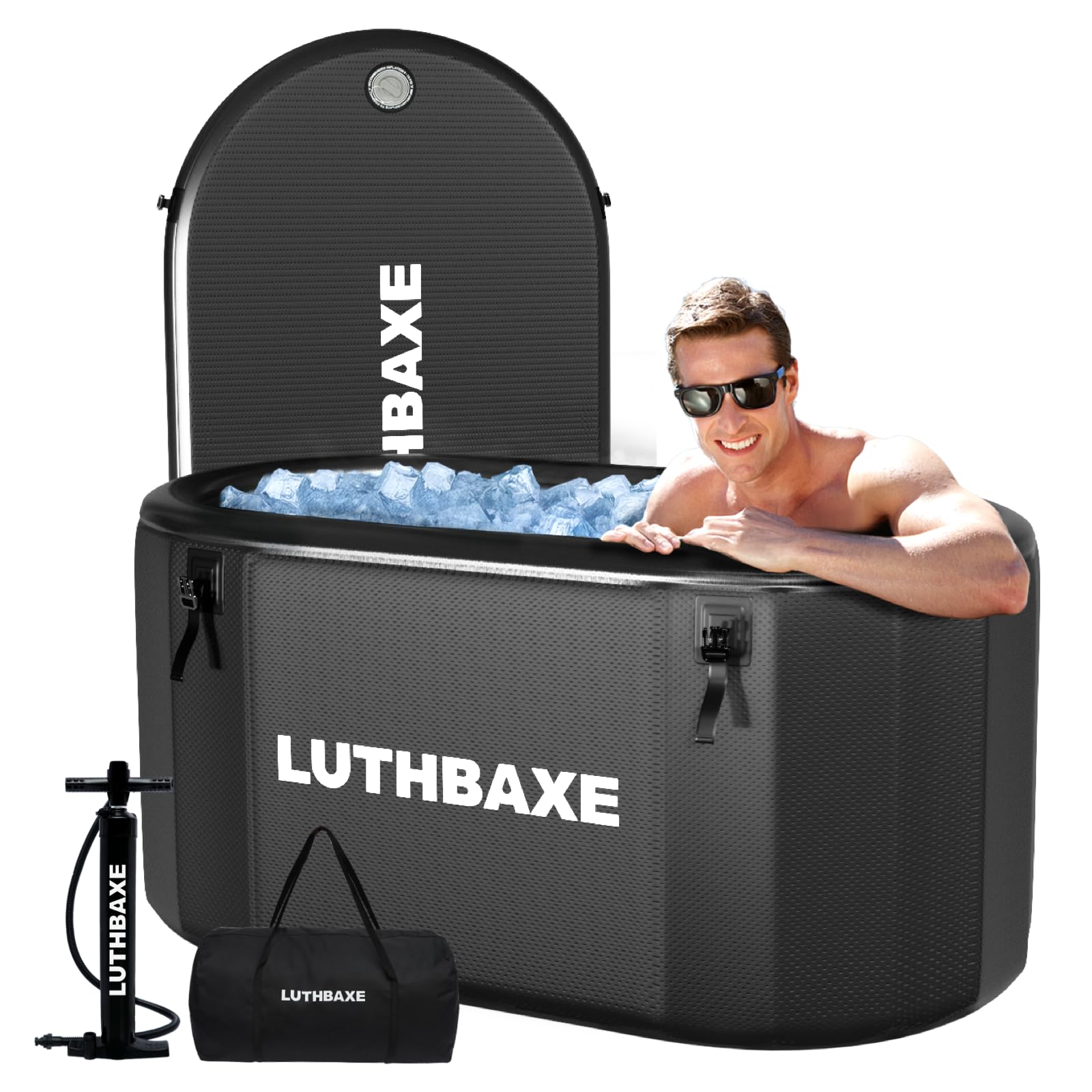
Inflatable ice bath tubs are portable, air-filled tubs designed for cold water immersion therapy. Unlike permanent ice bath setups made from metal or fiberglass, these tubs are made from flexible materials like PVC or TPU (thermoplastic polyurethane). You inflate them with a pump, fill them with water and ice, and climb in. When you’re done, you can deflate and pack them away.
Many people use them for muscle recovery, to reduce inflammation, or just to cool off after a hard workout. Their main appeal is how easy they are to set up and store, especially in small spaces. Most models are large enough for one adult, though some brands make bigger versions for two people.
But the big question remains: Will they last long enough to be worth the investment?
Materials: The Foundation Of Durability
The durability of any inflatable ice bath tub starts with the material. Most tubs use one of these:
- PVC (Polyvinyl chloride): The most common choice, PVC is strong, flexible, and water-resistant. It’s used in everything from air mattresses to inflatable boats. Good-quality PVC can handle cold water and the pressure of your body, but cheap PVC can tear or puncture easily.
- TPU (Thermoplastic polyurethane): TPU is newer, lighter, and often tougher than PVC. It’s more resistant to cuts and tears, and it stays flexible even in very cold temperatures. Some high-end tubs use TPU for extra durability.
- Nylon or polyester fabric layers: Some tubs add woven fabric for extra reinforcement. This helps prevent stretching and bursting.
The thickness of these materials also matters—a lot. Most brands list thickness in millimeters (mm). Look for tubs with at least 0.3 mm thick walls for basic use, but serious athletes may want 0.5 mm or more.
Material Comparison Table
Here’s a quick comparison of the most common materials:
| Material | Durability | Flexibility | Cold Resistance | Typical Thickness |
|---|---|---|---|---|
| PVC | Good | Moderate | Moderate | 0.3-0.5 mm |
| TPU | Excellent | High | Excellent | 0.4-0.7 mm |
| PVC + Fabric | Very Good | Moderate | Good | 0.4-0.6 mm |
Non-obvious insight: Some brands use recycled or eco-friendly materials, which sound appealing but are often less durable than standard PVC or TPU.

Construction Quality: Not All Tubs Are Equal
Materials are only half the story. The way an ice bath tub is built can make or break its durability.
- Welded seams: The best inflatable tubs use high-frequency welding to fuse seams together. This process creates a strong, leak-proof bond. Heat-sealed or glued seams are weaker and more likely to fail.
- Multi-chamber design: Some tubs have separate air chambers. If one gets punctured, the others stay inflated. Single-chamber tubs are lighter but risk total deflation from one hole.
- Reinforced base: The floor of the tub takes the most weight and friction. Reinforced or double-layer bases last longer and resist punctures from rough ground.
Common beginner mistake: People often put their tub on concrete or sharp surfaces without using a ground mat, which leads to quick wear and tear.
How Long Do Inflatable Ice Bath Tubs Last?
The lifespan of an inflatable ice bath tub depends on how often you use it, the quality, and how well you care for it.
- Entry-level tubs (thin PVC, glued seams): About 6 months to 1 year with weekly use. If you’re gentle and use a ground mat, you might get 18 months.
- Mid-range tubs (thicker PVC, welded seams): 1–2 years with regular use. Some users report 3 years with careful maintenance.
- High-end tubs (TPU, fabric reinforcement, multi-chamber): 2–4 years. These can handle frequent use and are less likely to fail suddenly.
A few brands claim their tubs last “up to 5 years,” but that’s rare and usually requires perfect conditions.
Non-obvious insight: Cold water actually helps the material last longer because it keeps the plastic or rubber from drying out or becoming brittle.
Real-world Durability: What Users Report
It’s one thing to see numbers on a website, but what do real users say about durability? Reviews and forums offer valuable clues.
- Most users are happy with their tub for the first year. Problems usually show up after 12–18 months, especially with cheaper models.
- Seam leaks are the most common issue. Small leaks can be patched, but large seam failures usually mean the tub is done.
- Punctures from pets, jewelry, or rough ground are the next most common problem. Most tubs come with repair kits, but patches don’t always hold up.
- Mold or mildew can form inside if the tub isn’t dried out properly after use. This doesn’t destroy the tub but can create odors and stains.
- Air loss overnight is a sign of slow leaks, sometimes from the valve.
Some users report using the same tub for up to 3 years with no issues, but these are usually the ones who follow all maintenance steps carefully.
What Affects Durability In Daily Use?
Several factors can make your inflatable ice bath tub last longer or fail faster:
1. Frequency Of Use
The more often you inflate, deflate, and fill the tub, the more stress you put on seams and valves. Daily use will wear out a tub much faster than weekly use.
2. Water Temperature
Ice-cold water is fine, but don’t use boiling or hot water in a tub not designed for heat. High temps can warp or melt the material.
3. Surface Placement
Setting your tub on grass or a soft mat is best. Hard or rough surfaces like concrete can puncture the bottom. Always clear the area of sharp objects before setup.
4. Inflation Pressure
Over-inflating can stretch and weaken the seams. Follow the manufacturer’s instructions for air pressure. If the tub feels rock-hard, let some air out.
5. Storage Conditions
Sunlight, heat, and moisture can all damage inflatable tubs. Store your tub dry, in a cool, dark place. Leaving it wet or in the sun will make it brittle and faded.
Inflatable Vs. Hard-shell Ice Baths: Durability Showdown
You might wonder if a traditional, hard-shell ice bath is simply better. Here’s how they compare on durability:
| Feature | Inflatable Tub | Hard-Shell Tub |
|---|---|---|
| Expected lifespan | 1-3 years | 10+ years |
| Risk of punctures | High | Low |
| Portability | Excellent | Poor |
| Cost | $70-$300 | $900-$5,000 |
| Setup time | 5-10 minutes | Permanent/long setup |
Inflatable tubs win for convenience and price. But hard-shell tubs clearly win for long-term durability. If you want a tub for occasional use or travel, inflatable makes sense. For daily, long-term use, a hard-shell may be worth the investment.
How To Make Your Inflatable Ice Bath Tub Last Longer
Most durability problems come from avoidable mistakes. With the right habits, you can easily double your tub’s lifespan.
1. Always Use A Protective Ground Mat
A thick mat or tarp under your tub protects the bottom from sharp objects and rough surfaces. Some brands include a mat—use it every time.
2. Don’t Over-inflate
Too much air stresses the seams. Inflate until the tub is firm but still gives a little when you press down.
3. Dry Completely Before Storage
After each use, drain the tub fully and wipe it dry. Leave it open for a few hours to air out. This prevents mold and keeps the material flexible.
4. Store Out Of Sunlight
UV rays break down plastics and rubber. Always store your tub in a shaded, cool place.
5. Patch Small Leaks Quickly
If you notice a slow air leak, use the included repair kit right away. Small holes are easier to fix than large tears.
6. Avoid Sharp Objects (and Pets!)
Remove jewelry and watches before entering the tub. Keep pets away—they can puncture the material with claws.
7. Check Valves Regularly
Loose or damaged air valves are a common cause of leaks. Make sure they’re tightly closed and not cracked.
8. Don’t Sit On The Sides
The sides of the tub are not designed to support body weight. Sitting or leaning hard on them can cause seam splits.
Extra tip: If you use your tub outside, check for insects or debris before storing it. Tiny rocks or sand can scratch or pierce the material over time.
Signs Your Ice Bath Tub Is Wearing Out
No matter how careful you are, every inflatable will wear out eventually. Here’s what to watch for:
- Frequent air loss: If you need to add air every time, there’s likely a seam leak.
- Bulging seams: Seams that look stretched or swollen are close to bursting.
- Soft spots: Areas that feel thinner or wrinkled may soon tear.
- Sticky or brittle texture: Sun or age can make the material sticky or hard. This is a sign the plastic is breaking down.
If you notice these signs, it’s time to plan for a replacement.
Are Inflatable Ice Bath Tubs Safe When They Age?
Many users worry that as the tub gets older, it might suddenly burst or leak water everywhere. In reality, most tubs fail slowly. Small leaks appear before big failures. However, never use an inflatable ice bath near electronics or in a place where leaks could cause damage.
Always check for weak spots before each use.
How To Choose A Durable Inflatable Ice Bath Tub
The market is full of options. To choose a tub that lasts, focus on these factors:
- Material quality: Look for thick PVC or TPU (at least 0.4 mm).
- Welded seams: These are much stronger than glued seams.
- Reinforced base: A double-layer or padded bottom resists punctures.
- Multi-chamber design: Extra chambers mean a puncture won’t deflate the whole tub.
- Good reviews: Look for real-world reports of tubs lasting over a year.
- Warranty: Some brands offer 1-year or even 2-year warranties.
- Included repair kit: Always handy for quick fixes.
Warning: Avoid ultra-cheap tubs from unknown brands. These often use thin, weak materials and have poor seams.
Top Brands And Models Known For Durability
Certain brands have earned a reputation for making tough inflatable ice bath tubs. Examples include:
- Cold Plunge Portable (uses 0.5 mm TPU, reinforced seams, and a padded bottom)
- Ice Barrel Inflatable (multi-layer construction, 1-year warranty)
- Morozko Forge Go (premium TPU, extra-large size, very strong seams)
Always check the latest reviews and warranty terms before buying. Prices can range from $100 to $400 for the best models.
When To Replace Your Inflatable Ice Bath Tub
If you see large, unpatchable leaks, stretched seams, or the material feels thin and weak, it’s time to replace your tub. Using a worn-out tub can lead to sudden failure during use, which is more annoying than dangerous but still inconvenient.
For heavy users (3+ times a week), expect to replace the tub every 1–2 years. For lighter users, a high-quality model can last 2–3 years with good care.
Environmental Impact: What Happens After It Wears Out?
Most inflatable ice bath tubs are not easily recyclable. When they wear out, they usually end up in the trash. Some brands now offer recycling programs or use recycled materials, but these are still rare.
If you want a more eco-friendly option, look for tubs made with phthalate-free PVC or TPU, and always follow local rules for disposal.
For more on material recycling, see this Wikipedia article about PVC.
Are Inflatable Ice Bath Tubs Worth It?
Durability isn’t the only factor. Consider your needs:
- If you want a portable, easy-to-store tub for occasional use, an inflatable model is a good deal.
- If you plan to use it daily for years, a hard-shell tub or a very high-end inflatable is a better investment.
Inflatable ice bath tubs can be durable if you choose wisely and care for them properly. They are not as tough as permanent tubs, but they can last for years with the right habits.
Frequently Asked Questions
How Do I Fix A Leak In My Inflatable Ice Bath Tub?
Most tubs come with a repair kit. Find the leak by inflating the tub and listening for hissing or feeling for air. Dry the area, apply the patch, and press firmly. Wait a few hours before using the tub again. For large seam leaks, contact the manufacturer—sometimes they offer replacement parts.
Can Inflatable Ice Bath Tubs Handle Salt Or Epsom Salt?
Most can, but always check your tub’s manual. Salt can sometimes wear down the material faster, especially on cheaper models. Rinse the tub with clean water after every use with salt to prevent buildup and damage.
How Much Weight Can An Inflatable Ice Bath Tub Hold?
Most tubs are designed for one adult (up to 120–150 kg or 265–330 lbs). Check your model’s specifications. Overloading can cause seams to split or the bottom to stretch.
Is It Safe To Use An Inflatable Ice Bath Tub Indoors?
Yes, but be careful. Place a waterproof mat under the tub to catch leaks or spills. Never use the tub near outlets or electrical devices, just in case of leaks.
How Do I Prevent Mold In My Ice Bath Tub?
Always dry the tub completely after use. Wipe down the inside, leave the tub open to air out, and store it in a dry place. If you spot mold, clean it with a mild soap and water before it spreads.
—
Inflatable ice bath tubs offer a practical, affordable way to enjoy cold water therapy at home. They’re not indestructible, but with smart choices and good care, they can serve you well for years. If durability is your top concern, invest in a quality model and follow best practices for use and storage.
That way, your tub will be ready whenever you need a refreshing, restorative soak.


