

Stepping into an ice bath tub can feel like a shock to the system, but it’s a practice that’s become popular among athletes, fitness enthusiasts, and even people looking to boost general well-being. But how often should you actually use an ice bath tub? The answer isn’t simple—different goals, body types, and routines all play a part. In this guide, you’ll discover the full picture: the science, practical advice, and real-life factors that determine the ideal frequency for ice bathing. By the end, you’ll know exactly how to create a safe, effective routine for yourself.
What Is An Ice Bath Tub And Why Do People Use It?
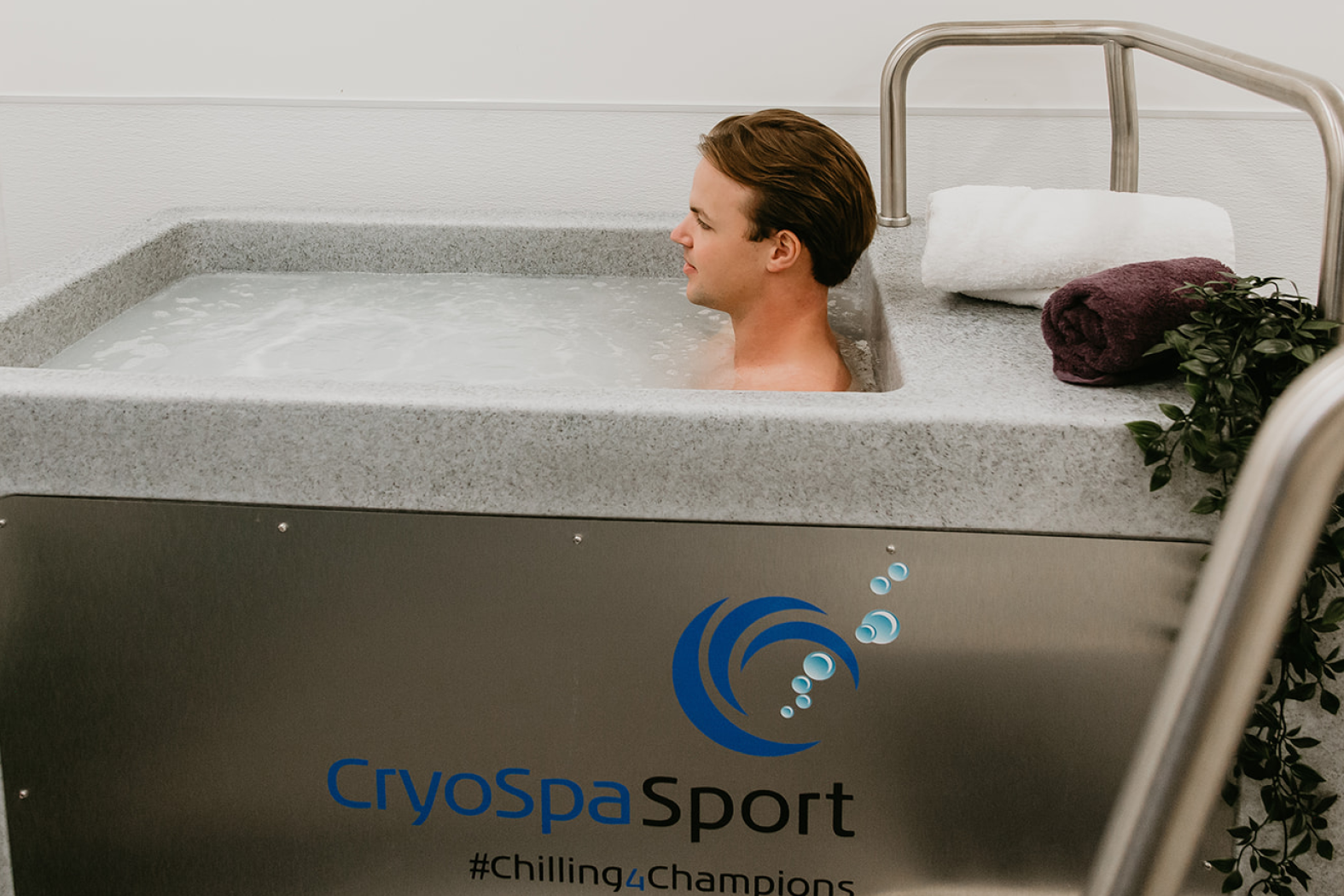
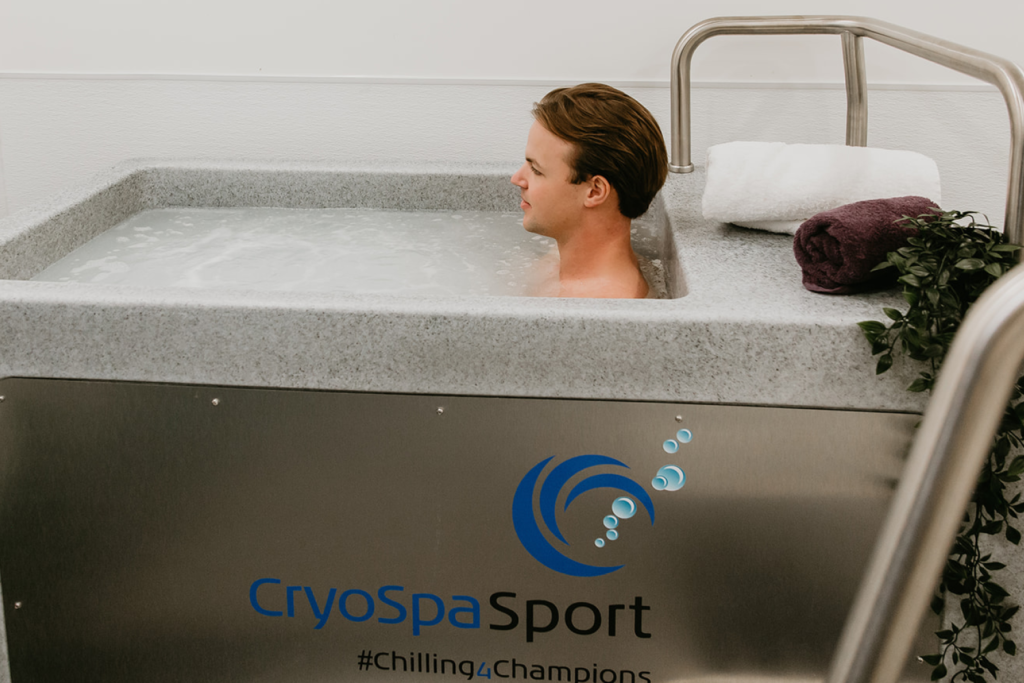
An ice bath tub is a container—often a specialized bathtub, barrel, or even a regular bath—filled with cold water and ice. The temperature usually sits between 10°C to 15°C (50°F to 59°F). People typically soak for 5 to 15 minutes. While it sounds extreme, the practice is rooted in the idea that cold exposure can help the body recover, reduce soreness, and even boost mental health.

36% off Today’s Exclusive Deals
Limited-time Exclusive Deals. Check current discount on Amazon.
Check Price on Amazon As an Amazon Associate I earn from qualifying purchases.Athletes first embraced ice baths to bounce back from intense training. Now, many non-athletes use them for benefits like:
- Reducing muscle soreness
- Speeding up recovery
- Lowering inflammation
- Boosting mood and alertness
But, as with any wellness trend, more isn’t always better. Using an ice bath too often—or not often enough—can affect your results.
How Ice Baths Affect The Body
When you sit in cold water, your blood vessels constrict. This helps reduce swelling and flush out metabolic waste. After you step out, your body warms up and blood flow returns, bringing fresh oxygen to your muscles. This process is called vasoconstriction and vasodilation.
But ice baths do more than just help sore muscles. Research shows cold water can:
- Lower core body temperature after exercise
- Reduce the risk of delayed onset muscle soreness (DOMS)
- Increase levels of norepinephrine, a hormone linked to alertness and mood
However, ice baths are not a cure-all. For some people, especially those with certain medical conditions, they can pose risks. Always start with short sessions and consult a healthcare professional if you’re unsure.
Factors That Influence How Often You Should Use An Ice Bath Tub
There’s no “one-size-fits-all” answer to how often you should use an ice bath tub. Here are the main factors you must consider:
1. Your Activity Level
- Professional athletes may use ice baths 3–5 times per week, especially during heavy training or competitions.
- Regular exercisers (e.g., people who work out 3–4 times a week) often benefit from 1–2 sessions per week.
- Beginners or people with light activity may only need an ice bath after particularly intense or new workouts.
2. Training Goals
Your purpose changes the frequency:
- Muscle recovery: Use after tough workouts, not daily.
- Inflammation control: 1–3 times per week can help.
- Mental resilience: Short, regular sessions (e.g., 2–4 times per week) are common.
3. Personal Tolerance
People respond differently to cold. If you’re new, your body needs time to adapt. Overusing ice baths can lead to numbness, chills, or even hypothermia. Always listen to your body.
4. Health Conditions
Medical issues like heart disease, Raynaud’s syndrome, or circulatory problems can make ice baths risky. If you have any health concerns, talk to a doctor first.
5. Temperature And Duration
Colder water or longer soaks mean you should space out sessions more. For example, a 5-minute bath at 15°C is less stressful than 15 minutes at 10°C.
Non-obvious insight: Many beginners think they need to use ice baths daily for results. In reality, more frequent use can slow muscle adaptation and even increase injury risk.
Recommended Frequency For Different Types Of Users
Let’s break down how often you should use an ice bath tub, based on different lifestyles.
For Elite Athletes
- Frequency: 3–5 times per week during high-intensity training blocks or competitions.
- Why: Fast recovery is critical. However, even pros avoid daily use to let muscles adapt and grow.
For Recreational Athletes
- Frequency: 1–2 times per week, typically after the hardest workouts.
- Why: This helps reduce soreness and keeps you training regularly, without harming muscle adaptation.
For People New To Exercise
- Frequency: Only after very intense or new workouts, often once every 1–2 weeks.
- Why: The body needs time to adapt to both exercise and cold exposure.
For General Wellness Or Mental Health
- Frequency: 2–4 times per week, with shorter durations (e.g., 2–5 minutes).
- Why: Regular, brief cold exposure can boost mood, alertness, and stress resilience.
For Injury Recovery
- Frequency: As recommended by a physical therapist or doctor.
- Why: Medical guidance is essential, as too much cold can slow healing.
How To Build An Effective Ice Bath Routine
Creating a routine is not just about picking a number of days. Think about your goals, your body’s response, and your other recovery methods.
Step 1: Define Your Goal
Are you looking to recover faster, reduce soreness, or boost mental health? Your aim determines your frequency.
Step 2: Start Slow
If you’re new, begin with one session per week. Use water around 15°C (59°F) for 3–5 minutes.
Step 3: Watch Your Body’s Response
After each session, notice:
- Do you feel refreshed or very tired?
- Are you getting sick more often?
- Is your sleep improving or getting worse?
If you feel rundown, cut back on frequency or duration.
Step 4: Adjust Over Time
As you get used to cold, you can increase frequency or session length. But never jump from once a week to daily use overnight.
Step 5: Combine With Other Recovery Methods
Ice baths work well with:
- Gentle stretching
- Massage
- Adequate sleep
- Good nutrition
Don’t rely on ice baths alone.
Non-obvious insight: Many people skip tracking how their body feels after ice baths. Keeping a simple log (energy, soreness, mood) helps you fine-tune your routine and avoid overuse.
The Role Of Timing: When To Take An Ice Bath
How often you use an ice bath tub is important, but so is timing. The best time depends on your activities and goals.
After Intense Exercise
The most common time is right after a hard workout or competition. This is when your muscles are inflamed and blood flow is high.
- Example: After a marathon, football match, or heavy gym session.
On Rest Days
Some people use ice baths on non-training days to boost recovery or mood.
- Example: A 5-minute soak on a Sunday to prepare for the week ahead.
Before Bed
Some research shows ice baths can lower core body temperature and help with sleep, but others find it too stimulating. Try both and see what works for you.
Note: Avoid ice baths right before strength training. Cold can blunt muscle growth if used immediately before or after resistance workouts.
How Long Should Each Ice Bath Session Last?
Duration is as important as frequency. Most experts recommend:
- 5 to 15 minutes per session
- Water temperature: 10°C to 15°C (50°F to 59°F)
Shorter, more frequent sessions are safer for beginners. Longer sessions at lower temperatures require more time between baths.
Session Length Comparison
| Duration | Recommended For | How Often |
|---|---|---|
| 2–5 min | Beginners, mental health | 2–4 times/week |
| 5–10 min | Recreational athletes | 1–2 times/week |
| 10–15 min | Elite athletes | 3–5 times/week |
Common Mistakes And How To Avoid Them
Many people make errors when starting with ice baths. Here’s how to avoid the most common pitfalls:
1. Overusing Ice Baths
Too many sessions can lead to increased risk of cold injuries, slow muscle adaptation, and even suppressed immune function.
2. Ignoring Your Body’s Warning Signs
If you feel dizzy, numb, or extremely cold, get out immediately. Never push through severe discomfort.
3. Using Water That’s Too Cold
Water colder than 10°C (50°F) increases risk without extra benefit. Use a thermometer to check.
4. Staying In Too Long
Beginners should never stay longer than 5 minutes. Hypothermia can set in quickly, especially if you’re tired.
5. Not Warming Up Properly After
Always dry off and warm up after an ice bath. Gentle movement, warm clothes, and a hot drink help restore normal temperature.
Comparing Ice Baths To Other Recovery Methods
Ice baths aren’t the only recovery tool. Here’s how they compare to other popular methods:
| Method | Best For | How Often | Downsides |
|---|---|---|---|
| Ice Bath | Muscle soreness, inflammation | 1–5 times/week | Cold shock, hypothermia risk |
| Foam Rolling | Muscle tension | Daily | Can be painful |
| Massage | Relaxation, circulation | Weekly or as needed | Cost, time |
| Contrast Showers | Circulation, mild soreness | 2–5 times/week | Less effective for serious soreness |
Non-obvious insight: Many people combine methods. For example, an athlete may do a foam roll before an ice bath or schedule a massage on non-bath days.
Risks And Precautions
Ice baths are generally safe for healthy adults, but there are risks you should understand:
- Hypothermia: Even a few extra minutes in cold water can drop your core temperature dangerously.
- Heart stress: Cold can trigger irregular heartbeat, especially in people with cardiac issues.
- Nerve and skin injuries: Staying too long can cause numbness or frostbite.
- Suppressed muscle growth: Too frequent cold exposure can reduce gains from strength training.
Precautions:
- Never bathe alone; have someone nearby, especially when starting.
- Keep sessions short (start with 3–5 minutes).
- Warm up slowly after your bath.
- Avoid if you have open wounds, infections, or certain medical conditions.
If you notice shivering, blue lips, or confusion, get out and warm up immediately.

Real-life Examples And Schedules
Let’s look at example routines for different types of users. These are not strict rules, but they help you plan.
Example 1: Recreational Runner
- Monday: 10km run (no ice bath)
- Wednesday: Interval training (ice bath, 7 minutes, 13°C)
- Friday: Easy jog (no ice bath)
- Sunday: Long run (ice bath, 8 minutes, 12°C)
Example 2: Gym-goer Focused On Muscle Growth
- Tuesday: Heavy legs day (no ice bath, to maximize muscle growth)
- Thursday: HIIT (ice bath, 5 minutes, 15°C)
- Saturday: Restorative yoga (optional short ice bath for mood)
Example 3: Person Using Ice Baths For Stress Relief
- Monday, Wednesday, Friday: 3-minute ice baths at 15°C in the morning
- Other days: No ice bath
Example 4: Elite Athlete During Competition
- Daily after event: 10-minute ice bath at 11°C, up to 5 times per week, monitored by medical staff
What Science Says About Ice Bath Frequency
Research on ice bath frequency is still evolving. However, most studies support occasional use rather than daily sessions for most people.
- A 2021 review found that 2–3 ice baths per week can reduce muscle soreness and speed recovery for athletes.
- Daily ice baths may reduce muscle growth if used right after strength training.
- Regular, short cold exposure can increase norepinephrine (helps alertness and mood) but may blunt some fitness gains if overused.
For more on the research, see this Wikipedia page on cryotherapy.
How To Tell If You’re Using Ice Baths Too Often
Watch for these signs of overuse:
- Chronic fatigue
- Trouble warming up after baths
- Increased frequency of colds or infections
- Muscle weakness or loss of strength
- Sleep problems
If you notice these, reduce your sessions or take a break for a week.
Optimizing Your Ice Bath Experience
To get the most from your ice bath tub:
- Use a thermometer to check water temperature.
- Have a timer nearby; don’t guess session length.
- Wear swimwear and consider socks or gloves for comfort.
- Warm up gently after: A hot drink, light exercise, or a warm shower.
- Log your sessions and how you feel.
Non-obvious insight: Even a small change in water temperature (2–3°C) can make a big difference in how your body reacts. Adjust slowly.
Who Should Avoid Ice Baths?
Not everyone is a good candidate for ice baths. Avoid or get medical advice if you have:
- Heart disease or irregular heartbeat
- Blood pressure problems
- Diabetes with nerve damage
- Raynaud’s syndrome
- Open wounds or skin infections
- Severe cold sensitivity
Children and pregnant women should also avoid regular ice baths unless cleared by a doctor.
How To Fit Ice Baths Into Your Lifestyle
Ice baths don’t have to dominate your schedule. Here’s how to make them work:
- Set aside 10–20 minutes (prep, bath, warm-up).
- Use after your toughest workouts, not every session.
- Make it a ritual: Some people add music, breathing exercises, or mindfulness.
- If you don’t have a special tub, a regular bathtub with ice will do.
Ice Bath Vs. Cryotherapy Chamber
Some people wonder if a fancy cryotherapy chamber is better. Here’s a quick comparison:
| Feature | Ice Bath Tub | Cryotherapy Chamber |
|---|---|---|
| Cost | Low to moderate | High |
| Setup | Home-friendly | Requires facility |
| Session Length | 5–15 min | 2–3 min |
| Whole Body Cooling | Yes | Yes |
| Scientific Support | Strong for muscle recovery | Mixed |
Both methods offer cold exposure, but ice baths are more accessible and better studied for muscle recovery.
Frequently Asked Questions
How Cold Should An Ice Bath Tub Be?
The ideal temperature is 10°C to 15°C (50°F to 59°F). Colder water increases risk without more benefit. Always check with a thermometer.
Can You Use An Ice Bath Tub Every Day?
Most people should avoid daily ice baths. Too frequent use can slow muscle growth and increase risk of cold-related issues. For athletes, 3–5 times a week is usually the maximum.
How Do You Know If An Ice Bath Is Working?
Signs include reduced muscle soreness, improved recovery, and feeling refreshed. Keep a simple log of your energy, soreness, and mood to track progress.
Is It Better To Use An Ice Bath Before Or After Exercise?
After exercise is best for most people, especially after intense workouts. Avoid ice baths before strength training, as cold can reduce muscle gains.
Are Ice Bath Tubs Safe For Everyone?
Ice baths are not safe for everyone. People with heart problems, circulation issues, or cold intolerance should avoid them. Always check with a doctor if you have medical concerns.
Finding your ideal ice bath routine takes time and self-awareness. Start slow, listen to your body, and remember: the best results come from smart, not extreme, use. With the right approach, an ice bath tub can become a valuable tool for recovery, performance, and well-being.

