

Can Ice Baths Improve Circulation?
For years, athletes, fitness lovers, and even curious beginners have been drawn to the icy world of cold-water immersion. You may have seen videos of people bravely stepping into tubs filled with ice, sometimes shivering but often smiling afterward. This simple practice—known as an ice bath—has become a trend for recovery and wellness. But as the popularity grows, so do questions about its true benefits. One of the most common questions is: Can ice baths improve circulation?
This topic is more than just a health fad. Good circulation is vital for overall health—your blood carries oxygen, nutrients, and hormones to every cell in your body. Poor circulation can lead to fatigue, muscle cramps, numbness, and even serious health problems.

36% off Today’s Exclusive Deals
Limited-time Exclusive Deals. Check current discount on Amazon.
Check Price on Amazon As an Amazon Associate I earn from qualifying purchases.Improving blood flow is key for athletes, older adults, people with certain health conditions, and anyone wanting to feel their best.
In this article, you’ll get a complete, clear look at the science, experiences, and practical tips behind ice baths and circulation. Whether you’re thinking about trying an ice bath for the first time, or you’re curious about what really happens in your body, you’ll find answers here—without hype or confusing jargon.
What Is Circulation And Why Does It Matter?
Circulation refers to the movement of blood throughout your body. Your heart acts as a pump, pushing blood through a network of blood vessels—arteries, veins, and capillaries. This system works 24/7, delivering oxygen and nutrients to cells, and carrying away waste products like carbon dioxide.
Good circulation is essential for:
- Muscle performance (delivering fuel and removing waste)
- Brain function (clear thinking and focus)
- Skin health (glowing, nourished skin)
- Wound healing (fast recovery from injuries)
- Temperature control (keeping you warm or cool)
- Heart health (lowering risk of disease)
When circulation is poor, you might notice:
- Cold hands and feet
- Tingling or numbness
- Swelling
- Fatigue or sluggishness
- Slow healing of cuts and bruises
Some people have chronic circulation problems due to medical conditions like diabetes or heart disease. For others, issues are temporary—caused by sitting too long, dehydration, or muscle fatigue. Improving circulation is not just for athletes; it benefits almost everyone.
The Science Behind Ice Baths
Before looking at how ice baths might help circulation, it’s important to understand what actually happens when you step into cold water.
What Is An Ice Bath?
An ice bath is simply a bath filled with cold water (usually between 10°C and 15°C, or 50°F to 59°F), often with ice added to lower the temperature further. People typically stay in an ice bath for 5 to 15 minutes. Some advanced practitioners use even colder temperatures for short periods.
Ice baths are used for:
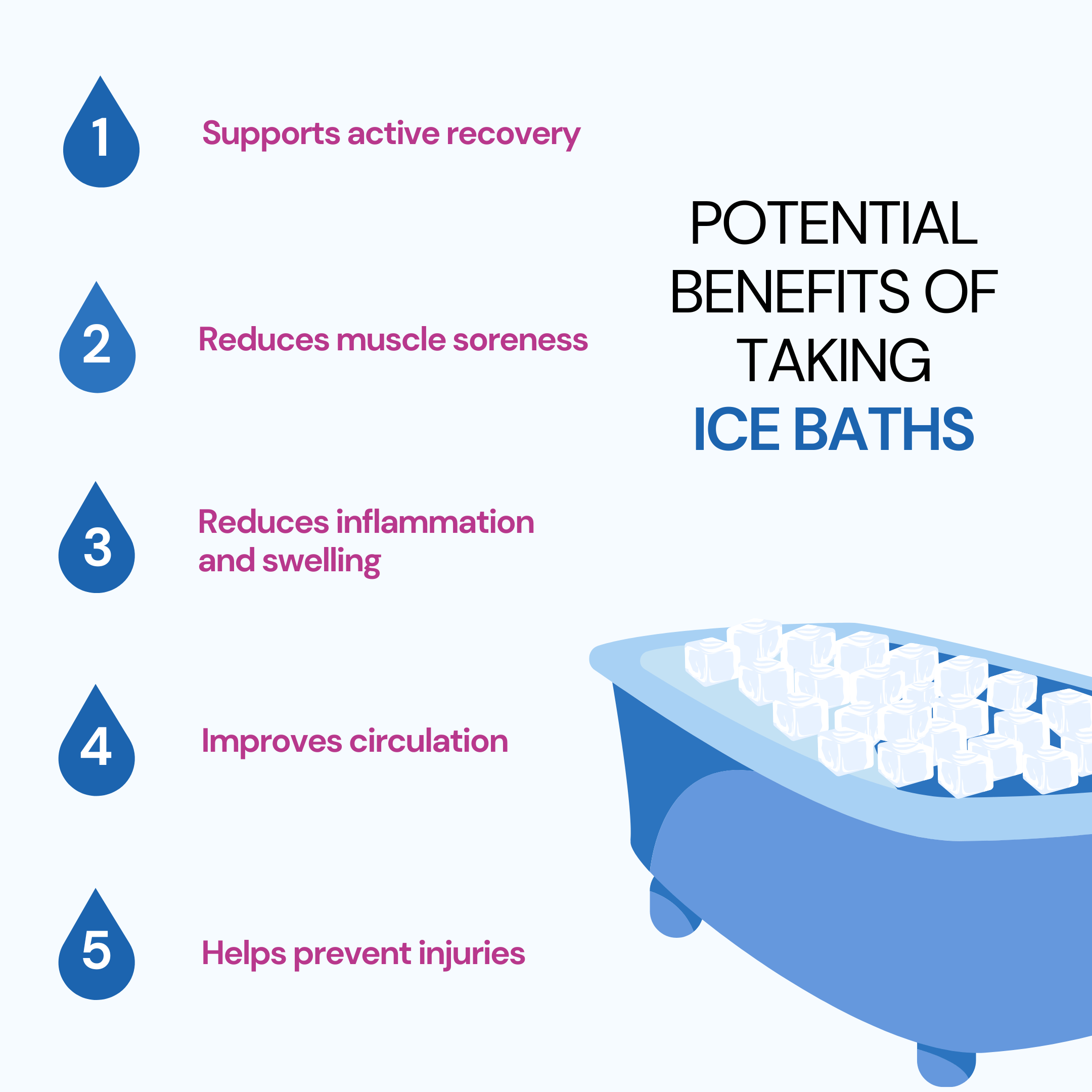
- Muscle recovery after exercise
- Reducing inflammation
- Boosting alertness or energy
- Building mental toughness
The practice is common in professional sports, but is now popular with recreational athletes and wellness communities.
How Does Cold Affect The Body?
When you enter cold water, your body reacts immediately:
- Vasoconstriction: Blood vessels near the skin and in muscles narrow (constrict) to conserve heat and protect your core temperature.
- Heart rate increases: Your heart works harder to keep warm blood flowing to vital organs.
- Adrenaline release: The shock of cold can trigger a surge of adrenaline, making you feel alert or even euphoric.
- Nerve response: Cold can numb pain and reduce the feeling of soreness.
But these changes are not permanent. When you leave the ice bath and warm up, blood vessels open up again—a process called vasodilation. This “flushing” effect is thought to help remove waste products from muscles and deliver fresh oxygen.
How Ice Baths Affect Circulation
Now, let’s focus on the main question: Can ice baths really improve circulation? The answer is more complex than a simple yes or no. Here’s what happens in detail.
Immediate Effects: Cold Shock And Vasoconstriction
The moment you step into an ice bath, your body’s priority is survival. Blood is shunted away from your skin and limbs toward your core organs—heart, lungs, and brain. This means:
- Surface blood flow decreases (your skin looks pale or even bluish)
- Limbs get less blood (you may feel numbness or tingling)
- Heart works harder (heart rate and blood pressure may rise)
This is called cold-induced vasoconstriction. For a short time, circulation in your extremities (arms, legs, fingers, and toes) is reduced. This is not the “improvement” most people hope for, but it’s an important part of the process.
Rebound Effect: Vasodilation And Increased Blood Flow
When you leave the ice bath and start warming up, your body reverses its earlier reaction. Blood vessels dilate (open wide), allowing blood to rush back into your skin and muscles. This rebound effect can:
- Flush out waste products (like lactic acid from exercise)
- Deliver fresh oxygen and nutrients
- Speed up muscle repair
Some experts believe this cycle of constriction and dilation acts like a “pump,” improving overall circulation and clearing inflammation. Imagine squeezing a sponge under water and then releasing it—blood is forced out and then drawn back in.
Long-term Effects: Adaptation And Vascular Health
With regular ice bath practice, your body may adapt to cold exposure. Studies suggest:
- Blood vessels become more flexible (better at constricting and dilating)
- Improved heart rate variability (a marker of cardiovascular health)
- Increased tolerance to temperature changes
These adaptations might support long-term circulation health, though more research is needed—especially in non-athletes.
What The Research Says
Scientific studies on ice baths and circulation are still limited, but some findings stand out:
- A 2018 study in the Journal of Physiology found that repeated cold-water immersion improved blood vessel function and endothelial health** (the lining of blood vessels) in healthy adults.
- Research with athletes shows that ice baths reduce post-exercise inflammation and may help restore normal blood flow faster.
- A 2021 review in Frontiers in Sports and Active Living reported that cold water exposure can train blood vessels to react more quickly to temperature changes, potentially benefiting vascular health**.
However, effects can vary widely. Not everyone will experience dramatic improvements, and some health conditions could make ice baths risky.
Who Might Benefit Most From Ice Baths?
Ice baths are not just for Olympic athletes. Different groups may see unique benefits:
Athletes And Sports Enthusiasts
After intense training, muscles are filled with micro-tears and metabolic waste. The “flush” from ice baths may speed up recovery by:
- Reducing muscle soreness
- Lowering inflammation
- Promoting quicker return to full activity
Some athletes report feeling fresher and less fatigued after regular ice baths, though results are individual.
People With Poor Peripheral Circulation
If you have cold hands and feet, or mild circulation problems (not caused by serious disease), gentle cold exposure may help train your blood vessels to respond better. But caution is needed—ice baths can be dangerous for people with severe circulatory issues or heart conditions.
Older Adults
Aging can lead to stiff blood vessels and slower circulation. Some studies show that mild cold exposure may help maintain blood vessel flexibility. However, ice baths should be used carefully and only with medical advice.
Wellness Seekers
Many people use ice baths for the feeling of energy and mental clarity afterward. The rush of blood back to the body as you warm up can feel invigorating, even if it’s not a miracle cure.
Potential Risks And Who Should Avoid Ice Baths
While ice baths can help some people, they are not safe for everyone. It’s important to know the risks.
Who Should Be Careful Or Avoid Ice Baths?
- People with heart disease (cold stress can trigger dangerous heart rhythms)
- Those with high blood pressure (cold can cause spikes in blood pressure)
- People with Raynaud’s disease (fingers and toes may react badly to cold)
- Anyone with nerve or circulation disorders (risk of numbness or injury)
- Children and elderly (unless supervised by a professional)
If you have any chronic health condition, talk to your doctor before trying ice baths.
Common Mistakes And How To Avoid Them
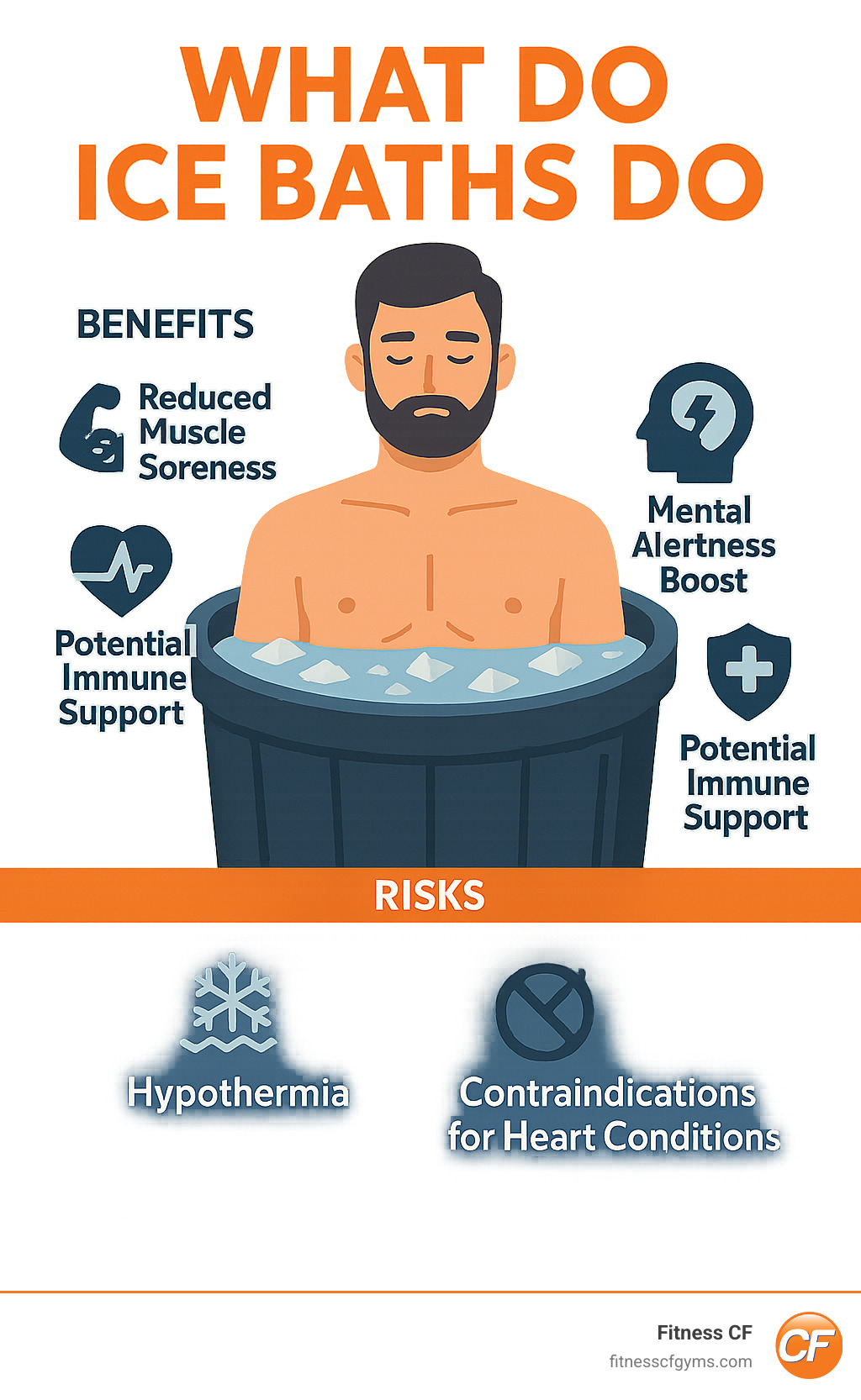
- Staying in too long: More than 15 minutes can cause hypothermia or nerve damage.
- Water too cold: Temperatures below 10°C (50°F) increase risk.
- Not warming up afterward: Always have dry clothes and a warm drink ready.
- Jumping in unprepared: Sudden cold can cause panic or breathing problems—enter gradually.
How To Take An Ice Bath Safely
If you want to try ice baths to boost circulation, follow these practical steps for safety and success.
Setting Up Your Ice Bath
- Use a thermometer: Aim for water between 10°C and 15°C (50°F to 59°F).
- Add ice as needed: Start with cold tap water and add 1–2 bags of ice.
- Limit time: Begin with 2–5 minutes for your first bath, then slowly increase to 10–15 minutes as you get used to it.
- Have a buddy: If possible, have someone nearby, especially your first time.
During The Bath
- Breathe deeply: Slow breathing helps control the shock response.
- Move gently: Wiggle your fingers and toes to encourage circulation.
- Watch for warning signs: Get out if you feel dizzy, numb, or confused.
After The Bath
- Warm up: Dry off and put on warm clothes.
- Sip a hot drink: This helps restore core temperature and comfort.
- Walk around: Gentle movement gets your blood flowing again.
How Often Should You Use Ice Baths?
Most experts recommend 2–3 times per week for general recovery. Daily ice baths are usually only for advanced practitioners or specific medical reasons.
Comparing Ice Baths To Other Circulation-boosting Methods
Ice baths are one tool for improving circulation, but how do they compare to other methods?
| Method | How It Works | Best For | Risks |
|---|---|---|---|
| Ice Baths | Cold shock followed by vasodilation “flushes” blood | Athletes, short-term muscle recovery | Heart problems, nerve issues |
| Massage | Manual pressure moves blood through muscles | Relaxation, soreness relief | Rare bruising or irritation |
| Sauna/Heat Therapy | Heat opens vessels, increases blood flow | Detox, relaxation, circulation boost | Dehydration risk, not for heart disease |
| Exercise | Muscle contractions push blood through vessels | Everyone (as tolerated) | Injury risk if overdone |
No single method is “best”—the right choice depends on your goals, health, and preferences. Many experts recommend combining different strategies for maximum benefit.
What Beginners Often Overlook
Many newcomers to ice baths focus only on the cold, but miss these key details:
- The after-warmup is crucial: The real circulation boost happens as you rewarm. Skipping this step can mean less benefit and more discomfort.
- Hydration affects results: Dehydration can reduce your body’s ability to respond to cold and may make circulation worse. Always drink water before and after your ice bath.
- Consistency matters: Occasional ice baths may feel good, but regular practice is needed for lasting effects.
- Individual response varies: Some people feel energized, others just feel cold. Track your own reactions and adjust as needed.
Real-world Experiences And Case Studies
Athlete Stories
Elite runners, footballers, and cyclists often use ice baths after tough workouts. For example, the New Zealand All Blacks rugby team has made ice baths part of their recovery routine for years. Athletes say they feel less sore, recover faster, and often sleep better after cold-water immersion.
Everyday People
Many non-athletes have tried ice baths for circulation, especially those with jobs requiring long periods of sitting. Some report warmer feet and hands, better focus, and a “reset” feeling after regular cold exposure.
Research Example
A small study published in *The Journal of Strength and Conditioning Research* found that adults who used ice baths after leg workouts had faster reduction in muscle swelling and a quicker return to normal blood flow compared to those using only rest.
How Long Until You See Results?
Results vary widely. Some people notice warmer hands and feet, or faster muscle recovery, after just a few sessions. For lasting changes in blood vessel flexibility or cardiovascular health, it may take weeks or months of regular practice.
Most experts agree: listen to your body and track your progress. Keep a journal of how you feel before and after each session.
Tips To Maximize Circulation Benefits From Ice Baths
- Start slow: Don’t rush your first experience. Begin with short sessions and slightly warmer water.
- Move during the bath: Gently flex your fingers and toes to encourage blood flow.
- Combine with stretching: After warming up, light stretching can further boost circulation.
- Use a timer: Losing track of time in the cold can be dangerous.
- Stay hydrated: Drink water before and after your ice bath.
- Monitor your skin color: If your skin turns white, blue, or blotchy, get out immediately.
- Follow with warmth: A warm shower, blanket, or hot drink enhances the rebound effect.
Comparing Different Cold Exposure Methods
Not all cold therapies are created equal. Here’s a look at some common methods:
| Method | Temperature Range | Duration | Circulation Impact |
|---|---|---|---|
| Ice Bath | 10–15°C (50–59°F) | 5–15 minutes | Strong “flush” effect, whole body |
| Cold Shower | 15–20°C (59–68°F) | 1–5 minutes | Milder, easier to tolerate |
| Cryotherapy Chamber | -100°C to -140°C (-148°F to -220°F) | 2–3 minutes | Intense, short, may boost circulation but more research needed |
| Localized Ice Packs | 0°C (32°F) | 10–20 minutes | Targets small area, not full-body |
For most people interested in circulation, ice baths or cold showers are the safest and easiest options to start.
Expert Opinions And Medical Guidance
Doctors and sports scientists often recommend caution. While ice baths can help healthy people, they are not a cure-all, and risks can outweigh benefits for some.
Dr. Rhonda Patrick, a well-known researcher on cold exposure, explains: “The repeated constriction and dilation of blood vessels from cold exposure may improve vascular function over time. But more studies are needed in people with medical conditions.”
Always check with your healthcare provider before starting any new cold exposure routine, especially if you have health concerns.
Frequently Asked Questions
What Is The Ideal Temperature And Duration For An Ice Bath?
Most experts suggest 10°C to 15°C (50°F to 59°F) for 5 to 15 minutes. Beginners should start at the warmer end and shorter times, increasing slowly as they get used to the cold.
Can Ice Baths Replace Other Treatments For Poor Circulation?
No. Ice baths can support healthy circulation but should not replace medical treatments for serious conditions like peripheral artery disease or diabetes. Always follow your doctor’s advice for circulation problems.
How Soon After Exercise Should I Take An Ice Bath?
The best window is within 30 minutes after intense exercise. This timing helps reduce muscle inflammation and may speed up circulation recovery.
Are Ice Baths Safe For Everyone?
No. People with heart disease, high blood pressure, or nerve disorders should avoid ice baths unless cleared by a doctor. Cold exposure can be risky for these groups.
Where Can I Read More About The Science Behind Ice Baths And Circulation?
A great resource is the Wikipedia page on Cold Water Immersion which summarizes research and safety guidelines.
Final Thoughts
Ice baths are not just a trend—they have real effects on circulation. By causing blood vessels to first constrict, then dilate, ice baths may “train” your vascular system, help flush waste, and speed up muscle recovery. The benefits are strongest when ice baths are part of a balanced routine, combined with exercise, hydration, and healthy habits.
But they’re not for everyone, and should always be done with care.
If you decide to try ice baths, remember to start slow, pay attention to your body, and always warm up well afterward. With consistent practice and smart precautions, you may discover not only improved circulation but also a new sense of resilience and energy.
Whether you’re an athlete, a wellness explorer, or just curious, cold water can teach you a lot about your body—and maybe even help your blood flow a little better.

