

Everywhere you look today, someone is talking about ice baths. Athletes, fitness enthusiasts, and even celebrities are plunging themselves into ice bath tubs for supposed health benefits. Videos on social media show people shivering in cold water, often claiming they feel energized or recover faster. But are ice bath tubs really safe to use? Or do the risks outweigh the rewards?
This article will give you a clear, honest look at the safety of ice bath tubs. You’ll learn what happens to your body, who should avoid them, what can go wrong, and how to use them safely if you choose to try.

36% off Today’s Exclusive Deals
Limited-time Exclusive Deals. Check current discount on Amazon.
Check Price on Amazon As an Amazon Associate I earn from qualifying purchases.By the end, you’ll have the knowledge to make an informed decision—so you can focus on your health, not hype.
How Ice Bath Tubs Work
When people talk about ice bath tubs, they mean sitting or lying in a tub filled with cold water and ice, usually between 10°C to 15°C (50°F to 59°F). Most sessions last from 5 to 15 minutes. The main idea is to cool the body quickly, which can reduce muscle soreness, inflammation, and even boost mood.
The cold water causes blood vessels to shrink (vasoconstriction), which may help flush out waste products from muscles. After leaving the tub, the vessels expand again, increasing blood flow and possibly helping muscles recover. Some people also say the shock of the cold makes them more alert.
The Science Behind Ice Baths
There’s a lot of research on cold water immersion, but results are mixed. Some studies show benefits for muscle soreness and recovery. Others say the effect is small or temporary.
- A 2017 review found that ice baths can reduce muscle soreness by about 20% compared to rest, but the difference often disappears after a few days.
- A 2022 study showed that ice baths improved feelings of well-being and alertness after hard exercise, but did not change actual muscle strength or healing.
Non-obvious insight: Many beginners think ice baths “heal” muscles faster, but most research suggests they mainly reduce the feeling of soreness, not actual muscle damage.
Another thing people miss: too much cold can slow long-term muscle growth. If you use ice baths after every workout, your body may not adapt as well to exercise stress.
Main Benefits Of Ice Bath Tubs
People use ice bath tubs for several reasons. Here are the most common:
- Reduced muscle soreness – Cold water numbs nerves and reduces swelling, which can make you feel less sore after exercise.
- Faster recovery – Athletes believe ice baths help them train harder by speeding up recovery between sessions.
- Less swelling and inflammation – By narrowing blood vessels, ice baths can reduce short-term swelling after injuries or hard workouts.
- Improved mood – Cold exposure releases endorphins and adrenaline, which can make you feel happier or more energized.
- Better sleep – Some people say an ice bath before bed helps them sleep deeply, though research is limited.
Despite these benefits, the effects are often small and may not last long. For most people, rest, hydration, and good nutrition are still the key parts of recovery.
Common Risks And Side Effects
While ice bath tubs look simple, they’re not risk-free. Here are the main dangers:
1. Hypothermia
Sitting in cold water for too long can drop your body temperature too much, leading to hypothermia. This is when your body loses heat faster than it can produce, causing shivering, confusion, and even unconsciousness. Most people can only handle 10-15 minutes safely.
2. Heart Problems
Sudden cold exposure causes the heart to work harder. For healthy people, this isn’t usually a problem. But if you have heart disease, high blood pressure, or irregular heartbeat, ice baths can be dangerous—even deadly.
Non-obvious insight: Cold water can cause the “cold shock response”—a sudden gasp and rapid heartbeat. This is why even strong swimmers can get into trouble if they jump into very cold water.
3. Nerve And Skin Damage
Staying in ice water too long can damage nerves and skin. Frostbite is rare in tubs, but numbness or tingling can last for hours.
4. Breathing Problems
The shock of cold water can make you breathe quickly or even hyperventilate. This may feel scary and can be risky for people with asthma or panic disorders.
5. Infections
If tubs aren’t cleaned well, bacteria or fungi can grow. Open cuts or scrapes can become infected. Always check the tub’s cleanliness before use.
Who Should Not Use Ice Bath Tubs
Ice bath tubs are not safe for everyone. You should avoid them if you have:
- Heart conditions (including high blood pressure)
- Poor circulation (such as Raynaud’s disease)
- Diabetes with nerve problems
- Asthma or severe breathing issues
- Open wounds or skin infections
- Pregnancy (unless your doctor approves)
Children and older adults are at higher risk for cold-related problems and should be extra careful.
Practical tip: If you’re unsure, talk to your doctor before trying an ice bath, especially if you have health concerns.
How To Use An Ice Bath Tub Safely
If you decide to try an ice bath, following safe steps is critical. Here’s how to protect yourself:
- Set the right temperature: Aim for 10°C to 15°C (50°F to 59°F). Colder is not better.
- Limit time: Start with 5 minutes, and never go over 15 minutes.
- Go slow: Step into the tub gradually so your body can adjust.
- Keep your chest out: If you’re new, keep your upper chest above water to reduce heart stress.
- Have a friend nearby: Don’t use ice baths alone. Someone should be able to help if you feel faint or confused.
- Warm up after: Dry off and put on warm clothes right away.
- Monitor your body: If you feel dizzy, numb, or have chest pain, get out immediately.

Comparing Ice Bath Tubs With Other Recovery Methods
Many people wonder how ice bath tubs compare to other ways to recover after exercise. Here’s a simple comparison:
| Method | Muscle Soreness Relief | Injury Risk | Best For |
|---|---|---|---|
| Ice Bath Tub | Good (short-term) | Moderate (if unsupervised) | Athletes, hard training |
| Foam Rolling | Good | Low | General use |
| Stretching | Fair | Low | All levels |
| Massage | Excellent | Very low | All, especially injury rehab |
| Rest & Sleep | Excellent | None | Everyone |
Key takeaway: Ice bath tubs can help with soreness, but other methods—like massage or simple rest—are safer and often just as effective.
Types Of Ice Bath Tubs
Not all ice bath tubs are the same. Here are the main types you’ll see:
- Standard bathtubs – Most people use their home bathtub, filling it with cold water and ice.
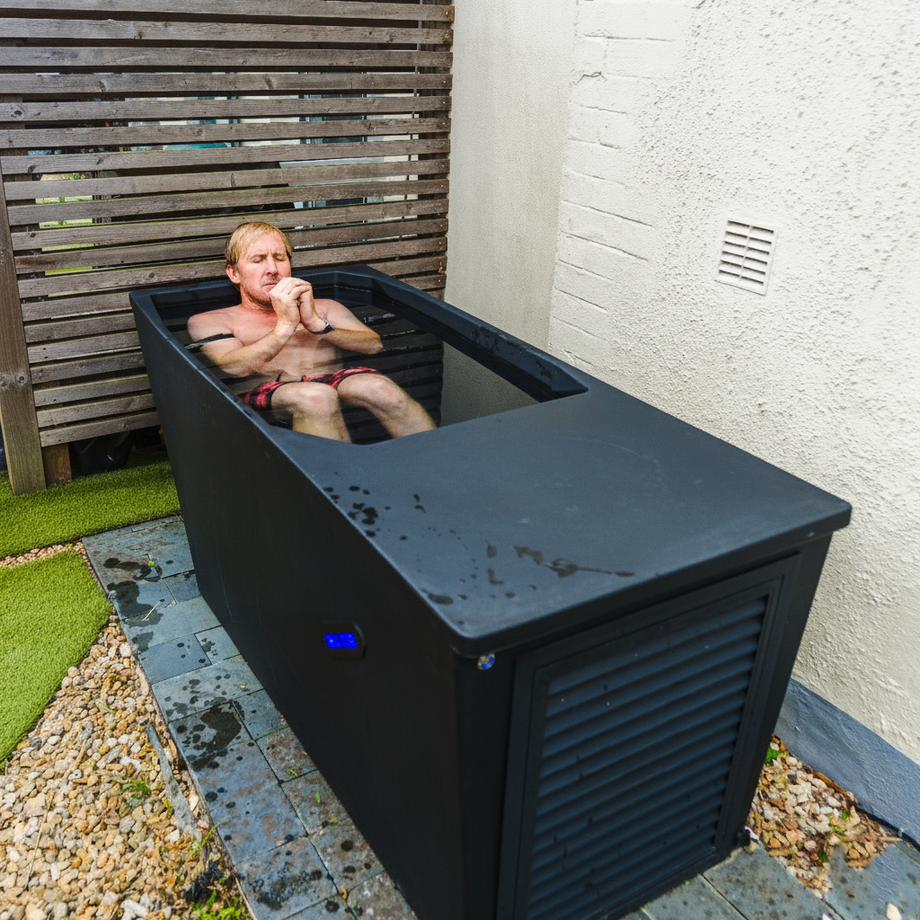
- Portable ice bath tubs – These are foldable or inflatable tubs made for cold therapy. They’re easy to set up in a home or gym.
- Professional cold plunge pools – Found in sports centers or spas, these are deeper, often with built-in chillers to keep water cold and clean.
- DIY containers – Some use large bins, barrels, or even kiddie pools. These are cheap but often lack safety features.
Comparison Of Home Vs. Professional Ice Bath Tubs
| Feature | Home Bathtub | Professional Ice Bath |
|---|---|---|
| Temperature Control | Manual (ice/water mix) | Automatic (built-in chiller) |
| Water Cleanliness | Needs frequent cleaning | Filtration system |
| Safety Features | Few | Non-slip floor, alarms |
| Cost | Low | High |
Non-obvious insight: Portable tubs can be safer than DIY containers because they often have insulated walls and easier entry/exit.
Cleaning And Maintenance: Why It Matters
Many people forget that cold water doesn’t kill germs. Ice bath tubs, especially home or shared tubs, can become dirty quickly. Without regular cleaning, bacteria and mold can grow, increasing your risk of skin infections.
How to clean: Use a mild bleach solution or antibacterial cleaner after each use. Rinse well. For professional tubs with filters, follow the maker’s cleaning schedule.
Tip: Never share an ice bath tub if you have open cuts or skin rashes.
How Often Should You Use Ice Bath Tubs?
Using an ice bath tub every day is not always better. For most people, 1–2 times per week after hard workouts is enough. If you use them too often, you may slow your body’s ability to grow stronger.
- Athletes in heavy training may use ice baths more, but always under supervision.
- Beginners should start with short, rare sessions to see how their body reacts.
Real-world Examples: When Ice Bath Tubs Go Wrong
Despite the popularity, there are real stories of ice bath accidents:
- A college football player in the US was hospitalized after staying in an ice bath too long, developing hypothermia and heart rhythm problems.
- Several athletes have fainted or had asthma attacks from the shock of cold water.
- Rare cases of nerve damage have been reported when people stayed in ice water for over 20 minutes.
Lesson: Ice bath tubs are not toys. Always use caution.
What To Watch Out For When Buying An Ice Bath Tub
If you want your own ice bath tub, here’s what matters most:
- Material – Choose strong, insulated material that keeps the water cold and is easy to clean.
- Size – Pick a tub that fits your body comfortably, with room to move.
- Entry/Exit – Safe, stable steps or hand grips are important.
- Drainage – Easy ways to empty and refill the tub mean less hassle.
- Cleaning – Smooth surfaces (not porous) are best for hygiene.
- Temperature control – Some high-end tubs have built-in coolers, but ice is fine for home use.
Common mistake: People often buy tubs that are too small or hard to clean, which makes them stop using them.

Special Populations: Extra Caution Needed
Children And Teens
Young people are more sensitive to cold. Ice baths are rarely needed for kids. If used, always supervise closely and keep sessions very short.
Older Adults
Older adults may have slower circulation or hidden heart problems. Even short ice baths can be risky. Always check with a doctor first.
Pregnant Women
There’s little research on ice baths during pregnancy. Most experts advise against it unless your doctor says it’s safe.
Psychological Effects: Not Just Physical
Ice baths are often described as “mind over matter” experiences. For some, this makes them feel strong and resilient. Cold exposure can boost mood chemicals in the brain, leading to feelings of happiness or calm.
However, not everyone enjoys the shock. For people with anxiety or a fear of water, ice baths can cause stress, not relaxation.
Practical tip: If you feel nervous, try short cold showers first to get used to the sensation.
Myths And Misconceptions About Ice Bath Tubs
Ice bath tubs are surrounded by myths. Here’s what you should know:
- Myth: Ice baths prevent all injuries.
Truth: They may reduce soreness, but don’t stop injuries from overuse or bad technique.
- Myth: The colder, the better.
Truth: Extremely cold water increases risk without adding benefits.
- Myth: Everyone should use ice baths.
Truth: Many people recover well without them.
- Myth: Ice baths boost immunity.
Truth: There’s no strong proof that ice baths prevent illness.
How To Tell If Ice Bath Tubs Are Working For You
The best way is to track how you feel after use:
- Are you less sore the next day?
- Do you sleep better?
- Are you training harder, or just feeling numb?
If you notice dizziness, tingling that lasts over an hour, or you start to dread recovery sessions, ice bath tubs may not suit you.
Expert Opinions On Safety
Most sports doctors and physical therapists agree: Ice bath tubs are safe for healthy adults if used properly. The biggest risks come from going too cold, too long, or using them with certain medical conditions.
The American College of Sports Medicine says ice baths can help with short-term soreness, but should not replace good training habits and rest.
For a deeper look at the science behind cold exposure, you can read the official review from the National Institutes of Health.
Comparing Ice Baths With Other Cold Therapies
Ice bath tubs are not the only way to use cold for recovery. Here’s how they compare:
| Therapy | Temperature | Body Coverage | Safety |
|---|---|---|---|
| Ice Bath Tub | 10-15°C | Full body (below neck) | Moderate risk |
| Cold Shower | 15-20°C | Partial/full body | Low risk |
| Ice Pack | 0°C (frozen) | Small area | Very low risk |
| Cryotherapy Chamber | -110°C to -140°C (briefly) | Full body | High (needs supervision) |
Non-obvious insight: Local ice packs are safer and work well for small injuries or sore joints. Whole-body therapies are riskier but give a “full reset” feeling.
Practical Tips For First-time Users
If you’re thinking about trying an ice bath tub, here are some tips to make your first experience safer and more comfortable:
- Prepare warm, dry clothes and a hot drink for after the session.
- Use a timer, not your phone, to track your time—your hands may get too cold to use a screen.
- Breathe slowly and deeply to control the shock response.
- Don’t force yourself—if you feel pain, get out.
- Skip ice baths if you’re already feeling sick, tired, or stressed.
Frequently Asked Questions
What Is The Ideal Water Temperature For An Ice Bath Tub?
The best temperature is between 10°C to 15°C (50°F to 59°F). Colder water increases risk without adding more benefit. If the water feels painfully cold, it’s too much—add a bit of warm water to adjust.
How Long Should I Stay In An Ice Bath Tub?
Start with 5 minutes and never go longer than 15 minutes. For beginners, even 2–3 minutes can be enough. Watch for shivering, numbness, or dizziness as signs to get out.
Can Ice Bath Tubs Help With Injuries?
Ice baths can reduce swelling and pain after minor injuries, but they are not a cure. For serious injuries, like sprains or muscle tears, see a doctor. Ice packs are safer for local injuries.
Are Ice Bath Tubs Safe For Everyone?
No. People with heart disease, high blood pressure, diabetes with nerve problems, asthma, or poor circulation should avoid ice baths. Children, pregnant women, and older adults should be extra careful or avoid them completely.
How Do I Clean And Maintain My Ice Bath Tub?
Clean your tub after every use with a mild bleach solution or antibacterial cleaner. Rinse well to remove chemicals. For tubs with filters, follow the maker’s cleaning schedule. Let the tub dry completely to prevent mold.
Final Thoughts
Ice bath tubs can be a useful tool for recovery—but only when used with care and common sense. They offer real benefits for soreness and mood, but also bring real risks, especially for people with medical issues. Most importantly, ice baths are not magic.
Good training, nutrition, and sleep matter far more in the long run.
If you choose to try ice bath tubs, start slow, stay safe, and listen to your body. When used wisely, they can add a fresh, cold twist to your recovery routine—without putting your health on ice.

