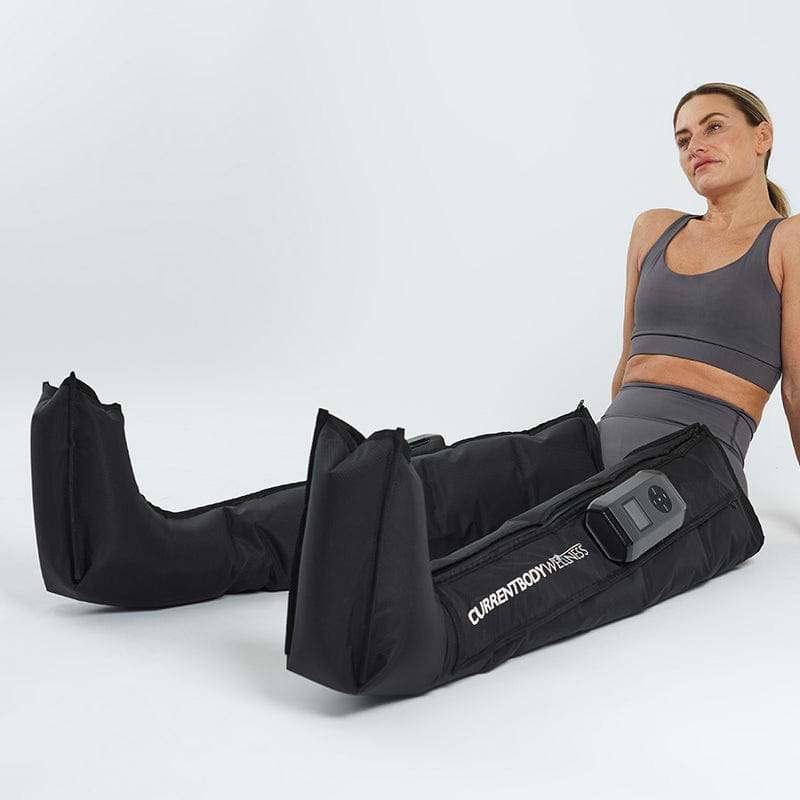
Many athletes and fitness lovers today look for ways to recover faster after hard workouts. The right recovery can help you feel stronger, train more often, and avoid injuries. One tool that’s getting a lot of attention is recovery boots. You may have seen people at the gym or on social media relaxing with large, space-age looking boots on their legs. But what are recovery boots, how do they work, and are they worth the investment?
Let’s take a closer look at these devices, how they help, and whether they might be the missing piece in your recovery routine.

36% off Today’s Exclusive Deals
Limited-time Exclusive Deals. Check current discount on Amazon.
Check Price on Amazon As an Amazon Associate I earn from qualifying purchases.What Are Recovery Boots?
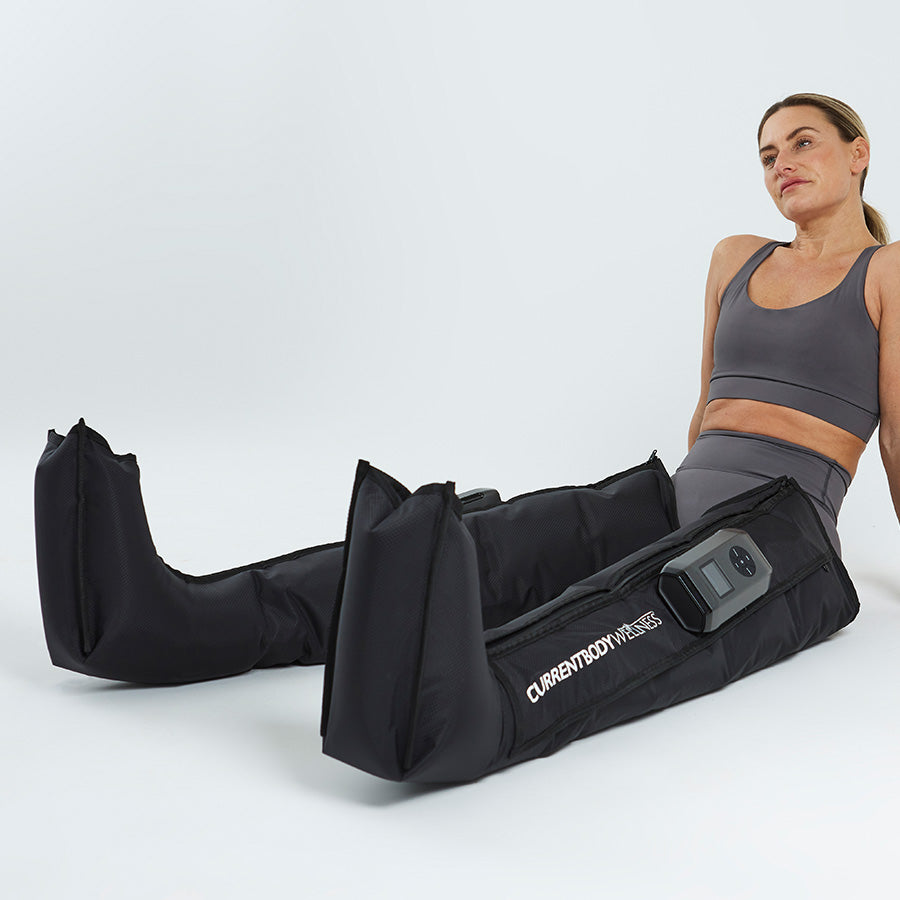
Recovery boots are wearable devices that use compression therapy to help your legs recover after exercise. They look like long, padded boots that cover your feet, calves, and sometimes your thighs. Inside, there are air chambers that fill and deflate in a sequence. This process gently squeezes your legs, then releases, in cycles. The pressure feels like a strong massage, helping your body move blood and fluids through your muscles.
These boots are also called compression boots or pneumatic compression devices. They have become popular among runners, cyclists, football players, and even people who work long hours on their feet.
How Do Recovery Boots Work?
When you put on recovery boots and turn them on, a small pump fills the boots with air. The boots are divided into chambers (like sections), usually 4 to 8, that fill and empty in a specific pattern. This pattern is designed to push blood and lymph fluid from your lower legs up toward your heart.
The main idea is intermittent pneumatic compression (IPC). The boots mimic the natural pumping of your muscles, but in a stronger, controlled way. This process helps:
- Reduce fluid buildup (swelling) in the legs
- Improve blood flow (circulation)
- Remove waste products from muscles faster
- Deliver fresh oxygen and nutrients
Some boots allow you to adjust the pressure level, cycle speed, and which chambers fill or pause. This means you can customize the session based on your comfort and needs.
The Science Behind Recovery Boots
Researchers have studied compression therapy for many years, especially in hospitals for patients at risk of blood clots. In sports recovery, the science is newer but growing.
One study in the *Journal of Sports Science & Medicine* showed that athletes using pneumatic compression had less muscle soreness and faster recovery of muscle strength after hard workouts. Another review found that compression devices can lower muscle fatigue and swelling, especially after intense or long exercise.
However, not all studies show huge benefits. Some find small improvements, while others see bigger effects. The science suggests that recovery boots are most helpful for:
- Reducing muscle soreness (Delayed Onset Muscle Soreness, or DOMS)
- Lowering leg swelling after long activity
- Improving the feeling of recovery and readiness
But they may not make you instantly faster or stronger. They are best used as part of a full recovery plan—along with sleep, nutrition, and gentle movement.
Who Should Use Recovery Boots?
Recovery boots are useful for a wide range of people, not just pro athletes. You might benefit from recovery boots if you:
- Train for endurance sports (running, cycling, triathlon)
- Do heavy strength training or CrossFit
- Have sore, tired legs from work (nurses, retail, hospitality)
- Travel long distances (to fight swelling on flights)
- Stand or walk for many hours a day
Even people with some medical conditions (like poor circulation or mild lymphedema) may use recovery boots, but it’s important to ask your doctor first.
Key Benefits Of Recovery Boots
1. Faster Muscle Recovery
After a tough workout, your muscles fill with waste products like lactic acid. The squeezing action of recovery boots speeds up the removal of these wastes and brings fresh blood to your muscles. Many users say their legs feel lighter and less stiff after a session.
2. Reduced Muscle Soreness
Recovery boots can lower the pain and stiffness that often show up a day or two after hard exercise (called DOMS). This means you can get back to training sooner, with less discomfort.
3. Less Swelling And Inflammation
If you notice your legs or feet puff up after long runs or standing, recovery boots help push extra fluid out of your tissues. This reduces swelling and can lower the risk of injuries like shin splints.
4. Improved Circulation
The boots act like a gentle pump, moving blood through your veins and back to your heart. This is especially helpful if you sit for long periods, as poor circulation can make your legs feel heavy and tired.
5. Relaxation And Stress Relief
Many people enjoy the gentle massage feeling. Using recovery boots can become a relaxing part of your post-workout routine, helping your whole body unwind.
6. Injury Prevention
By keeping your muscles healthy and reducing swelling, you may avoid common overuse injuries. Recovery boots are not a magic fix, but they support overall leg health.
How To Use Recovery Boots Safely
Using recovery boots is simple, but you’ll get the best results if you follow these tips:
- Start with clean, dry legs. Wear thin, comfortable clothes (shorts or leggings).
- Sit or lie down in a comfortable position. Don’t stand while wearing the boots.
- Zip up the boots and plug in the pump.
- Set the pressure and time based on your comfort. Most sessions last 15-30 minutes.
- Relax and enjoy. You can read, watch TV, or listen to music during the session.
- Remove the boots slowly after the cycle ends. Stand up carefully, as your legs may feel light or tingly.
Extra tip: Start with a lower pressure if you are new. Increase as your body gets used to the feeling.
Different Types Of Recovery Boots
Many brands and models of recovery boots are available. They vary by features, price, and design. Here are the main types:
Basic Pneumatic Compression Boots
These are the simplest and most affordable. They have a fixed pressure and cycle pattern. You simply turn them on and let the boots do the work. They are good for people who want an easy, no-fuss option.
Advanced Recovery Boots
These offer more features, such as:
- Adjustable pressure levels
- Customizable chamber sequences
- Bluetooth or app control
- Longer boots (that cover thighs as well as calves)
These models are more expensive but allow for a personalized experience.
Portable Recovery Boots
Some newer models are battery-powered and don’t need a wall outlet. This means you can use them at the gym, in your car, or while traveling. They are lighter and often quieter.
Medical-grade Compression Devices
These are used in hospitals for patients with serious circulation problems. They often provide higher pressure and have strict safety settings. Some athletes use these for special medical needs, but most people use sports models.
Comparing Popular Recovery Boot Brands
It can be tough to choose the right boots with so many options. Here is a comparison of three top brands:
| Brand | Pressure Range | Number of Chambers | Control Options | Price Range (USD) |
|---|---|---|---|---|
| NormaTec | 30-110 mmHg | 5-7 | App + Buttons | $800-$1,200 |
| Air Relax | 20-80 mmHg | 4 | Buttons | $400-$700 |
| Rapid Reboot | 20-200 mmHg | 4-8 | App + Buttons | $800-$1,200 |
Key insights:
- Higher pressure may help more with swelling, but comfort is important.
- More chambers allow more precise massage.
- App control adds convenience but isn’t essential.
What To Look For When Buying Recovery Boots
Before you spend money on recovery boots, consider these factors:
- Pressure Range: Some people like a gentle squeeze, others want strong compression. Look for boots with adjustable pressure.
- Number of Chambers: More chambers mean a smoother, wave-like massage.
- Size and Fit: Boots come in different lengths. Make sure they fit your height and leg size.
- Portability: If you travel or want to use them at the gym, battery-powered boots are best.
- Warranty and Support: Good brands offer at least a 1-year warranty and helpful customer service.
- Noise Level: Some pumps are loud. If you want to relax, look for quieter models.
- Price: The best boots can cost $1,000 or more, but budget options exist.
Common Mistakes When Using Recovery Boots
Beginners sometimes make errors that reduce the benefits or cause discomfort. Here are mistakes to avoid:
- Setting pressure too high: More is not always better. High pressure can cause pain or numbness.
- Using boots for too long: Sessions over 30-45 minutes are rarely more effective.
- Skipping other recovery steps: Boots help, but you still need good sleep, hydration, and nutrition.
- Ignoring leg injuries: If you have pain, swelling, or a leg wound, ask a doctor before using.
- Wearing over thick clothes: This blocks good contact and reduces the effect.
Pro tip: Write down how you feel before and after each session. This helps you find your best settings over time.
Real-world Examples: Who Uses Recovery Boots?
Runners
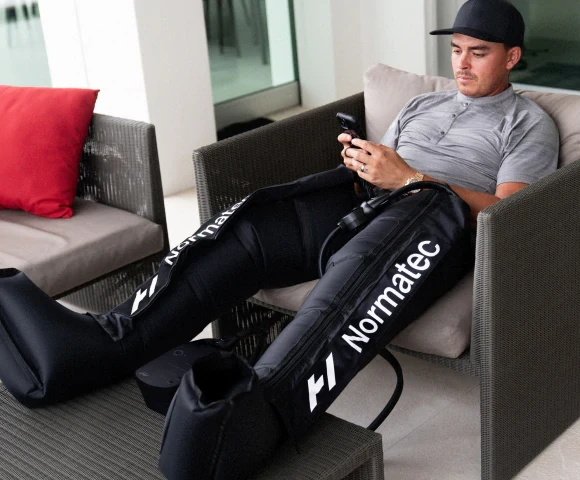
Many marathoners and sprinters use recovery boots after races. They report less soreness and faster return to training. For example, Olympic runner Galen Rupp uses NormaTec boots as part of his recovery routine.
Cyclists
Cyclists often do long rides that leave their legs swollen and tired. Recovery boots help flush out waste and reduce swelling, so riders can train hard day after day.
Sports Teams
Professional football, basketball, and soccer teams have recovery boots in their locker rooms. Players use them after games and practices to speed up healing.
Everyday Workers
Nurses, teachers, and construction workers who stand all day use recovery boots to relieve tired, swollen legs. Some even use them during lunch breaks.
How Recovery Boots Compare To Other Recovery Methods
Recovery boots are just one tool. Here’s how they compare to other common recovery options:
| Method | Best For | Cost | Time Needed | Science Support |
|---|---|---|---|---|
| Recovery Boots | Swelling, fatigue, muscle soreness | High | 15-30 mins/session | Moderate |
| Foam Rolling | Muscle knots, flexibility | Low | 10-20 mins | Moderate |
| Massage | Stress, muscle relaxation | Medium-High | 30-60 mins | Strong |
| Ice Baths | Inflammation, soreness | Low | 5-15 mins | Strong |
Insight: Recovery boots offer convenience and comfort but work best when combined with other recovery methods. For example, using boots after foam rolling may boost results.
Are Recovery Boots Worth The Investment?
For many, recovery boots are a big purchase. Are they worth it? The answer depends on your needs and budget.
They are most valuable if:
- You train often (5+ days a week)
- You do long, hard workouts (over 60 minutes)
- You have frequent leg soreness or swelling
- You compete at a high level
If you only exercise a few times per week or have a tight budget, you may get similar benefits from cheaper options like foam rolling or stretching.
A non-obvious insight: Many users find the real benefit is not just physical, but mental. Having a set “recovery ritual” with boots helps you slow down, rest, and pay attention to your body. This can reduce burnout and improve your training long-term.
Important Safety Information
Most healthy adults can use recovery boots safely. However, they are not safe for everyone. Do NOT use recovery boots if you have:
- Deep vein thrombosis (DVT) or a blood clot history
- Severe heart problems
- Acute infections or open leg wounds
- Severe varicose veins or ulcers
If you’re unsure, always check with your doctor first.
Another hidden insight: If you have diabetes or nerve issues in your legs, be careful. You may not feel strong pressure or injury, so use only with medical advice.
How To Get The Most From Your Recovery Boots
- Consistency matters. Use boots after every hard workout, not just once in a while.
- Pair with other habits. Drink water, stretch gently, and eat a healthy snack after using boots.
- Track your progress. Notice how your legs feel, your training results, and your mood.
- Clean boots regularly. Wipe inside and out to avoid germs or odors.
- Share with family. Many boots can be used by others in your household.
What Do Real Users Say?
Many people say they feel less sore and more relaxed after using recovery boots. Some use them daily, while others save them for after races or big training days. A few users notice little difference, especially if they recover well already.
Professional athletes often say recovery boots help them train harder and recover faster. Hobby athletes like the comfort and massage effect. Negative reviews are rare, but some mention high price or bulky design as downsides.
Where To Learn More
If you want to see research or learn more about compression therapy, you can visit the Wikipedia page on Compression Therapy for more details.
Frequently Asked Questions
What Do Recovery Boots Actually Do?
Recovery boots use air pressure to squeeze and release your legs. This helps move blood and fluids, reduces swelling, and makes your muscles feel better after exercise.
How Often Should I Use Recovery Boots?
Most people use them 3-5 times a week, usually after hard workouts. You can use them daily, but sessions over 30-45 minutes are not needed for most people.
Are Recovery Boots Safe For Everyone?
No. People with blood clots, severe heart disease, or leg infections should not use them. Always ask your doctor if you have a health problem.
Can Recovery Boots Help With Injuries?
They may reduce swelling and pain in minor injuries, but do not use them on broken bones, open wounds, or serious injuries without a doctor’s advice.
Do Recovery Boots Really Work?
Many studies and athletes say yes—they help reduce soreness and swelling. Results are best when used with other recovery habits like sleep, hydration, and stretching.
Recovery boots are a modern tool that can help many people recover faster, feel better, and perform at their best. If you train hard, work on your feet, or just want to take better care of your legs, they are worth considering.
Always listen to your body and talk to a professional if you have questions about your health or recovery.