

Are Recovery Boots Effective?
Imagine finishing a long workout or a tough run. Your legs feel heavy, sore, and tired. You dream about a quick recovery so you can get back to training again. This is where recovery boots come in. You might have seen athletes wearing big, space-age looking boots that squeeze their legs. These are not just for show. They promise faster recovery, less muscle pain, and improved performance. But do they really work? Are recovery boots effective, or is it just another fitness trend?
This article gives you a deep, honest look at recovery boots. We’ll break down how they work, what science says, who benefits most, and what to watch out for. Whether you’re a serious athlete, a weekend warrior, or just curious, you’ll get real answers.

36% off Today’s Exclusive Deals
Limited-time Exclusive Deals. Check current discount on Amazon.
Check Price on Amazon As an Amazon Associate I earn from qualifying purchases.You’ll also see comparisons, expert opinions, and things most people miss when choosing or using recovery boots.
What Are Recovery Boots?
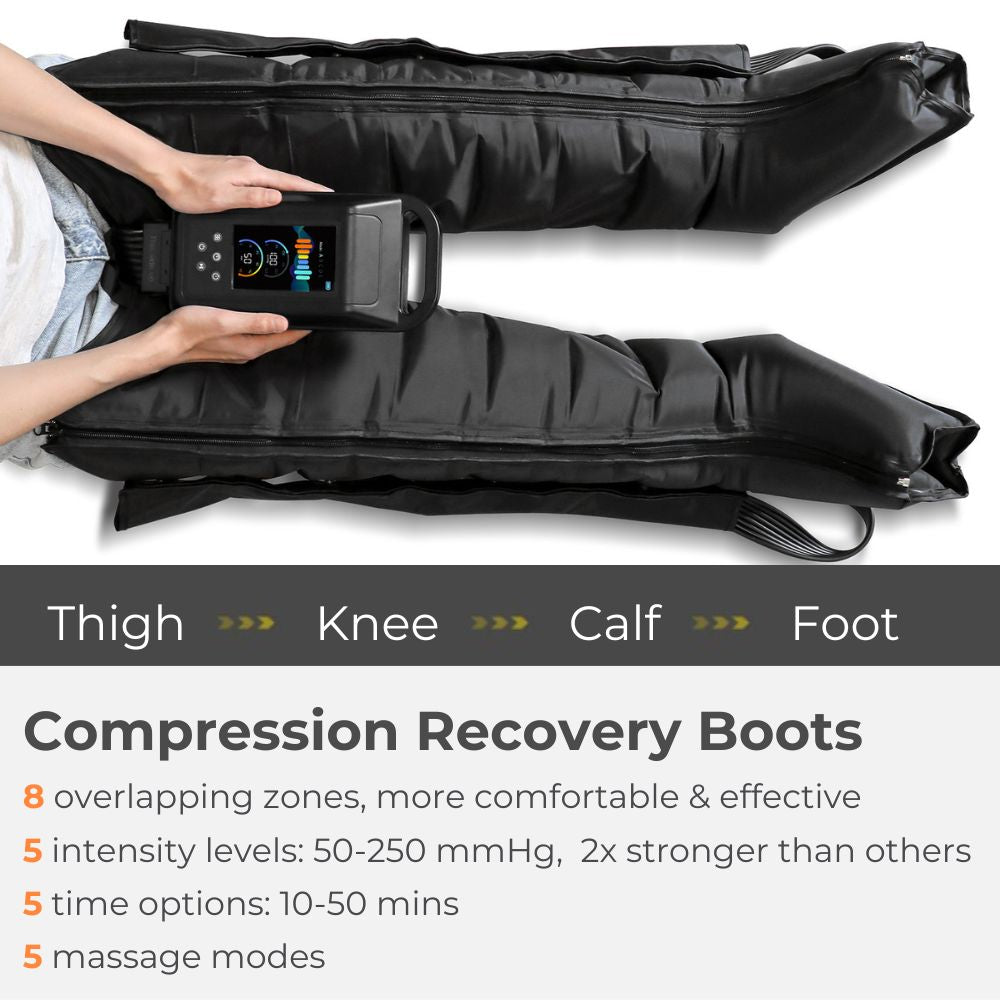
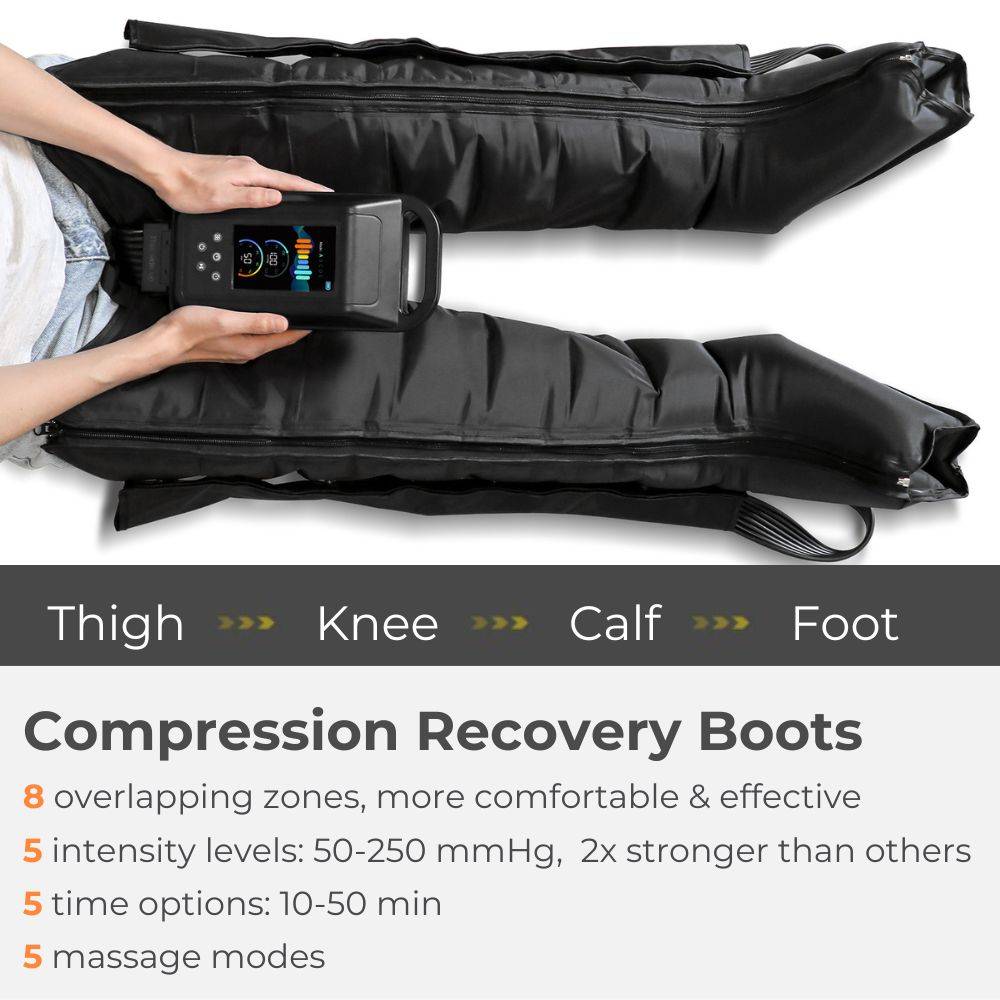
Recovery boots are inflatable sleeves that cover your legs. They use air pressure to squeeze and release your muscles in a gentle, rhythmic way. This process is called pneumatic compression.
There are two main types:
- Sequential compression boots: These fill with air in different sections, moving the pressure up your leg in stages.
- Uniform compression boots: These fill all chambers at once, giving equal pressure everywhere.
Most recovery boots are powered by a small machine that lets you control the pressure, speed, and cycle time. People usually wear them for 15-30 minutes after exercise.
How Do Recovery Boots Work?
The main goal is to help your body get rid of waste products like lactic acid after exercise and bring fresh blood to tired muscles. Here’s how the process works:
- Compression: The boots squeeze your legs, pushing fluid and blood from your lower legs up toward your heart.
- Release: The pressure drops, letting fresh, oxygen-rich blood flow back into your muscles.
- Repeat: This cycle repeats, acting like a gentle massage.
This mimics the body’s natural process of muscle pump. When you walk or move, your muscles contract and relax, helping blood and lymph move. After hard workouts, you might not move much, so recovery boots act as a “second heart” to keep things flowing.
What Does Science Say About Recovery Boots?
Many people want solid proof before spending money on recovery tools. Let’s look at what research says.
Reduced Muscle Soreness
Several studies suggest that pneumatic compression can reduce delayed onset muscle soreness (DOMS). For example, a 2017 study found that athletes who used compression boots after intense exercise reported less muscle pain 24-48 hours later than those who did not.
Improved Circulation
Research shows that the intermittent compression from recovery boots helps move blood and lymph fluid. One small study from 2018 measured blood flow in the legs and found a significant increase during and after using boots.
Faster Recovery Of Muscle Strength
Some studies found that athletes who used recovery boots regained muscle strength faster after hard workouts. However, the effect is usually small and temporary.
Limits Of The Evidence
It’s important to note that not all studies show dramatic benefits. Some found no difference in muscle soreness or performance compared to rest or other recovery methods. Results often depend on:
- The type of exercise
- Timing and length of boot use
- The person’s fitness level
So, while there is support for recovery boots, they are not magic. They work best as part of a bigger recovery plan, not alone.
Who Benefits Most From Recovery Boots?
Not everyone needs recovery boots. Here’s who sees the most benefit:
- Endurance athletes: Runners, cyclists, and triathletes often train hard and need to recover quickly.
- Team sport players: Soccer, basketball, and football players use boots to recover between games or practices.
- Older adults: As we age, blood flow slows and recovery takes longer. Compression can help.
- People with circulation issues: Those with swollen legs or mild lymphatic problems may find relief.
If your workouts are light or you have days to rest, you might not need recovery boots. They are most helpful for those pushing their bodies often.
Real-world Experiences And Athlete Feedback
Many elite athletes swear by recovery boots. For example, NBA and NFL teams have them in their training rooms. Some runners use them after every long run, saying they feel fresher the next day.
But there are also athletes who do not notice much difference. The key is that individual response varies. Factors like body type, training level, and even belief in the product (the “placebo effect”) can change how well boots work for you.
Comparing Recovery Boots To Other Recovery Methods
Let’s look at how recovery boots stack up against other popular tools.
| Method | How It Works | Best For | Drawbacks |
|---|---|---|---|
| Recovery Boots | Air pressure massage | Quick recovery, heavy training weeks | Expensive, needs power |
| Foam Rolling | Manual muscle massage | Breaking up knots, flexibility | Can be painful, effort needed |
| Ice Baths | Cold water immersion | Reducing swelling, pain | Uncomfortable, not for everyone |
| Massage | Hands-on tissue work | Personalized, relaxing | Costly, time-consuming |
Non-obvious insight: Many people think they must choose only one method. In reality, you can combine recovery boots with stretching, foam rolling, or massage for better results.

Key Features To Look For In Recovery Boots
If you decide to buy recovery boots, it’s easy to get lost in all the choices. Here’s what matters most:
- Pressure Range: Look for boots that let you adjust pressure (measured in mmHg). Too little does nothing; too much can hurt.
- Chamber Design: More chambers (sections) usually mean a more natural massage. Four to eight chambers are common.
- Cycle Types: Some boots offer different patterns (sequential, pulsing, holding). Variety helps target different needs.
- Ease of Use: Check for easy-to-use controls and clear displays. Complicated setups can be frustrating.
- Size and Fit: Make sure the boots fit your legs. Too tight or loose reduces effectiveness.
- Portability: If you travel, look for lightweight, battery-powered options.
- Warranty and Support: Good brands offer strong warranties and helpful customer service.
| Feature | Why It Matters | Watch Out For |
|---|---|---|
| Adjustable Pressure | Custom comfort and safety | Limited range, fixed settings |
| Multiple Chambers | Smoother massage, more coverage | Fewer chambers, uneven feel |
| Cycle Variety | Targets different recovery needs | One basic mode only |
| Portability | Use anywhere | Heavy, requires wall power |
Common buyer mistake: Many people buy the cheapest option with only two chambers and no pressure control. These rarely work well and may feel uncomfortable.
Potential Side Effects And Who Should Avoid Recovery Boots
While recovery boots are generally safe, they are not for everyone.
- Open wounds or skin infections: Avoid compression if you have sores or skin problems.
- Blood clots (DVT): Compression can move clots, causing danger.
- Severe heart or vascular disease: Extra pressure can worsen these problems.
- Pregnancy: Talk to your doctor first.
Tip: If you have health issues or are unsure, always check with a healthcare provider before using recovery boots.
Some users may feel tingling, numbness, or mild discomfort. This usually means the pressure is too high or the fit is wrong. Adjust settings or stop use if pain happens.
How To Use Recovery Boots For Best Results
Getting the most from recovery boots takes more than just putting them on. Here are tips for safe, effective use:
- Hydrate first: Drink water before and after. Compression helps move fluid, so you want to stay hydrated.
- Choose the right time: Use boots within an hour after intense exercise for best effect.
- Start with low pressure: If new, begin with low settings and increase as you get comfortable.
- Session length: Most people use boots for 15-30 minutes. Longer is not always better.
- Relax during use: Sit or lie in a comfortable spot. Avoid standing or moving.
- Combine with other recovery: Stretching, foam rolling, or protein snacks can boost your results.
Non-obvious insight: Some users think higher pressure means faster recovery, but too much can cause soreness or even bruising. Always increase pressure slowly.
Cost Of Recovery Boots: Are They Worth It?
Recovery boots can be expensive. Prices range from $300 to over $2,000 depending on features and brand. Here’s a comparison:
| Brand | Chambers | Pressure Range (mmHg) | Price Range (USD) |
|---|---|---|---|
| NormaTec | 5-7 | 30-110 | $900-$1,200 |
| Rapid Reboot | 4-8 | 20-200 | $700-$1,400 |
| Air Relax | 4 | 20-80 | $300-$500 |
| Therabody RecoveryAir | 4-8 | 20-100 | $700-$1,300 |
Are they worth it? If you train hard, compete often, or have slow recovery, many people find them valuable. For casual exercisers, the cost may not match the benefit. Try them at a gym or clinic before buying if you can.
What Most People Get Wrong About Recovery Boots
Even athletes and trainers make mistakes with recovery boots. Here are some common misunderstandings:
- Thinking boots replace all recovery: You still need sleep, good nutrition, and rest. Boots are an add-on, not a replacement.
- Using them too long or too often: More is not always better. Overuse can cause discomfort.
- Ignoring fit and pressure: The right fit and pressure are key. One-size-fits-all rarely works well.
- Skipping other recovery basics: Hydration, protein intake, and stretching are just as important as boots.
Evidence From Professional Teams And Clinics
Many pro sports teams and physical therapy clinics use recovery boots. For example, the NBA, NFL, and Olympic training centers often have several pairs. They use them for:
- Speeding up recovery between games
- Helping athletes after travel or jet lag
- Reducing swelling after injury
Physical therapists use them for post-surgery patients or those with lymphatic problems. This shows that, when used correctly, recovery boots are trusted by experts.
A useful research summary can be found at the National Institutes of Health.
Alternatives To Recovery Boots
If boots are too expensive or not right for you, try these options:
- Active recovery: Light walking, cycling, or swimming helps flush waste from muscles.
- Compression socks: Cheaper, worn longer, but less powerful.
- Cold water therapy: Icing or cold baths reduce swelling and pain.
- Massage guns: Handheld devices deliver quick, targeted muscle relief.
- Stretching and yoga: Keep muscles loose and flexible.
Each method has pros and cons, but all help your body recover if used wisely.
Latest Trends And Innovations
Recovery technology is growing fast. New trends include:
- Wireless and portable boots: Battery-powered units for travel and convenience.
- Smart controls: Apps to track sessions and adjust settings.
- Targeted boots: Devices for hips, arms, or feet, not just legs.
- Eco-friendly materials: Some brands use recycled fabrics and sustainable packaging.
These trends make recovery boots more accessible, but always check reviews and support before buying.
Frequently Asked Questions
What Is The Main Benefit Of Recovery Boots?
The main benefit is faster muscle recovery after intense exercise. Recovery boots help reduce swelling, muscle soreness, and fatigue by boosting circulation and removing waste products from your legs.
How Often Can I Use Recovery Boots?
Most people use them 1-2 times per day after hard workouts or games. Overuse is not helpful and can cause discomfort. Listen to your body and adjust as needed.
Are Recovery Boots Safe For Everyone?
Recovery boots are safe for most healthy people. Avoid them if you have blood clots, open wounds, severe heart or vascular disease, or skin infections. Always check with a doctor if you have health concerns.
Do Recovery Boots Improve Sports Performance?
They help you recover faster, which can let you train more often or harder. However, they do not make you stronger or faster directly. They are a tool for recovery, not for boosting raw performance.
How Do I Choose The Right Recovery Boots?
Look for adjustable pressure, multiple chambers, good fit, and easy controls. Try boots before buying if possible. Read reviews and check for a strong warranty.
Recovery boots can be a valuable tool if you push your body and need to recover quickly. They are backed by science, trusted by pros, and offer real benefits. But they are not magic. Use them as part of a smart recovery routine that includes sleep, nutrition, and active rest.
Choose wisely, use carefully, and you might find your legs feeling fresher and ready for your next challenge.

