

Many athletes, fitness lovers, and even people with busy jobs are searching for ways to recover faster. One modern tool often recommended is recovery boots—those large, inflatable sleeves you wear on your legs, which fill with air and then release, squeezing your muscles in a controlled way. These devices, also called compression boots or leg recovery systems, claim to improve circulation, reduce muscle soreness, and speed up recovery after exercise. But are recovery boots safe to use? This is a smart question, especially with so many new wellness gadgets appearing every year. Let’s look closely at what recovery boots are, how they work, their safety, and what you need to know before using them.
What Are Recovery Boots?
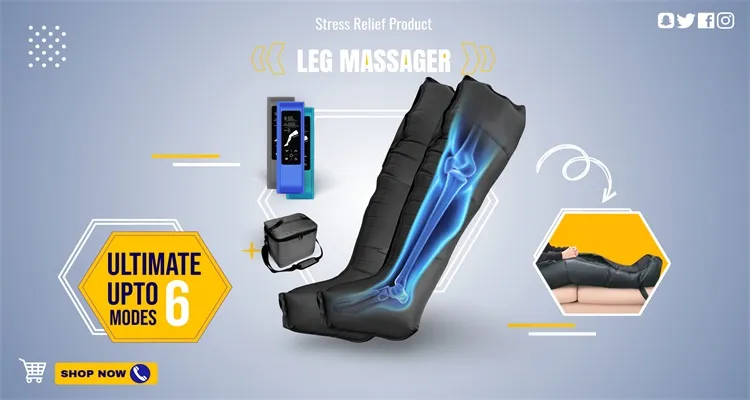
Recovery boots are a type of pneumatic compression device. They look a bit like long ski boots or sleeping bags for your legs. You zip or Velcro them on, connect them to a pump, and the device inflates different chambers in the boots. This creates a squeezing effect, starting at your feet and moving upward—similar to how a blood pressure cuff works, but in cycles and with multiple chambers.

36% off Today’s Exclusive Deals
Limited-time Exclusive Deals. Check current discount on Amazon.
Check Price on Amazon As an Amazon Associate I earn from qualifying purchases.These boots are used by athletes, physical therapists, and sometimes even people with poor circulation or swollen legs. The idea is to help your body clear out waste products, reduce swelling, and bring fresh blood to your muscles for faster recovery.
How Recovery Boots Work
The science behind recovery boots is called intermittent pneumatic compression (IPC). When the boots inflate, they squeeze the muscles and veins. This pushes blood and fluid out of your legs, then lets them refill as the pressure releases. In theory, this can help:
- Reduce swelling by moving extra fluid away from the legs
- Improve blood flow, which helps deliver oxygen and nutrients to muscles
- Remove waste products, like lactic acid, that build up during exercise
- Decrease muscle soreness after intense workouts
Many people say they feel better after using recovery boots, but how safe is it for everyone? The answer depends on several factors.
Who Should Use Recovery Boots?
Recovery boots are often seen in gyms, sports clubs, and clinics. They are used by:
- Professional athletes for post-training recovery
- Runners and cyclists after long workouts
- Gym-goers who want to reduce muscle soreness
- People with mild leg swelling from standing or sitting all day
Some medical professionals also use similar devices for patients with lymphedema (swelling due to lymph fluid) or venous insufficiency (poor blood flow in the legs). However, the boots used in medical settings are usually prescribed and set up by a doctor.
Are Recovery Boots Safe For Most People?
For healthy adults, recovery boots are generally safe when used as directed. Most problems are rare and can be avoided with proper use. Still, it’s important to understand both the benefits and the risks.
Benefits Backed By Research
Several studies show positive effects of intermittent pneumatic compression:
- A 2020 review in the Journal of Athletic Training found that IPC can reduce muscle soreness and help performance recovery after exercise.
- Research from the National Institutes of Health suggests that IPC can improve blood flow and reduce swelling.
Most users report a feeling of relaxation, lighter legs, and less soreness after using the boots.
Common Side Effects
Even if you are healthy, you might notice:
- Mild tingling or numbness while using the boots
- Temporary redness on the skin
- Mild discomfort if the pressure is set too high
These effects are usually not serious and go away after removing the boots. If discomfort continues, the pressure may need to be reduced.
Who Should Avoid Recovery Boots?
While recovery boots are safe for most people, there are important exceptions. If you have certain health problems, you should not use them without talking to your doctor.
Medical Conditions That Increase Risk
- Deep vein thrombosis (DVT) or blood clots: Using compression can move a blood clot, which is dangerous.
- Severe peripheral artery disease: Compression may reduce blood flow even more.
- Severe heart problems: Squeezing the legs can put extra strain on the heart.
- Serious infections in the legs: Compression could make the infection worse.
- Skin wounds or ulcers: The boots can irritate open wounds.
Anyone with these conditions should not use recovery boots unless a doctor says it’s safe.
Other Groups Who Should Be Cautious
- Pregnant women: Leg swelling is common, but safety for pregnancy is not well studied.
- People with very sensitive skin: Pressure and heat could cause irritation.
- Children: Safety and proper fit are not guaranteed for young people.
If you are unsure, it’s always best to get a medical opinion before starting.
How To Use Recovery Boots Safely
To get the benefits and avoid risks, follow these practical steps when using recovery boots:
1. Read The Instructions
Every brand is a little different. Always read the manual and follow the setup steps. Pay attention to:
- How to adjust the pressure level
- How long you should use the boots
- How to clean and store them
2. Choose The Right Size
Recovery boots come in different sizes. Too small, and you will feel too much pressure. Too big, and they may not work well. Measure your leg length and choose the right size for your body.
3. Set The Correct Pressure
Most people use medium pressure (about 70–100 mmHg). Beginners should start lower. If the pressure feels painful or your toes go numb, reduce it right away.
4. Limit Session Time
Typical sessions last 15 to 30 minutes. Using boots for longer does not always mean better results. Overuse can cause discomfort or even bruising.
5. Use On Clean, Dry Skin
Always use boots on clean, dry legs to avoid skin irritation. Remove any lotions or oils first.
6. Watch For Warning Signs
Stop using the boots and seek help if you notice:
- Severe pain
- Sudden swelling or numbness
- Skin changes (bruising, blisters, or sores)
These could be signs of a problem.
7. Clean The Boots Regularly
Wipe the inside with a damp cloth and mild soap to prevent bacteria and odor.
Can Recovery Boots Replace Other Recovery Methods?
It’s important to remember that recovery boots are just one tool. They should not replace basic recovery habits like:
- Rest and sleep
- Proper hydration
- Good nutrition
- Gentle stretching
Many athletes use recovery boots along with these habits, not instead of them. If you skip sleep or don’t eat well, boots won’t fix the problem.
Comparing Recovery Boots To Other Recovery Tools
Many people ask how recovery boots compare with other popular recovery tools like foam rollers or massage guns. Here’s a quick look:
| Tool | Main Benefit | Ease of Use | Best For |
|---|---|---|---|
| Recovery Boots | Boosts circulation, reduces swelling | Very easy (hands-free) | Full leg recovery |
| Foam Roller | Releases muscle knots | Requires effort & technique | Targeted muscle areas |
| Massage Gun | Deep muscle massage | Easy, but handheld | Small or deep areas |
Recovery boots offer a hands-free, relaxing experience, while foam rollers and massage guns let you target specific spots. Boots cover the whole leg at once, but the other tools are better for small, tight muscles.
Do Recovery Boots Really Work?
Many users say they feel less sore and more relaxed after using recovery boots. But what does science say?
- A 2018 study in the Journal of Strength and Conditioning Research found that athletes using IPC reported less muscle soreness and faster reduction of swelling after hard exercise.
- However, not all studies agree. Some reviews find only small benefits compared to simple rest.
The truth is, recovery boots are helpful for some people, but not everyone will notice dramatic results. The “feeling” of recovery is real for many, but it’s not magic.
Real-world Use: What Athletes Say
Top athletes in sports like cycling, basketball, and football often use recovery boots. For example:
- NBA players are seen wearing them on the bench after games.
- Cyclists use them after long races to speed up leg recovery.
- Triathletes use them between events to stay fresh.
Many say the boots become a routine part of their recovery, especially during heavy training periods. They like the feeling of lighter, less tired legs. But even pros combine boots with stretching, ice baths, and good sleep.
Recovery Boots And Blood Flow: The Science
One main reason people use recovery boots is to improve blood flow. This is important for both muscle recovery and reducing swelling. But how much do the boots help?
Blood flow increases when the boots squeeze your legs. The pressure pushes blood out of the muscles, then new blood comes in when the boots deflate. This “pumping” action is similar to gentle walking or calf exercises.
A 2017 study published in the Journal of Sports Science and Medicine found that athletes using IPC had up to 30% improved venous blood flow compared to rest. This means more oxygen and nutrients can reach tired muscles.
However, the effect is temporary. Your body still needs time to heal and recover naturally.
Are There Long-term Risks?
Most healthy people do not face long-term risks from using recovery boots. Problems are rare and usually related to:
- Using the boots too often or for too long
- Setting the pressure too high
- Ignoring warning signs (pain, numbness, skin changes)
One non-obvious risk is over-reliance on devices. Some users may skip basic recovery (rest, hydration) because they believe the boots will “fix” everything. This is not true—boots are a helper, not a cure-all.
Another risk is cross-contamination if boots are shared in gyms and not cleaned well. Always clean shared equipment, and use a barrier (like long socks) if needed.
What Beginners Often Miss
Many first-time users believe more pressure means better results. This is not true. Too much pressure can cause discomfort, bruising, or even cut off circulation. Start low, see how your body responds, and only increase if needed.
Another common mistake is using boots on injured or sore areas without a doctor’s advice. Compression can make some injuries worse, especially if there is a hidden blood clot or infection. Always check if you have pain, fever, or new swelling.
Practical Tips For Safe And Effective Use
To get the most from your recovery boots, consider these tips:
- Start with short sessions: Try 15 minutes at a low pressure your first few times.
- Don’t use right after injury: Wait at least 24 hours after a muscle strain or sprain, unless your doctor says it’s okay.
- Combine with stretching: Gentle stretching before and after can help.
- Stay hydrated: Compression moves fluids—drink water to help your body flush waste.
- Listen to your body: If you feel worse after using the boots, stop and get advice.
/assets/images/provider/photos/2812328.jpeg)
Recovery Boot Brands And Features: What To Look For
The market now offers many brands, each with different features. Some popular names include Normatec, Rapid Reboot, and Air Relax. Prices range from $300 to over $1,500.
| Brand | Pressure Range | Chambers | Special Features |
|---|---|---|---|
| Normatec | 30–110 mmHg | 5 | Bluetooth app, travel case |
| Rapid Reboot | 20–200 mmHg | 4 | Multiple sizes, zone control |
| Air Relax | 30–230 mmHg | 4 | Budget-friendly, simple controls |
When choosing a boot, look for:
- Adjustable pressure
- Multiple size options
- Easy cleaning
- Warranty and customer support
Don’t just buy the most expensive—choose what fits your body, needs, and budget.
Special Cases: Medical Use Vs. Athletic Use
It’s important to know the difference between medical compression devices and sports recovery boots. Medical devices are used under a doctor’s guidance for conditions like DVT, lymphedema, or after surgery. These are usually covered by insurance and set up by a health professional.
Sports recovery boots, on the other hand, are sold directly to consumers. They are not meant to treat disease. If you have a medical condition, use only what your doctor recommends.

When To See A Doctor Before Using Recovery Boots
If you have any of the following, get medical advice before using recovery boots:
- History of blood clots
- Heart or circulation problems
- Recent leg surgery
- Current leg swelling with pain
- Diabetes with nerve or blood flow issues
Doctors can recommend safe options or alternatives if you are not a good candidate for recovery boots.
The Bottom Line: Are Recovery Boots Safe?
Recovery boots are safe for most healthy people when used correctly. They offer a relaxing and sometimes effective way to support muscle recovery, reduce swelling, and improve circulation. However, they are not for everyone. People with certain medical problems should avoid them or use them only under a doctor’s care.
Remember, recovery boots are just one part of a complete recovery plan. Good sleep, hydration, proper training, and listening to your body are always most important. If you use recovery boots, start slowly, use the right pressure, and pay attention to how you feel.
For more information, you can check out resources like the Wikipedia page on compression therapy.
Frequently Asked Questions
Can I Use Recovery Boots Every Day?
Yes, most healthy people can use recovery boots daily if they keep sessions short (15–30 minutes) and use comfortable pressure. If you notice pain or numbness, take a break and reduce usage.
Are Recovery Boots Safe During Pregnancy?
Pregnant women should talk to their doctor before using recovery boots. Leg swelling is common in pregnancy, but safety data is limited. There may be safer ways to reduce swelling during pregnancy.
Can Recovery Boots Cause Blood Clots?
For healthy people, recovery boots do not cause blood clots. However, if you already have a blood clot, using the boots can be dangerous. Always check with your doctor if you have a history of blood clots or leg swelling with pain.
Are There Any Side Effects?
Most side effects are mild, like tingling, redness, or temporary numbness. Serious problems are rare but can happen if you use too much pressure or have a medical condition. Always follow instructions and watch for warning signs.
Should I Buy Expensive Recovery Boots For Home Use?
Price is not the only factor. Look for boots with adjustable pressure, the right size for your body, easy cleaning, and good customer support. Some budget models work well for basic needs, while expensive boots may offer more features.
Recovery boots can be a helpful part of your recovery routine. Use them wisely, combine them with healthy habits, and always listen to your body for the best results.

