

Are Recovery Boots Portable?
Recovery boots have become popular among athletes, fitness enthusiasts, and even office workers who sit or stand for long periods. These devices use compressed air to massage the legs and speed up muscle recovery. But when it comes to convenience, one big question often comes up: Are recovery boots portable? If you travel for competitions, train in different places, or simply want to use your boots outside your home, portability is a key factor. Let’s explore what makes recovery boots portable, what to look for, and what real-life use looks like.
What Are Recovery Boots?
Recovery boots, sometimes called compression boots, are wearable sleeves that you zip or strap around your legs. They use air compression to squeeze and release the muscles, improving blood flow and reducing muscle soreness. This technology is often called pneumatic compression therapy. Most boots connect to a pump, which fills and empties air chambers in a specific sequence. People use them after hard workouts, long runs, or just to relax tired legs.

36% off Today’s Exclusive Deals
Limited-time Exclusive Deals. Check current discount on Amazon.
Check Price on Amazon As an Amazon Associate I earn from qualifying purchases.There are many brands and models, each with unique features. Some have advanced controls, while others keep things simple. No matter the design, the goal is the same: help your legs recover faster and feel better.
The Meaning Of Portability In Recovery Boots
When people ask, “Are recovery boots portable?” they often mean more than just “Can I carry them?” True portability combines several factors:
- Weight – Light enough to carry without effort.
- Size – Compact design, easy to fit in luggage or a gym bag.
- Power source – Can run on batteries, not just wall plugs.
- Ease of setup – Quick to put on and take off, with no complicated assembly.
- Durability – Can handle travel and frequent packing/unpacking.
Let’s break down each element to see how different recovery boots measure up.

Size And Weight: How Easy Are They To Carry?
If you want to use recovery boots outside your home, size and weight matter. Old models were heavy, with large pumps and thick hoses. Modern versions are much lighter and smaller.
| Brand/Model | Boot Weight (Pair) | Pump Weight | Packed Size |
|---|---|---|---|
| Normatec Go | 1.6 lbs | Built-in | 14 x 7 x 5 in |
| Air Relax Pro | 2.8 lbs | 2.2 lbs | 16 x 9 x 7 in |
| Therabody RecoveryAir JetBoots | 3.2 lbs | Built-in | 17 x 8 x 6 in |
| Rapid Reboot Regen | 3.5 lbs | 2.7 lbs | 18 x 10 x 8 in |
As you can see, some boots have the pump built into the sleeve, making the whole system more compact. Others use a separate pump, which adds bulk. If you travel often, built-in pump models are easier to pack and carry.
Power Source: Can You Use Them Without A Wall Plug?
Traditional recovery boots had to be plugged into a wall outlet. This limited where you could use them. Now, many brands offer rechargeable batteries. Some boots can run for 2–4 hours on a single charge. This means you can use them in a car, on a plane, in a locker room, or even outdoors.
However, not all battery-powered boots perform the same. Cheaper models may lose power quickly or not provide strong compression. Always check the battery life and charging time before you buy.
Battery Vs. Plug-in: Which Is Better For Portability?
| Type | Pros | Cons |
|---|---|---|
| Battery-Powered | Flexible, use anywhere, great for travel | Limited run time, batteries wear out over years |
| Plug-in | Consistent power, no need to recharge | Must use near a wall outlet, less portable |
If portability is your main goal, battery-powered boots are often the best choice. Still, carrying the charger is important, especially on longer trips.
Packing And Storage: Do They Fit In Your Bag?
Even light boots can be hard to carry if they take up too much space. Most portable models come with a carry bag or case. The bag’s size and design matter. Some are slim and fit under airplane seats, while others are bulky and take up much of your luggage.
Try to check the full packed size, not just the boots themselves. If you travel with a small backpack, even a few extra inches can make a difference.
Practical Packing Tips
- Roll or fold boots carefully to save space.
- Keep hoses and wires organized to avoid tangling.
- Carry only needed parts (some boots have extra sleeves or attachments you may not need every time).
- Use the original case if possible, as it’s designed for protection and space-saving.
Many users miss the importance of the carry case. A good case can protect your boots from damage and make airport security checks smoother.
Ease Of Setup And Use In Different Places
Portability is not just about carrying the boots. You want to set them up and use them quickly, wherever you are.
- Built-in pumps mean fewer wires and parts.
- Simple controls help you start recovery fast.
- Quick zip or Velcro closures save time compared to boots with complicated lacing.
In a hotel room, locker room, or car, you want a system that goes on and off easily. Some boots, especially older models, need two people to put on or take off. Modern portable boots can be handled solo.
Durability: Can Portable Boots Handle Travel?
Travel is tough on gear. When choosing portable recovery boots, consider how well they can handle:
- Frequent packing and unpacking
- Bumps and drops in luggage
- Moisture and dust
Some boots are made with tough materials and strong zippers. Others cut weight by using thin fabric, which may tear. If you plan to travel a lot, look for boots with reinforced seams and sturdy cases. It’s a small detail, but it can save you money and frustration later.
Popular Portable Recovery Boot Models
Let’s look at some examples of portable recovery boots and their real-world use.
1. Normatec Go
Normatec Go is made for travel. The compression unit is built into the calf sleeves, so there are no hoses or external pumps. Each sleeve weighs less than a pound. Battery life is about 3 hours. It fits easily in a backpack or gym bag.
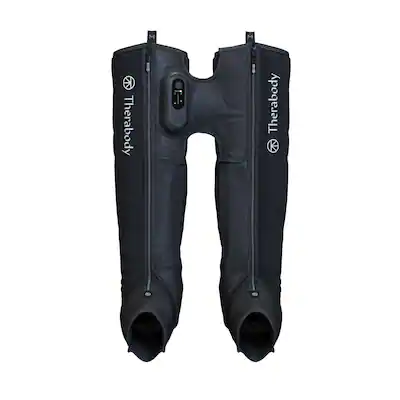
2. Therabody Recoveryair Jetboots
This model combines powerful compression with portability. The pump is built into the boots, and the battery lasts about 4 hours. They come with a padded travel case. You can use them in airports, hotels, or even outdoors after a race.
3. Air Relax Pro
Air Relax Pro uses a separate pump, but it’s compact and light. The whole system weighs about 5 pounds and fits into a small case. Battery packs are sold separately, but they make the boots more flexible for travel.
4. Rapid Reboot Regen
Rapid Reboot Regen offers both battery and plug-in options. The boots and pump are a bit larger but still fit in a duffel bag. Users like the strong build and easy setup.
5. Speed Hound Properformance
This model is popular with athletes who travel. It comes with a durable case and offers both battery and wall power. The boots fold flat, and the controls are simple.
6. Reathlete Air C+heat
A newer entry, these boots are lightweight and focus on ease of use. They can be powered by a wall plug or a portable power bank (USB). The boots are less bulky, but the compression is a bit lighter.
What Are The Trade-offs With More Portable Designs?
It’s important to know that making boots portable often means some trade-offs:
- Less compression strength in the most compact models.
- Shorter battery life (especially if the boots are very light).
- Fewer zones or chambers for air, which can reduce the quality of the massage.
- Smaller fit range (some portable boots may not fit very tall or large users).
However, technology is improving. Many portable models now offer good power and comfort. Still, if you want the strongest compression and the most options, the bulkiest models are sometimes best.
Real-world Use: Where Do Portable Recovery Boots Make A Difference?
1. Athletes On The Road
Track and field athletes, cyclists, and marathon runners often travel for events. Using recovery boots right after a race can reduce swelling and muscle pain. Portable boots let you start recovery in a hotel, bus, or airport lounge.
2. Business Travelers
Long flights and car rides can cause leg swelling and soreness. Portable recovery boots fit in carry-on luggage. People use them in hotel rooms or between meetings.
3. Outdoor Activities
Some hikers and cyclists use portable boots after long days outside. Battery-powered models let you recover at a campsite or in a support vehicle.
4. Home And Office Use
Even if you are not an athlete, portable boots mean you can use them in different rooms or take them to work. Some people use them under a desk during breaks.

Key Features To Look For In Portable Recovery Boots
If you want the best portable recovery boots, consider these features:
- Built-in battery with long life (at least 2 hours per charge).
- Integrated pump (no hoses or external parts to lose).
- Lightweight and foldable design for easy packing.
- Protective carry case.
- Quick setup system (easy zippers or Velcro).
- Multiple compression levels (even compact models should have adjustable pressure).
- Wide size range to fit your legs comfortably.
- Durable materials for frequent travel.
- Easy-to-clean surfaces (important after outdoor use).
Not all models offer everything. Think about which features matter most for your travel style.
Common Mistakes When Buying Portable Recovery Boots
Many new buyers miss important details. Watch for these common mistakes:
- Choosing the cheapest option without checking compression strength. Some low-cost boots barely squeeze.
- Forgetting about fit. If the boots are too small or too big, they won’t work well.
- Ignoring battery life. A short battery can be frustrating on long trips.
- Overlooking the carry case. A poor case can lead to damaged boots.
- Not checking warranty and support. Travel can cause damage, so good support is important.
Maintenance And Care For Portable Recovery Boots
To keep your boots working well while traveling:
- Clean the boots after every few uses, especially if you sweat a lot or use them outdoors.
- Check the battery before trips, and carry the charger.
- Inspect zippers and seams for damage.
- Store in the case to avoid crushing or bending.
- Keep boots dry; moisture can damage the electronics.
Proper care extends the life of your boots and keeps them safe for travel.
The Future Of Portable Recovery Boots
Technology is moving fast. In the next few years, expect even lighter and more powerful portable boots. Some companies are adding Bluetooth controls so you can use your phone to adjust settings. Others are working on app-based recovery plans or self-cleaning materials. As demand grows, prices may drop, making these devices more accessible.
Data And Research: Do Portable Boots Work As Well As Larger Models?
Studies show that compression therapy helps reduce muscle soreness and speeds up recovery. But does portability change the results?
- A 2021 study found that portable boots improved recovery after long runs, almost as well as larger, clinic-style boots.
- However, the most compact models (with less compression power) showed slightly slower results.
For most people, the difference is small. If you use your boots regularly and follow the instructions, portable models can deliver strong benefits.
For more scientific details on how compression works, you can read this Wikipedia article on intermittent pneumatic compression.
How To Decide: Are Portable Recovery Boots Right For You?
Ask yourself:
- How often do you travel? If you’re often on the move, portability is crucial.
- Do you need the highest power? If you are a pro athlete, you may want a bigger model for home and a portable one for travel.
- How much space do you have? If you live in a small apartment, portable boots are easier to store.
- What is your budget? Portable boots range from $200 to $900. More features and power cost more.
Try to test boots before buying, if possible. Some sports stores or physical therapists have demo models.
Frequently Asked Questions
Are Recovery Boots Allowed In Carry-on Luggage On Airplanes?
Yes, most portable recovery boots are allowed in carry-on bags. They contain batteries, so you should check airline rules about lithium batteries. Remove the batteries if possible and keep them in your bag during security checks.
How Long Does It Take To Recharge Portable Recovery Boots?
Recharge time depends on the model, but most boots take 2–4 hours to fully charge. Check the manual for your specific boot. Always recharge before travel to avoid running out of power.
Do Portable Recovery Boots Work As Well As Larger, Plug-in Models?
For most users, portable boots offer similar benefits. However, very compact models may have lower compression strength. If you need maximum power, a larger, plug-in model may be better for home use.
Can I Use Portable Recovery Boots Every Day?
Yes, you can use them daily if you follow the manufacturer’s guidelines. Most people use them for 15–30 minutes per session. Overuse is rare but can cause discomfort in sensitive users.
What Is The Lifespan Of Portable Recovery Boots?
With good care, most boots last 2–5 years. Battery life may shorten over time. Keep boots clean, dry, and stored in the case to extend their life.
Recovery boots have come a long way, and many models now deliver true portability. If you want to recover on the go, look for boots with built-in batteries, compact design, and a sturdy case. With the right choice, you can enjoy fresh legs anywhere—on the road, at work, or after a long flight.

