

Using recovery boots has become popular among athletes, gym lovers, and people who want faster muscle recovery. You may have seen these large, space-age boots at your gym or on social media. They promise to speed up recovery, reduce soreness, and help you perform better. But a common question remains: How often should you use recovery boots? The answer is not simple. It depends on your goals, activity level, and your own body. This guide will help you understand the best frequency for using recovery boots, with real examples, research, and practical advice. If you want to get the most from your investment—and avoid mistakes—keep reading.
What Are Recovery Boots And How Do They Work?
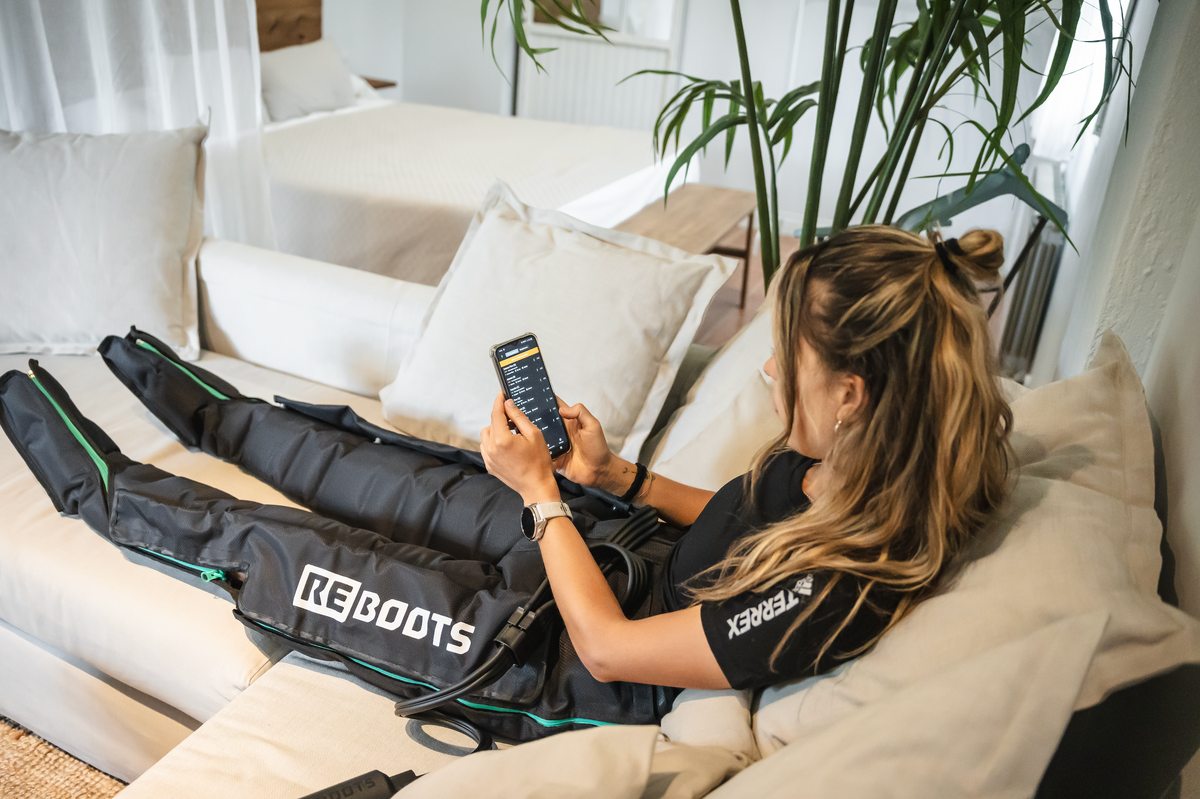
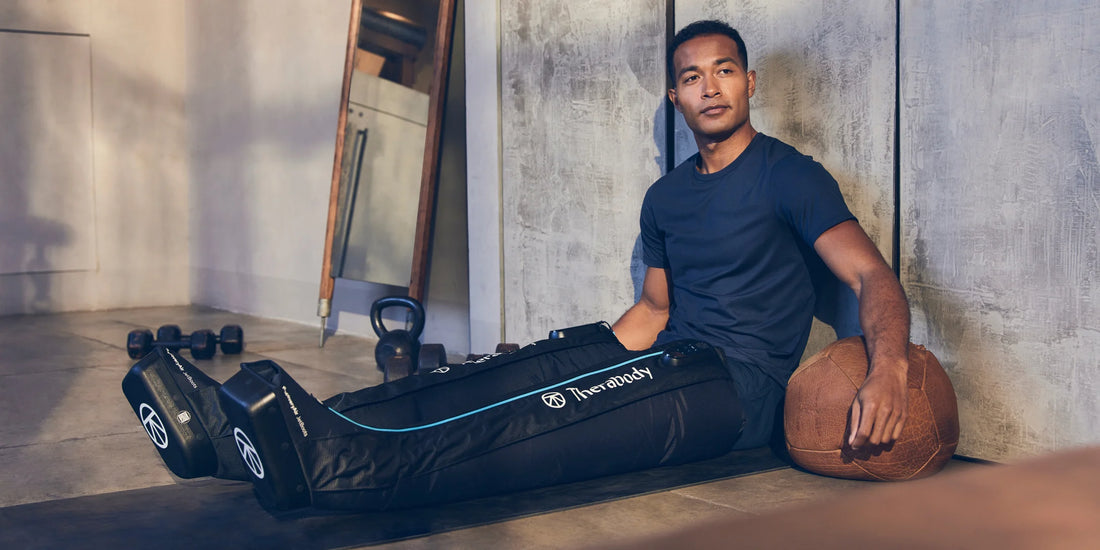
Recovery boots, also known as compression boots or pneumatic compression devices, are wearable devices that use air pressure to squeeze your legs in a rhythmic pattern. These boots usually have multiple chambers that fill and deflate with air. This action moves from your feet up toward your hips, helping to push blood and fluids back to your heart.

36% off Today’s Exclusive Deals
Limited-time Exclusive Deals. Check current discount on Amazon.
Check Price on Amazon As an Amazon Associate I earn from qualifying purchases.The main benefits people seek from recovery boots are:
- Reduced muscle soreness after exercise
- Faster recovery between workouts
- Improved circulation
- Decreased swelling in the legs
Most recovery boots are controlled by a small machine where you can set the pressure, cycle time, and sometimes the pattern of compression. Brands like Normatec, Rapid Reboot, and Air Relax are popular. While these devices were first used in medical settings for people with poor circulation, they are now common among athletes and fitness fans.
Why Does Frequency Matter?
You might think, “More is better. ” But using recovery boots too often or not enough can affect your results. If you use them rarely, you may not notice much benefit. If you use them too much, you might waste time or even slow your body’s natural recovery.
The key is to find a balance. Different people need different frequencies. For example, a professional runner training twice a day will need a different routine than a person who goes to the gym three times a week.
Important insight: Most people do not realize that your own recovery needs change over time. As your training load increases or decreases, the ideal use of recovery boots will also change. Listening to your body is just as important as following a schedule.
Factors That Affect How Often You Should Use Recovery Boots
Many things impact the right frequency for using recovery boots. Before creating a routine, consider these:
1. Your Activity Level
- Elite athletes often use recovery boots daily, sometimes more than once per day, especially during heavy training periods.
- Regular gym users or weekend warriors may only need them after tough sessions or competitions.
- People with low activity (sedentary lifestyle) may benefit from using them a few times per week, especially if they have swelling or sit for long periods.
2. Type And Intensity Of Exercise
- High-intensity sports (like running, cycling, CrossFit) create more muscle breakdown and soreness. More frequent use may help.
- Low-intensity activities (like yoga or walking) require less frequent use, unless you feel sore or swollen.
3. Your Recovery Goals
- Reducing soreness: Use after hard workouts or races.
- Improving performance: Use before and after training to keep your legs fresh.
- Injury recovery: Follow your doctor’s advice, but sometimes daily use is recommended.
4. Personal Health Conditions
- People with poor circulation or chronic swelling may need to use recovery boots more often, but always under medical supervision.
- If you have heart problems, blood clots, or other conditions, consult a doctor before using.
5. Product Features
- Some boots offer more intense compression, longer cycles, or extra massage features. These may change how often you need to use them.
Non-obvious insight: Not all recovery boots are the same. The pressure settings, chamber design, and fit can make a big difference in your experience and results.
How Often Should Beginners Use Recovery Boots?
For those new to recovery boots, start slow. Your body needs to adjust to the new sensation and pressure.
- Start with 2-3 sessions per week.
- Each session should last 15-30 minutes.
- Focus on days after your hardest workouts.
- Pay attention to how your legs feel the next day. If you feel fresh and not sore, you are on the right track.
Practical tip: Never use the highest pressure settings right away. Start with a medium or low setting until your body gets used to the boots. Too much pressure can cause discomfort or even bruising.
How Often Should Athletes And Active People Use Recovery Boots?
If you are training hard—running, lifting, or doing sports 5-7 days a week—you can use recovery boots more often.
- 3-7 sessions per week is common.
- Some athletes use them daily, especially during high-volume training or competition periods.
- For two-a-day workouts, you can use them after each session, but keep total daily time under 60 minutes unless advised by a professional.
Example: A marathon runner might use recovery boots for 30 minutes after a long run, and again for 20 minutes after a gym session later in the week.
Non-obvious insight: Using recovery boots before exercise can sometimes help if your legs feel heavy or swollen. Many people only use them after exercise, but pre-exercise use can improve comfort and blood flow.
Recovery Boots For Injury And Rehabilitation
If you are recovering from an injury or surgery, recovery boots can help reduce swelling and speed up healing. However, your frequency should be guided by a healthcare provider.
- Daily use is often recommended in the early stages of recovery (for example, after knee surgery or ankle sprain).
- Sessions can last 20-30 minutes, 1-2 times per day.
- Always check with your doctor or physical therapist before starting.
Key point: Never use recovery boots over open wounds, fresh stitches, or areas with deep vein thrombosis (DVT), unless your doctor says it is safe.
Using Recovery Boots For Travel Or Sedentary Lifestyles
People who travel a lot or spend long hours sitting can get swollen legs and feet. Recovery boots can help with circulation and reduce discomfort.
- 2-4 sessions per week is usually enough.
- Use them after long flights, car rides, or when you notice swelling.
- Even a quick 15-minute session can make a difference.
Practical advice: If you know you will be sitting for many hours, use the boots before and after your trip for the best results.
How Long Should Each Session Last?
Session length matters just as much as frequency. Most experts recommend:
- 15-30 minutes per session for most people.
- Up to 60 minutes for advanced users or during heavy training.
- Shorter sessions (10-15 minutes) still provide some benefit, especially if you are short on time.
Using recovery boots for longer than an hour at a time is usually not necessary and may not give extra benefit. Always follow the instructions from your boot manufacturer.
Can You Use Recovery Boots Too Often?
While recovery boots are generally safe, more is not always better. Overuse can sometimes lead to:
- Mild numbness or tingling if used for too long or at high pressure
- Skin irritation or bruising if you have sensitive skin
- Reduced natural recovery if you become too dependent on the boots and skip other recovery methods (like stretching or sleep)
Non-obvious insight: If you notice that your legs feel heavy, tired, or you have lasting numbness after using the boots, it’s a sign you may be overdoing it. Take a break for a few days and adjust your routine.
Ideal Weekly Schedules For Different Users
To help you visualize, here are example schedules for different types of users.
Example 1: Recreational Runner (3-4 Workouts Per Week)
- Monday: Rest day, no boots
- Tuesday: Hard run, boots for 20 minutes after workout
- Wednesday: Easy run, no boots
- Thursday: Interval workout, boots for 25 minutes after workout
- Friday: Rest or cross-training, boots optional (if sore)
- Saturday: Long run, boots for 30 minutes after run
- Sunday: Rest, boots optional (if needed)
Total: 2-4 Sessions Per Week
Example 2: Competitive Athlete (daily Workouts)
- Monday-Saturday: Boots after each workout, 20-30 minutes
- Sunday: Boots for 30 minutes for general recovery
Total: 6-7 Sessions Per Week
Example 3: Injury Recovery
- Every day: Boots for 20-30 minutes, morning and evening (if advised by doctor)
- Adjust as you heal: Reduce frequency when swelling decreases
Total: 7-14 Sessions Per Week (if Cleared By Doctor)
Comparing Frequency By Activity Level
Here’s a side-by-side comparison for quick reference:
| Activity Level | Recommended Frequency | Session Length |
|---|---|---|
| Beginner (light exercise) | 2-3 times per week | 15-30 minutes |
| Active/Athlete | 3-7 times per week | 20-30 minutes |
| Injury Recovery | 1-2 times per day | 20-30 minutes |
| Sedentary/Travel | 2-4 times per week | 15-30 minutes |
What Does Science Say About Frequency?
Scientific studies on recovery boots (also called intermittent pneumatic compression) show mixed results, but there are some clear findings:
- A study in the Journal of Strength and Conditioning Research found that using recovery boots for 30 minutes after intense exercise reduced muscle soreness and improved feelings of recovery the next day.
- The British Journal of Sports Medicine published a review showing that compression devices can help reduce swelling and speed up recovery, especially when used soon after exercise.
- Most studies use 20-30 minute sessions, with frequency from daily to a few times per week.
Not-so-obvious insight: Many studies focus on short-term effects (24-48 hours). Long-term benefits of daily use versus less frequent use are still being researched. Listening to your own body remains important.
How To Know If You’re Using Recovery Boots Too Much Or Too Little
Paying attention to your body gives you the best clues. Signs you are using recovery boots the right amount:
- Less muscle soreness after workouts
- Legs feel lighter and more refreshed
- No skin irritation or numbness
Signs you may be overusing:
- Persistent numbness or tingling in the legs
- Bruising or skin irritation
- Reduced effect over time (legs feel the same before and after sessions)
Signs you may need to use them more:
- Soreness lasts more than 2-3 days after workouts
- Swelling does not go down with current routine
- You feel slow or heavy during exercise
How Recovery Boots Fit With Other Recovery Methods
Recovery boots are just one tool. They work best when combined with other recovery strategies:
- Good sleep (7-9 hours per night)
- Proper nutrition (enough protein, carbs, and fluids)
- Active recovery (easy walking, stretching, yoga)
- Massage or foam rolling
Practical tip: Do not use recovery boots as a replacement for rest, good sleep, or healthy eating. They are most effective as part of a balanced recovery plan.
Recovery Boot Features That Affect Frequency
Not all recovery boots are the same. Some features can change how often you need or want to use them.
| Feature | Effect on Frequency | Who Benefits Most |
|---|---|---|
| Number of Chambers | More chambers = more even compression, may allow longer or more frequent use | Advanced athletes |
| Adjustable Pressure | Lower pressure for gentle sessions, higher for deep recovery | Beginners and people with sensitive legs |
| Cycle Patterns | Custom patterns may improve comfort and effectiveness | People with specific recovery needs |
| Portability | Lightweight boots can be used more often (travel, work) | Busy professionals, travelers |
Non-obvious insight: If you share recovery boots with others (family, teammates), you may need to clean them more often. Skin irritation can be avoided with regular cleaning and using clean clothing under the boots.
Mistakes To Avoid When Using Recovery Boots
- Setting pressure too high: More pressure is not always better. It can cause pain or bruising.
- Using only after workouts: Try using before exercise if your legs feel tired.
- Ignoring rest days: Your body still needs complete rest.
- Skipping medical advice: If you have circulatory problems or injuries, always check with a healthcare provider.
- Not tracking results: Keep a simple log of your sessions and how you feel. Adjust frequency based on real results.
Personalizing Your Recovery Boot Routine
No two bodies are the same. Here’s how to build a routine that works for you:
- Start with the lowest recommended frequency for your activity level.
- Adjust session length and pressure based on comfort and results.
- Increase frequency during hard training periods, decrease during rest weeks.
- If you get sore or swollen easily, add a session.
- If you feel no difference after several weeks, try changing frequency or combining with other recovery tools.
When To Avoid Recovery Boots
There are times when you should not use recovery boots:
- If you have deep vein thrombosis (DVT), untreated blood clots, or vascular disease
- Over open wounds or fresh stitches
- If you feel severe pain or numbness during use
- Without medical advice if you have heart or circulation problems
If you are unsure, always check with your doctor.
Real-world Example: How A Triathlete Uses Recovery Boots
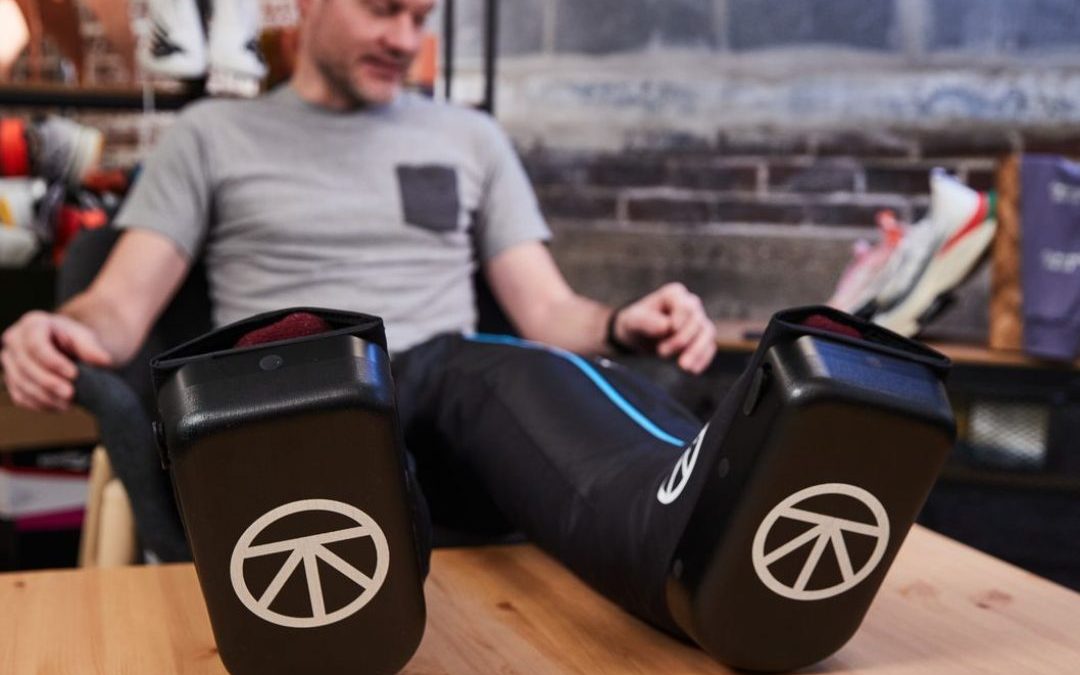
Sarah, a competitive triathlete, trains 12-15 hours per week. She uses recovery boots after her hardest sessions:
- After long bike rides (2 hours+): 30 minutes at medium pressure
- After brick workouts (bike + run): 25 minutes at low pressure
- Before race day: 15 minutes at low pressure to reduce swelling
She skips the boots on her rest day and tracks her muscle soreness with a simple journal. Over time, she adjusted her routine based on how she felt and her race schedule.
Key takeaway: Successful athletes use recovery boots as part of a smart, flexible plan—not as their only recovery method.
Frequently Asked Questions
How Soon After Exercise Should I Use Recovery Boots?
For best results, use recovery boots within 1-2 hours after your workout. This helps reduce swelling and improves blood flow when your muscles need it most. However, using them later in the day can still give benefits.
Can I Use Recovery Boots Every Day?
Yes, daily use is safe for most people, especially athletes or those with high training loads. However, listen to your body. If you notice discomfort, take rest days and lower the pressure or session time.
Do Recovery Boots Replace Stretching Or Massage?
No, recovery boots are one part of a full recovery plan. Stretching, massage, good sleep, and nutrition are still important. Recovery boots can help, but they work best with other methods.
Are Recovery Boots Safe For People With Health Problems?
Recovery boots are not safe for everyone. People with blood clots, vascular disease, or recent surgery should talk to a doctor before use. Always follow medical advice.
Which Brands Of Recovery Boots Are Best?
Popular brands include Normatec, Rapid Reboot, and Air Relax. Each has different features and price points. For a detailed comparison, see this Healthline guide.
—
Recovery boots can be a powerful tool for better performance and faster recovery, but the right frequency depends on your activity, body, and goals. Start slow, adjust based on your results, and use them alongside other smart recovery methods. With the right approach, you can keep your legs feeling fresh and ready—whatever your fitness journey.

