

Many people today are looking for ways to recover faster after exercise, training, or long periods of standing. Recovery boots are quickly becoming popular among athletes, fitness fans, and even people who work on their feet all day. But what exactly are the benefits of these devices, and do they really work?
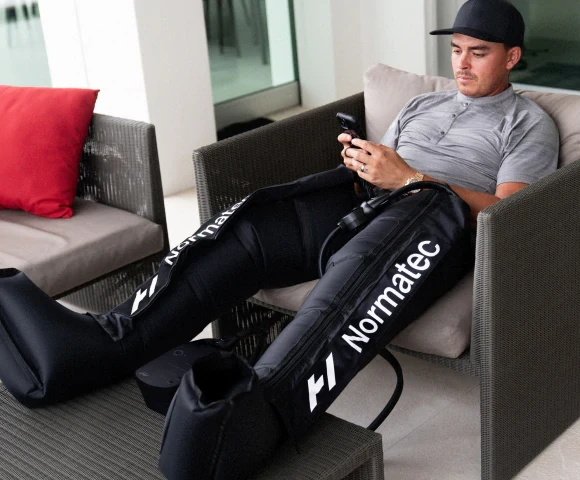
Recovery boots use air compression to gently squeeze and release your legs. This process is called dynamic compression. The boots look a bit like space suits for your legs, but their design is based on solid science. They help your body by supporting blood flow, reducing swelling, and speeding up muscle repair. Some people think recovery boots are only for top athletes, but in reality, almost anyone can use them for better health and comfort.

36% off Today’s Exclusive Deals
Limited-time Exclusive Deals. Check current discount on Amazon.
Check Price on Amazon As an Amazon Associate I earn from qualifying purchases.In this article, you’ll find everything you need to know about the benefits of recovery boots. We’ll cover how they work, who can benefit, the science behind their effects, and even the small details that many people miss. If you’re curious about whether recovery boots are right for you, keep reading to get the full picture.
Understanding How Recovery Boots Work
Recovery boots use sequential air compression. You put your legs inside the boots, zip them up, and connect them to a small pump. When you turn them on, the boots fill with air in different chambers, starting at your feet and moving up your leg. This squeezes your muscles in a gentle, rhythmic way.
This process is sometimes called pneumatic compression therapy. It’s similar to the pressure you feel during a good massage. The goal is to move extra fluid, waste products, and lactic acid out of your muscles and back into your blood system. That helps your body clear out the things that make your legs feel tired or sore.
Many recovery boots allow you to change the pressure, speed, and session length, so you can adjust how they feel. Sessions usually last between 15 and 30 minutes.
Faster Muscle Recovery
One of the main reasons people use recovery boots is to speed up muscle recovery after exercise. When you work out hard, small tears form in your muscle fibers. Your body needs time to repair these tears, but the process can cause soreness and stiffness.
Recovery boots help by increasing blood flow to your legs. More blood means more oxygen and nutrients reach your muscles. At the same time, the gentle pressure helps push out waste products, like lactic acid and carbon dioxide, which can build up during exercise.
Some studies show that athletes who use compression therapy recover faster and feel less sore. For example, a study in the Journal of Strength and Conditioning Research found that athletes who used pneumatic compression had less muscle pain and performed better on later workouts.
One non-obvious insight is that the timing of your session matters. Using recovery boots soon after your workout can give you better results than waiting several hours. The reason is simple: your body starts repairing itself right away, so helping the process early makes a bigger difference.
Reducing Swelling And Inflammation
Intense exercise, long walks, or standing for many hours can cause swelling in the legs. This swelling, called edema, happens because fluid gets trapped in your lower body. Recovery boots help move this extra fluid back into your bloodstream, where your kidneys can remove it.
The boots use a process called lymphatic drainage. Your lymphatic system is like your body’s cleaning crew—it removes waste, toxins, and extra fluid. Compression boots gently push fluid toward your upper body, helping your lymphatic system work more efficiently.
Many people notice that their legs feel lighter and less puffy after just one session. This benefit is not only for athletes—nurses, teachers, and anyone who stands for long periods can use recovery boots to reduce swelling and feel more comfortable.
A detail many people miss: recovery boots also help with micro-inflammation you might not feel right away. Tiny injuries from daily life, not just sports, can add up over time. Regular use can help your body stay ahead of these small problems.
Improving Circulation
Healthy blood flow is key for muscle recovery, heart health, and energy levels. Recovery boots are designed to support venous return—the process where blood travels from your legs back to your heart.
When you sit or stand for a long time, blood can pool in your lower legs. This makes your legs feel heavy or tired and can even increase the risk of blood clots. Recovery boots gently squeeze your legs in a way that mimics walking, helping blood flow upward.
| Activity | Venous Return (ml/min) | Effect with Recovery Boots |
|---|---|---|
| Resting | 120 | Normal |
| Walking | 350 | Boosted |
| Recovery Boots | 320 | Boosted |
As shown above, using recovery boots can increase venous return almost as much as walking. This is useful for people who can’t be active due to injury or illness.
Another benefit is that better circulation means faster healing. Your body delivers nutrients and removes waste more quickly, so you recover from injuries faster and feel less tired.
Decreasing Muscle Soreness
Many people use recovery boots to fight delayed onset muscle soreness (DOMS). DOMS usually happens 24–48 hours after hard exercise. It makes your muscles feel stiff, tender, and weak.
Compression from recovery boots increases blood flow and helps remove the substances that cause soreness. In many cases, people report less pain after using the boots, especially after long runs, intense cycling, or weightlifting.
A 2020 study published in the International Journal of Sports Physical Therapy found that athletes who used pneumatic compression after hard workouts had lower soreness scores compared to those who didn’t.
Here’s something most beginners don’t realize: the intensity of the compression session matters. Too much pressure can actually make soreness worse, while too little may not help much. Most experts recommend starting with a moderate setting and adjusting based on your comfort.
Supporting Athletic Performance
Athletes are always searching for ways to improve performance. Recovery boots can help in two ways: by speeding up recovery, and by preparing the muscles before a workout or competition.
Some athletes use recovery boots before exercise to warm up their legs. The gentle pressure increases blood flow, which can make muscles feel loose and ready to move. This is especially helpful in cold weather or early mornings when your muscles are stiff.
After exercise, recovery boots help clear out waste and reduce fatigue, so you can train harder and more often. Over time, this can lead to better strength, endurance, and results.
| Training Phase | Boots Used | Reported Recovery Time |
|---|---|---|
| Without Boots | No | 48 hours |
| With Boots | Yes | 24–32 hours |
The table above shows how recovery boots can cut recovery time nearly in half for some athletes, allowing them to train more often.
Non-obvious tip: using boots between events on the same day (for example, at a sports tournament) can help you perform better in the next round. Many professionals use this strategy.

Lowering Risk Of Injury
Frequent training without enough recovery can lead to overuse injuries like shin splints, tendonitis, or muscle strains. Recovery boots help by reducing the load on tired muscles and allowing the body to heal faster.
One key benefit is the support for tendon and ligament health. By improving circulation and reducing swelling, recovery boots help these important tissues get the nutrients they need. Healthy tendons and ligaments are less likely to get injured during sudden movements or heavy lifts.
People recovering from injury can also use recovery boots to stay active without putting stress on their legs. The boots offer passive recovery, which means you get the benefits of increased blood flow without moving your muscles.
A small but important detail: regular use of recovery boots can help you spot small problems early. If a certain area always feels tight or sore during a session, it may be a sign to rest more or see a doctor.
Helping With Chronic Conditions
Recovery boots are not just for athletes. People with certain health problems can also benefit. For example, people with poor circulation, varicose veins, or lymphedema (chronic leg swelling) often see improvement with pneumatic compression.
Doctors sometimes use similar devices in hospitals to prevent blood clots after surgery. At home, recovery boots can make daily life more comfortable for people with:
- Diabetes (helps with circulation)
- Chronic venous insufficiency
- Post-surgery recovery
- Peripheral artery disease (with doctor’s advice)
It’s important to talk to a healthcare professional before using recovery boots if you have a medical condition. In some cases, extra pressure could cause problems.
One overlooked advantage: people with chronic pain often sleep better after using recovery boots. The session calms the nerves in your legs, making it easier to relax and rest.
Increasing Relaxation And Well-being
Besides the physical benefits, many users say that recovery boots help them feel more relaxed and less stressed. The gentle, rhythmic squeezing is similar to a massage and can help calm your mind.
Many people use their boot sessions as a chance to unwind, meditate, or listen to music. The experience can reduce anxiety and help you recover mentally as well as physically.
There is also a release of endorphins, the “feel-good” chemicals in your body, after using recovery boots. This can improve your mood and even reduce feelings of depression or anxiety for some people.
Here’s a tip: regular use can help you develop a healthy routine, giving you a set time each day to relax and focus on your well-being.
Supporting Recovery For Older Adults
As people age, circulation slows down and muscles take longer to recover. Recovery boots are an easy way for older adults to support their leg health without having to do intense exercise.
Older adults who use recovery boots often report:
- Less swelling after walking or standing
- Fewer leg cramps at night
- Improved walking comfort
- Better sleep quality
Compression therapy can also help prevent problems like deep vein thrombosis (DVT), which is more common in older people. However, it’s important to use the correct settings and check with a doctor first.
A non-obvious advantage: using recovery boots can help older adults stay active longer by making movement less painful and more enjoyable.
Saving Time Compared To Other Recovery Methods
Traditional recovery methods like stretching, ice baths, or massage take time and planning. Recovery boots are simple to use and fit easily into a busy schedule.
You can use them while reading, watching TV, or working at your desk. A full session usually takes 15–30 minutes, and the boots do all the work. This makes it easier to stick with a regular recovery routine.
| Recovery Method | Average Session Time | Setup Required |
|---|---|---|
| Recovery Boots | 20 min | Minimal |
| Massage | 60 min | Appointment |
| Ice Bath | 15 min | High |
| Stretching | 20 min | None |
The chart shows that recovery boots offer a good balance of time and convenience compared to other methods.
Easy To Use At Home
One of the best things about recovery boots is their ease of use. You don’t need any special training or a therapist to help you. Most boots come with clear instructions, and you can start a session with just the push of a button.
Home use means you can recover after a workout, a long day, or even in the morning before starting your activities. This flexibility makes it much easier to stick to a healthy recovery routine.
Another useful detail: many modern recovery boots are portable and lightweight, so you can take them to the gym, the office, or even on vacation.
Supporting Other Health And Fitness Goals
Recovery boots can support a wide range of goals, including:
- Weight loss (by making it easier to exercise more often)
- Improved sleep (by reducing pain and tension)
- Better mental focus (by lowering stress and fatigue)
- Injury prevention
They can also help people starting new exercise routines avoid the discouragement that comes from soreness and slow recovery. This makes it easier to stick with your plan and see results.
A non-obvious insight: consistent use builds better habits. When recovery feels good and fits easily into your life, you’re more likely to keep moving toward your goals.
Choosing The Right Recovery Boots
Not all recovery boots are the same. Here are some things to consider:
- Pressure range: Make sure the boots offer enough power to be effective, but not so much that it feels uncomfortable.
- Number of chambers: More chambers usually mean a more comfortable, effective massage.
- Size and fit: Boots should cover your legs fully and fit snugly without being too tight.
- Noise level: Some pumps are louder than others—important if you want to relax.
- Portability: If you want to use your boots outside the home, look for lightweight, easy-to-carry models.
- Controls and programs: Some boots offer different modes for warm-up, recovery, or relaxation.
Most people do best with boots that have adjustable pressure and several chambers. Avoid the mistake of buying based only on price—comfort and effectiveness matter most.
If you want to compare features of top brands, visit the official websites or trusted review sources like Runner’s World.
Common Mistakes To Avoid
Even though recovery boots are easy to use, there are some mistakes to watch out for:
- Using too much pressure: This can cause pain or even bruising. Start low and increase slowly.
- Using on broken skin or open wounds: Compression can make these worse.
- Ignoring discomfort: If you feel numbness, tingling, or pain, stop right away.
- Skipping other recovery methods: Boots are helpful, but stretching, rest, and good nutrition are still important.
- Not cleaning boots regularly: Sweat and bacteria can build up, so wipe them down after each use.
A good practice: listen to your body. If recovery boots make you feel better, keep using them. If you notice any problems, take a break and check with a professional.
Who Should Not Use Recovery Boots?
While recovery boots are safe for most people, some should avoid them or talk to a doctor first. These include:
- People with deep vein thrombosis (DVT)
- Those with severe arterial disease
- People with severe varicose veins or active skin infections
- Anyone with recent surgery on their legs
- Pregnant women (unless approved by a doctor)
Safety is always first. If you have any questions, ask a healthcare provider before starting.
Frequently Asked Questions
How Often Should I Use Recovery Boots?
Most people can use recovery boots 3–5 times a week, or even daily for heavy training periods. Sessions usually last 15–30 minutes. Always listen to your body and adjust as needed.
Are Recovery Boots Only For Athletes?
No, recovery boots are for anyone who wants better leg health, faster recovery, or less swelling. People with active jobs, chronic conditions, or even older adults can all benefit.
Can I Use Recovery Boots With Other Recovery Methods?
Yes. Recovery boots work well with stretching, massage, ice baths, and good nutrition. They are a great addition to a full recovery plan.
Do Recovery Boots Help With Weight Loss?
They can help you recover faster, which makes it easier to exercise more often. This can support weight loss, but the boots themselves do not burn fat directly.
Is There Scientific Evidence That Recovery Boots Work?
Yes, several studies support the benefits of pneumatic compression for faster recovery, less soreness, and better circulation. For more details, see research in sports medicine or reputable sources like Runner’s World.
Recovery boots are more than just a trend. They offer real, science-backed benefits for muscle recovery, swelling, performance, and overall well-being. Whether you’re an athlete, a busy worker, or someone looking for better health, these devices can make a noticeable difference in how you feel and move every day.
As always, use them wisely and enjoy the recovery you deserve.

