

Many athletes and fitness lovers now use recovery boots to help their muscles recover after exercise. These boots use air pressure to massage your legs, reduce swelling, and help you feel better faster. But one question confuses many people: How long should you use recovery boots? There are many opinions, and the “right” answer depends on your body, your training, and your goals. If you use them too little, you may not get the full benefits. Use them too long, and you might waste time or even feel discomfort.
This article will answer everything you need to know about recovery boot session length. You’ll learn how long to use them, how often, and what science says. We’ll look at the differences between a short and a long session, how top athletes use them, and what mistakes to avoid.

36% off Today’s Exclusive Deals
Limited-time Exclusive Deals. Check current discount on Amazon.
Check Price on Amazon As an Amazon Associate I earn from qualifying purchases.If you want to recover smarter and make the most of your recovery boots, keep reading.
What Are Recovery Boots?
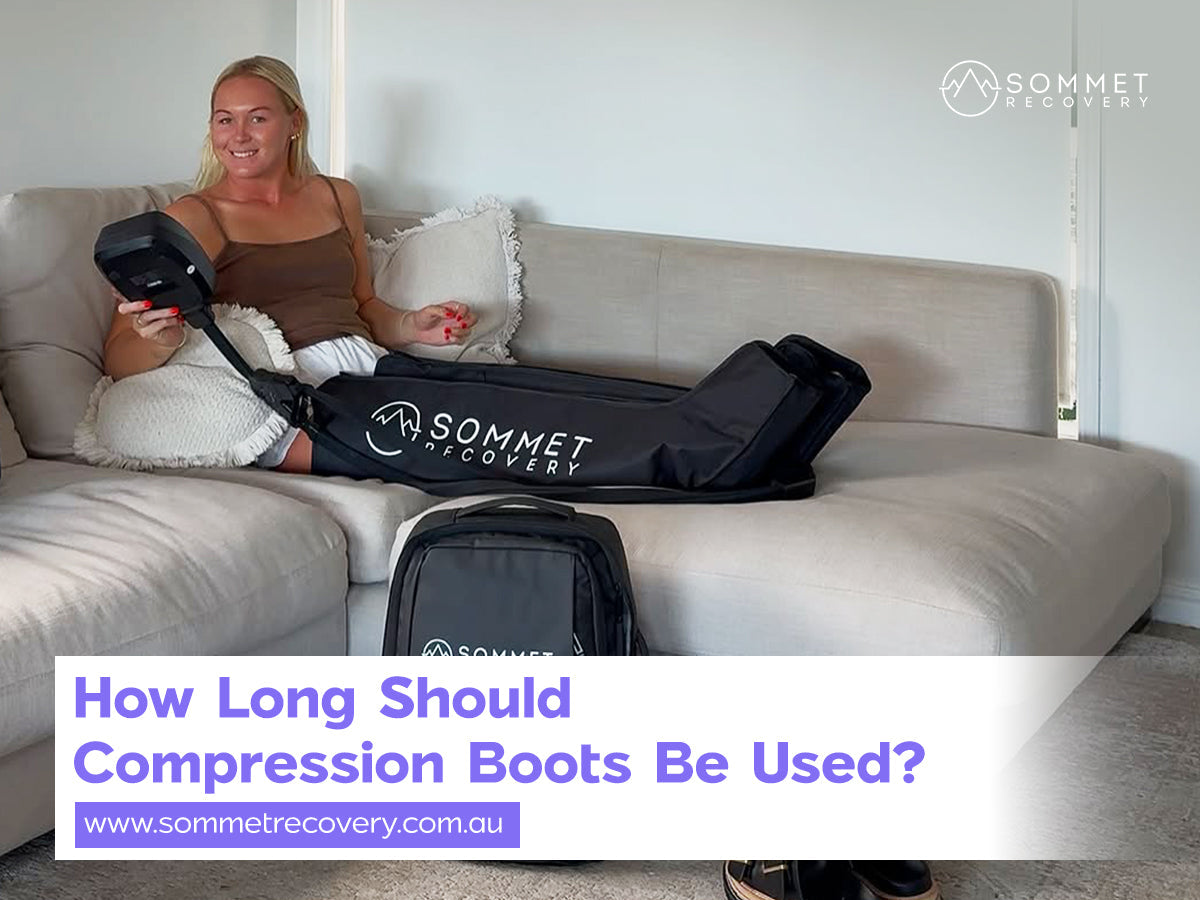
Recovery boots are special devices that fit over your legs like big sleeves. They use compression therapy by filling with air and squeezing your muscles in a controlled way. This process is called intermittent pneumatic compression.
Why do people use them? When you exercise, your muscles get small tears and build up waste products like lactic acid. This can cause soreness, swelling, and tiredness. Recovery boots help move blood and fluids out of your legs, clear these waste products, and bring in fresh oxygen. Many people say their legs feel lighter, less sore, and ready to move again after a session.
Common brands include NormaTec, Air Relax, and Rapid Reboot. These boots are popular with runners, cyclists, basketball players, and anyone who trains hard.
How Recovery Boots Work
Understanding how these boots work makes it easier to see why timing matters. The boots have several chambers that fill with air, one after the other, starting near your feet and moving up your leg. This creates a wave-like massage. The main effects are:
- Increase blood flow: More blood reaches tired muscles.
- Reduce swelling: Extra fluid is pushed back toward your heart.
- Speed up waste removal: Lactic acid and other byproducts leave faster.
- Decrease muscle soreness: Many people report less pain after using the boots.
The length of your session affects how much these benefits help you. Too short, and you might not get the full effect. Too long, and your legs might feel numb or uncomfortable.

Recommended Session Lengths: What Science And Experts Say
There’s no single answer for how long you should use recovery boots. Studies, brands, and trainers offer guidelines based on experience and research. Here’s what you need to know.
General Guidelines
Most experts and manufacturers suggest using recovery boots for 15 to 30 minutes per session. This time is enough for your blood to circulate and for the boots to complete several full cycles. For example:
- NormaTec recommends 20–30 minutes for most users.
- Rapid Reboot suggests 10–30 minutes, depending on your needs.
Some people use them for up to 60 minutes, but that is usually for very serious athletes or after very hard workouts.
Evidence From Studies
Research supports these recommendations. In a study published in the *Journal of Strength and Conditioning Research*, athletes who used compression boots for 20–30 minutes after exercise had less soreness and faster recovery. Using them for less than 10 minutes showed little effect.
In another research paper, using the boots for longer than 60 minutes did not add extra benefits and sometimes led to tingling or numbness.
What Influences The Right Session Length?
- Intensity of your workout: Harder workouts (like a long run or heavy gym session) may need longer sessions (25–30 minutes).
- Your body type and size: Larger people may need a bit more time for the boots to work on their whole leg.
- Compression level: Higher pressure settings may not need as long as lower ones.
- Experience: Beginners should start with shorter times (15–20 minutes) to see how their body reacts.
How Often Should You Use Recovery Boots?
Frequency is just as important as session length. Using recovery boots too often can be a waste of time, while too little might not give you results.
- After every hard workout: Most athletes use them after big training sessions, races, or heavy gym days.
- Once per day: For regular users, one session per day is enough.
- Rest days: Some people use them on rest days to help with general soreness or swelling.
More than twice per day is usually not necessary and may cause discomfort or numbness.
Short Vs. Long Sessions: Which Is Better?
Many users wonder if a quick 10-minute session is enough or if they should go for a full hour. Here’s a comparison to help you choose:
| Session Length | Best For | Benefits | Risks/Downsides |
|---|---|---|---|
| 10-15 minutes | Light recovery, beginners, daily use | Quick boost, mild soreness relief | May not be enough after tough workouts |
| 20-30 minutes | Typical athletes, moderate–hard training | Full cycle, strong relief, faster recovery | Time commitment |
| 45-60 minutes | Elite athletes, extreme soreness/swelling | Deep recovery, post-event relief | Numbness, discomfort, wasted time if not needed |
Most people get the best results with 20–30 minutes per session.
Factors That Affect Your Ideal Recovery Boot Time
Finding your ideal session length is personal. Several factors make a difference:
1. Your Training Level
- Beginners: Start with 15–20 minutes to see how your body reacts.
- Experienced athletes: 20–30 minutes is common, especially after hard sessions.
- Elite athletes: May use longer sessions or more frequent use during heavy training blocks.
2. Type Of Activity
- Endurance sports (running, cycling): May need longer sessions to help with heavy leg fatigue.
- Strength sports (weightlifting): Focus on legs and hips, 20–30 minutes works well.
- Team sports (soccer, basketball): Use after games or tough practices for 20–30 minutes.
3. Compression Pressure
Most boots have adjustable pressure levels (measured in mmHg). Higher pressure moves more fluid but can feel intense. With higher pressure, shorter sessions are usually enough.
| Pressure Level | Recommended Session Length | Notes |
|---|---|---|
| Low (40–70 mmHg) | 25–30 minutes | Gentle, good for beginners |
| Medium (80–120 mmHg) | 20–30 minutes | Standard for most users |
| High (130–160 mmHg) | 10–20 minutes | Use with care, check comfort |
4. Your Body’s Response
Listen to your body. If you feel numbness, tingling, or pain, your session is too long or the pressure is too high. If you feel no difference after several sessions, try a bit longer.
5. Your Recovery Goals
- Quick recovery for daily training: Shorter, regular sessions.
- Major event recovery (marathon, race): One or two long sessions (30–45 minutes) in the first 24 hours.

When To Use Recovery Boots
Timing your recovery boot session can make a difference in your results. The best moments are:
- Immediately after exercise: Most effective when blood is still circulating and muscles are warm.
- A few hours after: Still helpful, especially if you were busy or traveling after your workout.
- Before bed: Helps reduce swelling and soreness overnight.
Using boots before exercise is not common and usually not needed unless you have special advice from a coach or doctor.
Common Mistakes When Using Recovery Boots
Many beginners make simple mistakes that lower the benefits or even cause problems. Here are the top mistakes and how to avoid them:
1. Using Them Too Long
Many think “more is better,” but using recovery boots for more than an hour rarely helps. It can cause numbness or even bruising. Stick to 20–30 minutes unless a medical expert tells you otherwise.
2. Using High Pressure For Too Long
High pressure settings push more fluid but can damage small blood vessels if used too long. If you like high compression, shorten your session.
3. Ignoring Discomfort
If you feel pain, tingling, or numbness, stop right away. Recovery boots should not hurt. Adjust the pressure or take a break.
4. Not Drinking Enough Water
Compression moves fluids around your body. If you’re dehydrated, this can make you feel dizzy or lightheaded. Drink water before and after your session.
5. Using Boots Instead Of Rest
Recovery boots help, but nothing replaces good sleep, healthy food, and rest. Don’t skip your recovery basics.
6. Skipping On Rest Days
Some soreness or swelling is normal, even on rest days. A short session on your day off can help you feel better and move easier.
What Top Athletes And Coaches Recommend
Professional athletes often share their routines. Here’s how some of them use recovery boots:
- Eliud Kipchoge (marathon runner): Uses recovery boots for 20–30 minutes after long runs.
- NBA teams: Players use boots for 15–25 minutes in the locker room after games.
- Cycling teams: Sessions of 20–30 minutes after each stage of big races.
Trainers often say, “If you’re using them every day, keep it short. If you’re using them after a big event, go a bit longer. ”
Recovery Boots And Special Situations
Recovery boot use is not the same for everyone. Here are some special cases:
After Injury
If you have an injury, talk to your doctor before using recovery boots. Too much compression can slow healing or cause swelling to move to the wrong place.
Older Adults
Older people may have poor circulation. Short sessions (10–20 minutes) at low pressure are safest. Always check with a healthcare provider if you have heart or vein problems.
Medical Conditions
If you have deep vein thrombosis (DVT), blood clots, or serious heart problems, do not use recovery boots unless your doctor says it’s safe.
How To Get The Most Out Of Your Recovery Boot Sessions
You want maximum results for your time. Here’s how:
- Set the right pressure: Start low, and increase slowly if you need more.
- Pick the right time: Use them soon after training for best results.
- Stay hydrated: Drink water before and after.
- Relax: Sit or lie down, don’t walk around with the boots on.
- Combine with stretching: Stretch after your session to stay flexible.
- Track your sessions: Write down how long you used the boots and how you felt. Adjust if needed.
Comparing Recovery Boots To Other Recovery Methods
How do recovery boots compare to other popular recovery tools? Here’s a quick look:
| Method | Session Length | Main Benefit | Best For |
|---|---|---|---|
| Recovery Boots | 15–30 minutes | Moves fluids, reduces swelling | Leg muscle recovery |
| Foam Rolling | 10–20 minutes | Breaks up tight spots, increases mobility | All muscle groups |
| Ice Bath | 5–15 minutes | Reduces inflammation, numbs pain | After very hard workouts |
| Massage | 30–60 minutes | Relaxes muscles, reduces stress | General recovery |
Recovery boots are easy to use and work well for the legs, but should be part of a bigger recovery plan.
Non-obvious Tips Most Beginners Miss
- Check your skin after each session. If you see any redness or bruising, you are using too much pressure or too long a session. Most people don’t check and keep making the same mistake.
- Don’t use recovery boots on open wounds or rashes. The pressure can make these worse or cause infection.
- Use different programs for different days. Many boots have settings for “flush,” “massage,” or “intense.” Mix them to avoid your body getting “used to” the same pattern.
- Keep your legs clean and dry. Sweat or lotion can cause skin irritation under the boots.
- Store your boots correctly. Don’t fold or crush the air tubes, or the pressure may not be even next time you use them.
Practical Example: Planning A Weekly Recovery Routine
Here’s how a typical athlete might use recovery boots in a training week:
- Monday (hard workout): 25 minutes, medium pressure, right after training.
- Wednesday (medium workout): 15 minutes, low pressure, in the evening.
- Friday (long run): 30 minutes, medium-high pressure, after lunch.
- Sunday (rest day): 10–15 minutes, low pressure, for light soreness.
This routine gives enough time for legs to recover without overusing the boots.
Safety And When To See A Doctor
Recovery boots are safe for most people, but always be careful. Stop using them and see a doctor if you notice:
- Pain, numbness, or tingling that doesn’t go away
- Swelling that gets worse after a session
- Skin changes (redness, bruising, rash)
- Shortness of breath, chest pain, or fainting
People with health problems should always check with their doctor before using recovery boots. For more details on safety, you can visit the Mayo Clinic’s page on compression therapy.
Frequently Asked Questions
How Long Should I Use Recovery Boots If I’m A Beginner?
Start with 15–20 minutes per session at a low pressure. See how your body feels, then slowly increase your session time as you get used to the boots.
Can I Use Recovery Boots Every Day?
Yes, you can use them daily, especially after hard workouts. Just keep each session to 20–30 minutes and don’t use them more than twice a day unless your coach or doctor says it’s okay.
What Happens If I Use Recovery Boots Too Long?
If you use recovery boots for too long, you might feel numbness, tingling, or discomfort. Rarely, you could get bruising. More time does not always mean better results.
Is It Better To Use Recovery Boots Before Or After Exercise?
Recovery boots are best used after exercise to help your muscles recover. Using them before exercise is not common and usually not necessary unless a medical expert suggests it.
Are There People Who Should Not Use Recovery Boots?
Yes, people with blood clots, DVT, serious heart problems, or certain leg injuries should not use recovery boots unless their doctor approves. Always check if you have a medical condition.
—
Choosing the right session length for recovery boots can make a big difference in how you feel and perform. Most people find 20–30 minutes after hard workouts works best. Always listen to your body, start slowly, and adjust as you go. Recovery boots are a great tool, but they work best as part of a full recovery plan that includes sleep, nutrition, and other methods. Use them wisely, and your legs will thank you.

