

Many homeowners choose AO Smith tankless water heaters for their energy savings and endless hot water. But when these units stop working, it can be frustrating. Often, the solution is simple. With a bit of guidance, you can solve many common problems yourself without calling a plumber.
This article will help you understand how AO Smith tankless water heaters work, why they sometimes fail, and how to fix the most common issues. You’ll learn step-by-step troubleshooting, get clear tables to compare error codes, and find practical advice for long-lasting performance.

36% off Today’s Exclusive Deals
Limited-time Exclusive Deals. Check current discount on Amazon.
Check Price on Amazon As an Amazon Associate I earn from qualifying purchases.Even if you’re not a technical person, you’ll finish reading with more confidence to handle your water heater.
How Ao Smith Tankless Water Heaters Work
Unlike traditional tanks, tankless water heaters heat water only when you need it. This means there’s no big storage tank holding hot water all day. When you turn on a hot water tap, cold water flows into the unit. A powerful gas burner or electric element heats the water quickly as it passes through. The result is a constant supply of hot water and lower energy bills.
AO Smith tankless models use advanced electronic controls. These controls monitor temperature, flow, and safety sensors. If the system detects a problem, it will display an error code on the control panel. Understanding these codes is the first step in troubleshooting.
Common Problems And Symptoms
Most AO Smith tankless water heater issues fall into a few main categories. Knowing the symptoms helps you diagnose the problem faster.
- No hot water at all: The unit does not turn on, or only cold water comes out.
- Water is not hot enough: The water is warm but not reaching the set temperature.
- Water heater shuts off during use: Hot water suddenly stops, often with an error code.
- Fluctuating water temperature: The hot water goes from hot to cold and back, often called a “cold water sandwich.”
- Error codes on display: A code like E1, E2, or 11 shows up, often with a beeping sound.
- Strange noises: Clicking, banging, or whistling sounds coming from the heater.
Some problems are easy to fix. Others need professional help. Let’s look at what you can do yourself.
Safety First: When To Call A Professional
Before you start troubleshooting, remember: Gas and electricity are dangerous. If you smell gas, see water leaking from the unit, or feel unsure, stop and call a licensed technician. Do not open the water heater’s cover unless you have turned off the power and gas supply.
Quick Troubleshooting Steps For Beginners
If your AO Smith tankless water heater is not working, try these basic steps first:
- Check the power: Make sure the unit is plugged in and the breaker is on.
- Inspect the gas supply: If you have a gas model, check that the gas valve is open.
- Look at the display: Note any error codes or warning lights.
- Reset the unit: Many problems clear after pressing the reset button or turning the unit off and on.
- Clean the air intake filter: A clogged filter can cause shutoffs.
If the problem continues, use the following sections to dig deeper.
Understanding Error Codes
AO Smith tankless water heaters have a digital display that shows error codes. Each code points to a different problem. Here’s a summary of the most common codes and their meanings:
| Error Code | Meaning | Possible Causes |
|---|---|---|
| 11 | Ignition failure | No gas, dirty igniter, or blocked vent |
| 12 | Flame failure | Gas supply issue, dirty burners |
| 29 | Heat exchanger overheating | Mineral buildup, poor water flow |
| 31 | Outlet temperature sensor error | Sensor wire loose or faulty |
| 61 | Fan motor failure | Fan blocked or motor issue |
| LC | Limescale buildup | Minerals in water, lack of maintenance |
If you see a different code, check your user manual or the official AO Smith website for details.
Step-by-step Troubleshooting For Common Issues
Let’s look at each major problem area and how to solve it.
No Hot Water At All
When your AO Smith tankless heater produces no hot water, focus on these causes:
- No power: Check the breaker or plug.
- No gas: For gas models, the gas valve may be closed.
- Error code: Note the code and check the table above.
- Frozen pipes: In winter, water lines can freeze, blocking flow.
Solution:
If you see an error code, follow its instructions. If there’s no code, reset the heater and check for power and gas. If you find frozen pipes, thaw them slowly with towels soaked in warm water (never use an open flame).
Water Not Hot Enough
If the water is warm but not as hot as you want:
- Temperature setting too low: Check and raise the set temperature, but do not exceed 120°F for safety.
- High water flow: Using many taps at once can lower temperature.
- Mineral buildup: Scale inside the heat exchanger reduces efficiency.
- Gas pressure too low: Can’t heat water fast enough.
Solution:
Turn off extra faucets. Clean the unit with a descaling kit if you have hard water. Ask a pro to check gas pressure if the problem continues.
Water Heater Shuts Off During Use
If hot water stops suddenly:
- Blocked vent or air intake: Heater shuts down for safety.
- Overheating: Scale or low flow triggers a shutdown.
- Error code: LC (limescale) or 29 (overheating) are common.
Solution:
Clean the air intake filter. Remove obstructions near the vent. Flush the unit with a vinegar solution to remove scale.
Fluctuating Water Temperature
Temperature swings often come from:
- Low water flow: Some units need a minimum flow to stay on.
- Mixing valves: If installed, they can cause brief cold bursts.
- Dirty flow sensor: Can’t detect flow correctly.
Solution:
Run hot water at one tap at a time. Clean the flow sensor per your manual. Adjust mixing valves if needed.
Error Codes On Display
Error codes give clues. For example:
- Code 11 or 12: Check for gas supply and clean igniter.
- Code LC: Flush the unit to remove scale.
- Code 31: Check the sensor wires.
Some codes clear after you fix the cause and reset the heater.
Strange Noises
Banging, whistling, or ticking sounds can come from:
- Scale buildup: Causes loud noises as water boils unevenly.
- Loose parts: Vibrate inside the unit.
- Gas pressure issues: Whistling sound from burners.
Solution:
Flush the heater to remove minerals. Tighten loose screws or panels. If noises remain, call a technician.

Maintenance Tips For Long-term Performance
Regular care prevents most AO Smith tankless water heater problems. Here’s what you should do:
- Flush the heater every 6–12 months if you have hard water. Use a descaling kit or white vinegar.
- Clean the air intake filter every few months. This prevents shutdowns and improves efficiency.
- Check venting regularly for obstructions like leaves or dust.
- Inspect water lines for leaks or corrosion.
- Test the temperature setting once a year. Keep it at 120°F for safety and energy savings.
- Schedule professional service every 2–3 years, especially for gas models.
Comparing Tankless Vs. Tank Water Heaters
Some homeowners wonder if tankless heaters are more trouble than traditional tanks. Here is a quick comparison:
| Feature | Tankless | Tank |
|---|---|---|
| Hot Water Supply | Endless (within flow rate) | Limited by tank size |
| Energy Efficiency | High (no standby loss) | Lower (constant reheating) |
| Maintenance Needs | Regular descaling | Less frequent |
| Lifespan | 20+ years | 8–12 years |
| Space Required | Small, wall-mounted | Large floor footprint |
Tankless units need regular flushing, but they last longer and save energy over time.
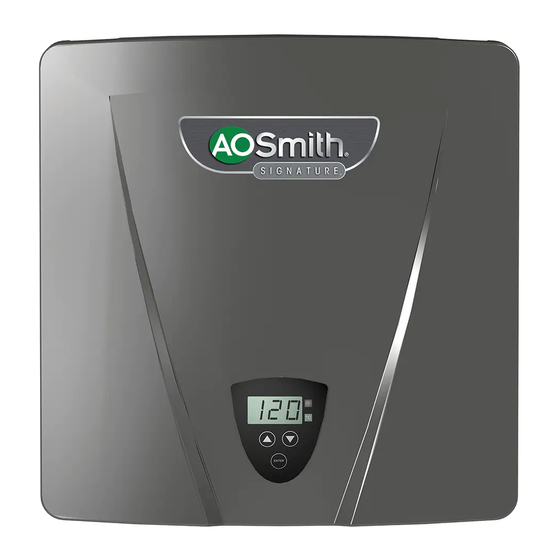
Key Parts Of Ao Smith Tankless Water Heaters
Understanding the main parts will help you troubleshoot more confidently:
- Heat exchanger: Where cold water is heated.
- Burner or heating element: Provides heat (gas or electric).
- Flow sensor: Detects when water is moving.
- Temperature sensors: Monitor the water temp.
- Control board: The “brain” that runs the heater.
- Vent system: Removes exhaust gases (gas models).
- Air filter: Keeps dust out of the system.
If any of these parts fail, you may see error codes or lose hot water.
Practical Examples: Fixing Two Common Problems
Let’s walk through two real-world fixes.
Example 1: Error Code 11 (ignition Failure)
A homeowner reports their AO Smith tankless unit shows code 11. They have no hot water.
Step 1: Check if the gas valve is open.
Step 2: Inspect the igniter for dust or soot. Clean gently with a soft brush.
Step 3: Check for blockages in the vent pipe.
Step 4: Reset the unit. If the code returns, call a pro to check the gas pressure.
Insight: Many people forget to check the vent. Even a small bird’s nest can block airflow and cause ignition failure.
Example 2: Water Fluctuates Hot And Cold
A family notices their shower goes from hot to cold every few minutes.
Step 1: Make sure only one hot water tap is open.
Step 2: Clean the flow sensor as described in the manual.
Step 3: Flush the unit to remove scale.
Step 4: Confirm that the water pressure is steady.
Insight: Low water flow can make the unit shut off, even if the display looks normal. Most people miss this simple cause.
Advanced Troubleshooting For Experienced Users
If you are comfortable working with tools, you can try these advanced steps:
- Test temperature sensors with a multimeter for correct resistance (see your manual for values).
- Check gas pressure at the inlet using a manometer (gas models only).
- Inspect wiring connections for loose or corroded terminals.
- Monitor flame pattern (gas models) by looking through the view window.
Warning: Only perform these steps if you understand the risks and have turned off power/gas.
When Replacement Makes Sense
Sometimes repairs cost more than a new unit. Consider replacing your AO Smith tankless water heater if:
- It’s over 15 years old.
- Major parts (like heat exchanger or control board) fail.
- Frequent breakdowns occur, even after repairs.
- Efficiency drops and energy bills rise.
Newer models may offer better features, quieter operation, and longer warranties.
How To Prevent Future Problems
Prevention is always better than repair. Here are two less-known tips:
- Install a water softener if you have hard water. This greatly reduces scale buildup and error codes.
- Use surge protectors to shield the control board from electrical spikes, especially in areas with unstable power.
Most AO Smith tankless failures are preventable with these extra steps.
Troubleshooting Timeline: What To Check And When
Here’s a quick guide to help you decide how long to spend on each step before calling for help:
| Time Spent | What to Check | Action |
|---|---|---|
| First 5 minutes | Power, gas, display | Reset, check valves |
| 5–15 minutes | Error codes, air filter | Consult manual, clean filter |
| 15–30 minutes | Flush unit, inspect vent | Flush, clear vent |
| After 30 minutes | Still no fix | Call a professional |
Where To Find More Help
If you get stuck, the official AO Smith support site has user manuals, troubleshooting videos, and a service locator. Always use genuine AO Smith parts for replacements.
Frequently Asked Questions
Why Does My Ao Smith Tankless Water Heater Keep Shutting Off?
Frequent shutdowns are often caused by blocked vents, dirty filters, or scale buildup in the heat exchanger. Clean the air intake and flush the unit. If the problem remains, check for error codes and call a technician if needed.
How Often Should I Flush My Ao Smith Tankless Water Heater?
Flush your unit every 6 to 12 months if you have hard water. In areas with very soft water, once a year may be enough. Flushing removes mineral deposits that can cause overheating and error codes.
What Does Error Code Lc Mean?
LC stands for “limescale.” It means your heater has detected mineral buildup inside. You should flush the system with vinegar or a descaling solution right away. Ignoring the LC code can lead to expensive repairs.
Can I Install An Ao Smith Tankless Water Heater Myself?
It’s possible for skilled DIYers, but professional installation is strongly recommended. Gas and electric connections must meet local codes. Improper setup can void your warranty or create safety risks.
Why Is My Hot Water Sometimes Cold When I First Turn On The Tap?
This is called a “cold water sandwich.” It happens because some hot water remains in the pipes, but the heater needs a second to start. It’s normal and not a sign of a problem. You can reduce it by using recirculation pumps or pipe insulation.
AO Smith tankless water heaters are reliable, but like any appliance, they need care. Use the tips above to solve most problems yourself and keep your hot water flowing year after year. If you ever feel unsure, don’t hesitate to call a professional—your safety comes first.

