

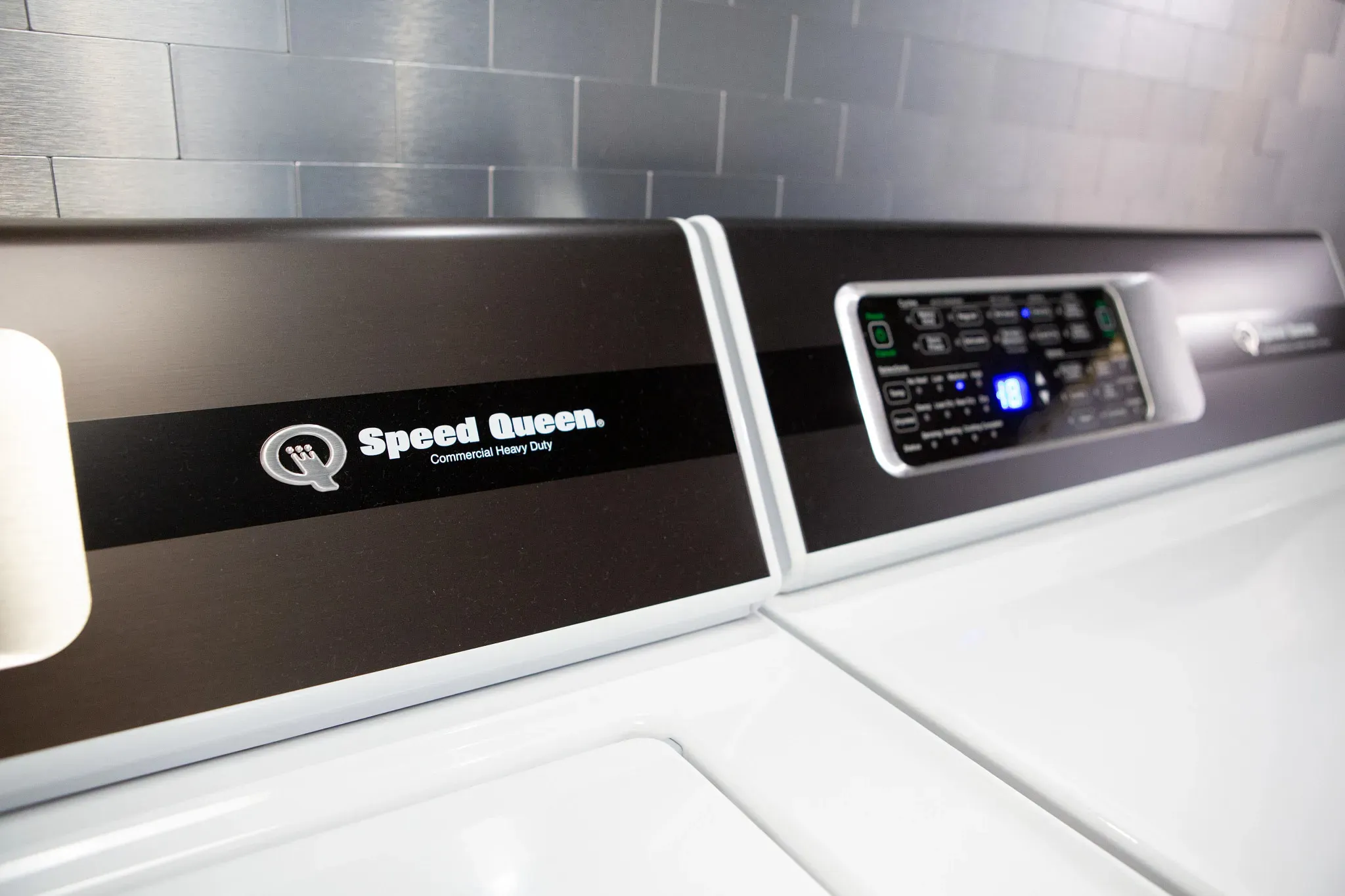
A commercial washer is the backbone of many businesses. For laundromats, hotels, and hospitals, the Speed Queen commercial heavy duty washer is a favorite because it’s built to last and handle tough loads. But even the best machines run into problems. If your Speed Queen isn’t working as expected, knowing how to troubleshoot can save you time and money. This guide will show you practical steps, real examples, and tips for solving common washer issues. Whether you’re a business owner, maintenance worker, or someone who wants to fix things yourself, you’ll find clear advice here.
Understanding Speed Queen Commercial Heavy Duty Washers
Before jumping into troubleshooting, it’s helpful to know what makes Speed Queen washers unique. These machines are designed for heavy use, often working for thousands of cycles each year. They use tough materials, advanced electronics, and efficient motors. Most models have features like:

36% off Today’s Exclusive Deals
Limited-time Exclusive Deals. Check current discount on Amazon.
Check Price on Amazon As an Amazon Associate I earn from qualifying purchases.- Stainless steel drums
- High-speed spin cycles
- Electronic controls and diagnostics
- Large load capacity (up to 40 pounds or more)
Because they’re built for commercial environments, Speed Queen washers are more complex than home washers. Problems can be mechanical, electrical, or related to water supply. Fixing these issues requires a mix of observation, basic tools, and sometimes technical knowledge.
Safety First: Preparing For Troubleshooting
Safety matters. Before inspecting or fixing any washer, make sure to:
- Disconnect power: Unplug the washer or turn off the circuit breaker.
- Shut water supply: Close the valves to prevent leaks.
- Wait for moving parts to stop: Never open panels or reach inside when the drum is spinning.
Always wear gloves and avoid touching wet electrical parts. If you feel unsure, call a professional.
Common Speed Queen Washer Problems And Solutions
Let’s look at the most frequent issues, their causes, and how to fix them. Each problem is explained in plain language, with steps that anyone can follow.
Machine Won’t Start
If your washer doesn’t turn on, check these points:
- Power supply: Is the outlet working? Plug another device to test.
- Door/lid switch: Most models won’t start if the door isn’t closed. Check for debris or a broken latch.
- Control panel: Sometimes buttons or displays fail. Try resetting by unplugging for 1 minute and plugging back in.
If none of these help, the issue could be a faulty control board or blown fuse. For control board replacement, you’ll need to remove the back panel and check for burnt marks or loose wires.
Washer Doesn’t Fill With Water
When the drum stays dry, consider these:
- Water valves: Ensure both hot and cold valves are open.
- Water inlet filters: Sediment can block filters. Unscrew hoses and check for dirt. Clean with a toothbrush.
- Solenoid valves: These open when the washer needs water. If you hear clicking but no water comes in, the solenoid may be faulty.
Speed Queen washers often display error codes for water issues. Refer to your model’s manual for codes like E3 (water fill problem).
Washer Won’t Drain
If water stays in the drum after the cycle, try these steps:
- Drain hose: Inspect for kinks or blockages. Remove hose and flush with water.
- Pump filter: Many washers have a filter near the drain pump. Open the access panel and clear lint or coins.
- Drain pump: Listen for humming. If the pump runs but doesn’t drain, it may be jammed or broken.
Some models let you run a pump test from the control panel. If the pump is dead, replacement is usually straightforward but requires basic tools.
Excessive Vibration Or Noise
Loud noises can mean trouble. Common causes include:
- Unbalanced loads: Too many towels or sheets can cause shaking. Redistribute items and run a spin cycle.
- Feet not adjusted: If the washer isn’t level, vibration increases. Adjust the feet with a wrench.
- Worn bearings: If you hear grinding, drum bearings may be worn. This is a bigger repair best handled by a technician.
Commercial washers can vibrate up to 25% less if placed on a solid concrete floor, according to industry studies.
Water Leaks
Leaks are frustrating and can damage floors. Check these areas:
- Door gasket: Look for cracks or stuck debris.
- Hose connections: Tighten any loose hoses. Replace cracked hoses.
- Drain pump: If water leaks from underneath, the pump seal may be damaged.
Speed Queen washers use heavy-duty gaskets, but these can still wear out after thousands of cycles.
Error Codes And What They Mean
Modern Speed Queen washers display error codes. Here are some common codes and their meanings:
| Error Code | Possible Cause | Fix |
|---|---|---|
| E3 | Water fill issue | Check valves and filters |
| E4 | Drain problem | Clean drain hose and filter |
| E5 | Door not locked | Inspect latch and switch |
| E7 | Motor error | Reset machine or call technician |
Check your model’s manual for a full list. Some codes can be cleared by unplugging the machine for a few minutes.
Diagnosing Electrical Problems
Electrical faults are less common but can stop a washer completely. Signs include:
- No lights or display
- Buttons don’t respond
- Tripped circuit breaker
Checking The Control Board
The control board is the washer’s brain. If it fails, most functions stop. To check:
- Disconnect power.
- Remove the back panel.
- Inspect for burnt marks or loose wires.
- Use a multimeter to test for voltage.
If the board is damaged, it must be replaced. Boards cost between $150 and $400, depending on model.
Testing Door And Lid Switches
A broken switch means the washer thinks the door is open. For Speed Queen washers, switches are usually near the door frame. Test with a multimeter (should show continuity when pressed). Replace if faulty.
Mechanical Troubleshooting
Some issues are mechanical, not electrical. Here’s what to look for:
Drum Not Spinning
If the drum won’t turn, check:
- Drive belt: Remove the back panel and inspect for cracks or looseness.
- Motor: Listen for buzzing or humming. Motors rarely fail, but if they do, replacement is expensive.
- Drum bearings: If the drum is hard to turn by hand, bearings may be worn.
A loose belt is easy to fix. Motors and bearings require more skill and tools.
Door Won’t Open
If the door is stuck:
- Wait for 2–5 minutes after cycle ends. Some models delay unlocking.
- Check for error codes.
- Inspect the latch and switch.
If the door won’t open at all, disconnect power and try gently prying with a flat tool. Never force the door; you may damage the lock.
Water Supply Troubles
Commercial washers depend on steady water flow. Problems here can cause poor cleaning, long cycles, or no operation.
Water Pressure Comparison
Speed Queen washers need at least 20 psi water pressure. Lower pressure causes slow fills.
| Pressure (psi) | Washer Performance | Action Needed |
|---|---|---|
| 10 | Very slow fill | Check plumbing |
| 20–40 | Normal operation | No action |
| 50+ | Fast fill | No action |
If water pressure is low, check building plumbing or call a plumber.
Hot And Cold Water Issues
Speed Queen washers use both hot and cold water for different cycles. If only one fills:
- Check for blocked hose or valve
- Clean inlet filter
- Test solenoid valve
Some models have a diagnostic mode to test water flow. Refer to your manual.
Maintenance Tips To Prevent Future Problems
Regular care is the best way to avoid breakdowns. Here’s what you can do:
- Clean filters monthly: Remove lint and debris from pump and inlet filters.
- Check hoses quarterly: Inspect for cracks or leaks.
- Level the machine: Adjust feet once a year.
- Run empty cycle: Washers can get buildup. Run a hot cycle with no laundry and a cleaner every month.
A well-maintained washer can last over 10 years, saving money on repairs.
Comparing Speed Queen With Other Commercial Washers
How does Speed Queen stack up against competitors? Here’s a quick comparison:
| Brand | Build Quality | Capacity (lbs) | Average Lifespan | Ease of Repair |
|---|---|---|---|---|
| Speed Queen | Excellent | 22–40 | 10–15 years | Moderate |
| Maytag | Good | 20–35 | 8–12 years | Easy |
| Huebsch | Good | 20–40 | 9–12 years | Moderate |
| Electrolux | Very Good | 25–40 | 10–13 years | Hard |
Speed Queen stands out for its durability and capacity. Repairs are not as easy as Maytag, but parts are widely available.
Advanced Troubleshooting: Diagnostic Modes
Many Speed Queen washers have a diagnostic mode. This lets you test each function (motor, valves, pump) without running a full cycle. To enter diagnostic mode:
- With the washer off, press and hold the Start and Cycle Select buttons for 5 seconds.
- The display will show test options.
- Use buttons to test each part.
This tool helps find hidden problems. For example, you can test if the motor runs or if valves open.
When To Call A Professional
Some repairs need expert help. Call a technician if:
- You smell burning or see smoke
- The control board is damaged
- Bearings or motor need replacement
- Electrical tests fail
Professional repairs cost between $150 and $700, depending on the problem.
Two Non-obvious Insights For Speed Queen Washer Owners
Most guides skip these points, but they matter:
- Short cycles may signal a sensor issue. If your washer finishes too quickly, a faulty water level sensor may be to blame. Replacing this sensor can restore normal operation.
- Frequent door lock errors can be caused by buildup in the latch. Clean the latch area with compressed air or a soft brush every few months to prevent errors.
These small fixes can prevent bigger breakdowns.
Practical Examples: Real Troubleshooting Cases
Let’s look at two real cases:
Case 1: Washer Won’t Drain
A laundromat owner noticed water staying in the drum. After checking hoses and filters, he found a sock blocking the pump. Removing the sock fixed the issue. He now checks filters weekly.
Case 2: Washer Vibrates Excessively
A hotel had a Speed Queen vibrating loudly. The maintenance team leveled the washer, but the problem continued. They discovered two feet were missing rubber pads. Adding pads reduced vibration by 80%.
Common Mistakes To Avoid
- Ignoring error codes. Always check and clear codes before repairs.
- Skipping maintenance. Dirty filters and hoses cause most breakdowns.
- Using wrong parts. Only use parts designed for your model.
- Forcing stuck doors. This can break the lock, leading to expensive repairs.
Careful troubleshooting saves money and keeps washers running longer.
Where To Find Reliable Parts And Manuals
Speed Queen parts are sold by authorized dealers and online stores. Always use genuine parts. Manuals are available on the official Speed Queen website and through commercial laundry suppliers. For technical help, visit Speed Queen Support.

Frequently Asked Questions
What Do I Do If My Speed Queen Washer Shows An Error Code?
Check your manual for the meaning of the code. Most codes show a specific problem, like water fill or drain issues. Fix the cause and reset the washer by unplugging it for a few minutes.
How Often Should I Clean The Filters In A Commercial Speed Queen Washer?
Clean pump and inlet filters at least once a month. In busy settings, weekly cleaning is better. This prevents blockages and keeps the washer running smoothly.
Can I Use Home Washer Parts In A Speed Queen Commercial Machine?
No. Always use genuine Speed Queen parts. Home washer parts may not fit or handle heavy use, leading to breakdowns.
Why Does My Washer Vibrate Even After Leveling?
Check for missing rubber pads on the feet. Also, make sure the floor is solid and the load inside is balanced. If vibration continues, bearings or suspension may be worn.
Is It Safe To Repair Electrical Faults Myself?
Simple checks like testing power or switches are safe if you disconnect power. For control board or motor repairs, call a professional. Electrical mistakes can cause fires or shocks.
A Speed Queen commercial heavy duty washer is reliable and tough, but regular troubleshooting and care are essential. Learning how to fix common issues yourself can save downtime and repair costs. Keep your machine clean, check error codes, and use only genuine parts.
For complex repairs, don’t hesitate to call an expert. With these tips, your Speed Queen washer can serve your business for years to come.

