

A Samsung Active Waterjet Washer is designed to make laundry easier and more efficient. But like any advanced appliance, it can sometimes develop problems that leave you frustrated and searching for answers. Maybe your washer stops mid-cycle, shows error codes, or leaves clothes soaking wet. Understanding how to troubleshoot these issues can save time, money, and stress.
This guide will help you diagnose and solve common problems with your Samsung Active Waterjet Washer. You’ll learn practical steps to fix issues, when to call for service, and how to keep your washer running smoothly. We’ll cover error codes, draining problems, water supply issues, unusual noises, and more.

36% off Today’s Exclusive Deals
Limited-time Exclusive Deals. Check current discount on Amazon.
Check Price on Amazon As an Amazon Associate I earn from qualifying purchases.By the end, you’ll feel more confident handling washer troubles, whether you’re a first-time user or have years of experience.
How The Samsung Active Waterjet Washer Works
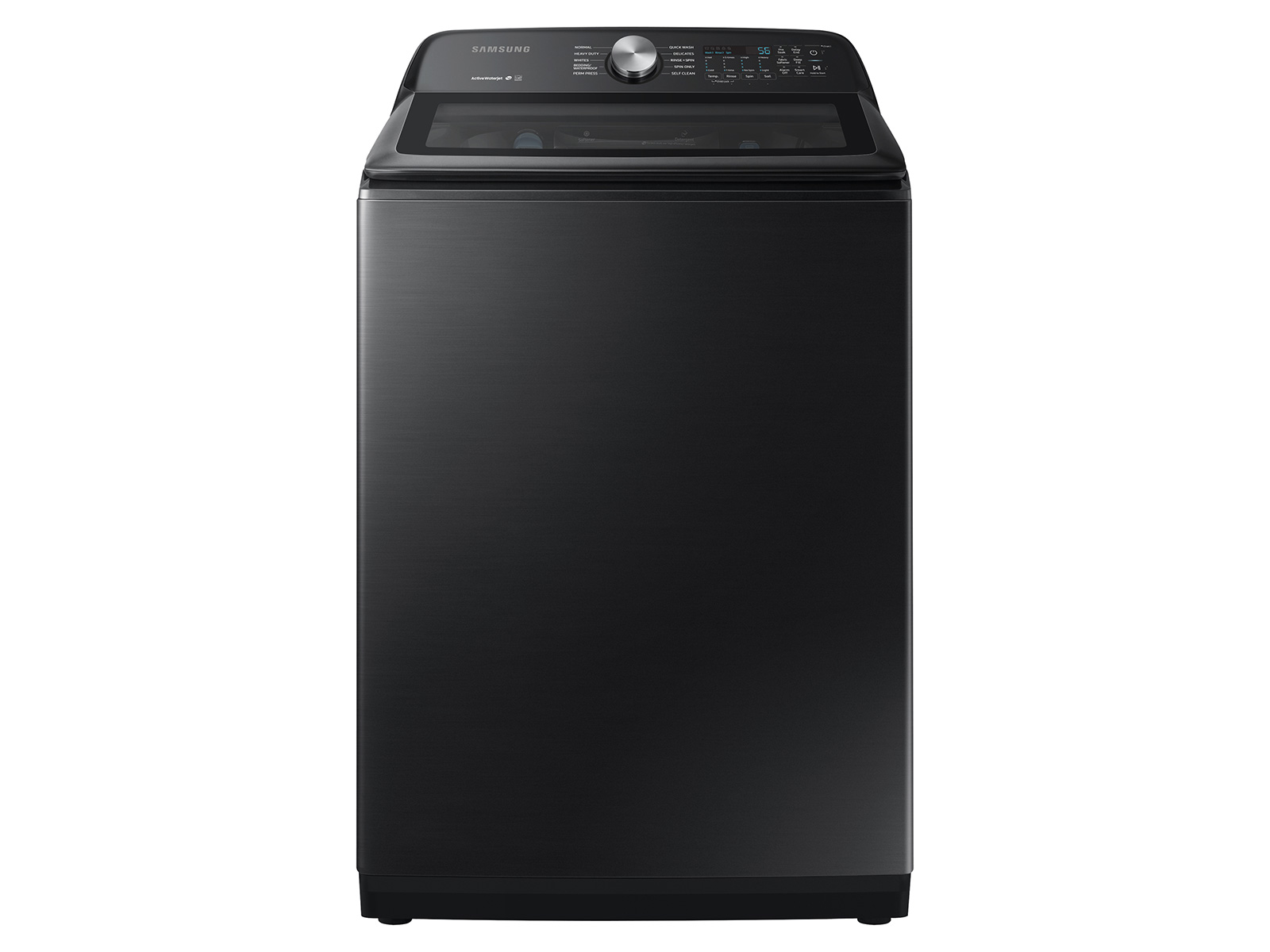
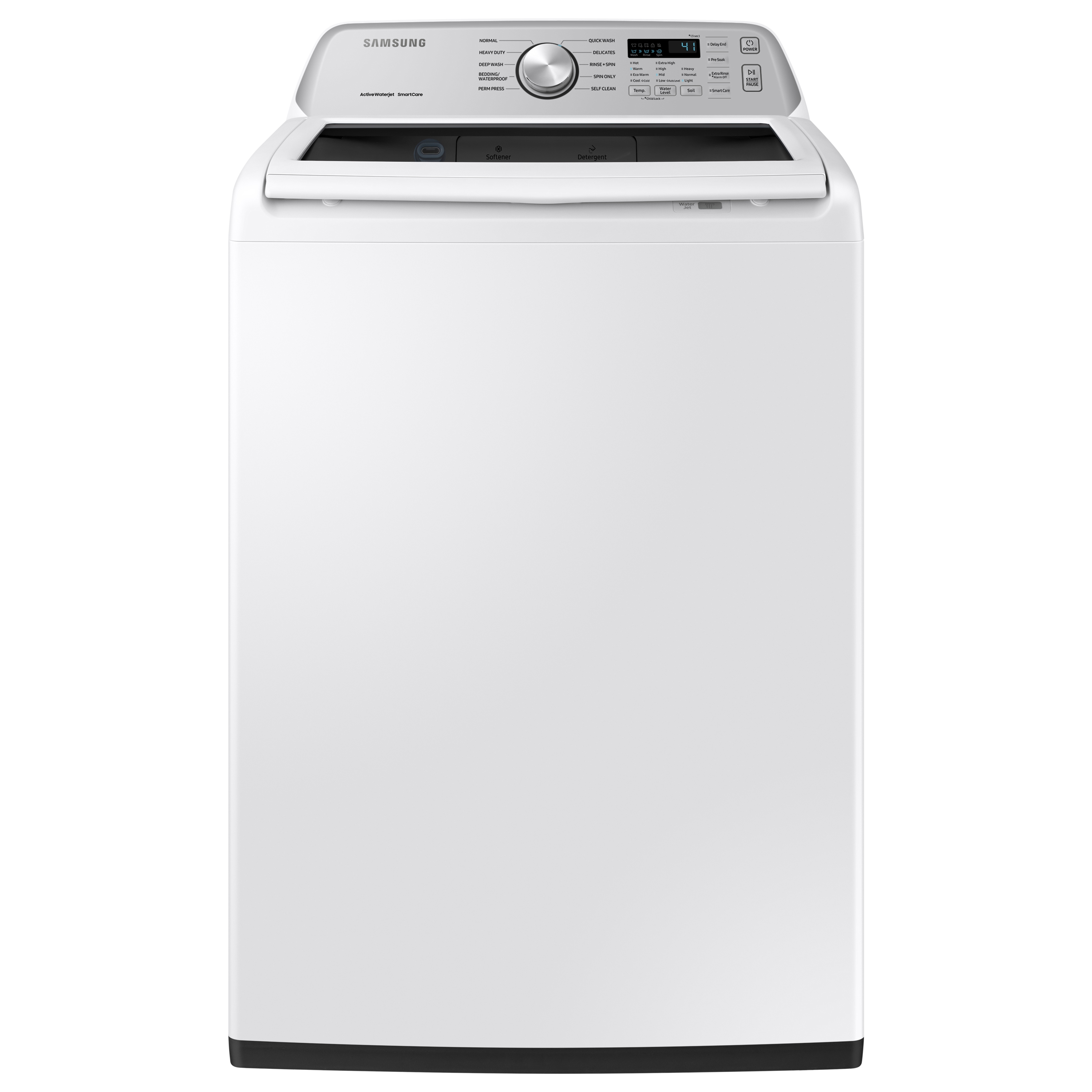
Before jumping into troubleshooting, it helps to know what makes the Active Waterjet Washer unique. This washer uses a special waterjet feature on the top panel, letting you pre-treat stains directly before starting a wash. It also comes with digital controls, a range of cycles, and high-efficiency (HE) technology to save water and energy.
The washer has sensors to detect load size, water temperature, and spin speed. If something goes wrong, it often displays an error code on the digital screen. Many problems can be fixed at home, but some need professional help.
Common Error Codes And What They Mean
Understanding error codes is key to troubleshooting your washer. Here are the most frequent codes and what they indicate:
| Error Code | Meaning | Possible Causes |
|---|---|---|
| 4C or 4E | Water supply issue | Clogged hose, faucet off, or low pressure |
| 5C or 5E | Draining problem | Blocked filter or hose |
| UE | Unbalanced load | Clothes unevenly distributed |
| DC | Door not closed | Door open, latch problem |
| LC | Leak detected | Leaking hose or overfilled washer |
| nd | Not draining | Clog or pump issue |
If you see an error code, first check the user manual for details. Many codes have simple solutions. Ignoring an error can cause bigger problems, so act quickly.
Washer Won’t Start
When your Samsung Active Waterjet Washer doesn’t start, it’s often due to a basic issue. Try these steps:
- Power Check: Make sure the washer is plugged in and the outlet works. Try another appliance in the same outlet.
- Door/Lid: The washer won’t start if the door or lid isn’t closed tightly. Open and close it again.
- Child Lock: If the child lock is on, the controls won’t respond. Look for a lock symbol on the display. Hold the child lock button for 3 seconds to turn it off.
- Cycle Selection: Confirm you’ve selected a cycle and pressed the Start/Pause button firmly.
- Delay Start: If delay start is set, the washer will wait before starting. Cancel this feature if you want it to start right away.
Insight: Sometimes, power surges or outages cause the washer’s control board to freeze. Unplug the washer for one minute, then plug it back in. This often resets the system.
Water Supply Issues
If your washer isn’t filling with water, or fills too slowly, check these key areas:
Water Faucets And Hoses
- Ensure both hot and cold water faucets are fully open.
- Check hoses for kinks or bends that restrict flow.
- Disconnect hoses and look for debris in the filters at the faucet or washer end. Clean them with a small brush if needed.
Water Pressure
The washer requires a minimum water pressure (usually 20 psi). Low pressure can trigger the 4C or 4E error code. Test pressure by filling a bucket from the faucet; it should fill quickly. If not, contact a plumber.
Inlet Valve
If everything else checks out, the water inlet valve might be faulty. This part opens to let water into the drum. If it’s damaged, you’ll need professional repair.
Non-obvious tip: If you use well water, sediment can clog hoses and filters faster than city water. Clean filters more often if your water is hard or has visible minerals.
Washer Not Draining
A common complaint is water left in the drum after a cycle. This is usually linked to a 5C or 5E error.
Check The Drain Hose
- The drain hose should not be higher than 6-8 inches above the floor.
- Remove the hose and flush it out with water to clear blockages.
- Ensure the hose isn’t inserted too far down the drain pipe, which can cause siphoning.
Clean The Pump Filter
Most Samsung washers have a small filter at the bottom front, behind a panel. To clean it:
- Unplug the washer.
- Place a towel and shallow pan under the panel.
- Open the filter cover, unscrew the filter, and pull it out.
- Rinse away lint, coins, or debris, then replace it.
Data point: According to Samsung support, over 50% of draining issues are caused by clogged pump filters.
Inspect The Drain Pump
If the washer still won’t drain, the drain pump could be jammed or broken. Listen for a humming or grinding noise during draining. If you hear nothing, the pump may need replacement.
Hidden insight: Sometimes, socks or small items can slip past the drum and block the pump. If you lose a small item, check the pump filter right away.
Washer Won’t Spin Or Clothes Stay Wet
If your washer completes the cycle but clothes are soaking wet, focus on the spin system.
Unbalanced Load
- Spread clothes evenly in the drum. Don’t wash heavy and light items together (like towels and shirts).
- Remove or add items to balance the load.
Spin Speed Setting
Check that the spin speed is not set to “No Spin” or a low setting. Adjust to a higher spin speed for better water removal.
Lid Or Door Switch
The washer won’t spin if it thinks the door is open. Test by gently pressing on the door during spin. If it starts, the door switch may need adjustment.
Motor Or Belt Problems
If the drum doesn’t turn at all, the motor or drive belt could be the problem. This requires a service visit.
Example: If you hear a clicking sound but no spinning, the clutch or belt may have slipped. These parts wear out over time, especially with heavy use.
Washer Is Noisy Or Vibrates
Unusual sounds during washing can be signs of a problem—or just normal operation. Identify the noise:
Rattling Or Clanking
This usually means small objects (coins, buttons) are trapped in the drum or filter. Check pockets before washing and clean the filter regularly.
Thumping Or Banging
Often caused by an unbalanced load. Stop the cycle, open the washer, and redistribute the clothes.
Grinding Or Squealing
Could be a sign the drum bearings are wearing out or something is stuck in the pump. If the sound is loud and constant, call for service.
Excessive Vibration
- Make sure the washer is level. All four feet should be firmly on the floor.
- Place the washer on a solid, stable surface.
- Avoid overloading or underloading the drum.
Practical tip: Place a level tool on the washer’s top. Adjust the legs until the bubble is centered. Uneven washers vibrate more and can damage floors.
Water Leaks
Leaks can happen in several places. Look for water under or around your washer.
Hoses And Connections
- Tighten all hose connections.
- Replace hoses if they’re cracked or worn.
- Use new rubber washers when installing hoses.
Door Seal
- Wipe the door seal (gasket) regularly. Small items or lint can prevent a tight seal.
- If you find cracks or tears, replace the seal.
Soap Drawer
- If water leaks from the soap drawer, use less detergent and clean the drawer often.
- Powdered detergents can clump and block water flow.
Overfilling
Too much detergent or a stuck water inlet valve can cause overfilling and leaks. Use only HE detergent and follow the recommended amount.
Data comparison: Studies show that over 30% of washer leaks come from old or poorly attached hoses. Replace hoses every 3-5 years to reduce risk.
Detergent And Softener Issues
Using the right detergent and amount keeps your washer clean and your clothes fresh.
Detergent Residue
- Use only high-efficiency (HE) detergent.
- Too much detergent causes buildup, poor rinsing, and odors.
- Run a cleaning cycle with no clothes and a washer cleaner tablet monthly.
Softener Not Dispensing
- Clean the dispenser drawer regularly.
- Make sure the softener is not thick or clumpy.
- Don’t overfill the compartment; stop at the max line.
Suds Overflow
If you see lots of bubbles or a Sud error, you’ve used too much detergent. Run an extra rinse cycle and use less next time.
Non-obvious tip: Hard water needs more detergent than soft water. Adjust the amount based on your water type for best results.
Digital Control Problems
Modern washers rely on electronic controls, which can sometimes freeze or malfunction.
Control Panel Not Responding
- Unplug the washer for one minute and plug it back in.
- Make sure the control lock or child lock is not active.
- If only some buttons work, the control panel may need replacement.
Flickering Display
Voltage fluctuations or loose wiring can cause the display to flicker. Use a surge protector to prevent damage.
Error Messages
If you see random error messages, reset the washer first. If the problem returns, the main control board may need service.
Pro tip: If you experience frequent electrical issues in your home, consider having an electrician check your wiring. Washers are sensitive to voltage problems.
Active Waterjet Feature Not Working
The Active Waterjet is a special faucet on top of the washer for pre-treating stains. If it’s not working:
- Make sure the washer is plugged in and powered on.
- Check that the water supply is connected and the faucet is open.
- The waterjet won’t work if the washer is running a cycle.
- Clean the waterjet nozzle if water flow is weak.
Insight: The waterjet uses the cold water supply. If only the hot water faucet is open, it won’t work.
Regular Maintenance Tips
Good maintenance helps prevent many problems. Here’s how to keep your Samsung washer in top shape:
- Clean the drum monthly using a washer cleaner or a mix of white vinegar and baking soda.
- Wipe door seals after each use to stop mold and mildew.
- Leave the door open for an hour after washing to let moisture escape.
- Clean detergent drawers and filters every few weeks.
- Check hoses for wear or leaks twice a year.
Hidden insight: If your washer smells musty, run a hot cycle with two cups of white vinegar and no clothes. This kills bacteria and removes odors.

When To Call For Service
While many issues are easy to fix at home, some need a professional:
- Repeated error codes that don’t clear after troubleshooting
- Water leaks from inside the washer body
- Drum doesn’t move at all
- Burning smells or visible sparks
- Loud grinding or metal noises
Always use a Samsung-authorized repair service. DIY repairs can void your warranty or cause more damage.
Comparing Samsung Active Waterjet Washer Models
Samsung offers several models with the Active Waterjet feature. Here’s a quick comparison:
| Model | Capacity | Spin Speed (RPM) | Smart Features |
|---|---|---|---|
| WA50R5400AV | 5.0 cu. ft. | 750 | No |
| WA54R7600AV | 5.4 cu. ft. | 800 | Wi-Fi, Smart Care |
| WA45T3400AW | 4.5 cu. ft. | 700 | No |
| WA52A5500AV | 5.2 cu. ft. | 750 | Wi-Fi |
Tip: Larger capacity models are better for big families, while smart features let you troubleshoot with your phone using the Samsung Smart Care app.
Preventing Common Mistakes
Many washer issues come from simple mistakes. Avoid these for a better laundry experience:
- Don’t overload the drum—leave enough space for clothes to move.
- Always use HE detergent.
- Clean the filter and drum regularly.
- Check pockets for coins, keys, or small items before washing.
- Level the washer after installation.
Non-obvious insight: Running a cleaning cycle every month extends the washer’s life and keeps it smelling fresh.
Frequently Asked Questions
Why Does My Samsung Active Waterjet Washer Shake So Much During Spin?
Shaking is usually due to an unbalanced load or the washer not being level. Try redistributing the clothes and adjusting the washer’s feet. If shaking continues with every load, check for damaged suspension rods or shocks.
What Should I Do If My Washer Shows A “4c” Error?
A 4C error means a problem with water supply. Check that both water faucets are open, hoses are not kinked, and inlet filters are clean. Low water pressure can also trigger this error.
How Often Should I Clean The Washer Filter?
Clean the pump filter every 1-3 months, depending on usage. If you wash items that shed a lot of lint, clean it more often. A clogged filter can cause draining problems and bad odors.
Can I Use Regular Detergent In My Samsung Washer?
No, always use HE (high-efficiency) detergent. Regular detergents create too many suds, which can cause errors, poor rinsing, and washer damage.
Where Can I Find More Troubleshooting Resources For My Samsung Washer?
Visit the official Samsung Support website for manuals, how-to videos, and live chat with experts.
A Samsung Active Waterjet Washer is a smart investment for clean, fresh clothes. With regular care and quick troubleshooting, you can solve most problems on your own. Understanding error codes, cleaning key parts, and avoiding common mistakes will keep your washer running for years.
If something seems beyond a simple fix, don’t hesitate to call a professional—better safe than sorry. Laundry doesn’t have to be stressful when you know how to keep your washer in top shape.

