

If you rely on a Beckett pressure washer burner for industrial cleaning or heavy-duty jobs, you know how important a reliable burner is. When the burner fails, your pressure washer loses heat, and cleaning power drops. This can slow your work or stop it completely. Burner problems are common, but with the right troubleshooting steps, most issues can be fixed quickly and safely. This guide will help you understand how Beckett burners work, why they fail, and how to get your hot water pressure washer running again.
You’ll find practical advice, step-by-step checks, and expert insights that many beginners miss. You don’t need advanced technical skills to follow along. With clear explanations, examples, and a focus on real solutions, you’ll feel more confident handling your Beckett burner’s problems.

36% off Today’s Exclusive Deals
Limited-time Exclusive Deals. Check current discount on Amazon.
Check Price on Amazon As an Amazon Associate I earn from qualifying purchases.How Beckett Pressure Washer Burners Work
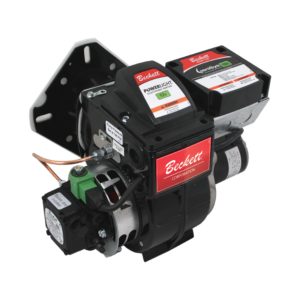
A Beckett burner is the heart of a hot water pressure washer. It mixes air and fuel (usually diesel, kerosene, or heating oil) and ignites it to create a flame. This heats water as it passes through a coil, boosting cleaning power by loosening grease, grime, and dirt.
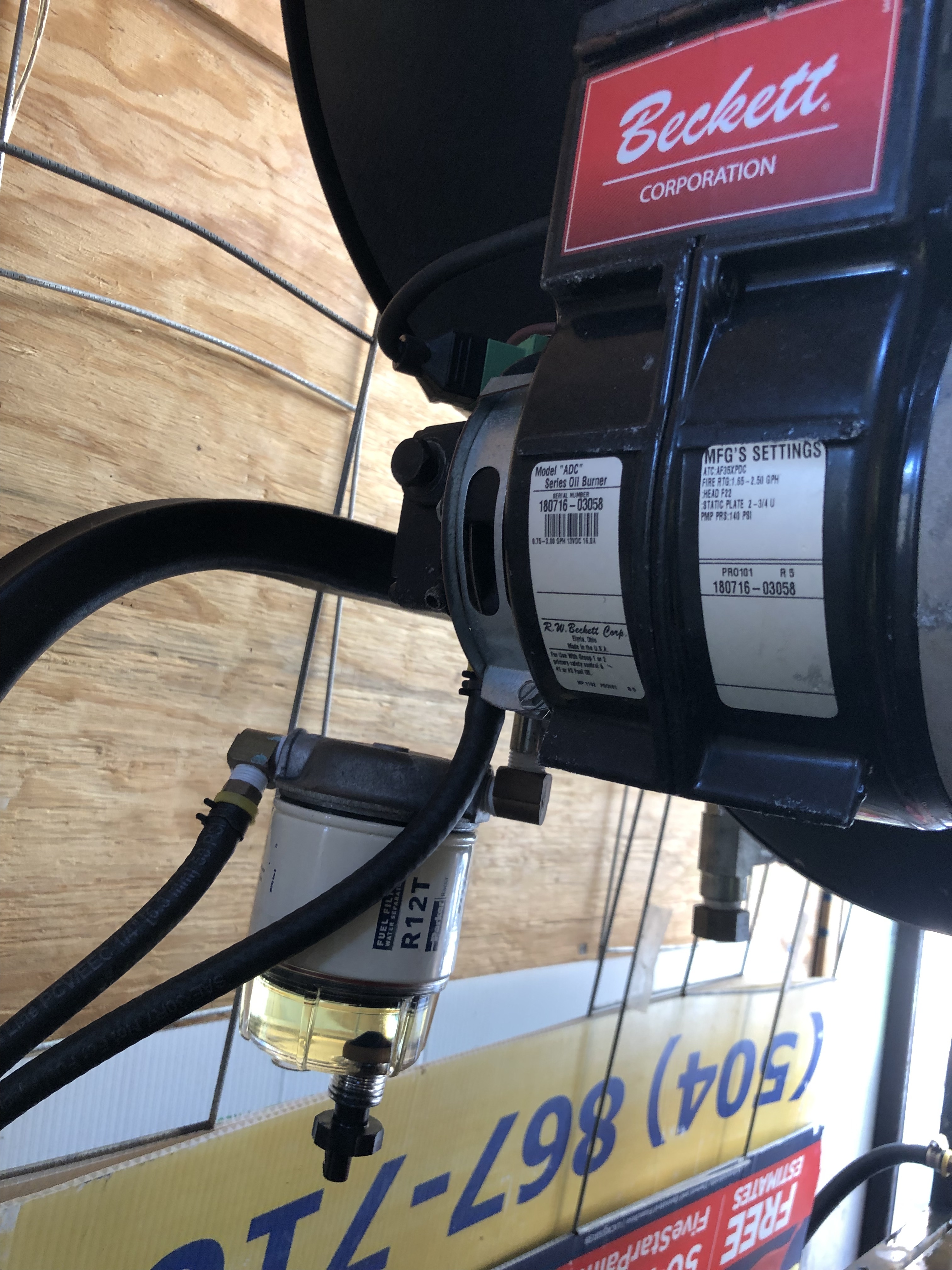
Key components include:
- Fuel pump: Draws fuel from the tank to the burner nozzle.
- Ignition system: Sparks or heats up to light the fuel-air mix.
- Nozzle: Sprays fuel into a fine mist for clean burning.
- Combustion chamber: Where the fuel burns and heats the coil.
- Air intake: Mixes air with fuel for efficient burning.
- Safety controls: Sensors and switches stop the burner if something goes wrong.
If any part fails, the burner may not light, run poorly, or shut down. Understanding these basics makes troubleshooting easier.
Common Signs Of Burner Problems
Before you start fixing, notice what your pressure washer is doing. Common symptoms of Beckett burner issues include:
- Burner won’t start or light
- Burner starts, then stops quickly
- Soot, smoke, or bad smell from exhaust
- Low water temperature
- Unusual noises (popping, humming, or clicking)
- Tripped safety switches or blown fuses
Each symptom points to different problems. For example, smoke usually means bad combustion, while a burner that won’t start could be an electrical or fuel issue.
Safety First: Precautions Before Troubleshooting
Working with pressure washer burners involves electricity, fuel, and heat. Mistakes can cause injury, fire, or damage. Always:
- Turn off and unplug the pressure washer
- Let all parts cool before touching
- Keep a fire extinguisher nearby
- Work in a well-ventilated area
- Use proper tools and safety gloves
If you smell raw fuel, see flames outside the burner, or hear loud banging, stop and call a professional.
Step-by-step Troubleshooting Guide
1. Check The Power Supply
A burner needs steady electricity. If your Beckett burner won’t start, first check:
- Is the washer plugged in?
- Are fuses or circuit breakers tripped?
- Is the burner’s power switch ON?
- Are wires and connections secure?
Use a multimeter to confirm voltage at the burner. Low or no voltage means an electrical problem outside the burner.
2. Inspect The Fuel System
No fuel, dirty fuel, or blocked lines will stop the burner. Check:
- Is there enough clean fuel in the tank?
- Is the fuel shut-off valve open?
- Are filters clogged?
- Are fuel lines cracked or leaking?
- Is the fuel pump working?
Replace old filters and clean the fuel system regularly. Water or debris in fuel often causes misfires or hard starts.
3. Examine The Ignition System
If the burner tries to start but won’t light, the ignition may be the issue. Look at:
- Spark plug or electrodes: Are they dirty, worn, or cracked?
- Ignition transformer: Does it make a strong spark?
- Wiring: Are all ignition wires tight and undamaged?
Clean or replace spark plugs and check for carbon buildup. Weak or no spark usually means a bad transformer or loose connections.
4. Test The Burner Nozzle
A dirty or damaged nozzle stops fuel from spraying correctly. Shut off power and fuel, then remove the nozzle. Look for:
- Clogs or carbon buildup
- Worn or misshaped tips
- Fuel leaks around the nozzle
Clean with a soft brush or replace if worn. Never poke the tiny hole with metal—this can ruin spray patterns.
5. Check The Air Intake And Combustion
For good combustion, the burner needs the right air-fuel mix. Check:
- Is the air shutter set correctly?
- Are air passages blocked by dirt or debris?
- Is the fan running and not damaged?
A yellow, smoky flame means too little air; a loud, short flame means too much. Adjust the air shutter as needed.
6. Inspect Safety Controls And Sensors
Modern Beckett burners have safety devices like flame sensors, temperature switches, and low water cutoffs. If these trip, the burner shuts off. Check:
- Flame sensor: Is it clean and in the flame path?
- High-limit thermostat: Is it set too low or stuck?
- Flow switch: Does it sense water flow correctly?
Use a continuity tester to check switches. Clean or replace sensors as needed.
7. Watch For Soot, Smoke, Or Unusual Noises
If your burner makes soot or smoke, it’s burning badly. This can ruin the coil and create fire risk. Causes include:
- Wrong fuel or air settings
- Clogged nozzle or fuel filter
- Poor draft or blocked exhaust
If you hear popping, humming, or clicking, look for loose parts, failing ignition, or air leaks.
8. Review The User Manual And Error Codes
Some Beckett burners have indicator lights or error codes. Always check the manual for your model’s meanings. This often points directly to the problem area.
Practical Examples: Troubleshooting Scenarios
Here are some real-world cases and how to fix them:
Example 1: Burner Runs, But No Heat
John’s Beckett burner starts, but water stays cold. He checks:
- Fuel: Tank is full, but the filter is clogged.
- Nozzle: Tip is partly blocked, fuel mist is weak.
- Solution: Replaces filter and cleans nozzle. Heat returns.
Example 2: Burner Won’t Start
Maria’s burner is silent. She finds:
- Power: Circuit breaker tripped.
- Ignition: Wires loose at transformer.
- Solution: Resets breaker, tightens wires. Burner starts.
Example 3: Soot And Smoke
A shop owner sees black smoke from the exhaust. He discovers:
- Air intake: Blocked by dust.
- Nozzle: Old and worn.
- Solution: Cleans air intake, replaces nozzle. Burner runs clean.
These examples show how small problems can stop your burner, but simple checks often solve them.
Data Table: Common Problems And Solutions
Below is a quick reference for typical Beckett burner issues:
| Symptom | Possible Cause | Quick Solution |
|---|---|---|
| Burner won’t start | No power, bad switch, loose wires | Check power, tighten connections |
| No flame | No fuel, bad ignition, clogged nozzle | Check fuel, clean/replace nozzle |
| Smoke or soot | Dirty air intake, wrong fuel mix | Clean air intake, adjust settings |
| Stops after starting | Bad flame sensor, tripped safety | Clean sensor, check safety switches |
| Low water temperature | Weak flame, dirty coil, low fuel | Check flame, clean coil, add fuel |
Maintenance Tips For Beckett Burners
Regular maintenance prevents most burner problems. Here’s how to keep your Beckett burner reliable:
- Change fuel filters every 3-6 months, or as needed.
- Clean or replace the nozzle at least once a year.
- Inspect ignition parts (electrodes, transformer) for wear or carbon buildup.
- Vacuum air intake and fan to keep airflow clear.
- Check all wiring and safety devices for damage or looseness.
- Test the burner monthly, even if not used often.
Never skip maintenance after a burner failure. Soot and carbon can build up quickly, causing more problems.
Advanced Troubleshooting: When To Call A Professional
Some burner issues are too complex or risky for DIY repair. Call a certified technician if you find:
- Cracked heat exchangers or combustion chambers
- Major fuel leaks
- Repeated electrical shorts
- Burner won’t run after all basic checks
- Burner runs, but there’s visible fire outside the chamber
Professionals have tools to measure combustion efficiency, set air-fuel ratios, and test safety devices. They can replace major parts and ensure safe operation.
Data Table: Diy Fix Or Pro Service?
Understand which problems you can fix, and which need a pro:
| Problem | DIY Possible? | When to Call a Pro |
|---|---|---|
| Replace fuel filter | Yes | If leaks or stripped fittings |
| Clean nozzle | Yes | If nozzle is stuck or broken |
| Adjust air shutter | Yes | If burner still smokes |
| Replace ignition transformer | Sometimes | If unsure about wiring |
| Fix electrical shorts | No | Always call a pro |
Tip: If in doubt, always choose safety and get expert help.
Comparison Table: Beckett Burner Models And Features
Below is a comparison of popular Beckett burner models found in pressure washers:
| Model | Fuel Type | Ignition | Common Uses |
|---|---|---|---|
| AFG | Diesel, Kerosene | Electronic Spark | Industrial washers |
| SR | Heating Oil | Solid State | Commercial cleaning |
| NX | Biofuel blends | Electronic Spark | Eco-friendly washers |
Knowing your model helps you find the right parts and instructions.
Non-obvious Insights For Better Troubleshooting
Beginners often overlook these important points:
- Water pressure affects burner operation. Low water pressure or air in the line can trigger safety cutoffs, stopping the burner. Always bleed air and check water flow before blaming the burner.
- Draft and ventilation matter. A poorly vented washer room or blocked exhaust can cause burner shutdowns and sooting. Always check vent pipes and keep the area clear.
- Fuel age and quality. Old or contaminated fuel (with water, algae, or debris) causes misfires and clogs. Use fresh, filtered fuel for best results.
Understanding these can save hours of frustration.
Preventing Common Mistakes
Many users make similar errors when troubleshooting Beckett burners:
- Skipping step-by-step checks. Always start with power, then fuel, then ignition.
- Mixing up air and fuel adjustments. If you adjust one, test before changing the other.
- Ignoring annual maintenance. Skipping cleaning leads to costly repairs.
- Using wrong parts. Always use Beckett-approved nozzles and filters for your model.
If you fix one thing and another problem appears, start over with the basics.
When To Upgrade Or Replace Your Burner
Sometimes, repairs cost more than replacement. Consider a new burner if:
- Your model is over 10 years old and needs multiple new parts.
- Burner is very noisy, even after repairs.
- Heating efficiency drops, raising fuel costs.
- Replacement parts are hard to find.
Newer Beckett burners are more efficient, safer, and easier to maintain.
Getting Parts And Technical Help
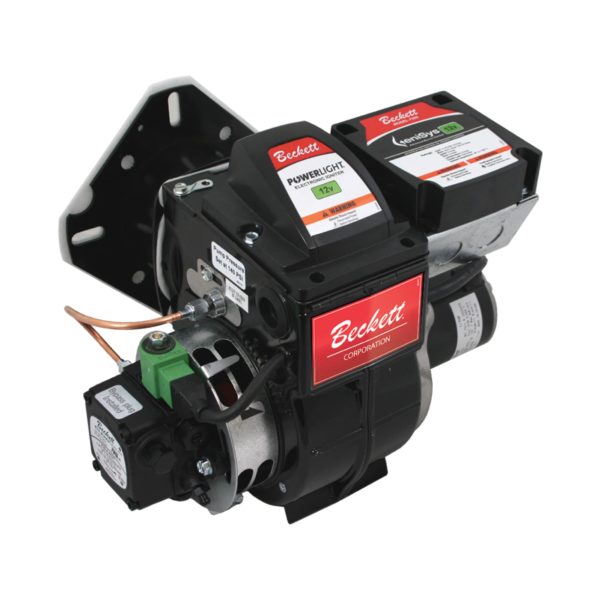
For genuine Beckett parts, always use authorized dealers. Generic or used parts can cause more problems. For manuals, wiring diagrams, and support, visit the official Beckett Corporation website.
Tip: Keep your burner’s model and serial number handy when ordering or calling for help.
Frequently Asked Questions
Why Does My Beckett Burner Make A Clicking Sound But Won’t Light?
A clicking sound usually comes from the ignition system trying to spark. If there’s no flame, check for fuel supply, dirty or misaligned electrodes, or a faulty ignition transformer. Make sure all wires are tight and the nozzle is clean.
How Often Should I Clean Or Replace The Burner Nozzle?
For most users, clean the nozzle every 6-12 months or after 500 hours of use. Replace it yearly, or sooner if you see clogs or an uneven spray. Dirty nozzles cause poor combustion and low heat.
What Should I Do If My Burner Produces Black Smoke?
Black smoke means bad combustion—usually too much fuel or not enough air. Clean the air intake, replace the nozzle if dirty, and check air shutter settings. Also, ensure you’re using the correct fuel for your burner model.
My Burner Runs, But Water Is Not Hot Enough. What’s Wrong?
Low water temperature can be caused by a weak flame, dirty coil, or low fuel pressure. Check for dirty or clogged components, confirm fuel supply, and inspect the flame. Also, make sure the thermostat is set correctly.
Is It Safe To Repair A Beckett Burner Myself?
You can fix simple issues like cleaning the nozzle, changing filters, or tightening wires. For electrical repairs, fuel leaks, or major part replacement, always call a professional. Safety is most important.
A well-maintained Beckett pressure washer burner delivers years of reliable hot water cleaning. With these troubleshooting steps and a careful approach, you can solve most problems yourself. Always put safety first, follow the manual, and don’t hesitate to seek expert help for complex issues.
Regular maintenance and quick attention to problems will keep your pressure washer—and your business—running strong.

