

Vevor Gas Pressure Washer Troubleshooting
Gas pressure washers are powerful tools for cleaning driveways, vehicles, decks, and more. Among the popular brands, Vevor gas pressure washers are known for their strong performance and affordability. However, even the best machines can face issues. If your Vevor gas pressure washer isn’t working right, don’t worry—most problems can be fixed with a few simple steps. This guide will help you troubleshoot the most common issues, explain key concepts, and show you how to keep your washer running smoothly.
Understanding Your Vevor Gas Pressure Washer
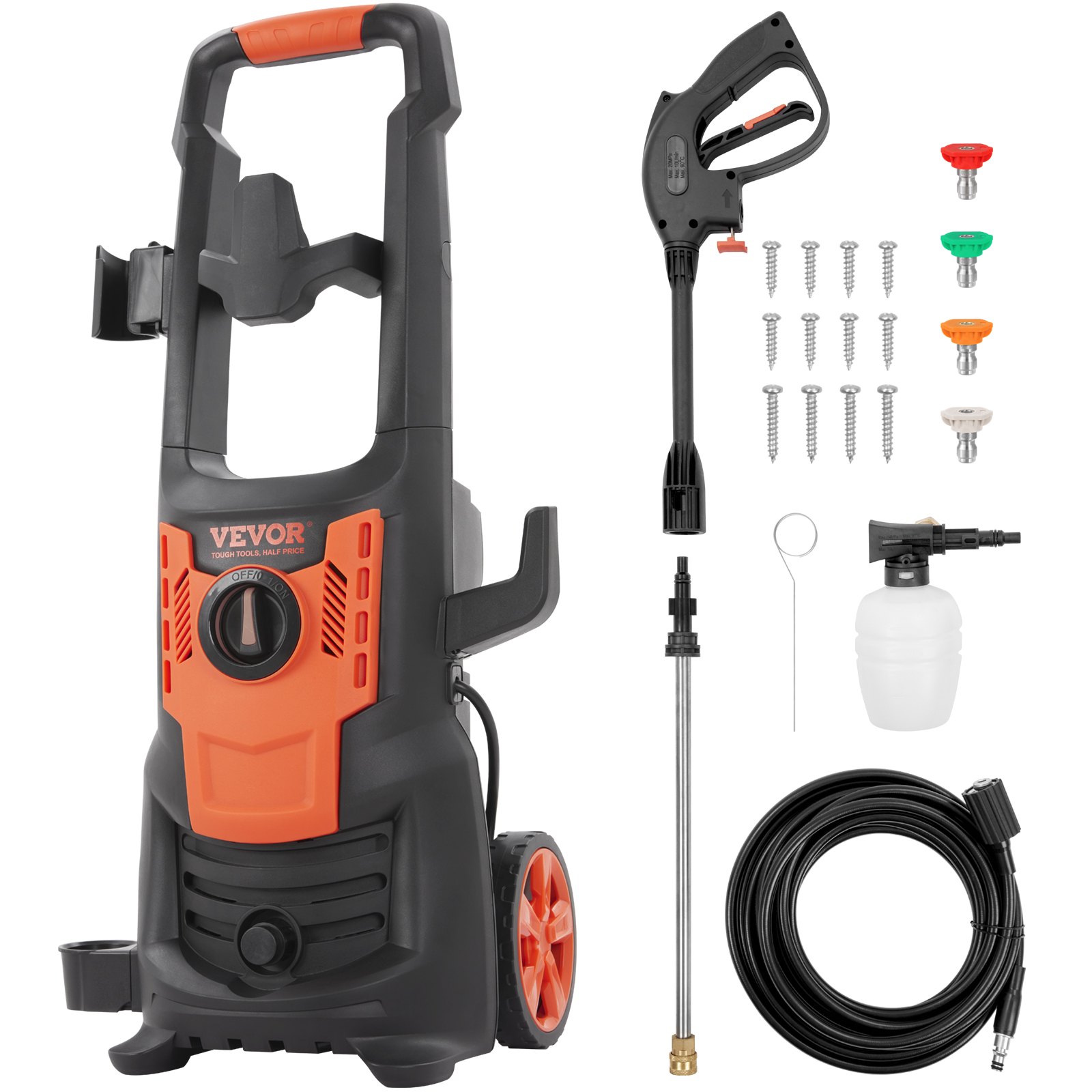
Before you start fixing problems, it’s important to know how your machine works. A Vevor gas pressure washer uses a gas engine to power a pump. This pump pushes water through a high-pressure hose and nozzle. The strong water stream is what cleans surfaces. If any part fails, the pressure washer may lose power, pressure, or stop working.

36% off Today’s Exclusive Deals
Limited-time Exclusive Deals. Check current discount on Amazon.
Check Price on Amazon As an Amazon Associate I earn from qualifying purchases.Let’s look at the main parts:
- Engine: Starts with gasoline, provides power
- Pump: Moves water at high pressure
- Hose and nozzle: Direct the water stream
- Detergent tank: Mixes cleaning solutions
Knowing these basics helps you spot where a problem might start.
Common Problems And Solutions
Every gas pressure washer, including Vevor models, may face issues. Here are the most frequent problems and how to fix them.
Engine Won’t Start
When your pressure washer won’t turn on, it’s often due to the engine.
Possible Causes
- Empty fuel tank
- Old or dirty gasoline
- Faulty spark plug
- Clogged air filter
- Engine oil level too low
How To Fix
- Check the fuel tank. Fill with fresh, clean gasoline.
- Examine the spark plug. If it’s dirty or worn, replace it.
- Look at the air filter. Clean it or replace if it’s clogged.
- Check engine oil. Add oil if it’s below the recommended level.
Pro tip: Many beginners forget to check the oil. Low oil can prevent the engine from starting to protect itself.
Low Water Pressure
Sometimes, the washer runs but doesn’t produce strong pressure.
Causes
- Clogged nozzle
- Leaky hose
- Blocked water inlet filter
- Pump problems
- Wrong nozzle size
Solutions
- Remove the nozzle and clean it with a thin wire.
- Inspect the hose for leaks or kinks.
- Clean the water inlet filter.
- Check pump oil if your model has a pump oil reservoir; top up if needed.
- Make sure you’re using the correct nozzle for high pressure.
Non-obvious insight: Using a nozzle with a wider spray angle lowers the pressure. Choose a narrow-angle nozzle for tough stains.
Water Leaks
If water leaks from your machine, it can affect performance.
Causes
- Loose fittings
- Damaged O-rings
- Cracked hose
- Faulty pump seals
Fixes
- Tighten all connections.
- Replace damaged O-rings (found at hose and nozzle joints).
- Swap out cracked hoses.
- If the leak is from the pump, seals may need replacing. This is usually a job for a repair shop.
Machine Shuts Down Unexpectedly
A washer that starts but then stops can be frustrating.
Causes
- Overheating
- Low oil sensor shutting down engine
- Clogged cooling fins
- Blocked exhaust
Solutions
- Let the machine cool down after long use.
- Check oil level and refill if needed.
- Clean cooling fins on the engine.
- Make sure the exhaust is not blocked.
Beginner mistake: Running the washer in direct sunlight for hours can cause overheating. Work in shade or take breaks.

No Water Output
If the engine runs but no water comes out, check these areas.
Causes
- Water supply not connected
- Closed water faucet
- Blocked hose
- Pump failure
Solutions
- Make sure the hose is attached and faucet is open.
- Straighten any kinks in the hose.
- Clean the nozzle and water inlet filter.
- If the pump is faulty, professional repair may be needed.
Detergent Not Mixing
Vevor pressure washers often have a detergent tank. If soap isn’t coming out:
Causes
- Clogged detergent tube
- Wrong nozzle (high-pressure nozzles don’t draw detergent)
- Low detergent level
- Air lock in detergent system
Solutions
- Clean the detergent tube and tank.
- Use a low-pressure soap nozzle.
- Fill the detergent tank.
- Run the washer for a minute to clear air locks.
Useful tip: Always rinse the detergent system with clean water after use. This prevents clogs and buildup.
Troubleshooting By Symptoms
To help you find the problem faster, here’s a symptom-to-cause guide:
| Symptom | Possible Causes | Quick Solution |
|---|---|---|
| Engine won’t start | Fuel, spark plug, oil, air filter | Check and replace as needed |
| Low pressure | Nozzle, hose, filter, pump | Clean, replace, or check parts |
| Water leaks | Connections, O-rings, hose, seals | Tighten, replace, or repair |
| No water output | Supply, hose, pump | Connect, clean, or repair |
| Detergent not mixing | Tubes, nozzle, tank | Clean, use soap nozzle, refill |
How To Maintain Your Vevor Gas Pressure Washer
Regular maintenance prevents most problems. Here’s how to keep your washer in top shape:
- Clean nozzle and filters after each use
- Check oil and fuel before every start
- Inspect hoses for cracks or leaks
- Store in a dry place to prevent rust
- Flush detergent system with clean water
Advanced tip: Once a season, remove the spark plug and check for carbon buildup. Replace if needed. This keeps the engine running smoothly.
Comparing Vevor Pressure Washer Models
Different Vevor gas pressure washers have unique features. Here’s a comparison of three popular models:
| Model | PSI (Pressure) | GPM (Flow Rate) | Engine Size | Best Use |
|---|---|---|---|---|
| Vevor 3200 PSI | 3200 | 2.6 | 196cc | Driveways, decks |
| Vevor 3600 PSI | 3600 | 2.8 | 208cc | Heavy-duty cleaning |
| Vevor 4200 PSI | 4200 | 3.2 | 220cc | Commercial use |
Choose the right model based on your cleaning needs. Higher PSI means more power, but also needs careful handling.
Safety Precautions
Troubleshooting and repairing gas pressure washers can be dangerous. Always take these safety steps:
- Wear gloves and eye protection
- Turn off engine before checking parts
- Never touch hot engine surfaces
- Disconnect spark plug before any deep repair
- Keep children and pets away during troubleshooting
Non-obvious insight: Many users forget to disconnect the spark plug. This can cause accidental engine startup and injury.
Understanding Error Codes And Signals
Some newer Vevor models have error lights or codes. Here’s what common signals mean:
| Error Code | Meaning | Action |
|---|---|---|
| E01 | Low oil | Check and add oil |
| E02 | Overheating | Let cool, check cooling fins |
| E03 | No water supply | Connect supply, open faucet |
| E04 | Pump failure | Seek professional repair |
If your model has a digital screen or lights, check your manual for a full list of codes.
When To Seek Professional Help
Some problems need expert repair. Here’s when to call a technician:
- Pump leaks that don’t stop after seal replacement
- Engine won’t start after replacing spark plug, fuel, and oil
- Severe water leaks from inside the machine
- Strange noises or vibrations during use
Trying to fix these yourself can cause more damage or void your warranty.
Sourcing Parts And Support
If you need replacement parts, always choose genuine Vevor parts. They fit better and last longer. You can find parts at:
- Vevor’s official website
- Local hardware stores
- Authorized service centers
For help, check the user manual or contact Vevor support. Manuals often have troubleshooting charts and diagrams.
External Resource
For more detailed technical guides, visit Consumer Reports. It offers tips for safe operation and choosing the best washer.
Why Your Pressure Washer Needs Regular Care
Regular care is more than just fixing problems—it prevents them. Gas pressure washers work under high stress. Small issues, like dirty filters, can lead to big repairs. Clean parts, fresh fuel, and correct oil levels keep your machine running for years.
Statistic: Studies show that machines with regular oil changes and filter cleaning last up to 30% longer than neglected ones.
Practical Troubleshooting Tips For Beginners
Here are some practical tips that many new users miss:
- Prime the pump: Before starting, squeeze the trigger on the spray gun for a few seconds to let water flow. This removes air and prevents damage.
- Check water supply: Use a hose that provides at least 2 gallons per minute (GPM). Low supply causes low pressure.
- Inspect spray gun trigger: Sometimes, the trigger sticks. If water isn’t coming out, check if the trigger is working smoothly.
Advanced insight: After winter storage, always check for fuel separation. Gasoline left in the tank over months can break down, causing starting problems.
How To Prevent Common Mistakes
Many troubleshooting issues come from simple mistakes. Here’s how to avoid them:
- Never use hot water in a cold-water pressure washer
- Always use fresh gasoline
- Don’t run the washer without water supply
- Don’t use damaged hoses or nozzles
Example: Using an old, cracked hose can cause leaks and reduce pressure, even if the rest of the machine works fine.
Pressure Washer Troubleshooting Checklist
Before calling for help, run through this quick checklist:
- Is the fuel tank full and the gasoline fresh?
- Is the oil level correct?
- Are the air filter and spark plug clean?
- Is the water supply connected and open?
- Is the nozzle clean and correctly attached?
- Are all hoses and connections tight?
- Did you prime the pump?
Following these steps solves most issues.
Environmental Care
Pressure washers use water and fuel, so it’s important to operate them responsibly.
- Use biodegradable detergents
- Avoid spraying soil or plants directly
- Dispose of old oil and fuel safely
Statistic: Pressure washers can use up to 3 gallons per minute. Using low-pressure nozzles for rinsing saves water.
Frequently Asked Questions
Why Does My Vevor Pressure Washer Lose Pressure After 10 Minutes?
This often happens due to overheating, clogged nozzle, or restricted water supply. Let the machine cool down, clean the nozzle, and check hose connections. If the problem continues, check the pump oil and cooling fins.
What Kind Of Gasoline Should I Use?
Always use unleaded gasoline with an octane rating of 87 or higher. Avoid using old or mixed fuel, as it can clog the carburetor and cause starting issues.
Can I Use Any Hose With My Vevor Washer?
No. Use a high-pressure hose rated for your washer’s PSI. Standard garden hoses can burst or leak under pressure. Always check the manual for compatible hose types.
Why Does The Engine Stall When I Pull The Trigger?
This can be caused by a faulty unloader valve, low oil, or a clogged nozzle. Check the oil, clean the nozzle, and if the problem continues, the unloader valve may need adjustment or replacement.
How Often Should I Change The Oil?
Change the engine oil after the first 5 hours of use, then every 50 hours or once per season. Check the manual for exact recommendations for your model.
Final Thoughts
Troubleshooting a Vevor gas pressure washer is about understanding how the machine works and knowing where to look when something goes wrong. Most issues are simple—fuel, oil, filter, or nozzle. Regular maintenance, safety steps, and using genuine parts will keep your washer running strong.
If you face a problem you can’t solve, don’t hesitate to call a professional. With these steps and tips, you can get back to cleaning faster and smarter.


