

The Samsung RF4287HARS is a popular French-door refrigerator, known for its spacious design and advanced features. One standout feature is its ice maker, which brings convenience to many homes. However, like any appliance, the ice maker can develop problems over time. These issues can range from no ice production to odd noises or leaks. If your Samsung RF4287HARS ice maker isn’t working as it should, this guide will help you troubleshoot common problems, understand causes, and find practical solutions. Whether you are a homeowner or a repair technician, you’ll get clear steps, actionable advice, and expert insights.
Understanding The Samsung Rf4287hars Ice Maker
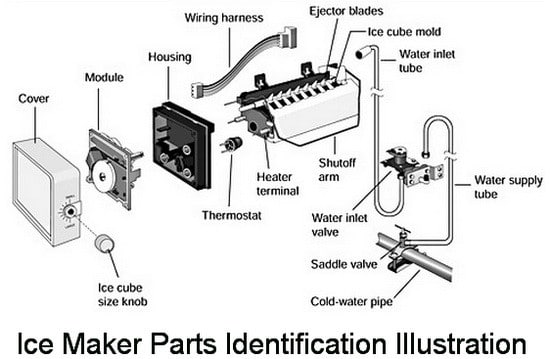
Before troubleshooting, it helps to know how the ice maker works. The RF4287HARS uses an automatic ice maker located in the upper freezer compartment. It connects to a water line, fills a mold with water, freezes it, and then ejects ice cubes into a storage bin. The process repeats automatically, giving you a steady supply of ice.

36% off Today’s Exclusive Deals
Limited-time Exclusive Deals. Check current discount on Amazon.
Check Price on Amazon As an Amazon Associate I earn from qualifying purchases.The ice maker relies on several components:
- Water inlet valve: Brings water to the ice maker
- Ice mold: Where water freezes
- Ejector arm or motor: Pushes ice cubes out
- Temperature sensor: Ensures freezing is complete
- Control board: Coordinates the process
Understanding these parts makes troubleshooting easier. If one part fails, ice production stops or slows.
Common Ice Maker Problems
Problems with the RF4287HARS ice maker often fall into a few categories. Let’s explore the most frequent issues and their symptoms.
- No ice production: The ice maker is not making any ice at all.
- Slow ice production: The ice maker makes ice, but not enough.
- Ice cubes are small or misshapen: Ice is not the right size or shape.
- Ice maker is noisy: Unusual sounds during operation.
- Water leaks: Water leaks inside or outside the freezer.
- Ice dispenser doesn’t work: Ice is made but not dispensed.
Each problem can have multiple causes. Let’s break down how to identify and fix them.
Diagnosing No Ice Production
If your Samsung RF4287HARS isn’t making any ice, start with these steps:
1. Check Power And Settings
- Is the refrigerator plugged in?
- Is the ice maker turned ON? Sometimes, the control panel’s ice maker button is OFF.
- Is the freezer set below 0°F (-18°C)? Ice makers only operate at low temperatures.
2. Inspect Water Supply
- Is the water line connected and open?
- Is the water filter installed correctly? A clogged filter can block water flow.
- Is the water inlet valve working?
3. Look For Blockages
- Is ice jammed in the mold or ejector arm?
- Is the ice bin full? Some models stop making ice if the bin is full.
4. Reset The Ice Maker
- Press and hold the reset button (often located under the ice maker assembly) for 10 seconds.
- Wait 24 hours to see if ice is produced.
5. Test Water Pressure
Low water pressure can prevent proper ice making. Samsung recommends a minimum of 20 psi. You can test pressure using a simple water pressure gauge from a hardware store.
Fixing Slow Ice Production
If ice is produced slowly, consider these tips:
1. Temperature Issues
- Freezer temperature should be below 0°F. If it’s warmer, lower the setting.
- Avoid frequent door opening, which raises freezer temperature.
2. Replace Water Filter
- Filters should be changed every 6 months.
- A clogged filter slows water flow, reducing ice production.
3. Clean Ice Maker Components
- Remove ice bin and clean with warm water.
- Check for mold or mineral buildup in the ice maker.
4. Check For Partial Blockages
- Inspect the water inlet valve for sediment.
- Clean or replace if necessary.
5. Increase Water Pressure
- If your home has low water pressure, consider a booster pump.
- Check for kinks in the water line.

Troubleshooting Small Or Misshapen Ice Cubes
Small, hollow, or odd-shaped ice cubes usually signal a water flow problem.
1. Change Water Filter
A dirty filter limits water flow. Replace the filter and run several cycles.
2. Check Water Inlet Valve
If the valve is partially blocked, cubes may not fill properly. Remove and inspect the valve for mineral deposits.
3. Examine Water Line
Kinks or bends in the water line can restrict water. Straighten the line and check for leaks.
4. Adjust Freezer Temperature
Set freezer to optimal temperature. Too cold can cause frost buildup, too warm can prevent freezing.
Solving Ice Maker Noise
Noisy operation can be annoying. Common causes include:
1. Ice Jamming
Ice can get stuck, causing the ejector motor to struggle. Remove jammed ice and clean the mold.
2. Motor Issues
If the motor is worn, it can make loud grinding or clicking sounds. Replacing the motor is often necessary.
3. Water Valve Sounds
The valve may hiss or click when opening. This is normal unless it becomes loud or constant.
4. Fan Noise
Sometimes, the freezer fan is the culprit. If noise persists after ice maker troubleshooting, check the fan.
Addressing Water Leaks
Leaks can damage the refrigerator and kitchen floor. Here’s how to find and fix them:
1. Inspect Water Line
Check the line connecting the fridge to the supply. If loose or cracked, replace it.
2. Examine Water Inlet Valve
A faulty valve can leak. Tighten or replace as needed.
3. Check Ice Maker Assembly
Cracks in the mold or bin can cause leaks. Replace damaged parts.
4. Defrost Drain
A blocked defrost drain can cause water to pool and overflow. Clean the drain with warm water or a pipe cleaner.
Ice Dispenser Not Working
Sometimes, the ice maker makes ice but does not dispense. Possible causes:
1. Ice Bin Issues
If the bin is not seated properly, the dispenser won’t activate. Remove and reinstall the bin.
2. Dispenser Motor
A faulty motor can stop dispensing. Listen for motor sounds when pressing the dispenser lever.
3. Control Panel
Check for error codes on the fridge’s display. Reset if needed.
4. Jammed Ice
Sometimes, ice clumps together. Break up clumps and clean the bin.
Step-by-step Troubleshooting Guide
Here’s a practical sequence for troubleshooting the Samsung RF4287HARS ice maker:
- Check power and settings: Confirm fridge is plugged in and ice maker is ON.
- Inspect water supply: Look for kinks, leaks, or closed valves.
- Change water filter: Replace if older than six months.
- Reset ice maker: Use the reset button and wait 24 hours.
- Check freezer temperature: Adjust if above 0°F.
- Clean ice maker and bin: Remove buildup and jammed ice.
- Test water pressure: Ensure at least 20 psi.
- Inspect ice dispenser: Check bin, motor, and control panel.
If these steps don’t solve the problem, you may need professional help.
Samsung Rf4287hars Ice Maker Parts Comparison
To help you understand which parts might need replacing, here’s a comparison of common ice maker components:
| Part Name | Function | Symptoms When Faulty | Estimated Cost (USD) |
|---|---|---|---|
| Water Inlet Valve | Supplies water | No ice, leaks | $40-$80 |
| Ice Maker Assembly | Creates ice | No ice, noise | $100-$180 |
| Water Filter | Removes impurities | Small ice, slow production | $30-$50 |
| Dispenser Motor | Dispenses ice | No dispensing | $60-$120 |
This comparison shows which parts are most likely to fail, their symptoms, and replacement costs.
Data: Ice Production Statistics
The Samsung RF4287HARS ice maker is rated to produce up to 10 pounds of ice per day. Actual production varies based on temperature, water quality, and usage.
Here’s a table showing typical production rates:
| Condition | Ice Production (lbs/day) | Notes |
|---|---|---|
| Optimal settings | 9-10 | Freezer below 0°F, clean filter |
| Dirty filter | 4-6 | Replace filter for improvement |
| Warm freezer | 3-5 | Lower temperature needed |
| Low water pressure | 2-4 | Check supply and valves |
If your ice maker produces much less than 9 pounds per day, check for one of these issues.
Resetting The Samsung Rf4287hars Ice Maker
Resetting is often the fastest fix. Here’s how:
- Open the freezer and locate the ice maker.
- Find the reset button (usually under the front cover).
- Press and hold for 10 seconds.
- Wait for the ice maker to cycle (you may hear a chime).
- Close the freezer and wait 24 hours.
Resetting clears minor errors and can restore normal operation. If problems return, further troubleshooting is needed.
Cleaning And Maintenance Tips
Regular cleaning keeps your ice maker healthy. Here are the best practices:
- Clean ice bin monthly: Remove and wash with warm, soapy water.
- Replace water filter every 6 months: Prevents buildup and keeps water fresh.
- Inspect water line annually: Look for cracks or leaks.
- Check freezer seals: Air leaks can raise temperature and slow ice production.
- Clean ice maker mold: Use a damp cloth to remove residue.
Neglecting maintenance is a top reason for ice maker issues. Most users forget to change the filter or clean the bin, leading to slow production and poor quality.
Common Mistakes To Avoid
Many people make simple mistakes that cause or worsen ice maker problems. Avoid these:
- Ignoring water filter replacement: Old filters block water flow.
- Setting freezer too warm: Ice maker won’t function above 0°F.
- Leaving ice bin overfilled: Ice jams disrupt production.
- Not checking water pressure: Low pressure is a hidden issue.
- Skipping regular cleaning: Dirt and mold cause blockages.
Even experienced users overlook these steps. Following the guide prevents most problems.
When To Call A Professional
Some issues require expert help:
- Electrical problems: If the ice maker doesn’t respond to resets or has error codes, contact a technician.
- Water leaks inside the fridge: Professional repair may be needed for internal leaks.
- Motor or control board failure: These are complex and best handled by experts.
- Persistent noise: If noise remains after clearing jams, a specialist should inspect the motor.
Trying to fix advanced issues yourself can lead to more damage. Professionals have tools and experience to diagnose and repair quickly.
Practical Example: Real-life Troubleshooting
Let’s walk through a practical scenario.
Imagine your Samsung RF4287HARS stops making ice. You check the control panel and see the ice maker is ON. You open the freezer and notice the ice bin is empty. The water filter hasn’t been changed in over a year.
Here’s what you do:
- Replace the water filter with a new one.
- Press the reset button under the ice maker assembly.
- Wait 24 hours.
After 24 hours, you see fresh ice in the bin. If not, check the water line for kinks, and test water pressure. If ice still isn’t produced, call a technician to inspect the water inlet valve.
This sequence solves most basic ice maker problems.
Samsung Rf4287hars Vs Other Samsung Models
How does the RF4287HARS ice maker compare to other Samsung refrigerators? Here’s a quick comparison:
| Model | Ice Production (lbs/day) | Ice Maker Type | Common Issues |
|---|---|---|---|
| RF4287HARS | 9-10 | Automatic | Slow production, leaks |
| RF23J9011SR | 7-8 | Automatic | Noisy operation |
| RF28HMEDBSR | 8-9 | Automatic | Small cubes |
| RS25J500DSR | 9 | Automatic | Dispenser jams |
The RF4287HARS is reliable but can suffer from slow ice production or leaks if not maintained. Other models have their own issues, but the troubleshooting steps are similar.
Advanced Troubleshooting: Error Codes
Samsung refrigerators display error codes for ice maker issues. Here are common codes and meanings:
- 2E: Ice maker sensor error
- 8E: Ice maker motor error
- 14E: Ice maker not working
If you see one of these codes:
- Reset the ice maker
- Check for blockages or jams
- Inspect wiring and connections
If the error persists, contact Samsung support or a technician.
Useful External Resources
For official repair guides and parts lookup, visit the Samsung support site. You can also find helpful troubleshooting videos and manuals online. For professional advice, visit Samsung Support.
Frequently Asked Questions
How Often Should I Change The Water Filter?
Samsung recommends changing the water filter every six months. This keeps water fresh and ensures proper ice production. If your area has hard water, consider changing more often.
Why Is My Ice Maker Making Loud Noises?
Loud noises usually mean ice is jammed, the motor is struggling, or the water inlet valve is faulty. Remove jammed ice and reset the ice maker. If noise continues, inspect the motor.
Can I Use My Refrigerator If The Ice Maker Is Broken?
Yes, the fridge and freezer will still work. Only ice production is affected. You can turn off the ice maker and use ice trays until repairs are made.
What Should I Do If My Ice Maker Leaks Water?
First, check the water line and inlet valve for leaks. Make sure the ice maker assembly is not cracked. Clean the defrost drain. If the leak persists, call a technician.
How Can I Improve Ice Production Speed?
Set the freezer temperature below 0°F, replace the water filter, and check water pressure. Avoid opening the freezer door often. Clean the ice maker and bin regularly.
Final Thoughts
Troubleshooting the Samsung RF4287HARS ice maker can seem difficult, but most issues have clear solutions. Start with basic checks—power, water supply, filter, and reset button. Regular cleaning and maintenance prevent many problems. For persistent or complex issues, professional repair may be needed.
Use this guide to diagnose and fix common ice maker problems confidently. With proper care, your Samsung RF4287HARS will keep producing fresh ice for years to come.

