

A refrigerator is a vital kitchen appliance, and when the ice maker stops working, it can quickly become a hassle. LG refrigerators are known for their innovation and reliability, but even the best machines can face issues over time. If your LG refrigerator ice maker is not making ice, makes only small cubes, or dispenses ice irregularly, you’re not alone. Many users experience similar problems, often caused by minor issues that you can fix yourself. This guide will walk you through clear, step-by-step LG refrigerator ice maker troubleshooting methods. With easy instructions, practical tips, and expert advice, you’ll gain the confidence to diagnose and fix most common ice maker problems—without an expensive repair call.
How Lg Ice Makers Work
Before diving into troubleshooting, it helps to know how your LG ice maker functions. LG refrigerators typically use one of two systems: automatic ice makers inside the freezer or door ice systems (where the ice maker is in the door). Both types follow a similar process:

36% off Today’s Exclusive Deals
Limited-time Exclusive Deals. Check current discount on Amazon.
Check Price on Amazon As an Amazon Associate I earn from qualifying purchases.- The ice maker receives water from the household supply through a water valve.
- Water fills the ice tray and freezes into cubes.
- A heating element loosens the ice, and a motor rotates the tray to release cubes into the storage bin.
- When you press the dispenser, an auger or arm pushes the cubes into your glass.
Sensors and switches control each step. If one part fails, the whole process can stop. Understanding this cycle will help you identify where problems may start.
Basic Troubleshooting Steps
Sometimes, the issue is simple. Check these basics first before moving to more complex fixes:
- Is the ice maker turned on? Many LG models have an on/off switch or a wire arm. Make sure it’s set to “ON.”
- Is the refrigerator plugged in? Power surges or loose plugs can reset the ice maker.
- Is the water supply connected and turned on? Check the rear water line and household valve.
- Is the freezer cold enough? Ice makers need a temperature below 19°F (-7°C) to work. Set the freezer to 0°F (-18°C) for best results.
- Is the ice bin in place? Some models will not make or dispense ice if the bin is missing or not seated properly.
If these steps do not solve the problem, it’s time to look deeper.

Common Lg Ice Maker Problems And Solutions
LG ice makers can have several issues. Here’s how to identify and solve the most frequent ones.
1. Ice Maker Not Producing Ice
This is the most common complaint. If your ice maker has stopped making ice, try these steps:
- Check the water filter: A clogged filter restricts water flow. Replace the filter every 6 months or as recommended.
- Inspect the water line: Look for kinks or blockages. Even a small pinch can stop water flow.
- Test the water inlet valve: This part controls water entering the ice maker. If it’s defective, you’ll hear a buzzing or clicking noise, but no water will fill the tray.
- Try the reset function: Many LG models have a reset button. Hold it for 3-5 seconds to restart the ice-making cycle.
2. Small Or Misshapen Ice Cubes
Small cubes or odd shapes usually mean low water pressure or a partial blockage.
- Check for leaks: Inspect the water line and connections for leaks or air bubbles.
- Change the filter: An old filter can reduce ice size.
- Increase water pressure: Ensure your home’s water pressure is at least 40 psi (pounds per square inch).
3. Ice Dispenser Not Working
If the ice maker produces ice but won’t dispense it, look at these areas:
- Jammed ice: Ice can clump together and block the chute. Remove the bin and break up any clumps.
- Faulty dispenser switch: Press the dispenser paddle and listen for a click. No sound may mean a bad switch.
- Faulty auger motor: The auger moves ice to the dispenser. If it fails, ice stays in the bin.
4. Ice Maker Freezes Up
Ice can build up and block moving parts. This often happens if the freezer is too cold or there’s a door seal leak.
- Defrost the ice maker: Unplug the fridge for 2-3 hours to melt ice buildup.
- Check the door seal: A poor seal lets in moist air, causing frost. Clean and inspect the gasket for damage.
5. Ice Tastes Bad Or Smells
Bad-tasting or smelly ice is usually due to:
- Old food in the fridge/freezer: Odors can transfer to ice. Clean the interior regularly.
- Dirty water filter: Replace the filter and flush the system by running a few batches of ice and discarding them.
- Stale ice: If ice sits too long, it absorbs odors. Empty the bin regularly.
Detailed Troubleshooting By Model
LG offers a range of refrigerator models, each with slightly different ice maker designs. Here’s a quick comparison of common types and their typical troubleshooting focus:
| LG Refrigerator Model | Ice Maker Type | Main Troubleshooting Area |
|---|---|---|
| French Door (In-Door) | Door-Mounted | Dispenser, Bin Sensors |
| Side-by-Side | Freezer-Mounted | Water Line, Freezer Temp |
| Top/Bottom Freezer | Freezer-Mounted | Water Supply, Manual Arm |
Always check your model’s user manual for specific instructions, as reset methods and component locations may vary.
How To Reset Your Lg Ice Maker
A reset can often solve simple glitches. Here’s how to do it safely:
- Locate the test or reset button: Usually found on the ice maker’s underside or side.
- Press and hold for 3-5 seconds until you hear a chime or the tray moves.
- Wait for a cycle: The ice maker should fill and eject ice within a few hours.
If nothing happens, unplug the refrigerator for 2 minutes, then restore power. This can reset the control board.
Water Filter Issues And Ice Maker Performance
A clogged water filter is a leading cause of ice maker problems. Here’s why:
- LG recommends replacing the filter every 6 months.
- Dirty filters slow water flow, resulting in small cubes or no ice.
- Some models stop the ice maker if the filter is overdue.
Signs you need a new filter:
- Ice production has slowed or stopped.
- Ice tastes strange.
- The filter indicator light is on.
Replacing the filter is simple:
- Turn off the water supply.
- Remove the old filter (usually by twisting or pulling).
- Insert the new filter and lock it in place.
- Turn water supply back on and run a few cycles to flush the system.
Regular filter changes keep your ice clean and your ice maker working smoothly.
Diagnosing Water Supply Problems
Water supply issues are another common reason for ice maker failure. Here are steps to check:
- Inspect the rear water line for kinks, pinches, or leaks.
- Check the water valve under your sink or behind the fridge. Make sure it’s fully open.
- Test water pressure: LG recommends at least 40 psi. Low pressure can result from clogged pipes or a weak supply.
- Check for frozen lines: If the freezer is too cold, the supply line can freeze. Thaw it by unplugging the unit for several hours.
If you suspect a faulty water inlet valve, you may need a multimeter to test for continuity. If in doubt, consider calling a professional.
Ice Maker Sensor And Switch Problems
LG ice makers use sensors and switches to control operation. When these fail, the ice maker may stop or behave unpredictably.
- Bin sensor: Detects if the ice bin is full. If dirty or blocked, it may “think” the bin is full and stop making ice.
- Door switch: If the door isn’t closed, the ice maker may not run.
- Control board: Directs power to the ice maker. If it malfunctions, nothing works.
To check sensors:
- Wipe the area around the bin sensor to remove dust or frost.
- Listen for a click when opening and closing the door (testing the door switch).
- Try a reset. If issues persist, the control board may need service.
When To Call For Professional Help
While many LG ice maker problems are easy to fix, some require specialized tools or parts. Call for service if:
- The ice maker leaks water inside the fridge or onto the floor.
- You hear loud grinding or clicking sounds.
- The ice maker is stuck and will not reset.
- You have tested all above and still have no ice.
LG’s customer support or a certified technician can diagnose complex electronic or mechanical problems.
Preventative Maintenance Tips
Regular care keeps your LG ice maker running smoothly. Try these tips:
- Clean the ice bin monthly to prevent odors.
- Change the water filter every 6 months.
- Check and tighten water connections during routine cleaning.
- Keep the freezer at 0°F (-18°C) for ideal ice production.
- Use ice regularly: If ice sits too long, it can clump and block the chute.
Simple habits can prevent most ice maker issues and extend the life of your refrigerator.
Comparing Ice Maker Problems And Fixes
Here’s a quick comparison of symptoms and likely fixes for LG ice makers:
| Problem | Possible Cause | DIY Fix |
|---|---|---|
| No ice production | Filter, Water Supply, Ice Maker Off | Replace filter, check water line, turn on ice maker |
| Small ice cubes | Low Pressure, Clogged Filter | Increase pressure, replace filter |
| Won’t dispense ice | Jammed Ice, Auger Motor | Clear jam, test motor |
| Ice tastes bad | Old Filter, Food Odors | Replace filter, clean fridge |
Advanced Troubleshooting: Electrical And Mechanical Issues
Some problems go beyond simple fixes. If you’re comfortable, you can check:
- Test the water inlet valve: Use a multimeter to check for electrical continuity.
- Inspect the ice maker module: This is the “brain” of the system. If gears or levers are broken, it needs replacement.
- Check wiring harnesses: Loose or corroded connections can stop the ice maker.
Never attempt repairs with the refrigerator plugged in. If you’re unsure, contact a professional.
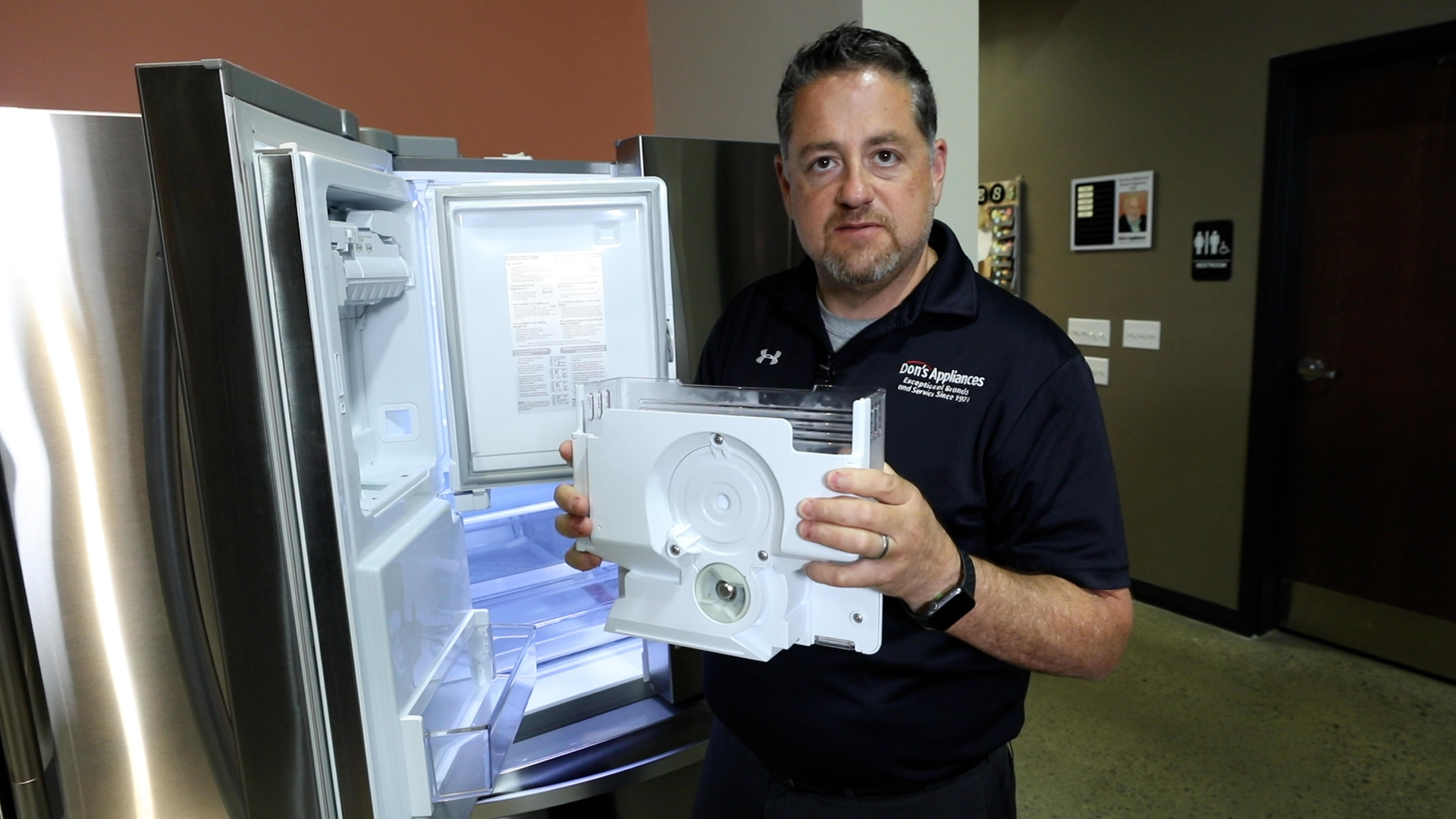
Real-world Example: Diagnosing A Slow Ice Maker
Let’s look at an example. Suppose your LG ice maker produces only a few cubes per day.
- First, check freezer temperature: Should be 0°F (-18°C).
- Next, replace the water filter if it’s older than 6 months.
- Inspect the water line for kinks and the supply valve for full flow.
- Try a reset: Hold the reset button for 5 seconds.
- Check for ice jams in the bin or chute.
If the problem continues, the water valve may be failing, or the ice maker’s motor could be wearing out. At this point, a service call may be needed.
Non-obvious Tips And Insights
Many users overlook these points:
- Power-saving features can pause ice making: Some LG models have “ice plus” or eco modes that reduce ice production. Make sure these are not active.
- High humidity can cause ice jams: In summer, humid air entering the freezer can cause ice to clump. Keep the door closed as much as possible.
- Test with the water dispenser: If your fridge has a water dispenser and it’s slow or weak, the problem is likely with the filter or water supply, not the ice maker itself.
Understanding these less obvious issues can save you time and money.

Where To Find More Help
Your refrigerator’s user manual is the best source for model-specific troubleshooting steps. LG’s support website also offers troubleshooting videos and downloadable guides. For more general tips, check reputable sources like Consumer Reports.
Frequently Asked Questions
Why Is My Lg Refrigerator Not Making Ice But Water Works?
If the water dispenser works but the ice maker does not, the issue is usually inside the ice maker. Possible causes include a full or misaligned ice bin, a faulty ice maker switch, or a sensor problem. Try resetting the ice maker and check that the bin is properly installed.
How Do I Reset My Lg Ice Maker?
Locate the reset button (often on the side or underside of the ice maker). Press and hold it for 3-5 seconds until you hear a beep or the tray moves. Wait a few hours for new ice to form. If needed, unplug the refrigerator for 2 minutes to reset all controls.
How Often Should I Replace The Water Filter?
LG recommends changing the water filter every 6 months, or sooner if ice production slows down or the water/ice tastes strange. Some fridges have a filter indicator light to remind you.
What Temperature Should My Freezer Be For The Ice Maker To Work?
Set your freezer to 0°F (-18°C) for best ice production. If the freezer is too warm, ice won’t form. If it’s too cold, the water line can freeze.
My Ice Is Clumping Together. What Should I Do?
Clumping happens when ice sits too long or humidity is high. Empty the bin and wash it with warm water. Dry it completely before replacing. Use ice regularly to keep it fresh and prevent jams.
A properly working LG ice maker adds convenience to your kitchen routine. By following these steps and tips, you can solve most problems yourself and keep your refrigerator running smoothly for years to come. If you face persistent or complex issues, don’t hesitate to reach out to LG support or a professional technician.

