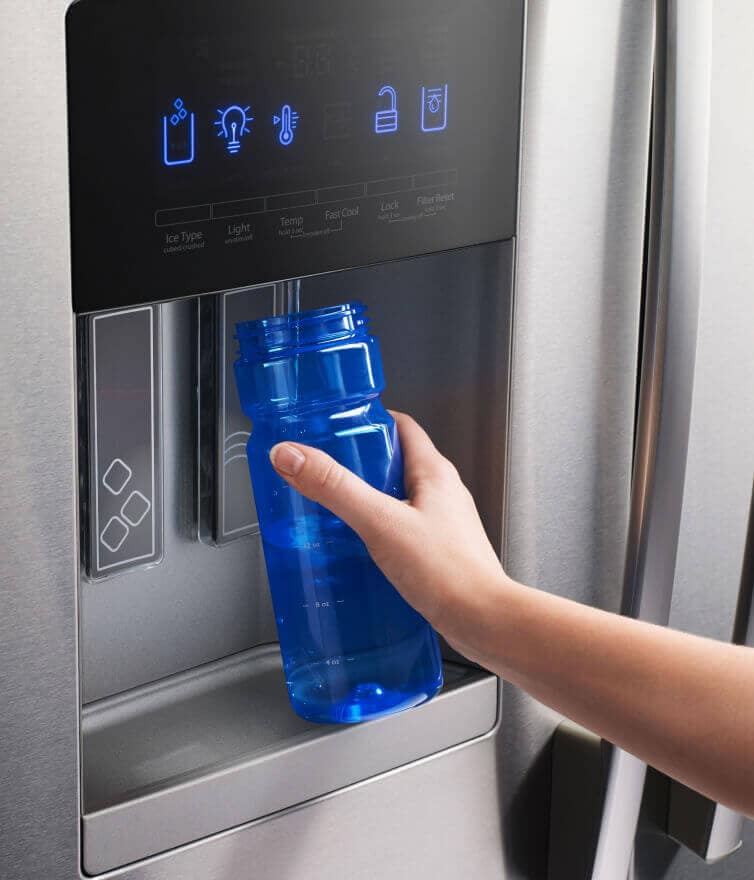
If your Amana refrigerator ice maker stops working, life gets inconvenient fast. No fresh ice for drinks, no cold packs for injuries, and a sign that something might be wrong with your appliance. While these ice makers are generally reliable, even the best models can face issues over time.
The good news? Most problems have simple solutions you can try at home before calling for professional help.

36% off Today’s Exclusive Deals
Limited-time Exclusive Deals. Check current discount on Amazon.
Check Price on Amazon As an Amazon Associate I earn from qualifying purchases.This guide will walk you through Amana refrigerator ice maker troubleshooting step by step. You’ll learn what to check, how to fix common problems, and when to seek expert repair. Whether your ice maker is not making ice, producing small cubes, or leaking water, you’ll find clear answers here. Many people miss small details that make a big difference—like how freezer temperature affects ice production, or the hidden water filter that can quietly cause trouble. Let’s get started on restoring your Amana ice maker to perfect working order.
Understanding How Your Amana Ice Maker Works
Before troubleshooting, it helps to know the basics. Amana refrigerators use two main types of ice makers: automatic (usually in the freezer) and in-door systems. Both work on similar principles.
- Water Supply: A water line connects to the refrigerator, carrying water to the ice maker.
- Filling: At set intervals, an electric valve opens, letting water flow into ice molds.
- Freezing: The water freezes into cubes inside the tray.
- Harvesting: The ice maker ejects cubes into a storage bin, ready for use.
Common electronic parts include the ice maker control board, water inlet valve, and ice level sensor. If any part fails, ice production stops or quality drops.
Common Symptoms And What They Mean
Amana ice maker problems often show up in predictable ways. Understanding these symptoms makes troubleshooting faster.
- No ice production: The ice bin is empty or nearly empty.
- Small or misshapen cubes: Ice is thin, hollow, or oddly shaped.
- Ice maker is noisy: Clicking, grinding, or humming sounds.
- Leaking water: Puddles under or inside the fridge.
- Ice tastes or smells bad: Off flavors or odors.
- Ice stuck in mold: Ice doesn’t drop into the bin.
Each symptom points to specific causes. For example, small cubes often mean low water flow, while noise usually means a mechanical part is struggling.
Quick Checks Before Troubleshooting
Sometimes, the solution is simple. Run these basic checks first:
- Is the refrigerator plugged in and running? Power issues can stop all functions.
- Is the ice maker turned on? Look for a switch or lever near the ice maker unit. It should be set to “On” or “Ice.”
- Is the water line connected and open? Make sure the valve behind the fridge is open and not kinked.
- Is the freezer cold enough? Ice makers need a freezer temperature of 0°F (-18°C) or lower.
If any of these checks fail, fix them first. Many service calls are solved by flipping a switch or tightening a water line.
Diagnosing No Ice Production
When your Amana refrigerator stops making ice, focus on these areas:
1. Freezer Temperature
The ice maker only works if the freezer is cold enough. Aim for 0°F (-18°C).
- Check the digital display (if present) or use a freezer thermometer.
- If the temperature is too high, check for blocked vents, overloaded shelves, or a dirty condenser coil.
- Defrost buildup can also raise the temperature.
2. Water Supply Issues
No water means no ice.
- Inspect the water line for kinks, leaks, or disconnections.
- Make sure the shut-off valve is fully open.
- If you recently moved the fridge, the line can get pinched.
3. Water Inlet Valve
This electric valve opens to let water in. If it’s broken, the ice maker won’t fill.
- Listen for a humming sound when the ice maker cycles. Silence may mean a failed valve.
- Test the valve with a multimeter for continuity (only if you’re comfortable with electrical checks).
- Replace the valve if it’s defective.
4. Clogged Or Old Water Filter
A dirty filter can block water flow.
- Replace the filter every 6 months, or sooner if ice slows down.
- Find the filter in the grille or inside the fridge compartment.
5. Ice Maker Assembly
Sometimes, the ice maker itself fails.
- Look for frost buildup on the ejector arm or tray.
- Try resetting the ice maker (consult your Amana manual for the reset button location).
- If nothing works, the ice maker may need replacement.
Troubleshooting Small, Misshapen, Or Cloudy Ice
If your Amana ice maker produces ice, but the cubes are odd, focus on these causes:
Water Pressure Problems
Low pressure leads to small or hollow cubes.
- Amana recommends 20–120 psi water pressure.
- Check the household water supply. Poor pressure often comes from a closed valve, clogged filter, or old plumbing.
Partial Freezing
If ice is cloudy, the water may not be freezing evenly.
- Check for frost inside the freezer (it should be dry and frosty, not wet).
- Test with a thermometer to confirm 0°F.
Mold Or Scale Buildup
Mineral deposits can cause odd shapes or cloudy cubes.
- Clean the ice mold with warm water and a soft brush (unplug the fridge first).
- Consider installing a water softener if you have hard water.
Ice Maker Is Noisy
Unusual sounds often worry owners, but some noise is normal. Identify the type:
- Buzzing/humming: Usually the water valve opening. Short bursts are normal.
- Clicking or grinding: May signal a jammed ejector arm or broken gear.
- Continuous noise: Could mean a stuck motor.
If noise is loud or constant, unplug the fridge and inspect for ice jams or debris. Replace any broken parts.

Water Leaks From The Ice Maker
Water leaks can damage your kitchen floor and cause mold. Common causes include:
Loose Or Damaged Water Line
- Check for drips where the water line meets the fridge.
- Tighten connections and replace any cracked tubing.
Ice Maker Overfilling
- A faulty water inlet valve can stick open, causing overflow.
- Adjust the fill level if your model allows (see the user manual).
- Replace the valve if adjusting does not help.
Blocked Drain
- Ice or debris can block the defrost drain, causing water to pool.
- Clear the drain with warm water using a turkey baster or similar tool.
Bad-tasting Or Smelly Ice
Ice should be clean and neutral. If it tastes odd:
- Replace old or dirty water filters.
- Clean the ice bin and maker with baking soda and water.
- Store food in airtight containers to avoid odor transfer.
- Run several batches of ice and discard them after cleaning.
Ice Stuck In The Mold Or Bin
If ice won’t eject:
- Check for frost or ice buildup around the ejector arm.
- Use a plastic utensil (never metal) to gently loosen stuck cubes.
- Defrost the freezer if needed.
- Make sure the ice bin is correctly seated and not overfilled.
Amana Refrigerator Ice Maker Troubleshooting Table
Here’s a quick reference guide for the most common ice maker problems and causes:
| Problem | Possible Cause | Quick Fix |
|---|---|---|
| No ice production | Power off, water supply closed, failed valve | Check power, open valve, test/replace valve |
| Small/hollow ice | Low water pressure, clogged filter | Check supply, replace filter |
| Noise | Jammed arm, broken gear | Inspect, remove jam, replace part |
| Leaking water | Loose line, faulty valve, blocked drain | Tighten line, replace valve, clear drain |
| Bad-tasting ice | Old filter, dirty bin | Replace filter, clean bin |
How To Reset Your Amana Ice Maker
Sometimes, a simple reset can solve mysterious issues. Amana ice makers often have a reset button or a mechanical arm you can use to restart the cycle.
- Locate the reset button (usually on the side or bottom of the ice maker).
- Press and hold for 10 seconds.
- Wait for the ice maker to cycle (may take several minutes).
If your model has a wire shut-off arm, lower it to start ice production.
When To Replace The Water Filter
A clogged water filter is a common, often-overlooked problem. Even if you have good water pressure, ice and water flow can slow down as the filter ages.
- Replace the filter every 6 months, or if ice production slows down.
- Look for the filter status light on your Amana refrigerator (on newer models).
- Always use the correct Amana part number for your model.
Here’s a quick comparison of filter types and lifespans:
| Filter Type | Location | Replacement Interval |
|---|---|---|
| Push-in | Base grille | 6 months |
| Twist-in | Inside compartment | 6 months |
| Inline | Rear of fridge | 12 months |
Ice Maker Maintenance Tips
Regular care extends the life of your Amana ice maker. Here’s what you can do:
- Clean the ice bin monthly with mild soap and water.
- Replace the water filter every 6 months.
- Check for ice jams and remove stuck cubes.
- Inspect the water line for leaks or kinks.
- Defrost the freezer if you see heavy frost buildup.
A little attention can prevent most problems.
Advanced Troubleshooting Steps
If simple fixes don’t work, try these advanced steps. Only perform them if you’re comfortable with tools and basic appliance repair.
Testing The Water Inlet Valve
- Unplug the fridge.
- Remove the back panel to access the valve.
- Use a multimeter to check for continuity (should show resistance).
- Replace the valve if it fails the test.
Checking The Ice Maker Module
- Remove the ice maker cover (usually snaps off).
- Look for burned or damaged contacts on the control board.
- Replace the ice maker assembly if damaged.
Diagnosing With Error Codes
Some Amana models display error codes on the digital panel. Consult your user manual for code meanings, or visit the official Amana support site for details.
When To Call A Professional
Not every problem is a DIY fix. Call an appliance technician if:
- The ice maker still doesn’t work after basic troubleshooting.
- There are electrical smells, sparks, or visible burn marks.
- You find water damage inside the fridge or on the floor.
- The refrigerator is under warranty (to avoid voiding coverage).
A professional can test internal parts, sensors, and wiring safely.
Cost Comparison: Diy Vs. Professional Repair
Fixing your Amana ice maker yourself can save money, but sometimes it’s smarter to hire a pro. Here’s a cost comparison:
| Repair Type | DIY Cost | Professional Cost |
|---|---|---|
| Replace water filter | $30–$60 | $100–$150 |
| Replace inlet valve | $35–$80 | $150–$250 |
| Ice maker assembly | $90–$150 | $250–$400 |
| Service call/diagnosis | $0 | $80–$120 |
Doing basic checks and filter changes yourself is usually safe. For valve or electrical issues, the cost of a mistake can outweigh the money saved.
Two Insights Most People Miss
- Freezer airflow matters as much as temperature. Blocked vents or too many items around the ice maker can keep it from freezing water quickly, even if the overall freezer temperature is fine.
- Water filter quality affects ice taste and lifespan. Cheap or off-brand filters may not fit correctly or clean water as well, causing recurring problems that are hard to trace.
Preventing Future Ice Maker Problems
A few habits can keep your Amana ice maker working smoothly:
- Always use genuine Amana parts for repairs and replacements.
- Keep the water line clear, especially after moving the refrigerator.
- Schedule a deep clean and inspection twice a year.
- If you leave home for several weeks, empty the ice bin and turn off the ice maker to avoid stale ice or leaks.
Where To Find More Help
If you need more guidance, the official Amana support website offers manuals, troubleshooting videos, and live chat help. For water quality and filter details, check resources like the EPA’s drinking water page.
Fixing an Amana refrigerator ice maker is often simple, but knowing the right steps can save you money, time, and stress. With regular care and smart troubleshooting, you can enjoy clean, fresh ice for years to come.
Frequently Asked Questions
Why Did My Amana Ice Maker Suddenly Stop Working?
Sudden stops are usually due to power loss, a closed water valve, or a full ice bin. Check that the fridge is running, the ice maker is switched on, the water supply is open, and the bin isn’t packed with ice. If these are fine, inspect the water filter and inlet valve.
How Do I Know If My Water Inlet Valve Is Bad?
A bad valve often causes no ice production or leaks. Listen for a humming sound during the ice cycle—no sound may mean a failed valve. You can test it with a multimeter for continuity. If you’re not comfortable with electrical checks, call a technician.
How Often Should I Clean My Amana Ice Maker?
Clean the ice bin and maker once a month to prevent mold and odors. Use mild soap and water, then run and discard one or two batches of ice. Replace the water filter every six months for best results.
Can I Use Other Brands Of Water Filters In My Amana Refrigerator?
It’s best to use genuine Amana filters. Off-brand filters may not fit well or filter water properly, leading to low ice production or bad-tasting ice. Using non-Amana parts can also void your warranty.
My Ice Cubes Are Stuck Together In The Bin. What Should I Do?
When ice sits in the bin too long, cubes can freeze together. Empty the bin and wash it with warm water. Dry thoroughly before replacing. Try to use ice regularly, and avoid overfilling the bin to prevent clumps.
With these practical steps and tips, your Amana refrigerator ice maker should stay reliable and efficient. If problems persist, professional help is always available.