If your Kitchenaid Superba ice maker is not working right, it can be frustrating. Ice makers are supposed to make life easier—cold drinks, parties, and daily use. But when they stop making ice, run too slow, or show error codes, it’s hard to know what to do. Many people don’t realize that simple checks or fixes can solve most problems. This guide will help you understand your ice maker, find common issues, and fix them step by step. You don’t need to be an expert to troubleshoot your Kitchenaid Superba. With some practical advice and clear instructions, you can get your ice maker working again.
Understanding Your Kitchenaid Superba Ice Maker
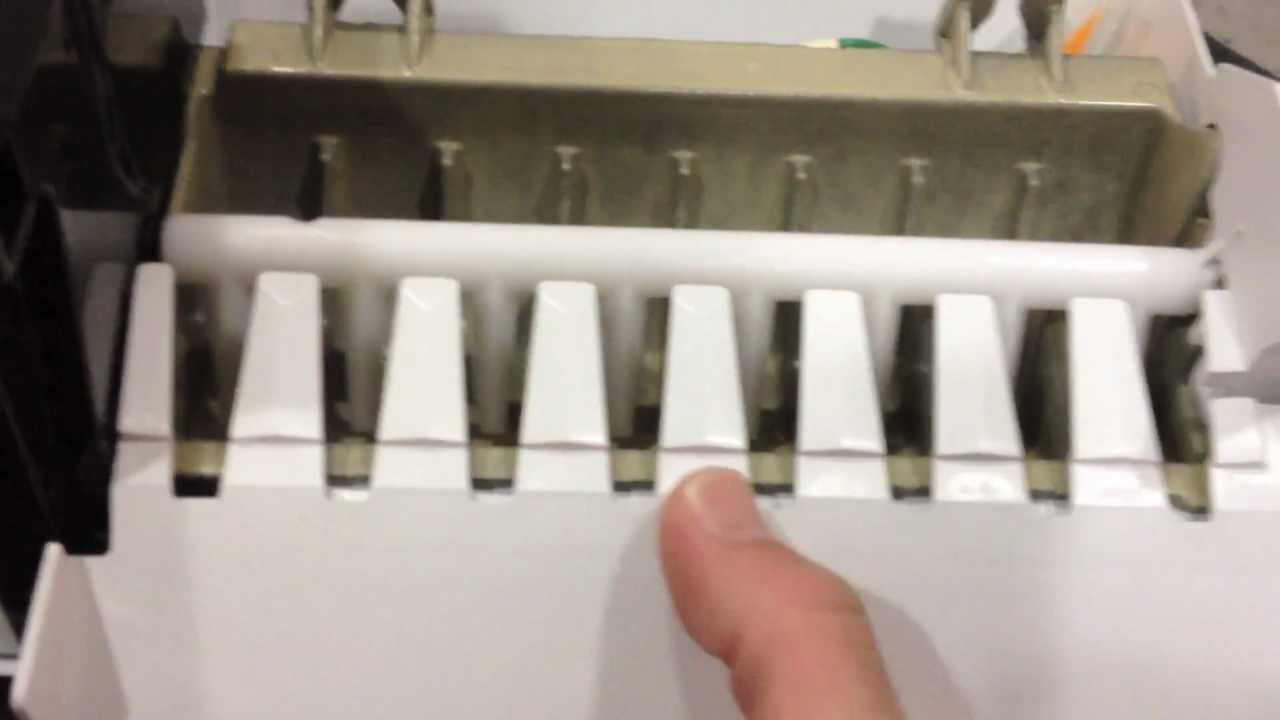
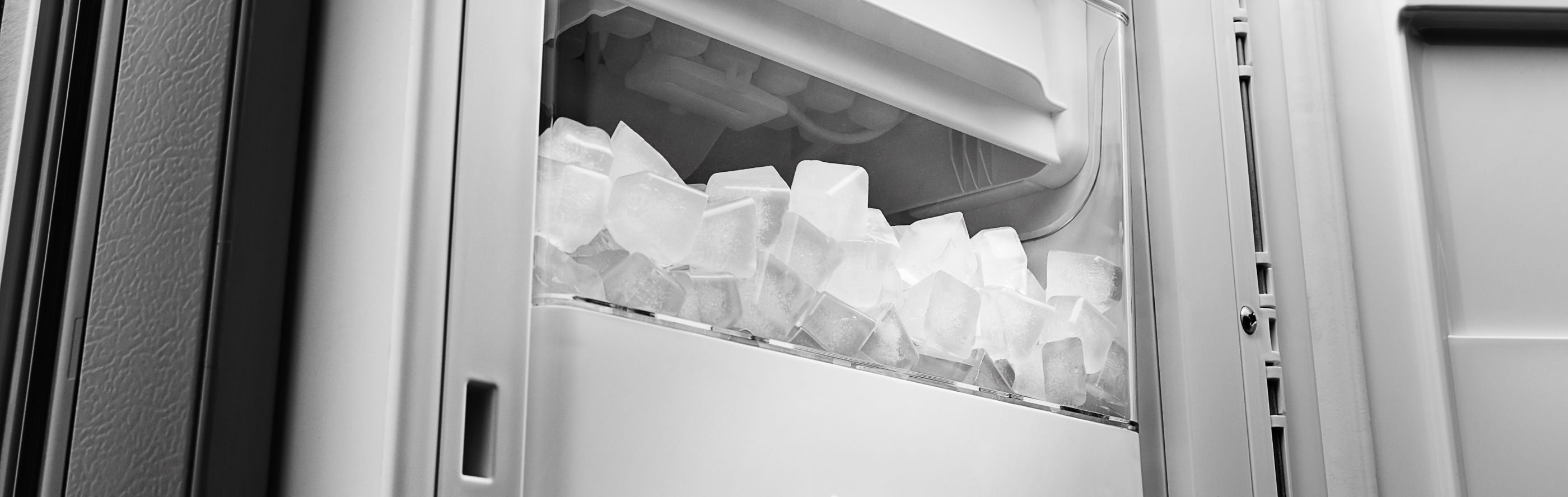
Before troubleshooting, it helps to know how your Kitchenaid Superba ice maker works. This model is known for making clear, crescent-shaped ice. It connects directly to your water supply and has a built-in water filter. The Superba uses a cycle: it freezes water, cuts the ice, and pushes it into a storage bin.

36% off Today’s Exclusive Deals
Limited-time Exclusive Deals. Check current discount on Amazon.
Check Price on Amazon As an Amazon Associate I earn from qualifying purchases.Key Features
- Automatic water supply
- Built-in water filter
- Self-cleaning cycle
- Sensor-driven ice production
How It Works
Water fills the tray, freezes, and is cut into shapes. A sensor checks if the bin is full. If not, it repeats the cycle. Problems can happen at any step—water supply, freezing, cutting, or storage.
The Superba’s design is meant for efficiency and ease. For example, the self-cleaning cycle helps reduce mineral buildup, which is common with tap water. The water filter is also important because it keeps particles, chlorine, and other impurities out of your ice.
The sensor-driven system means the ice maker knows when to pause, so it doesn’t overfill or waste water.
Many people don’t realize that the Superba’s ice production depends on the kitchen’s temperature and the quality of water used. If your kitchen is very warm, or your water has a lot of minerals, you might notice the ice isn’t as clear or plentiful.
Common Kitchenaid Superba Ice Maker Problems
Most issues fall into a few main categories. Recognizing the symptoms helps you find the right solution.
- Ice maker not making ice
- Ice is thin or hollow
- Ice maker is noisy
- Slow ice production
- Water leaks
- Ice tastes or smells bad
- Error codes or flashing lights
Here’s a quick overview:
| Problem | Possible Causes | Quick Fix |
|---|---|---|
| No ice | Water supply blocked, filter clogged, sensor fault | Check water line, replace filter, reset ice maker |
| Thin ice | Low water pressure, dirty filter | Check water pressure, clean/replace filter |
| Noisy | Loose parts, ice jam, pump issue | Inspect interior, clear jams, tighten screws |
| Leaking | Drain blocked, water line loose | Clear drain, tighten line |
Many users are surprised that even a new filter can become clogged quickly if your water has a lot of sediment or minerals. Unusual noises often signal that an easy fix, like removing a jammed ice cube, could prevent bigger repairs later.
If you notice water leaking, act quickly—small leaks can lead to much larger problems if ignored.
Step-by-step Troubleshooting Guide
Each problem needs a different approach. Let’s look at each issue and how to fix it.
1. Ice Maker Not Making Ice
This is the most common complaint. If your Superba isn’t making ice, try these steps:
- Check the power: Make sure the ice maker is plugged in and the outlet is working.
- Inspect the water supply: The ice maker needs water. Look for kinks in the water line or shut-off valves that are closed.
- Replace the water filter: A clogged filter stops water from reaching the tray. Kitchenaid recommends changing filters every 6 months.
- Reset the ice maker: Unplug for 5 minutes, then plug back in. This can clear minor electronic faults.
Sometimes, the unit’s on/off switch is accidentally turned off while cleaning or moving things around. Double-check this switch before moving on to more complex troubleshooting.
Example
One user found their ice maker stopped after a vacation. The water line was shut off. Opening the valve fixed the issue.
Another common mistake is forgetting to push the unit fully back into its cabinet space. This can sometimes pull or kink the water line, blocking water flow. Always check behind the unit for a pinched hose.
2. Ice Is Thin Or Hollow
Thin or hollow ice means the freezing cycle is not working right, or there isn’t enough water.
- Check water pressure: Low pressure creates weak ice. Most homes need 20–120 psi.
- Clean the filter: A dirty filter limits water flow.
- Inspect for mineral buildup: Hard water can block the tray. Run the cleaning cycle.
If you are using well water, it is especially important to check for minerals. Over time, they can coat the ice tray and sensors, making the cycles less effective.
Practical Tip
If your ice is thin even after cleaning, test the water pressure with a gauge. If it’s low, call a plumber.
Also, remember that an old water filter, even if it looks clean, can reduce water flow. Always replace filters on schedule, not just when you see signs of trouble.
3. Ice Maker Is Noisy
Some noise is normal. But loud banging or rattling isn’t.
- Clear ice jams: Sometimes ice gets stuck between the cutter and bin. Remove the jam carefully.
- Tighten loose screws: The ice maker vibrates. Loose screws make it louder.
- Check the pump: If the pump is noisy, it may need cleaning or replacement.
A new, sharp noise could mean a part is wearing out. For example, a clicking sound may mean the cutter grid is not moving smoothly—sometimes a drop of food-safe lubricant can help.
Non-obvious Insight
Many people ignore small noises. But persistent noise can mean a failing part. Fixing it early prevents bigger repairs.
If the noise changes or gets worse, stop the ice maker and inspect before further use. Continuous operation with a stuck part can cause damage to the motor.
4. Slow Ice Production
If your Superba takes hours to fill the bin, check these areas:
- Room temperature: High temperatures slow freezing. Keep the kitchen below 90°F.
- Dirty condenser coils: Dusty coils make the ice maker less efficient. Clean them with a brush.
- Old water filter: Even if you have some ice, a clogged filter slows production.
Another factor is how often you open the ice bin. Warm air lets in moisture, which slows down ice production. Try to keep the bin closed as much as possible.
Data Point
A clean, well-maintained Superba makes about 50–60 pounds of ice per day. If you get less than 20 pounds, there’s likely a problem.
If you notice much less ice on hot summer days, check for signs of dust on the coils and be sure no vents are blocked by kitchen items.
5. Water Leaks
Water leaks can damage floors and cabinets.
- Check the drain: A blocked drain causes overflow. Clean it with warm water.
- Inspect hoses: Tighten any loose connections.
- Look for cracks: Ice maker trays can crack with age. Replace if needed.
Leaky connections sometimes drip only when the unit is running. Watch for water under the machine after a cycle.
Practical Tip
Put a towel under the unit while troubleshooting. It catches leaks and helps spot the source.
If you find water in the bin with no obvious leak, check if the ice is melting faster than usual—this might signal a cooling problem rather than a water leak.
6. Ice Tastes Or Smells Bad
Bad-tasting ice ruins drinks.
- Replace the water filter: Filters remove odor and taste.
- Clean the ice bin: Mold or bacteria can grow in the bin.
- Run the cleaning cycle: Use Kitchenaid-approved cleaner every month.
Sometimes, bad ice taste comes from storing other foods nearby. Strong food odors can be absorbed by ice, so try to keep smelly foods wrapped tightly and away from the ice maker.
Non-obvious Insight
If your ice smells after cleaning, check your home’s water supply. Sometimes, water quality changes cause taste issues.
If you recently changed your filter and the taste is still off, flush the first few batches of ice—they may absorb residue from the new filter.
7. Error Codes And Flashing Lights
Superba ice makers show error codes if something is wrong.
- Consult the manual: Each code means a specific problem.
- Reset the unit: Sometimes, unplugging fixes the code.
- Call support: If codes persist, contact Kitchenaid.
Here’s a quick error code reference:
| Error Code | Meaning | Action |
|---|---|---|
| E1 | Water supply error | Check water line |
| E2 | Ice bin sensor fault | Reset sensor |
| E3 | Freezing cycle error | Clean unit, check coils |
If you see an unfamiliar code, write it down before resetting the unit. This information can help a technician diagnose the problem faster.
Cleaning And Maintenance Tips
Regular maintenance prevents most problems.
Cleaning Schedule
- Every month: Clean the ice bin and run the cleaning cycle.
- Every 6 months: Replace the water filter.
- Yearly: Clean condenser coils and check hoses.
For homes with hard water, you might need to clean more often. Signs you need to clean sooner include cloudy ice, slow production, or visible scale in the bin.
Cleaning Steps
- Unplug the ice maker.
- Remove the ice bin.
- Use warm water and mild soap to clean the bin.
- Run the self-cleaning cycle with cleaner.
- Dry and reassemble.
When cleaning, don’t forget to wipe the rubber seals and door edges. These areas collect moisture and mold. Always let parts dry completely before putting them back to prevent mold growth.
Practical Example
A family noticed mold in their ice bin. They cleaned it, replaced the filter, and ran the cleaning cycle. The ice tasted better, and production improved.
Another user found that cleaning the condenser coils behind the unit twice a year kept the ice maker running quieter and more efficiently.
Troubleshooting Advanced Issues
Some problems are harder to fix. Here’s what to do if simple steps don’t help.
Electrical Problems
If the unit won’t turn on:
- Check the outlet: Use another appliance to confirm power.
- Inspect the cord: Look for damage.
- Test the fuse: Some models have internal fuses.
If your ice maker shuts off randomly, it could be a sign of a failing power supply or control board. Unstable power can cause repeated resets.
Sensor Or Control Board Faults
Modern ice makers use sensors to control cycles. If the bin sensor fails, the unit may stop making ice.
- Reset the sensor: Most sensors reset after unplugging.
- Replace faulty sensors: Parts are available online.
- Call a technician: If control board issues persist.
Sometimes, a dirty sensor gives false readings. Wipe sensors gently with a soft, dry cloth to remove dust or buildup.
Water Supply Issues
Low water pressure or blocked supply lines are common.
- Check the shut-off valve: It should be fully open.
- Inspect the line for kinks: Straighten the hose.
- Flush the line: Remove the filter and run water for a minute.
If you recently did plumbing work, air bubbles may be trapped in the line. Flushing the line clears air and debris, restoring flow.
Compressor Problems
If your ice maker runs but doesn’t freeze, the compressor might be faulty.
- Listen for humming: If silent, compressor may be dead.
- Check cooling: If coils are warm, call a technician.
A weak compressor can sometimes run but not chill enough. If ice is wet or melting quickly, this can be a warning sign.
When To Call A Professional
Some repairs need expert help. Call a professional if:
- You see electrical damage
- The compressor is dead
- Error codes persist after resetting
- Water leaks inside the machine
Repairs cost between $150–$350, depending on parts and labor. If your ice maker is over 10 years old, consider replacing it.
Professional technicians have special tools to test sensors, control boards, and sealed system parts. If you’re not comfortable with electrical work or refrigerant systems, don’t risk it—call for help.
Comparing Kitchenaid Superba With Other Ice Makers
To understand your options, here’s a comparison with other brands:
| Brand | Ice Production (lbs/day) | Filter Replacement | Self-Cleaning | Average Lifespan (years) |
|---|---|---|---|---|
| Kitchenaid Superba | 50–60 | 6 months | Yes | 10–12 |
| Whirlpool Gold | 45–55 | 6 months | No | 8–10 |
| GE Profile | 40–50 | 12 months | Yes | 9–11 |
Kitchenaid’s self-cleaning cycle is a real advantage if you want less maintenance. GE Profile’s longer filter life can save time, but always check for local water quality—some homes need more frequent filter changes. Whirlpool Gold’s simpler design is easier to repair but lacks advanced features.
Tips For Preventing Future Problems
You can avoid most issues by following these practical tips:
- Use filtered water: Reduces mineral buildup.
- Clean regularly: Stops mold and bacteria.
- Replace filters on schedule: Keeps water fresh.
- Check hoses yearly: Prevents leaks.
- Keep the area cool: High temperatures slow ice production.
If your home has frequent power surges, consider a surge protector to protect the ice maker’s electronics.
Non-obvious Insight
Many users forget to clean condenser coils. Dust buildup lowers efficiency and can cause freezing issues.
Clean behind and under your ice maker every few months. Dust and pet hair can collect quickly, especially if your kitchen is busy.
Kitchenaid Superba Ice Maker: Real User Experiences
Many people have solved problems themselves. Here are two real-life stories:
Case 1: No Ice After Moving
A family moved homes. Their Superba stopped making ice. After checking, they found the water line wasn’t connected fully. Tightening the line fixed the issue.
Another homeowner faced a similar problem after installing a new refrigerator. The installer didn’t fully open the water valve. Once they did, ice production returned to normal.
Case 2: Smelly Ice
One user noticed bad-smelling ice. Cleaning the bin didn’t help. Replacing the filter and cleaning the water line solved the problem.
In another case, a renter fixed ice odor by asking the landlord to flush the building’s water supply. Afterward, the ice tasted fresh again.
These stories show that simple checks often fix complex issues.
Frequently Asked Questions
How Often Should I Clean My Kitchenaid Superba Ice Maker?
Clean the ice bin and run the cleaning cycle every month. Replace the water filter every six months. If you use the ice maker heavily, clean it more often to prevent mold and buildup.
Also, check the user manual for specific recommendations based on your model and usage.
Why Is My Superba Ice Maker Making Thin Ice?
Thin ice is usually caused by low water pressure or a dirty filter. Check your home’s water pressure (should be 20–120 psi) and replace the filter if needed. Also, make sure the water line is straight and not kinked.
If you live in an area with hard water, consider installing a whole-house water softener to improve ice quality.
What Do Error Codes Like E1 Or E2 Mean?
Error codes point to specific problems. E1 means a water supply error, E2 is a bin sensor fault. Consult your Kitchenaid manual for details. Some codes clear by unplugging the unit and plugging it back in.
Keep a copy of your error codes and solutions for quick reference.
Is It Normal For My Ice Maker To Be Noisy?
Some noise is normal. But loud or unusual sounds can mean ice jams, loose parts, or pump issues. Inspect the inside for stuck ice and tighten any loose screws. Persistent noise should be checked by a technician.
If you hear a new sound, investigate early to avoid bigger problems later.
Where Can I Find Official Cleaning Products Or Replacement Parts?
Official Kitchenaid cleaning products and replacement parts are available at appliance stores and online. Always use parts recommended by Kitchenaid. For more information, visit the Kitchenaid Official Site.
Taking care of your Kitchenaid Superba ice maker is not difficult. Most problems are simple to fix with the right steps. Regular cleaning, filter changes, and checking hoses prevent most issues. If bigger problems appear, don’t hesitate to call a professional. With this guide, you can keep your ice maker running smoothly for years, ensuring cold drinks and happy guests.