

If your KitchenAid ice maker suddenly stops working, it can feel frustrating—especially on a hot day or before a party. Many people think fixing an ice maker is complicated. But in most cases, you can solve the problem with simple steps. This article will help you troubleshoot your KitchenAid ice maker, whether it’s built into your refrigerator or a stand-alone machine. You’ll learn how to spot issues, fix common problems, and know when to call for expert help. Let’s make sure you never run out of ice again.
Understanding Kitchenaid Ice Makers
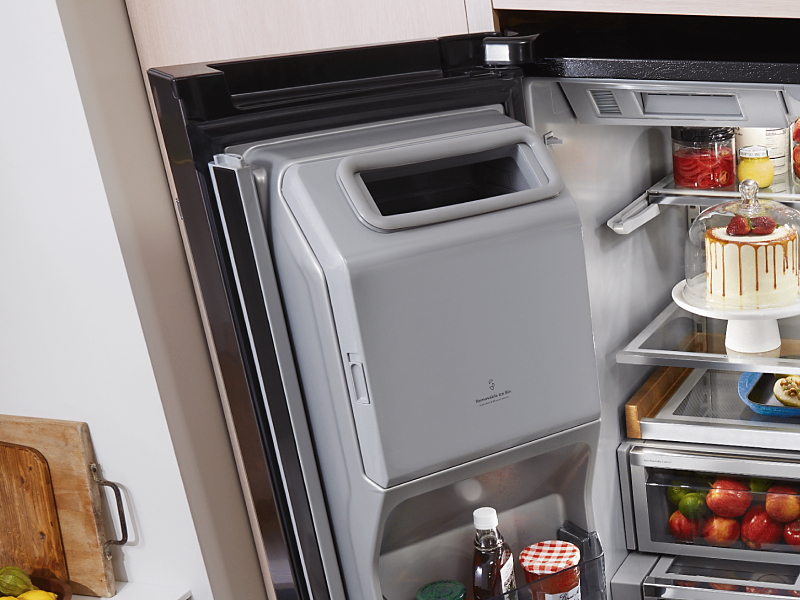
KitchenAid ice makers come in two main types:

36% off Today’s Exclusive Deals
Limited-time Exclusive Deals. Check current discount on Amazon.
Check Price on Amazon As an Amazon Associate I earn from qualifying purchases.- Built-in ice makers (usually inside refrigerators)
- Standalone ice maker machines
Both use similar technology—a water supply, freezing mechanism, and bin to store ice. Their performance can be affected by many factors: water quality, temperature, and regular use.
Key Features
- Automatic shut-off: Stops making ice when the bin is full.
- Water filter: Keeps ice clean and clear.
- Self-cleaning cycles: Reduce the need for manual cleaning.
Knowing these features helps you understand what may go wrong and how to fix it.
Common Problems And Quick Solutions
KitchenAid ice makers are reliable, but issues can happen. Here are the most common problems and how to solve them.
1. Ice Maker Not Making Ice
If your ice maker stops producing ice, check these first:
- Power connection: Make sure the ice maker is plugged in and switched on.
- Water supply: Ensure the water line is connected and the valve is open.
- Freezer temperature: Should be below 0°F (-18°C). If it’s warmer, ice won’t form.
2. Ice Maker Making Small Or Misshapen Ice
- Low water pressure: Check for kinks in the water line.
- Dirty filter: Replace the water filter if it’s been more than six months.
- Freezer too cold: Very low temperatures can cause small or hollow ice.
3. Ice Maker Leaking Water
- Blocked drain: Clear any ice buildup or debris from the drain hole.
- Loose connections: Tighten the water inlet and check for leaks.
- Overfilled tray: Sometimes the ice tray overfills—reset the ice maker.
4. Ice Tastes Or Smells Bad
- Old filter: Change the filter regularly.
- Dirty bin: Clean the ice bin with warm water and mild soap.
- Stale ice: Remove old ice and let the machine cycle fresh batches.
5. Ice Maker Makes Noise
- Normal sounds: Clicking or humming is usually normal.
- Loud banging: Could mean ice is stuck. Remove jammed cubes carefully.
- Buzzing: May signal low water pressure.
Step-by-step Troubleshooting Guide
Sometimes, a simple fix works. Other times, you need to dig deeper. Follow these steps to troubleshoot your KitchenAid ice maker.
Step 1: Check Power And Settings
- Make sure your ice maker is plugged in.
- Confirm that the ice maker’s switch or lever is set to “ON.”
- If your refrigerator has a control panel, check the ice maker settings.
Step 2: Inspect Water Supply
- Look for kinks or bends in the water line.
- Make sure the water valve is fully open.
- Test water pressure—should be at least 20 psi.
Step 3: Check Freezer And Ice Maker Temperature
- Freezer temperature should be between 0°F and 5°F.
- If your ice maker has its own thermostat, make sure it’s set correctly.
Step 4: Clean And Replace Components
- Remove and clean the ice bin.
- Replace the water filter if it’s old.
- Run a cleaning cycle if your machine has this option.
Step 5: Reset The Ice Maker
- Unplug the ice maker for 5 minutes, then plug it back in.
- Some models have a reset button—press and hold it for 10 seconds.
Kitchenaid Ice Maker Error Codes
Some KitchenAid models display error codes when there’s a problem. Understanding these codes can speed up troubleshooting.
| Error Code | Meaning | Action |
|---|---|---|
| E2 | Ice maker sensor error | Check wiring and replace sensor if needed |
| E3 | Water inlet error | Inspect water valve and line |
| E4 | Drain error | Clear drain and check pump |
| E5 | Overfill error | Reset ice maker, check tray |
If you see an error code, check your user manual for details. Most codes mean there’s a specific part or process that needs attention.
Cleaning And Maintenance Tips
Regular cleaning and maintenance can prevent most ice maker problems. Here’s how to keep your KitchenAid ice maker running smoothly.
Cleaning Steps
- Turn off and unplug the ice maker.
- Remove the ice bin and wash it with warm, soapy water.
- Wipe down the inside with a soft cloth.
- Clean the water filter housing.
- Rinse and dry all parts before reassembling.
Maintenance Schedule
- Every 6 months: Replace the water filter.
- Monthly: Clean the ice bin and wipe down surfaces.
- Yearly: Inspect the water line and connections.
Practical Tips
- Use filtered water to reduce mineral buildup.
- Don’t overload the ice bin.
- If you’re away for long periods, empty the ice maker and turn it off.
How To Replace A Kitchenaid Water Filter
A clogged or old filter is a common cause of ice maker problems. Here’s how to replace it:
- Locate the filter (usually in the refrigerator or ice maker compartment).
- Turn the old filter counter-clockwise to remove.
- Insert the new filter and turn clockwise until it locks.
- Run the ice maker for a few cycles before using ice.
Replacing your filter keeps ice tasting fresh and prevents blockages.
Comparing Kitchenaid Ice Maker Models
Not all KitchenAid ice makers are the same. Here’s a quick comparison of popular models:
| Model | Type | Ice Production | Filter | Price Range |
|---|---|---|---|---|
| KUIX505ESS | Stand-alone | Up to 50 lbs/day | Yes | $2,000-$2,500 |
| KRFF507HPS | Built-in (fridge) | Up to 12 lbs/day | Yes | $2,500-$3,000 |
| KUIS18PNZB | Stand-alone | Up to 35 lbs/day | Optional | $1,800-$2,200 |
Choose a model based on your needs. If you use lots of ice, a stand-alone model might be best. For casual use, a built-in fridge ice maker works well.
When To Call A Professional
Sometimes, troubleshooting isn’t enough. Here’s when you should call a repair expert:
- Water leaks inside the refrigerator or kitchen
- Ice maker error codes won’t clear
- Electrical issues or sparks
- Strange odors or smoke
KitchenAid recommends professional service for major repairs. Trying to fix electrical or water issues yourself can be risky.
Preventing Future Issues
You can avoid most ice maker problems with good habits:
- Keep the ice bin clean
- Use filtered water
- Replace filters regularly
- Don’t ignore small issues—fix them early
Small actions, like cleaning and checking connections, help your ice maker last longer.
Comparing Ice Maker Troubleshooting Costs
Repairing an ice maker can cost less than replacing it. Here’s a typical cost comparison:
| Problem | DIY Cost | Professional Cost |
|---|---|---|
| Replace water filter | $40-$60 | $100-$150 |
| Fix water line | $20-$50 | $150-$300 |
| Replace sensor | $50-$80 | $200-$350 |
| New ice maker | N/A | $400-$700 |
DIY fixes are cheaper but require some skill. For complex issues, hiring a pro is safer.
Non-obvious Insights For Better Troubleshooting
Many beginners overlook these tips:
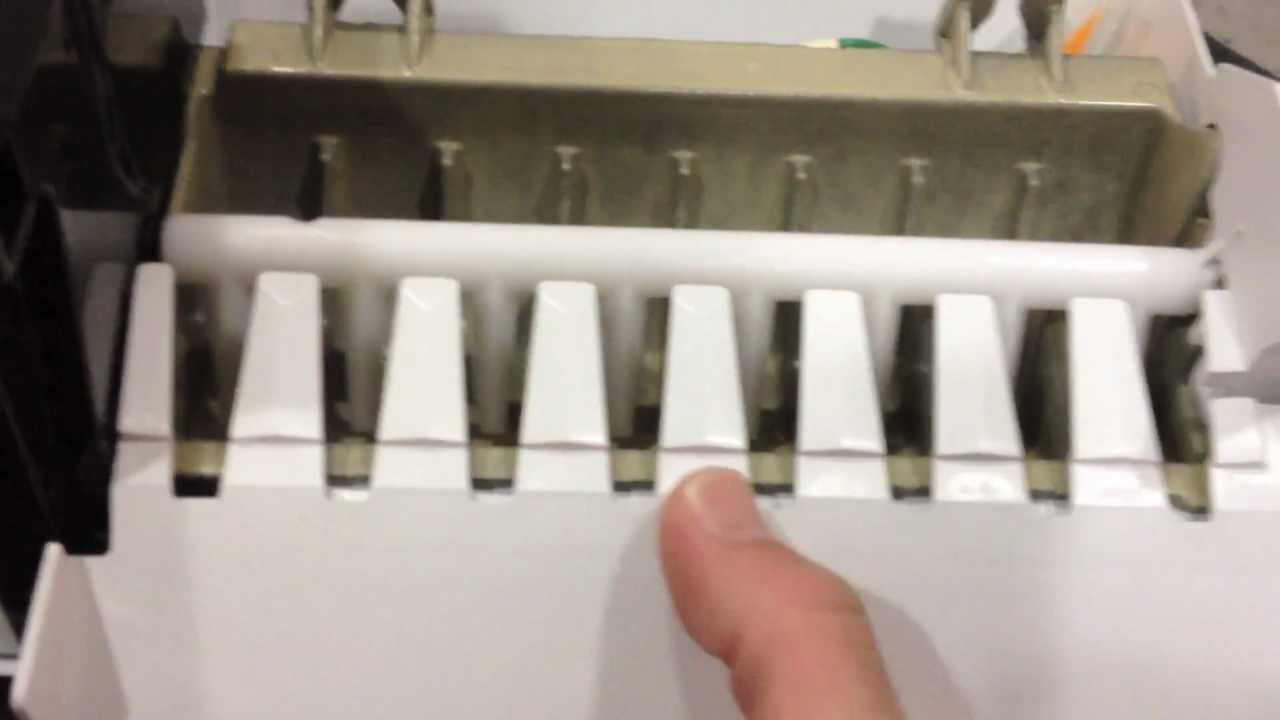
- Air gaps in the water line: Even a small air bubble can stop water flow. Bleed the line after filter changes.
- Ice maker alignment: If the ice maker isn’t level, water may spill or ice may not eject correctly. Use a spirit level to check.
- Power surges: After a storm, reset your ice maker even if it seems fine. Surges can cause invisible errors.
These small actions can solve problems that seem difficult at first.
Frequently Asked Questions
Why Does My Kitchenaid Ice Maker Stop Working After A Power Outage?
After a power outage, some models need to be reset. Unplug the unit for five minutes, then restart. This clears most electronic errors.
How Often Should I Replace My Kitchenaid Water Filter?
Replace your water filter every six months, or sooner if your ice tastes bad or production slows.
What Should I Do If My Ice Maker Leaks Water?
Check for loose water lines, blocked drains, and overfilled trays. If leaks continue, contact a repair technician.
Can I Use Tap Water In My Kitchenaid Ice Maker?
You can, but filtered water is best. Tap water may cause mineral buildup and cloudy ice. Filters help produce clearer, better-tasting ice.
Where Can I Find Official Kitchenaid Troubleshooting Guides?
Visit the official KitchenAid site for detailed guides and support: KitchenAid Official Website.
Your KitchenAid ice maker can be reliable for years if you follow these troubleshooting steps and maintenance tips. A little attention goes a long way—most problems are simple to fix, and regular care prevents bigger issues. With the right knowledge, you can enjoy fresh ice whenever you need it, and avoid costly repairs.


