

If your Vivohome ice maker is not working as expected, it can be frustrating—especially when you need ice for drinks, parties, or daily use. The good news is most ice maker problems have clear causes and can be solved without professional help. This article will guide you through the most common issues, how to fix them, and when to seek extra help. Whether you’re dealing with a unit that won’t turn on, makes too little ice, or produces ice with an odd taste, you’ll find practical advice here. Let’s look at how to troubleshoot your Vivohome ice maker and keep the ice coming.
Understanding Your Vivohome Ice Maker
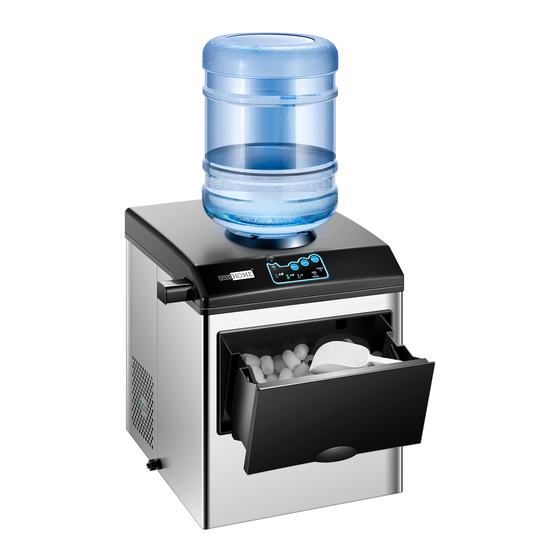
Before fixing problems, it helps to know how your Vivohome ice maker works. These machines use water, a refrigeration system, and a control board to freeze and release ice cubes. There are sensors to check water levels and ice production, and a fan to help cool the unit. Some models are portable, while others are countertop or commercial style. Knowing your model’s features helps you spot issues faster.
Main Parts Of A Vivohome Ice Maker
- Water reservoir: Where you add water.
- Evaporator rods: Freeze the water to make ice.
- Ice basket: Where finished ice is stored.
- Control panel: Lets you select settings and start/stop the process.
- Sensors: Monitor ice level and water supply.
- Compressor and fan: Cool the water and keep the system running.
Each part plays a role. If one part fails, it can cause issues with ice production.
Common Vivohome Ice Maker Problems And Solutions
Let’s look at the most frequent issues owners face and how to address them.
1. Ice Maker Will Not Turn On
If your ice maker won’t start, check these steps first:
- Power connection: Make sure the plug is securely in the outlet.
- Outlet function: Test the outlet with another device.
- Power button: Press firmly and hold for a second or two.
- Fuse or breaker: Check your home’s fuse box for a tripped switch.
If everything looks fine but it still won’t turn on, the internal power board could be faulty—a rare but possible issue.
2. No Ice Production
If your Vivohome ice maker runs but makes no ice:
- Water supply: Is the reservoir filled to the right level?
- Sensors: Some models stop if the ice basket is full or the sensor is dirty. Wipe sensors with a soft cloth.
- Room temperature: The best range is 50–90°F (10–32°C). If it’s too hot or cold, the ice maker may not work well.
- Clogged water line: Check for mineral deposits or debris and clean if needed.
If the machine runs for 30+ minutes without ice, unplug and let it rest for 15 minutes before restarting.
3. Low Ice Output
If your machine makes less ice than expected:
- Water quality: Hard water or minerals slow freezing. Use filtered or distilled water if possible.
- Dirty parts: Dust or mineral buildup on the evaporator rods can reduce ice size. Clean with vinegar and water.
- Airflow: Make sure nothing blocks the fan or vents.
- Overfilling: Don’t overfill the reservoir; follow the max line.
Some Vivohome models make 26–40 lbs of ice per day under ideal conditions. Lower output is often due to room temperature or water quality.
4. Odd-tasting Or Cloudy Ice
If your ice tastes bad or looks cloudy:
- Water source: Tap water with chlorine, minerals, or odors will affect ice taste. Try bottled or filtered water.
- Cleaning frequency: Clean the machine every 1–2 weeks using the self-cleaning function or a vinegar rinse.
- Mold or bacteria: Clean all removable parts with mild soap. Rinse thoroughly.
Cloudy ice is common and usually not harmful—it’s trapped air or minerals. If taste is still off after cleaning and changing water, consider replacing the filter if your model has one.
5. Ice Stuck In The Machine
Sometimes, ice cubes don’t drop into the basket:
- Full basket sensor: If the sensor is dirty, the machine may think the basket is full and stop.
- Large ice cubes: If cubes are too big, lower water levels or reduce freezing time.
- Mechanical jam: Turn off and gently remove stuck ice with a plastic utensil.
Never use metal objects—they can damage the machine.
6. Leaking Water
If you see water on the counter:
- Reservoir overfill: Only add water to the max fill line.
- Drain plug: Check that it’s fully closed and not cracked.
- Unit level: The ice maker must sit flat on the counter.
- Hose connections: For larger models with drain hoses, make sure they’re tight.
If leaks continue, check the inside for cracks or damaged seals.
7. Machine Is Noisy
Some noise is normal, but loud or unusual sounds may signal:
- Fan or compressor problem: Whirring or grinding may mean a failing fan or compressor.
- Ice dropping: Clattering is normal as ice falls.
- Loose panels: Tighten any loose exterior panels.
If the noise gets worse, unplug the unit and contact support.
How To Clean And Maintain Your Vivohome Ice Maker
Regular cleaning prevents many common problems. Here’s a simple routine for most Vivohome models:
- Unplug the machine before cleaning.
- Remove the ice basket and water reservoir (if removable).
- Prepare a cleaning solution: Use equal parts white vinegar and water.
- Wipe all surfaces with a soft cloth or sponge.
- Run a cleaning cycle: Some models have a self-clean mode—add the solution and start it.
- Rinse thoroughly with clean water to remove any vinegar smell.
- Dry all parts before reassembling and plugging back in.
Do this every 1–2 weeks, especially if you use the machine daily.
Comparing Vivohome Models: Troubleshooting Differences
Not all Vivohome ice makers are the same. Here’s a quick look at three popular types and what’s unique for troubleshooting:
| Model Type | Typical Problems | Unique Troubleshooting Tips |
|---|---|---|
| Countertop | Low ice output, sensor errors | Clean sensors often; keep airflow clear |
| Portable | Water leaks, stuck ice | Check for level surface; avoid overfilling |
| Commercial | Loud noise, clogged drains | Inspect drain lines; schedule deeper cleans |
Always check your owner’s manual for model-specific advice.
When To Call For Professional Help
Most Vivohome ice maker problems are easy to fix at home. However, sometimes you need an expert:
- Electrical faults: If the unit trips breakers or smells like burning.
- Compressor issues: If ice is never produced, and the compressor is silent or very hot.
- Broken parts: Cracked reservoir, damaged sensors, or leaks from inside.
If your machine is under warranty, contact Vivohome support before opening or repairing it yourself.
Essential Tools And Supplies For Troubleshooting
Having the right tools makes maintenance easier:
- Soft cloths for cleaning sensors and surfaces
- White vinegar and water for cleaning
- Small brush for tight spaces
- Plastic utensil for removing stuck ice
- Measuring cup for filling water reservoir
These basic items help keep your Vivohome ice maker running smoothly.

Preventing Future Problems
A little prevention goes a long way:
- Use filtered water to reduce mineral buildup.
- Clean regularly—set a reminder every 2 weeks.
- Keep the unit level and in a cool, ventilated spot.
- Don’t overfill the reservoir.
- Check sensors and fans for dust every month.
By following these simple habits, you can avoid most ice maker issues.
Real-life Example: A Troubleshooting Story
Maria noticed her Vivohome ice maker was making less ice each day. She checked the water reservoir, which was filled with tap water from her city’s supply. After reading her manual, she saw that mineral buildup could slow the freezing process.
Maria unplugged the machine, cleaned the evaporator rods with vinegar, and switched to filtered water. Within hours, her ice output returned to normal. This small change saved her the cost and hassle of a repair call.

Quick Reference: Common Error Codes
Some Vivohome models display error codes. Here’s a summary:
| Error Code | Meaning | Solution |
|---|---|---|
| E1 | Water shortage | Refill reservoir, check for leaks |
| E2 | Ice full | Empty basket, clean sensor |
| E3 | Ice making time too long | Check for mineral buildup, clean rods |
If you see an error not listed in your manual, contact Vivohome support.
Two Non-obvious Insights For Owners
- Sensor Cleaning: Many users forget that even a tiny bit of dust or water drop on the infrared sensor will stop ice production. Wipe sensors with a dry cloth every cleaning cycle—even if they look clean.
- Room Placement: Putting your ice maker near a stove or sunny window can slow ice production by several pounds per day. Always place it in a cool, shaded spot for best results.
Frequently Asked Questions
Why Does My Vivohome Ice Maker Keep Saying “add Water” When It’s Full?
If your ice maker asks for water even when the reservoir is full, the water sensor might be dirty or blocked. Try cleaning the sensor with a damp cloth. If the problem continues, use distilled water to reduce mineral buildup, which can confuse the sensor.
How Often Should I Clean My Vivohome Ice Maker?
Clean your ice maker every 1–2 weeks, especially if you use it daily. Regular cleaning prevents mold, bacteria, and mineral buildup, keeping your ice safe and the machine running smoothly.
Is It Safe To Use Vinegar In My Ice Maker?
Yes, white vinegar is safe and effective for removing mineral deposits in most Vivohome ice makers. Always rinse thoroughly with clean water after using vinegar to prevent any taste or odor in the ice.
My Ice Maker Is Making Smaller Cubes Than Before. What’s Wrong?
Smaller ice cubes often mean the water reservoir is too low, or mineral buildup is reducing freezing efficiency. Fill the reservoir to the correct level and clean the evaporator rods. If you use tap water, switch to filtered water.
Where Can I Find The Official Vivohome Troubleshooting Guide?
You can find the official troubleshooting guide on the Vivohome website or in your product’s user manual. For more detailed tips and model-specific help, visit the Vivohome FAQ page.
If you follow these steps and tips, your Vivohome ice maker should provide reliable ice for years. Regular cleaning, proper placement, and quick attention to small problems will keep your machine in top shape. When in doubt, consult the manual or reach out to Vivohome support for expert help.
