

Code 31 signals a pressure switch or venting problem on many Carrier furnaces.
I’ve worked on Carrier systems for years and I’ll walk you through Carrier Furnace Troubleshooting Code 31. This guide explains what the code means, the likely causes, clear test steps, simple fixes you can try, and when to call a pro. Read on to diagnose and resolve Code 31 with confidence.

36% off Today’s Exclusive Deals
Limited-time Exclusive Deals. Check current discount on Amazon.
Check Price on Amazon As an Amazon Associate I earn from qualifying purchases.
What Code 31 Means
Carrier Furnace Troubleshooting Code 31 is a fault that points to the combustion air path. It most often means the furnace did not get a proper pressure switch signal during startup. The pressure switch is a safety device. It confirms the inducer fan and venting are moving air as they should.
Code 31 can appear as a blinking LED or an error number on a digital display. The exact meaning can vary by model and control board. So always check your furnace label and manual if you can.
Common symptoms tied to Code 31 include the furnace trying to start but shutting down, repeated lockouts, or the inducer motor running but no ignition. These are signs to check vents, hoses, and the pressure switch.

Common Causes of Code 31
Carrier Furnace Troubleshooting Code 31 often stems from simple issues. Here are common causes to consider.
- Blocked venting or chimney preventing airflow.
- Faulty or stuck pressure switch.
- Disconnected, pinched, or clogged pressure hose.
- Weak or failed inducer motor.
- Condensate or debris in the pressure switch or hose.
- Electrical or control board fault that misreads the switch.
- Incorrect installation or draft problems due to wind or negatives pressure.
Most of these are fixable with inspection and small repairs. Knowing which cause is likely helps you test correctly and stay safe.

Step-by-Step Troubleshooting Guide
Always turn off power and gas before you inspect. Work safely. If you are not comfortable, call a licensed tech.
- Visual check first
- Look for obvious issues.
- Ensure vents and intake are clear of snow, nests, or debris.
- Inspect the pressure hose
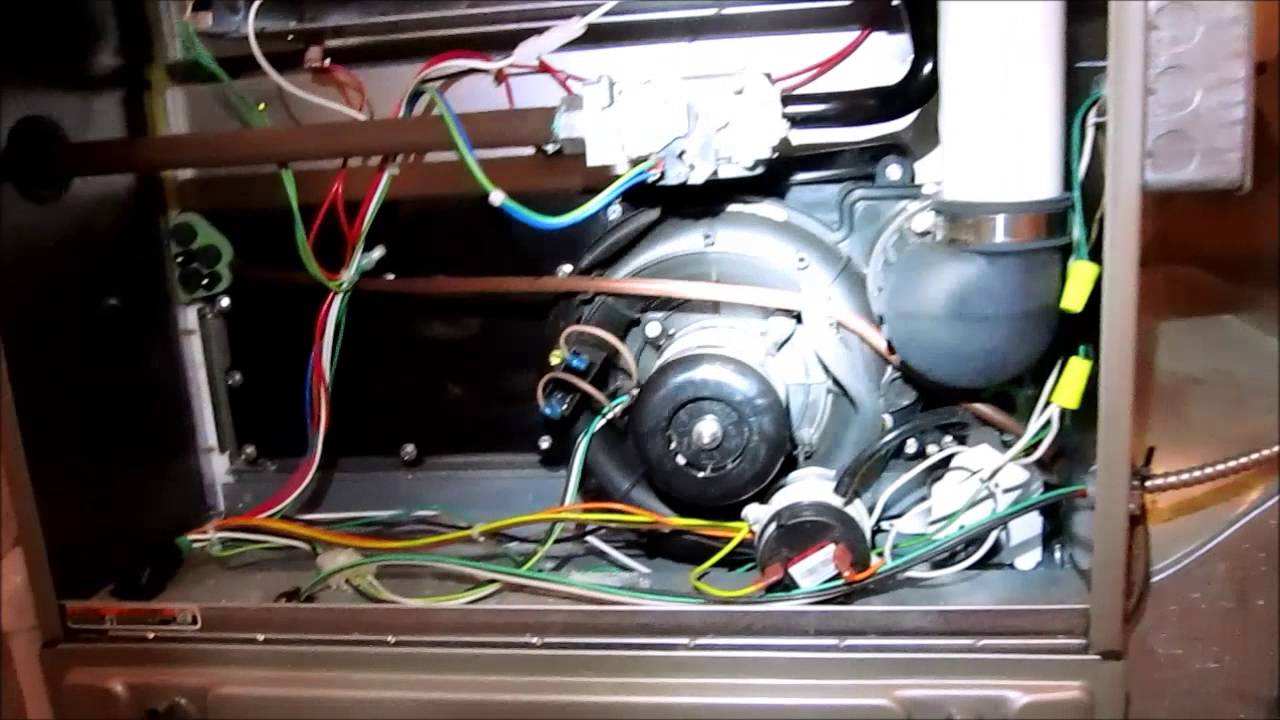
- Find the small rubber hose from the inducer to the pressure switch.
- Make sure it is connected and not cracked, pinched, or blocked.
- Clear condensate or debris
- Blow through the hose gently.
- Remove any water or soot you find.
- Check the inducer fan
- Turn power on and start the furnace to observe the inducer.
- If the inducer runs but the switch does not close, the switch may be bad.
- Test the pressure switch with a multimeter
- With inducer running, check for continuity across switch terminals.
- The switch should change state when vacuum is present.
- Swap or bypass only for testing
- Do not run the furnace with safety parts bypassed long term.
- Temporarily bypassing can confirm the switch is the issue.
- Inspect vent termination and chimney
- Check for animals, ice, or debris blocking the exhaust.
- Look for signs of backdraft or improper slope in the vent pipe.
- Reset and observe
- After fixes, reset the furnace and watch multiple start cycles.
- Ensure it runs reliably without returning to Code 31.
If tests show a bad pressure switch or inducer motor, replace the faulty part. Use exact OEM or compatible parts and follow torque and wiring specs.
When to Call a Professional
Call a licensed HVAC pro if any of these apply.
- You smell gas or detect a leak.
- You are unsure about gas or electrical work.
- The unit locks out after a few resets.
- The inducer motor needs replacement or the control board is suspect.
- The furnace is under warranty and a DIY fix may void it.
A pro can run pressure measurements, check combustion, and ensure safe repairs. They also have access to diagnostic tools and parts.

Replacement Parts and Typical Costs
Here are parts commonly involved when fixing Code 31 and rough cost ranges. Prices vary by model and region.
- Pressure switch replacement: modest cost, typically moderate price.
- Inducer motor: mid-range cost, often the pricier single part.
- Pressure hose: low cost and easy to replace.
- Control board: higher cost and requires precise diagnosis.
- Venting parts or termination caps: low to moderate cost.
Labor can add substantially to total cost. Expect a service call plus labor for part replacement. Always get a clear estimate before work begins.
Preventive Maintenance to Avoid Code 31
Good maintenance prevents many Code 31 failures. Keep a simple routine.
- Change filters every 1 to 3 months.
- Inspect vent terminations each season for blockage.
- Clear dryer lint and debris near outdoor vent.
- Schedule annual furnace tune-ups with a pro.
- Check pressure hoses and seals during service visits.
Small checks two times a year can save time and money. They also improve safety and efficiency.

Personal Experience and Tips
As an HVAC technician with over eight years in the field, I saw Code 31 more than once. Most times the cause was a blocked vent or a collapsed pressure hose. One winter I fixed three homes the same week by clearing bird nests at the termination.
A key lesson is to test the simple things first. A new switch will not fix a blocked vent. Also, never run a furnace long-term with safety switches bypassed. I once repaired a board damaged by that mistake. It cost the homeowner far more than the original fix.
If you try a DIY fix, document what you do. Take photos and label wires. This helps a pro if you need help later.

Frequently Asked Questions of Carrier Furnace Troubleshooting Code 31
What exactly triggers Code 31 on a Carrier furnace?
Code 31 is typically triggered when the pressure switch fails to show the correct state during startup. This can happen due to a blocked vent, bad switch, or inducer issue.
Can I reset Code 31 myself?
You can try resetting the furnace by turning power off and on. If the code returns, further inspection is needed to find the root cause.
Is Code 31 dangerous?
Code 31 is a safety code. It stops the furnace from firing if combustion air is not right. It is safe behavior but do not ignore repeated faults.
How long will a pressure switch last?
A pressure switch can last many years. Lifespan depends on use, moisture, and debris. Regular checks help catch wear early.
Will replacing the pressure hose fix Code 31?
Replacing the hose can fix Code 31 if the old hose was pinched or clogged. It is an easy and low-cost first step.
Can bad venting cause the furnace to shut down?
Yes. Poor venting can prevent proper airflow and trigger safety switches. Clearing vents often resolves the issue.
Conclusion
Carrier Furnace Troubleshooting Code 31 most often points to a pressure switch or airflow issue. Start with simple checks like vents and the pressure hose. Test the inducer and pressure switch before replacing parts. If you are unsure, call a licensed HVAC technician to keep things safe and under warranty.
Take action today: inspect the vent and hose, change your filter, and book a tune-up if needed. Share your experience or questions below, or subscribe for more HVAC tips and guides.

